
Select animal and breed you want to learn more about
Hamster Breed Directory: Browse Traits, Care & Adoption Guides
Intro
Hamster breeds refer to the different varieties of hamsters that have unique characteristics such as size, temperament, and grooming needs. Choosing the right hamster breed is crucial as it determines how well the hamster will fit into your lifestyle and home. This guide will help you understand the differences between hamster breeds and provide insights on selecting the most suitable one for you.
How Hamster Breeds Differ
Hamster breeds vary in size, energy level, temperament, grooming needs, trainability, and health considerations. Some breeds are larger and more active, while others are known for their calm temperament and low grooming requirements. Understanding these differences will help you choose a hamster breed that aligns with your preferences and lifestyle.
Choosing The Right Hamster Breed
Selecting the right hamster breed involves considering factors like lifestyle fit, time commitment, family versus single ownership, suitability for first-time owners, activity level, and allergies or shedding. Each hamster breed has distinct characteristics that may make them more suitable for specific households. By evaluating these factors, you can make an informed decision that matches your needs and capabilities.
Common Hamster Categories
Hamsters are commonly categorized based on shared traits such as size, temperament, activity level, living environment suitability, and experience level required for owners. These categories serve as general guidelines to help prospective hamster owners narrow down their options before delving into specific breeds. It's important to note that while categories offer insights, individual hamsters may display unique traits that don't strictly adhere to these classifications.
Hamster Adoption Considerations
Adopting a hamster is a commendable choice that offers a home to a furry friend in need. Understanding how breed traits can influence adoption success, preparing for the adoption process, and committing to responsible ownership are crucial aspects to consider. By adopting a hamster, you not only provide a loving home but also contribute to the welfare of animals in shelters. Responsible ownership ensures a happy and healthy life for your new pet.
CAMPBELLS DWARF HAMSTER
The Campbell's dwarf hamster is a small, active, and social hamster breed known for its friendly nature and distinctive coat colors, including sapphire, pearl, and mottled variations. Originating from Russia and Mongolia, these hamsters are gentle creatures that need ample exercise and mental stimulation to thrive. Campbell's dwarfs are nocturnal animals, requiring a balanced diet and a secure habitat with plenty of hiding spots and toys for enrichment. Overall, this hamster breed makes for a delightful and charming companion.
The Campbell's dwarf hamster is a small, active, and social hamster breed known for its friendly nature and distinctive coat colors, including sapphire, pearl, and mottled variations. Originating from Russia and Mongolia, these hamsters are gentle creatures that need ample exercise and mental stimulation to thrive. Campbell's dwarfs are nocturnal animals, requiring a balanced diet and a secure habitat with plenty of hiding spots and toys for enrichment. Overall, this hamster breed makes for a delightful and charming companion.
CHINESE HAMSTER
The Chinese hamster, also known as Cricetulus griseus, is a small, gentle, and relatively lesser known hamster breed native to Northern China and Mongolia. These adorable creatures are characterized by their long tails and unique coloring, ranging from agouti to sapphire blue. Chinese hamsters have a docile temperament, making them great pets for both children and adults alike. With proper care, including a balanced diet, spacious cage, and regular exercise, Chinese hamsters can live up to two to three years in captivity.
The Chinese hamster, also known as Cricetulus griseus, is a small, gentle, and relatively lesser known hamster breed native to Northern China and Mongolia. These adorable creatures are characterized by their long tails and unique coloring, ranging from agouti to sapphire blue. Chinese hamsters have a docile temperament, making them great pets for both children and adults alike. With proper care, including a balanced diet, spacious cage, and regular exercise, Chinese hamsters can live up to two to three years in captivity.
DWARF HAMSTER
The dwarf hamster is a small, sociable, and low-maintenance pet known for its playful nature and adorable appearance. These tiny rodents come in various colors and coat patterns, with popular species including the Roborovski, Campbell's, and Winter White hamsters. Dwarf hamsters have a life expectancy of about 1.5-3 years and are relatively easy to care for, requiring a balanced diet, a suitable habitat with bedding and exercise options, and regular interaction to thrive.
The dwarf hamster is a small, sociable, and low-maintenance pet known for its playful nature and adorable appearance. These tiny rodents come in various colors and coat patterns, with popular species including the Roborovski, Campbell's, and Winter White hamsters. Dwarf hamsters have a life expectancy of about 1.5-3 years and are relatively easy to care for, requiring a balanced diet, a suitable habitat with bedding and exercise options, and regular interaction to thrive.
PANDA BEAR HAMSTER
The panda bear hamster, known for its distinctive black and white markings resembling a panda bear, is a popular and adorable pet choice for many hamster enthusiasts. These small, fluffy creatures are gentle, friendly, and easy to handle, making them great pets for both children and adults. With proper care, including a healthy diet, spacious cage, and regular exercise, panda bear hamsters can live up to 3 years, bringing joy and companionship to their owners.
The panda bear hamster, known for its distinctive black and white markings resembling a panda bear, is a popular and adorable pet choice for many hamster enthusiasts. These small, fluffy creatures are gentle, friendly, and easy to handle, making them great pets for both children and adults. With proper care, including a healthy diet, spacious cage, and regular exercise, panda bear hamsters can live up to 3 years, bringing joy and companionship to their owners.
PEARL WINTER WHITE RUSSIAN DWARF HAMSTER
The pearl winter white Russian dwarf hamster is a captivating and unique breed known for its striking pearl white coat and adorable appearance. Originating from Russia, these charming creatures are a smaller variety of hamster, making them a popular choice among pet owners who are looking for a cuddly and low maintenance companion. With their friendly nature and playful demeanor, pearl winter white Russian dwarf hamsters are a delightful addition to any household.
The pearl winter white Russian dwarf hamster is a captivating and unique breed known for its striking pearl white coat and adorable appearance. Originating from Russia, these charming creatures are a smaller variety of hamster, making them a popular choice among pet owners who are looking for a cuddly and low maintenance companion. With their friendly nature and playful demeanor, pearl winter white Russian dwarf hamsters are a delightful addition to any household.
PUDDING HAMSTER
The pudding hamster, a delightful and charming breed, is known for its fluffy fur and endearing demeanor. With a sweet temperament and playful nature, pudding hamsters make wonderful pets for both children and adults alike. These small rodents are easy to care for, requiring a comfortable habitat, nutritious diet, and plenty of love and attention. Whether cuddled in your hand or scampering in their wheel, pudding hamsters bring joy and companionship to all who welcome them into their homes.
The pudding hamster, a delightful and charming breed, is known for its fluffy fur and endearing demeanor. With a sweet temperament and playful nature, pudding hamsters make wonderful pets for both children and adults alike. These small rodents are easy to care for, requiring a comfortable habitat, nutritious diet, and plenty of love and attention. Whether cuddled in your hand or scampering in their wheel, pudding hamsters bring joy and companionship to all who welcome them into their homes.
ROBOROVSKI DWARF
The Roborovski dwarf hamster, also known as the Robo dwarf hamster, is one of the smallest and fastest hamster breeds, originating from the deserts of Mongolia and China. These adorable creatures are incredibly social and energetic, requiring plenty of space to roam and play. With a lifespan of around 3 3.5 years, they are known for their sand bathing habits and love for burrowing. Roborovski dwarfs are popular pets due to their friendly nature and captivating behavior, making them perfect companions for hamster enthusiasts.
The Roborovski dwarf hamster, also known as the Robo dwarf hamster, is one of the smallest and fastest hamster breeds, originating from the deserts of Mongolia and China. These adorable creatures are incredibly social and energetic, requiring plenty of space to roam and play. With a lifespan of around 3 3.5 years, they are known for their sand bathing habits and love for burrowing. Roborovski dwarfs are popular pets due to their friendly nature and captivating behavior, making them perfect companions for hamster enthusiasts.
SYRIAN
The Syrian hamster, also known as the golden hamster, is a popular pet choice due to its friendly and sociable nature. These solitary creatures are known for their large size compared to other hamster breeds, with males being larger than females. Syrian hamsters are available in various colors and patterns, including gold, cream, and gray. They have a lifespan of around 2 3 years and require a suitable habitat with plenty of enrichment to thrive.
The Syrian hamster, also known as the golden hamster, is a popular pet choice due to its friendly and sociable nature. These solitary creatures are known for their large size compared to other hamster breeds, with males being larger than females. Syrian hamsters are available in various colors and patterns, including gold, cream, and gray. They have a lifespan of around 2 3 years and require a suitable habitat with plenty of enrichment to thrive.
Questions & Answers
1) Is the hamster a good fit for first-time owners?
Yes, hamsters are generally good pets for first-time owners due to their small size, ease of care, and friendliness.
2) What level of daily care and maintenance does a hamster require?
Hamsters require daily feeding, fresh water, cage cleaning, and exercise opportunities. They also benefit from social interaction and mental stimulation.
3) What health or care considerations are common for hamsters?
Common health issues in hamsters include dental problems, obesity, and external parasites. Regular veterinary check-ups and a proper diet can help prevent these issues.
4) What living environment is suitable for a hamster?
A suitable hamster habitat includes a spacious cage with bedding for burrowing, an exercise wheel, chew toys, and hiding spots. Proper ventilation and temperature control are essential.
5) What is the lifespan of a hamster and the long-term commitment involved?
Hamsters typically live for 2-3 years, so potential owners should consider the long-term commitment involved in caring for them. Providing proper care and attention can help extend their lifespan.
6) Are hamsters compatible with children or other pets?
Hamsters can be good pets for older children with proper supervision and handling guidance. They are solitary animals and may not always get along with other pets, so introductions should be done carefully.
LATEST PET BLOGS

BENGAL CATS AREN’T CHEAP: REAL PRICES, LIFETIME COSTS, AND HOW TO SPOT BREEDER SCAMS
Learn realistic Bengal kitten prices, expected first-year and lifetime costs, essential health and legal checks, and a step-by-step checklist to spot breeder scams before you pay.
Learn realistic Bengal kitten prices, expected first-year and lifetime costs, essential health and legal checks, and a step-by-step checklist to spot breeder scams before you pay.

CLASS‑ACTION WATCH: HOW RECENT PET‑FOOD LAWSUITS AFFECT YOUR CAT — AND HOW TO PROTECT THEM
Recent class actions target pet food contaminants (aflatoxin, salmonella, pentobarbital, excess vitamin D) and misleading label claims. Learn what these cases mean for cats and simple steps to reduce risk, track recalls, and protect your pet.
Recent class actions target pet food contaminants (aflatoxin, salmonella, pentobarbital, excess vitamin D) and misleading label claims. Learn what these cases mean for cats and simple steps to reduce risk, track recalls, and protect your pet.
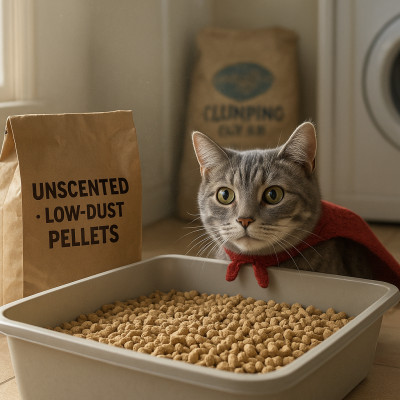
BEYOND THE BOWL: HOW TO REDUCE PFAS, MICROPLASTICS, AND HIDDEN CHEMICALS IN YOUR CAT'S FOOD AND LITTER
Learn how PFAS, microplastics, and hidden chemicals can reach cats through food, packaging, litter, dust, and water — and practical steps you can take to lower your cat's exposure without sacrificing nutrition or comfort.
Learn how PFAS, microplastics, and hidden chemicals can reach cats through food, packaging, litter, dust, and water — and practical steps you can take to lower your cat's exposure without sacrificing nutrition or comfort.

BEYOND THE BUZZWORDS: REAL NUTRITION FOR YOUR CAT — GRAIN‑FREE, HUMAN‑GRADE, AND NOVEL PROTEINS EXPLAINED
Cut through pet food marketing. Learn what cats truly need, what terms like grain-free and human‑grade mean, when novel proteins help, and how to pick a safe, balanced diet for your cat.
Cut through pet food marketing. Learn what cats truly need, what terms like grain-free and human‑grade mean, when novel proteins help, and how to pick a safe, balanced diet for your cat.
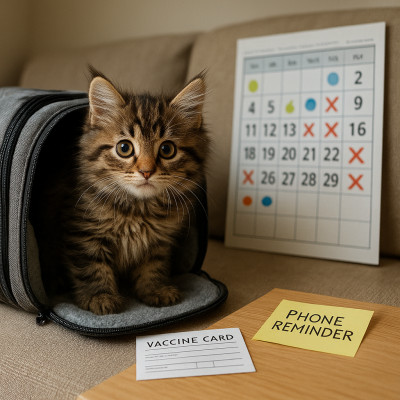
WHY SO MANY CATS ARE MISSING VACCINES: VET SHORTAGES, COSTS, AND CLINIC ACCESS EXPLAINED
Many cats are missing important vaccines because of veterinary staffing shortages, rising costs, and clinic access problems. Learn why this matters and what owners, clinics, and communities can do to protect cats.
Many cats are missing important vaccines because of veterinary staffing shortages, rising costs, and clinic access problems. Learn why this matters and what owners, clinics, and communities can do to protect cats.

SUBSCRIPTION VS SHELF: ARE FRESH CAT FOOD SERVICES LIKE SMALLS REALLY BETTER FOR YOUR CAT AND YOUR WALLET?
Compare fresh subscription cat foods (like Smalls) with canned and dry options. Learn what matters for cat health, costs, safety tips, and a simple checklist to pick the best, budget-friendly feeding plan.
Compare fresh subscription cat foods (like Smalls) with canned and dry options. Learn what matters for cat health, costs, safety tips, and a simple checklist to pick the best, budget-friendly feeding plan.