
Beyond the Bowl: How to Reduce PFAS, Microplastics, and Hidden Chemicals in Your Cat's Food and Litter
Search our cat listings!
Why this matters for cats
Cats live close to floors, groom themselves a lot, and eat and drink from the same places every day. This makes them extra likely to pick up chemicals that settle in dust, on bedding, or on food. Scientists and pet biomonitoring projects have found industrial chemicals like PFAS, flame retardants, and plasticizers in cats and dogs, which shows real-world exposure indoors.
Cats near Columbus
FLASH
Domestic Short Hair
🇺🇸
West Jefferson, Ohio
male, medium, baby
Domestic Short Hair
West Jefferson, Ohio
CHANDLER
Tabby, Domestic Short Hair
🇺🇸
Dublin, Ohio
male, medium, adult
Tabby, Domestic Short Hair
Dublin, Ohio
LOUISE
Domestic Short Hair, Tabby
🇺🇸
Powell, Ohio
female, small, baby
Domestic Short Hair, Tabby
Powell, Ohio
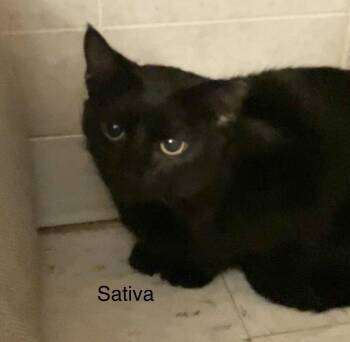
SATIVA
Domestic Short Hair
🇺🇸
Dublin, Ohio
female, medium, adult
Domestic Short Hair
Dublin, Ohio
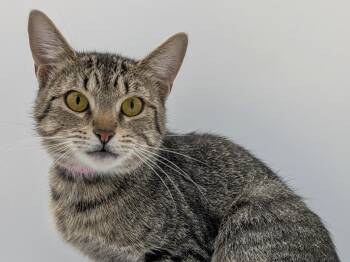
BAHAMA MAMA
Tabby
🇺🇸
Powell, Ohio
female, small, young
Tabby
Powell, Ohio
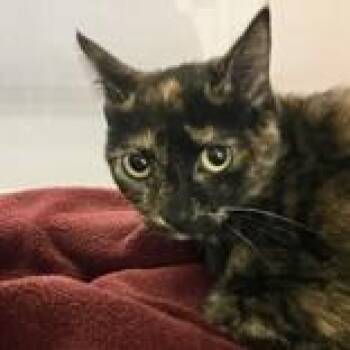
STORMY
Domestic Short Hair
🇺🇸
Hilliard, Ohio
female, small, young
Domestic Short Hair
Hilliard, Ohio
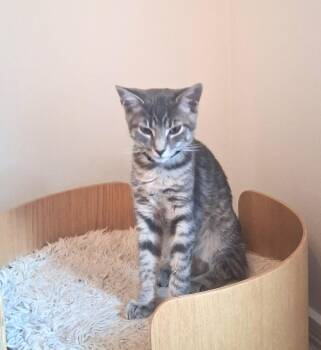
HEATH
Tabby
🇺🇸
Lewis Center, Ohio
male, medium, baby
Tabby
Lewis Center, Ohio
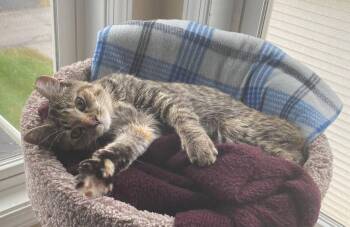
EMORY (BONDED TO CHARLENE)
Torbie, Domestic Short Hair
🇺🇸
Dublin, Ohio
female, medium, adult
Torbie, Domestic Short Hair
Dublin, Ohio
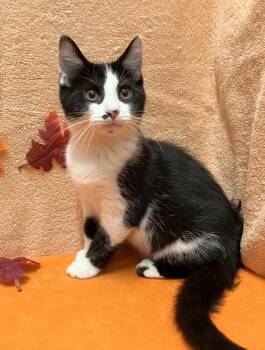
ROCKY
Domestic Short Hair
🇺🇸
Dublin, Ohio
male, medium, baby
Domestic Short Hair
Dublin, Ohio
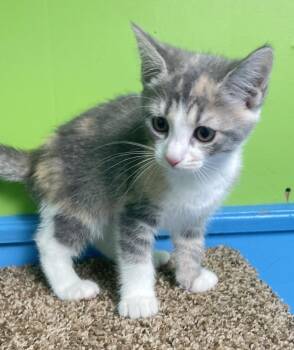
GOLDIE
Domestic Medium Hair
🇺🇸
Columbus, Ohio
female, small, baby
Domestic Medium Hair
Columbus, Ohio
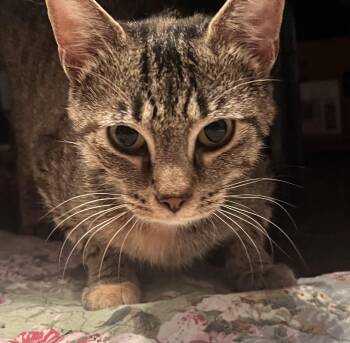
MIMI
Tabby, Domestic Short Hair
🇺🇸
Plain City, Ohio
female, medium, young
Tabby, Domestic Short Hair
Plain City, Ohio
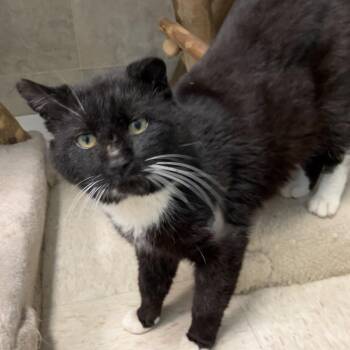
JACKSON
Domestic Short Hair
🇺🇸
Dublin, Ohio
male, medium, adult
Domestic Short Hair
Dublin, Ohio
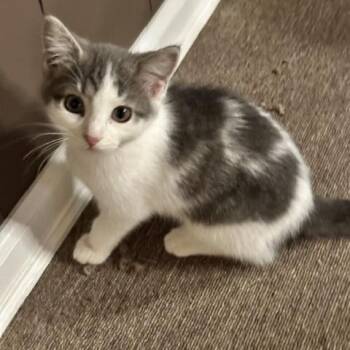
BANANA
Domestic Short Hair
🇺🇸
West Jefferson, Ohio
female, medium, baby
Domestic Short Hair
West Jefferson, Ohio
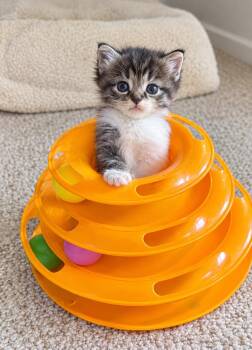
JERRY
Tabby
🇺🇸
Pickerington, Ohio
male, medium, baby
Tabby
Pickerington, Ohio
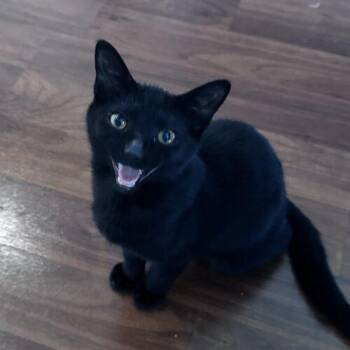
BROOKLYN
Domestic Short Hair
🇺🇸
Canal Winchester, Ohio
female, small, baby
Domestic Short Hair
Canal Winchester, Ohio
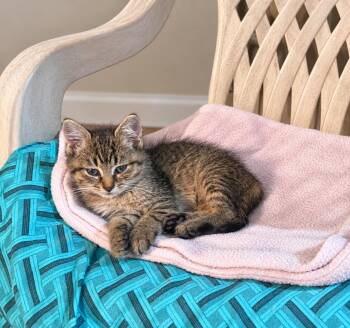
TOOTS
Tabby
🇺🇸
Pickerington, Ohio
female, medium, baby
Tabby
Pickerington, Ohio
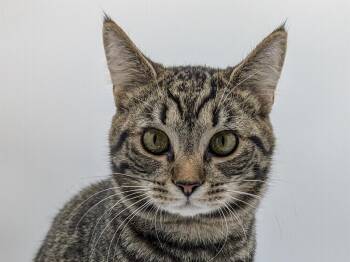
HUNTER
Domestic Short Hair, Tabby
🇺🇸
Powell, Ohio
male, small, baby
Domestic Short Hair, Tabby
Powell, Ohio
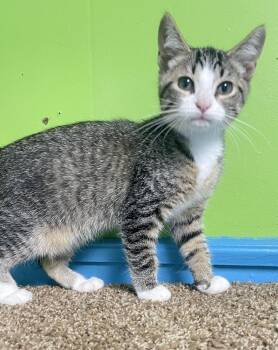
GENIE
Domestic Short Hair
🇺🇸
Columbus, Ohio
female, small, baby
Domestic Short Hair
Columbus, Ohio
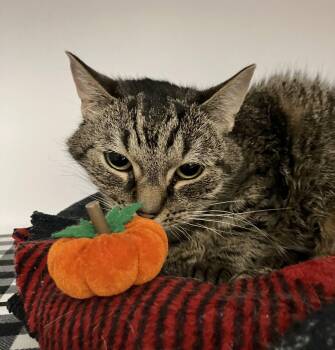
CHARLENE (BONDED TO EMORY)
Tabby, Domestic Short Hair
🇺🇸
Dublin, Ohio
female, medium, adult
Tabby, Domestic Short Hair
Dublin, Ohio
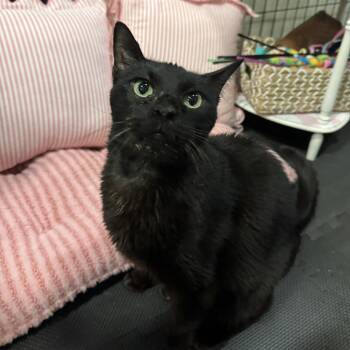
NYX
Domestic Short Hair
🇺🇸
Columbus, Ohio
male, medium, young
Domestic Short Hair
Columbus, Ohio
What are PFAS and where do they hide?
PFAS are a big family of man-made chemicals that repel water, oil, and grease. They are used in some treated textiles, paper coatings, and other consumer items, and they can get into tap water, food, and indoor dust.
PFAS can move from packaging to food and from treated furniture to dust. Avoiding items labeled "stain-resistant," "nonstick," or "grease-proof" and asking brands about PFAS-free packaging helps reduce this source of exposure.
Microplastics, fibers, and household dust
Indoor air and settled dust contain tiny plastic fibers and particles from carpets, clothing, and packaging. These microplastics can land on bowls, toys, and cat fur, and then be swallowed when a cat grooms.
Dust also carries PFAS, flame retardants, and phthalates, so keeping floors and bedding clean is a quick way to lower what your cat takes in every day.
Hidden concerns in cat litter
Many clumping clay litters and some crystal litters make fine dust when poured or scooped. That dust can include silica particles that are a respiratory concern for people and pets if inhaled often.
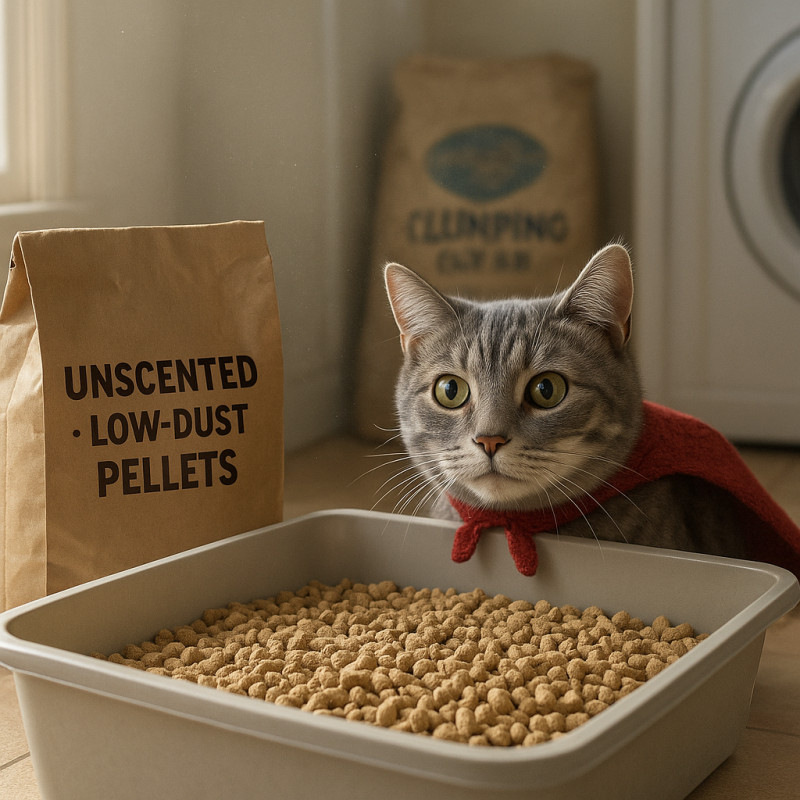
Scented litters and odor additives may add volatile chemicals and plasticizers. Unscented, low-dust litters or plant-based options (wood, paper, or pellets) reduce dust and avoid added fragrances.
Food, packaging, and other hidden chemical routes
Fish-heavy diets can increase exposure to PFAS and mercury that concentrate in seafood. Rotating proteins and not relying on fish as the daily staple lowers this risk.
Canned and pouch packaging may contain lining materials like epoxy (BPA or alternatives) and plastics that can transfer chemicals. Decant dry food into stainless steel or glass, avoid heating food in packaging, and choose BPA-NI cans or glass when possible.
Buy smaller bags you can use in 4–6 weeks, store food cool and dry, and keep lot codes in case you need to check a recall.
Water matters: filter what your cat drinks
PFAS turn up in many municipal water supplies. Giving cats water filtered by systems that reduce PFAS — certified under standards like NSF/ANSI 53, 58, or using reverse osmosis — cuts a meaningful exposure route.
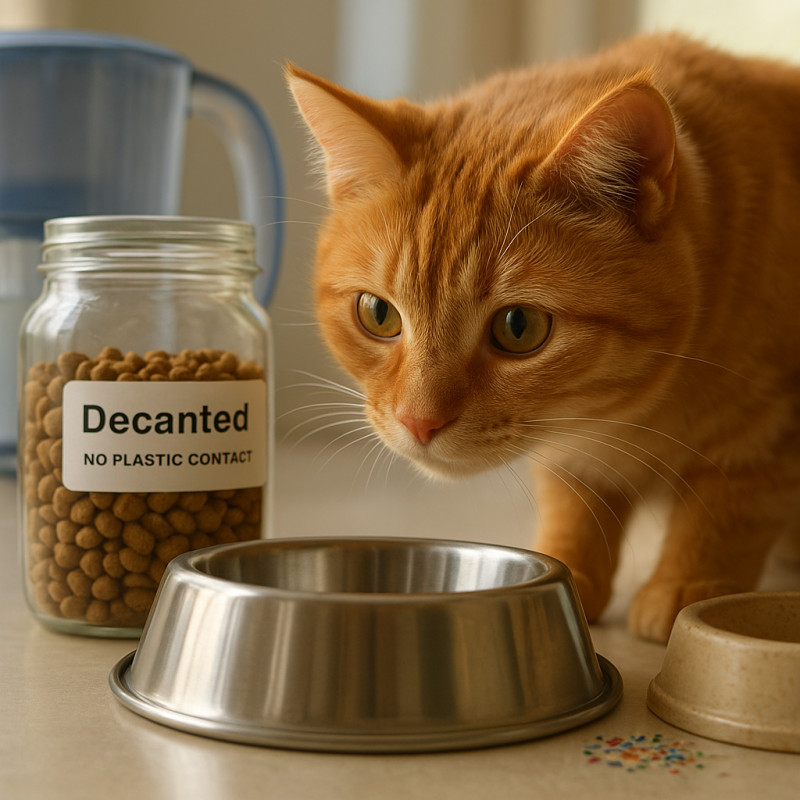
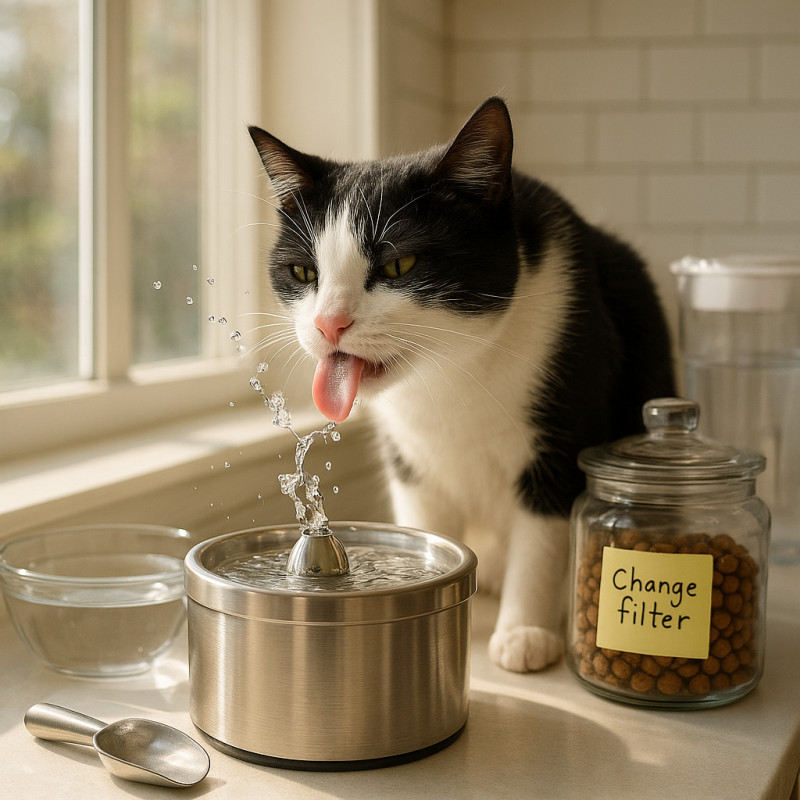
Fill bowls or fountains from filtered taps, change filters on schedule, and use stainless steel or glass bowls to avoid plastic contact.
Simple home actions that really help
- Vacuum 2–3 times per week with a sealed HEPA machine and damp-mop hard floors to remove dust and fibers.
- Wash pet bedding and soft toys weekly and dry completely to reduce settled dust and microfibers.
- Wipe or damp-dust feeding and high-traffic areas before meals to remove settled particles.
These habits lower the dust and microplastic load that land on your cat's fur and food bowls every day.
Litter-handling best practices
Choose low-dust, unscented litters and pour gently close to the box to limit aerosols. Place boxes in a ventilated spot and scoop daily to reduce odor and dust build-up.
Wash boxes weekly with hot water and mild, unscented soap; avoid fragranced disinfectants with quats unless needed for illness, and rinse thoroughly before reuse.
Buying smart and asking brands
Ask pet food companies about their testing for mycotoxins, heavy metals, and whether their packaging is PFAS-free. Request information on can lining chemistries and third-party audits.
Prefer simple ingredient lists, transparent brands, and formats that let you avoid prolonged plastic contact. Trial changes gradually so your cat keeps eating well.
Balancing risks and nutrition
Nutrition is the top priority: do not switch away from a complete, balanced diet without your vet's advice. Make exposure-reduction changes one at a time and watch for any behavior or health changes.
Many steps — filtered water, low-dust unscented litter, HEPA cleaning, and decanting food to glass or stainless — lower chemical load without changing nutrition or litter acceptance.
Quick checklist: what good looks like
- Food: Complete-and-balanced, rotate proteins, fish only as a treat or rotation; decant kibble to stainless or glass; avoid heating in packaging.
- Water: Use NSF-certified PFAS-reducing filters or RO; stainless or glass bowls; refresh daily.
- Litter: Unscented, low-dust or plant-based pellets; ventilated location; gentle pouring; daily scooping; weekly box wash.
- Home: HEPA vacuum and air purifier; damp dusting; wash bedding weekly; avoid PFAS-treated textiles and stain-resistant finishes.
- Brands: Ask about PFAS-free packaging, mycotoxin testing, and can-lining chemistry; prefer transparent third-party testing.
Where to learn more
For background on PFAS, water filters, and how chemicals move indoors, check resources from environmental and public health agencies. You can also ask your veterinarian for guidance tailored to your cat's health and diet.
Small changes add up. By choosing low-dust litters, cleaner water, careful storage, and better home cleaning, you can cut several common exposure routes and help your cat stay healthier without sacrificing nutrition or comfort.
Search our cat listings!
Back to pet blog