
Bengal Cats Aren’t Cheap: Real Prices, Lifetime Costs, and How to Spot Breeder Scams
Search our cat listings!
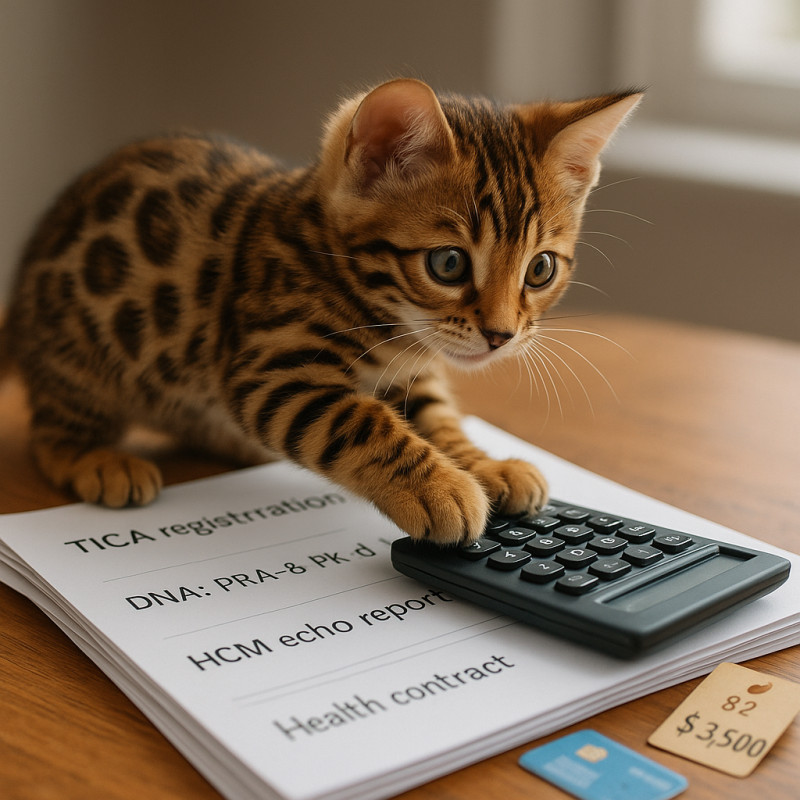
Bengal cats are beautiful, energetic, and expensive to own the right way. This post breaks down typical prices, what you’ll spend the first year and over a lifetime, the health and legal checks responsible breeders should provide, and step-by-step tips to avoid scams.
Why Bengals cost more
Bengals are a popular, established breed with striking markings and high energy needs. Reputable breeders invest in health testing, socialization, and careful pedigrees, and those costs show up in the price. Early-generation hybrids (F1–F3) and show-quality kittens command especially high prices and may be restricted by local laws.
Cats near Fort Worth
BREWSTER
Domestic Short Hair
🇺🇸
Roanoke, Texas
male, large, adult
Domestic Short Hair
Roanoke, Texas
FABLE
Domestic Short Hair
🇺🇸
Fort Worth, Texas
female, small, baby
Domestic Short Hair
Fort Worth, Texas

JERRY
Domestic Short Hair
🇺🇸
North Richland Hills, Texas
male, medium, baby
Domestic Short Hair
North Richland Hills, Texas
JOE
Domestic Short Hair
🇺🇸
Roanoke, Texas
male, extra large, young
Domestic Short Hair
Roanoke, Texas
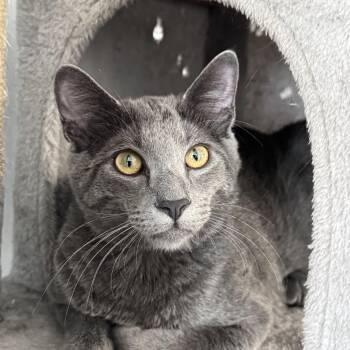
OLIVER
Domestic Short Hair
🇺🇸
Fort Worth, Texas
male, medium, young
Domestic Short Hair
Fort Worth, Texas
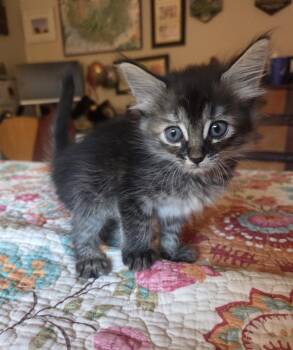
MARY
Tabby
🇺🇸
Trophy Club, Texas
female, medium, baby
Tabby
Trophy Club, Texas
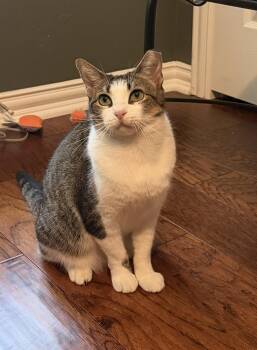
MARGO
Tabby
🇺🇸
Fort Worth, Texas
female, medium, young
Tabby
Fort Worth, Texas
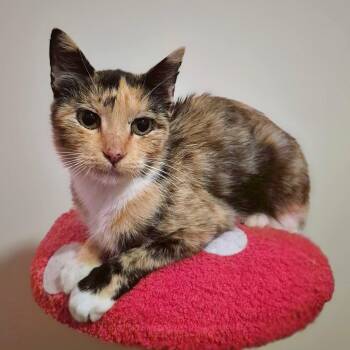
CHIPS
Calico
🇺🇸
Trophy Club, Texas
female, medium, young
Calico
Trophy Club, Texas

NAOMI
Domestic Short Hair
🇺🇸
Fort Worth, Texas
female, medium, adult
Domestic Short Hair
Fort Worth, Texas
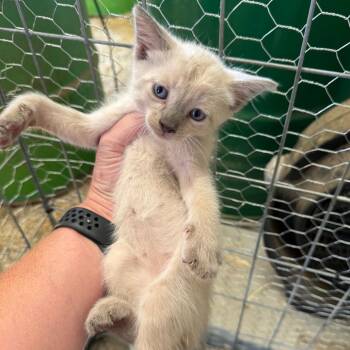
CASPER
Domestic Short Hair
🇺🇸
Crowley, Texas
male, small, baby
Domestic Short Hair
Crowley, Texas

WINNIE
Calico
🇺🇸
Trophy Club, Texas
female, medium, baby
Calico
Trophy Club, Texas

ZIGGEE
Domestic Short Hair
🇺🇸
Fort Worth, Texas
male, medium, baby
Domestic Short Hair
Fort Worth, Texas
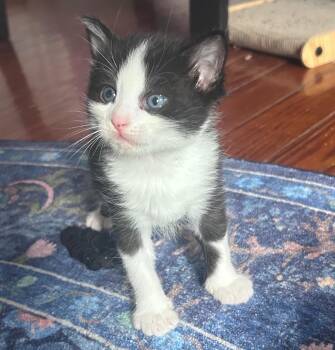
DOVE
Domestic Short Hair
🇺🇸
Fort Worth, Texas
female, medium, baby
Domestic Short Hair
Fort Worth, Texas
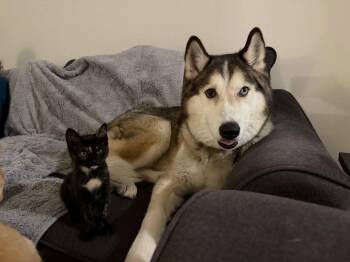
CHARLOTTE
Domestic Short Hair
🇺🇸
Fort Worth, Texas
female, medium, baby
Domestic Short Hair
Fort Worth, Texas
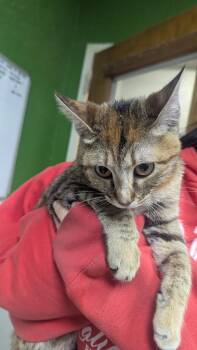
ELLA
Domestic Short Hair
🇺🇸
Fort Worth, Texas
female, small, young
Domestic Short Hair
Fort Worth, Texas

PAEDYN
Tortoiseshell
🇺🇸
Fort Worth, Texas
female, medium, baby, not mixed
Tortoiseshell
Fort Worth, Texas
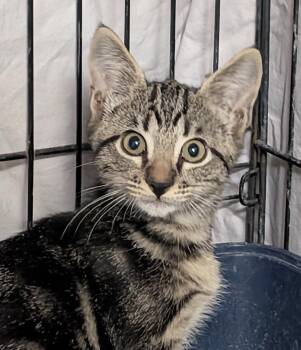
BILLY
Tabby
🇺🇸
Trophy Club, Texas
male, medium, baby
Tabby
Trophy Club, Texas
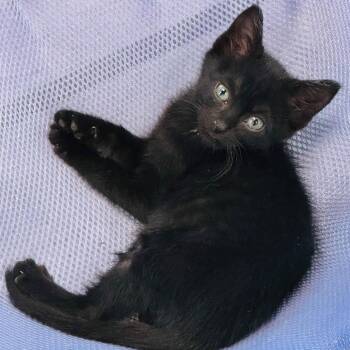
GIBSON
Domestic Short Hair
🇺🇸
Trophy Club, Texas
female, medium, baby
Domestic Short Hair
Trophy Club, Texas
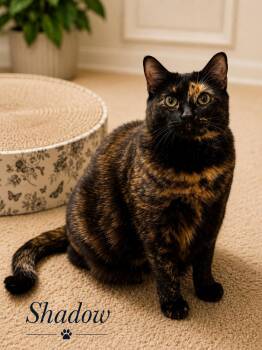
SHADOW
Domestic Short Hair
🇺🇸
Mansfield, Texas
female, large, adult
Domestic Short Hair
Mansfield, Texas
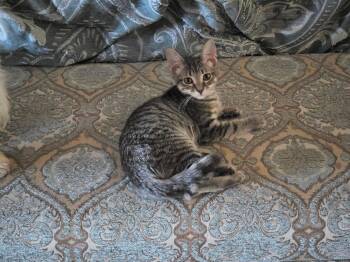
DOODLEBUG
Domestic Short Hair
🇺🇸
Mansfield, Texas
female, small, young
Domestic Short Hair
Mansfield, Texas
Realistic kitten prices (U.S. baseline)
Pet-quality SBT Bengal kittens from responsible TICA/CFA breeders usually run $1,500–$3,500. Show- or breeder-quality Bengals commonly list for $3,500–$6,000+, and early-generation hybrids (where legal) can exceed $5,000–$15,000. Adoption from a rescue or shelter may be $100–$500, but purebred Bengals are less commonly available through rescues.
First-year costs you should expect
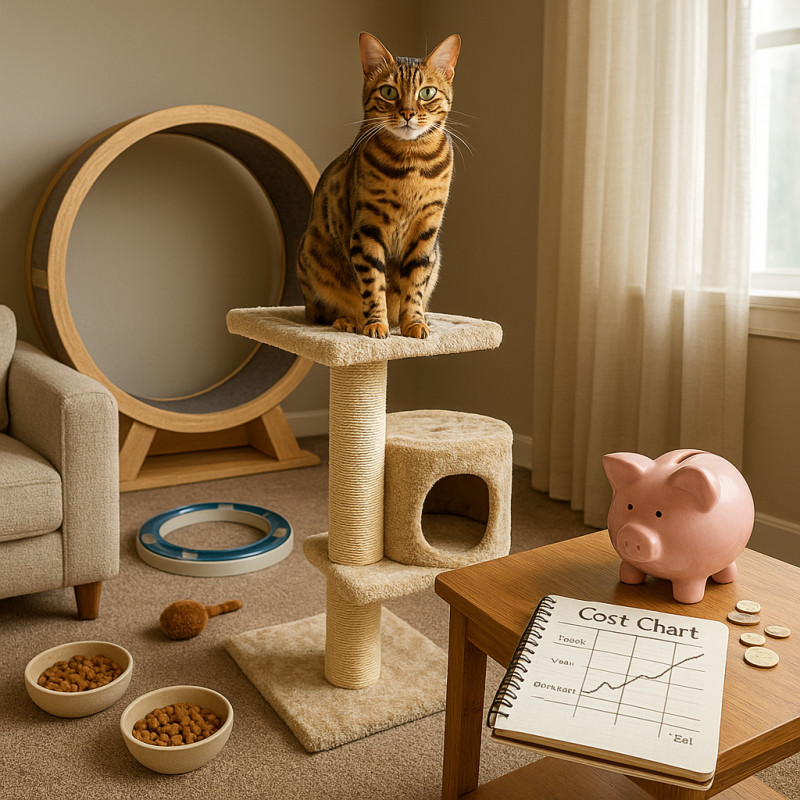
The first year is often the most expensive because you buy supplies and enrichment. Basic supplies, a carrier, litter boxes, and starter toys can be $150–$400. Bengal-specific enrichment like a tall cat tree or cat wheel can push one-time gear to $200–$1,000.
Veterinary and routine care in the first year (vaccines, microchip, spay/neuter if not included) commonly add $200–$700. If you choose pet insurance, expect about $20–$45 per month, and quality food choices push monthly feeding costs to $40–$120. Altogether, plan $1,000–$4,500 in year one depending on choices.
Lifetime cost estimates
Bengals often live 12–16 years. Over a 15-year model, realistic lifetime ownership costs (excluding purchase price) usually fall into three bands: budget-focused owners ~$12,000–$20,000; balanced owners ~$20,000–$35,000; premium owners $30,000–$45,000+. Add the kitten purchase price to estimate total lifetime cost.
What drives these totals? Higher-protein wet or fresh diets, regular dental care, enrichment (trees, wheels), routine vet visits, and emergency events all raise costs. A sensible emergency fund or strong insurance can prevent a single event from doubling your yearly spend.
Health checks and paperwork responsible breeders should provide
Good breeders will give clear paperwork and test results. Ask for TICA or CFA registration documents for the litter and the cattery. Request DNA results for PRA-b and PK-def from a recognized lab like UC Davis, and ask for recent HCM echocardiogram reports on breeding adults.
You should also receive vaccination and deworming records, microchip number and registration confirmation, and a written contract. A proper contract includes health guarantees (typically 1–3 years for genetic issues), spay/neuter or breeding-rights terms, and a return clause if you cannot keep the cat.
Legal and housing checks
Some places restrict hybrids or exotic animals. For example, New York City and Hawaii have rules limiting wild-animal hybrids. Always confirm local laws, landlord rules, and HOA policies before paying a deposit. If you live where hybrids are restricted, insist the breeder documents the SBT generation (F5+ is the usual pet line).
How to spot breeder scams — quick red flags
- Price far below market (e.g., $500 for a "purebred" Bengal)
- Refusal of live video calls or in-person visits
- Shipping-only offers with strange courier stories
- Pressure to pay by Zelle, crypto, gift cards, or wire transfer
- Stock or recycled photos and newly created online profiles
Step-by-step verification checklist before you pay
- Ask for a live video showing the exact kitten, the dam, and the cattery environment.
- Reverse-image search all photos and videos to detect stolen images.
- Request proof of TICA/CFA registration and verify the cattery on the registry website.
- Obtain DNA test results for PRA-b and PK-def for both parents (UC Davis is a common lab).
- Ask for recent HCM echo reports for breeding adults and the clinic contact.
- Get a written contract that spells out health guarantees, spay/neuter terms, return policy, and deposit rules.
- Pay with buyer-protected methods (credit card or PayPal Goods & Services) and expect modest deposits ($200–$500) with a receipt.
- Check domain age, WHOIS records, and online reviews; call veterinary references if provided.
What reputable breeders often include
Many responsible catteries include microchipping, at least the first vaccines and deworming, a starter food bag, and a written health guarantee. Pet-quality kittens are usually placed at 12–16 weeks after socialization and vaccines. If a breeder won’t provide basic documentation or a contract, walk away.
Budgeting tips and ways to reduce long-term costs
Buy durable enrichment and rotate toys instead of replacing cheap ones constantly. Maintain a healthy, consistent diet to reduce GI and urinary problems. Keep up with routine wellness checks and dental care to avoid expensive emergency treatments later. Shop around for pet insurance plans and vet care in your area before committing.
Final advice
Bengals are a long-term commitment and can be costly if you do it right. Expect to pay a fair price up front for a healthy, well-socialized kitten and verify everything before you hand over a deposit. Use the checklists above, confirm legal ownership in your area, and prefer breeders who show clear testing, registration, and a written contract.
For official breed information and care details, start with the TICA Bengal page and for genetic testing look to labs such as UC Davis. If something feels off, consult independent reviews and consumer protection resources before you pay.
Search our cat listings!
Back to pet blog