
Beyond the Buzzwords: Real Nutrition for Your Cat — Grain‑Free, Human‑Grade, and Novel Proteins Explained
Search our cat listings!
Introduction
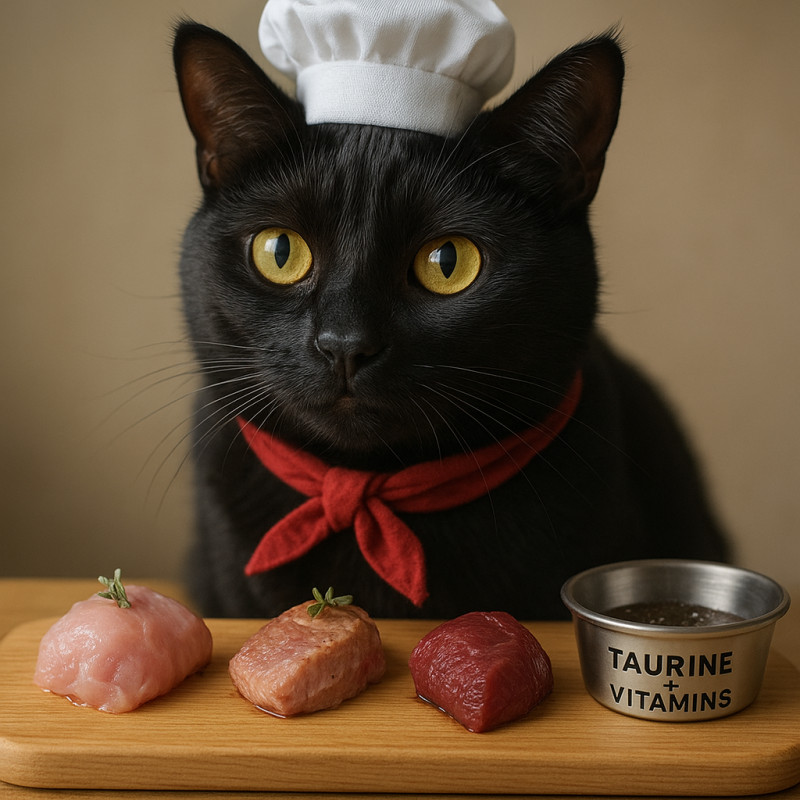
Cats get a lot of marketing attention on pet food bags, but not all claims mean better nutrition. This post helps you understand the real science behind grain‑free, human‑grade, and novel‑protein diets so you can pick the best food for your cat. I’ll use simple language and practical steps you can follow.
Cats near Columbus

MOO MOO MEADOWS
Domestic Short Hair
🇺🇸
Delaware, Ohio
male, small, baby
Domestic Short Hair
Delaware, Ohio
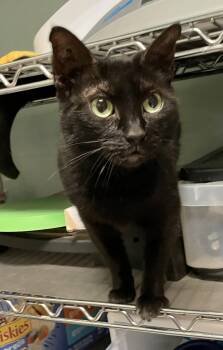
OREO
Domestic Short Hair
🇺🇸
Dublin, Ohio
female, medium, adult
Domestic Short Hair
Dublin, Ohio

ANDY BERNARD
Domestic Short Hair
🇺🇸
Powell, Ohio
male, small, baby
Domestic Short Hair
Powell, Ohio

GALILEO
Domestic Short Hair
🇺🇸
Pickerington, Ohio
male, medium, baby
Domestic Short Hair
Pickerington, Ohio

BUTTON
Domestic Short Hair
🇺🇸
Delaware, Ohio
female, small, young
Domestic Short Hair
Delaware, Ohio

LUKA - KBC
Domestic Short Hair, Tabby
🇺🇸
Dublin, Ohio
female, medium, baby
Domestic Short Hair, Tabby
Dublin, Ohio

ERNIE
Domestic Short Hair
🇺🇸
Reynoldsburg, Ohio
male, medium, baby
Domestic Short Hair
Reynoldsburg, Ohio

HANK
Domestic Short Hair
🇺🇸
West Jefferson, Ohio
male, medium, adult
Domestic Short Hair
West Jefferson, Ohio

ORANGE CRUSH
Domestic Short Hair
🇺🇸
West Jefferson, Ohio
male, medium, baby
Domestic Short Hair
West Jefferson, Ohio
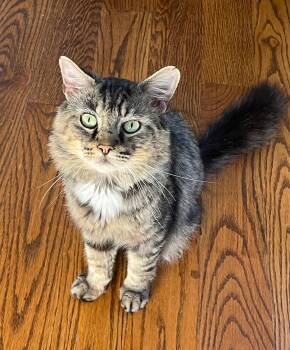
JUNIOR
Domestic Medium Hair
🇺🇸
New Albany, Ohio
male, medium, young
Domestic Medium Hair
New Albany, Ohio

DARBY ALLIN
Domestic Short Hair
🇺🇸
Dublin, Ohio
male, medium, adult
Domestic Short Hair
Dublin, Ohio
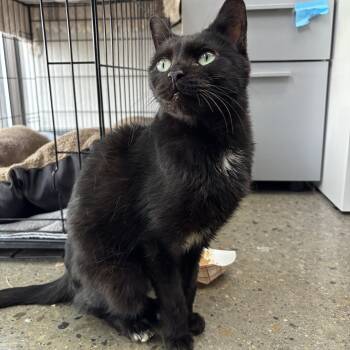
MARGOT
Domestic Short Hair
🇺🇸
Columbus, Ohio
female, small, senior
Domestic Short Hair
Columbus, Ohio

MARIE
Dilute Tortoiseshell
🇺🇸
Powell, Ohio
female, small, baby
Dilute Tortoiseshell
Powell, Ohio

ROCKY
Domestic Short Hair
🇺🇸
Dublin, Ohio
male, medium, baby
Domestic Short Hair
Dublin, Ohio

ELTON
Domestic Short Hair
🇺🇸
Columbus, Ohio
male, large, adult
Domestic Short Hair
Columbus, Ohio

LOUISE
Domestic Short Hair, Tabby
🇺🇸
Powell, Ohio
female, small, baby
Domestic Short Hair, Tabby
Powell, Ohio

GUAVA
Domestic Short Hair
🇺🇸
West Jefferson, Ohio
male, medium, baby
Domestic Short Hair
West Jefferson, Ohio

BROOKLYN
Domestic Short Hair
🇺🇸
Canal Winchester, Ohio
female, small, baby
Domestic Short Hair
Canal Winchester, Ohio
JANICE
Domestic Short Hair
🇺🇸
Dublin, Ohio
female, medium, adult
Domestic Short Hair
Dublin, Ohio

MARIGOLD
Tabby
🇺🇸
Lewis Center, Ohio
female, medium, baby
Tabby
Lewis Center, Ohio
What does a cat actually need?
Cats are obligate carnivores, which means their bodies are built to eat animal-based foods. They need high-quality animal protein and certain nutrients like taurine, arachidonic acid, and vitamin A that usually come from meat. The most important check is that a food is labeled “complete and balanced” for your cat’s life stage under AAFCO or FEDIAF standards. If a diet meets those rules, it should have the right vitamins and minerals, but feeding trials are even better proof it works in real cats.
Grain‑free: what it is — and what it isn’t
“Grain‑free” means the product avoids grains like corn, wheat, and rice, but often replaces them with peas, lentils, potatoes, or tapioca. That swap does not always lower carbohydrate levels; many grain‑free foods have equal or higher starch than grain-containing foods. For healthy cats, no good science shows grain‑free food is healthier than grain-inclusive food when both are complete and balanced. If a grain‑free food uses lots of legumes, be sure the maker is careful about taurine and overall formulation, and watch your cat’s stool and coat after the switch.
Human‑grade: a legal term, not a nutrition stamp
Human‑grade means every ingredient and the whole manufacturing chain meet human food standards in the U.S. That sounds impressive, but it does not guarantee the food is complete for cats. Many human foods lack feline‑essential nutrients or have the wrong calcium-to-phosphorus balance for cats. Human‑grade products can be higher cost and higher quality in sourcing, but you must still check the AAFCO adequacy statement and the company’s nutrition credentials.
Novel proteins: when they help and when they don’t
Novel proteins like rabbit, venison, or duck are useful mainly when a cat has a suspected food allergy. The right way to test for food allergy is an 8–12 week elimination trial using a truly novel protein or a veterinary hydrolyzed diet, followed by a challenge. Over‑the‑counter limited‑ingredient or novel‑protein foods are often contaminated with other animal proteins, which makes them unreliable for allergy testing. For true elimination trials, use a veterinary therapeutic diet or a home‑cooked diet designed with a veterinary nutritionist.
Protein quality and by‑products: don’t be fooled by names
What matters most is the protein’s amino acid balance and digestibility, not glamorous labels like “fresh meat.” Meat meals, organ meats (often labeled as by‑products), and fresh muscle all have nutritional value when used properly. Organ meats are actually rich in taurine and vitamins that cats need. Focus less on front‑of‑bag words and more on whether the company can explain formulation, testing, and how the food was validated.
Carbohydrates, weight, and hydration
Cats can digest cooked starch and many processed foods include carbohydrates safely. Obesity and diabetes link more strongly to overall calories, portion control, and activity level than to the simple presence of grains. Many cats benefit from higher‑moisture foods (canned or wet diets) because extra water helps hydration and urinary health and can help control calorie intake by increasing satiety.
How to evaluate a manufacturer
Not all brands are equal. Look for companies that employ board-certified veterinary nutritionists or PhD animal nutritionists, that run ingredient and contaminant testing, and that are transparent about feeding trials or research. The WSAVA global guidance gives a useful checklist for vetting companies. If a brand can’t answer basic questions about who formulates the food or how they prevent cross‑contact of ingredients, it’s a red flag.
Actionable buyer’s checklist
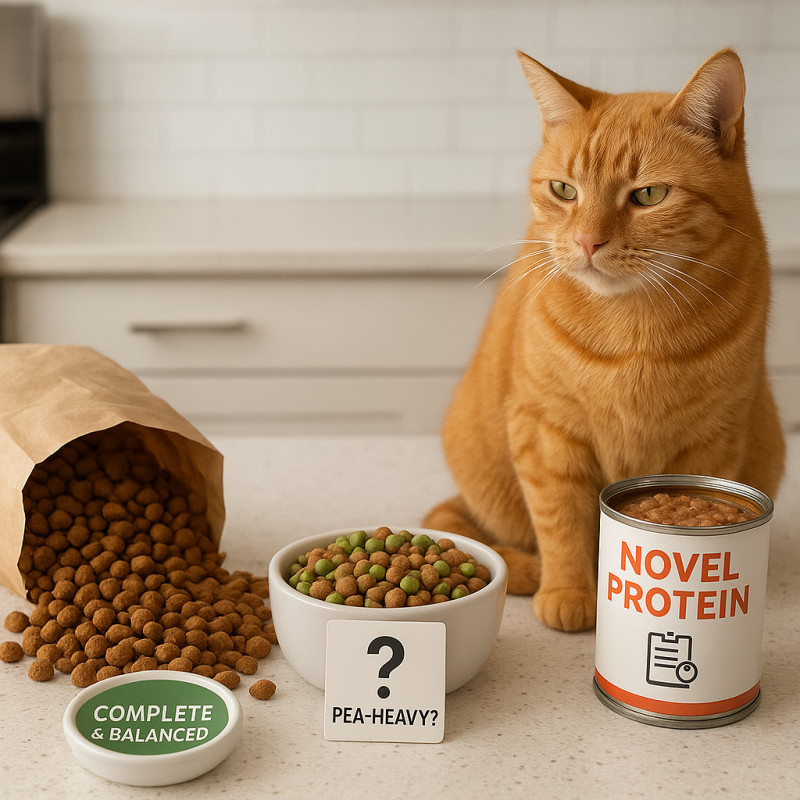
- Confirm the bag states AAFCO or FEDIAF complete-and-balanced for your cat’s life stage; prefer foods supported by feeding trials when available.
- Ask the company who formulates their diets and what quality control testing they do (ingredient identity, contaminants, segregation of lines).
- Match the diet to your cat: kitten, adult, senior, weight management, or medical needs. Discuss special diets with your veterinarian.
- If choosing grain‑free, ensure strong animal protein content and adequate taurine; monitor stool quality and coat condition.
- If choosing human‑grade, remember this is about sourcing and process, not automatic nutrient superiority—still check nutritional adequacy.
- For suspected food allergy, use a veterinary therapeutic hydrolyzed or a strictly controlled novel‑protein diet for 8–12 weeks and avoid OTC LID products for diagnosis due to contamination risk.
How to monitor your cat after switching food
Track body weight regularly and check body condition monthly. Watch stool quality, coat shine, energy levels, and litterbox behavior. If you see diarrhea, vomiting, poor coat, weight loss, or changes in drinking and urination, contact your veterinarian. These signs tell you more than a marketing term ever will.
Putting it together
A well‑made grain-inclusive food from a transparent company can be excellent for most cats. A grain‑free or human‑grade product can also be fine if it’s complete and balanced and made by a company with strong nutrition expertise. Reserve novel proteins and therapeutic diets for true medical reasons like confirmed food allergy. Above all, prioritize AAFCO/FEDIAF adequacy, manufacturer quality controls, and real feeding outcomes for your cat.
Final takeaways
Buzzwords sell, but core nutrition keeps cats healthy. Check the complete‑and‑balanced statement, vet the maker’s nutrition and QA practices, and monitor how your cat responds. Work with your veterinarian for medical issues or for an elimination diet. When you focus on nutrient science and transparency, you’ll make the best choice for your cat’s long term health.
Search our cat listings!
Back to pet blog