
Why So Many Cats Are Missing Vaccines: Vet Shortages, Costs, and Clinic Access Explained
Search our cat listings!
Why this matters
Many cats are not getting the vaccines they need, and that puts them and their communities at risk. Vaccines protect against serious diseases like panleukopenia and rabies, and timing is especially important for kittens.
Cats often show subtle signs of illness, so prevention through vaccines is one of the best ways to keep them healthy and out of shelters and clinics.
Cats near Columbus
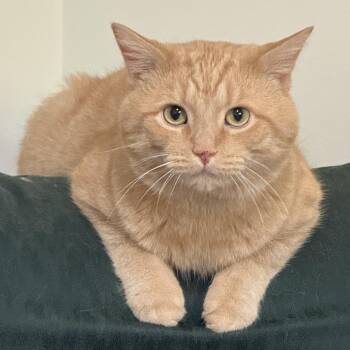
CLARENCE
Domestic Short Hair
🇺🇸
Columbus, Ohio
male, large, adult
Domestic Short Hair
Columbus, Ohio
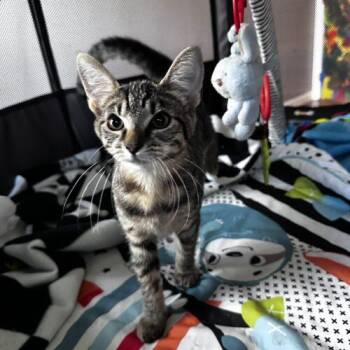
OAKLEY
Domestic Short Hair
🇺🇸
Canal Winchester, Ohio
female, small, baby
Domestic Short Hair
Canal Winchester, Ohio
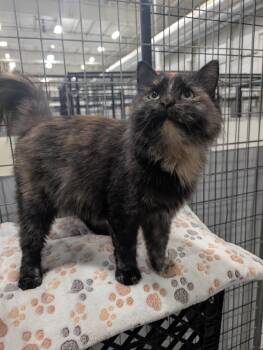
VERONICA
Domestic Medium Hair
🇺🇸
Columbus, Ohio
female, medium, adult
Domestic Medium Hair
Columbus, Ohio
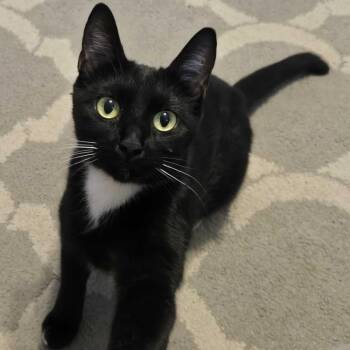
BUTTON
Domestic Short Hair
🇺🇸
Delaware, Ohio
female, small, young
Domestic Short Hair
Delaware, Ohio
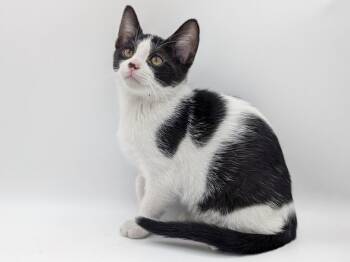
CARRINGTON
Domestic Short Hair
🇺🇸
Powell, Ohio
male, small, baby
Domestic Short Hair
Powell, Ohio
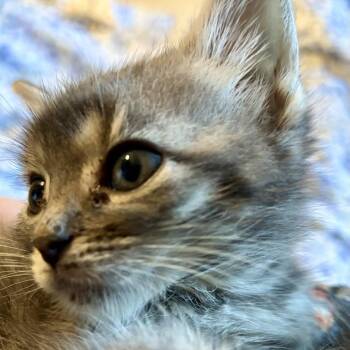
COCONUT MALL
Domestic Short Hair
🇺🇸
Delaware, Ohio
female, small, baby
Domestic Short Hair
Delaware, Ohio
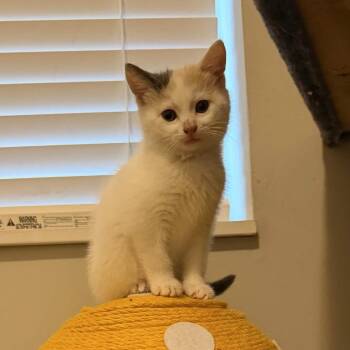
DOLLY PARTON
Domestic Long Hair
🇺🇸
Delaware, Ohio
female, small, baby
Domestic Long Hair
Delaware, Ohio
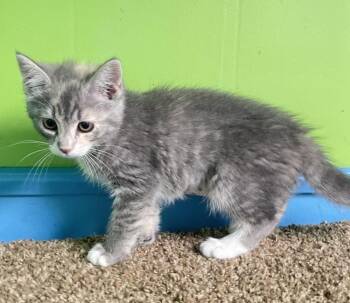
GIA
Domestic Medium Hair
🇺🇸
Columbus, Ohio
female, small, baby
Domestic Medium Hair
Columbus, Ohio
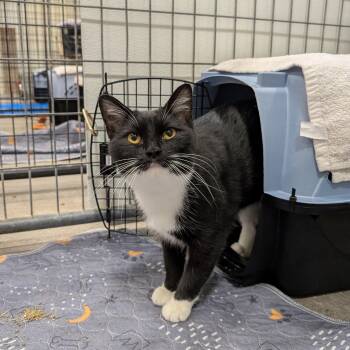
FREYA
Domestic Short Hair
🇺🇸
Columbus, Ohio
female, medium, young
Domestic Short Hair
Columbus, Ohio

LOUISE
Domestic Short Hair, Tabby
🇺🇸
Powell, Ohio
female, small, baby
Domestic Short Hair, Tabby
Powell, Ohio
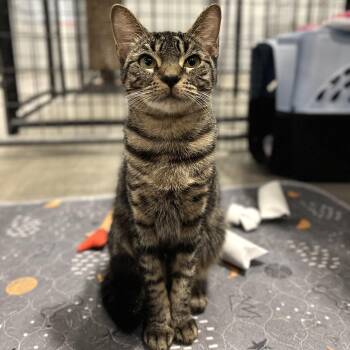
PURRADA
Domestic Short Hair
🇺🇸
Columbus, Ohio
female, small, young
Domestic Short Hair
Columbus, Ohio
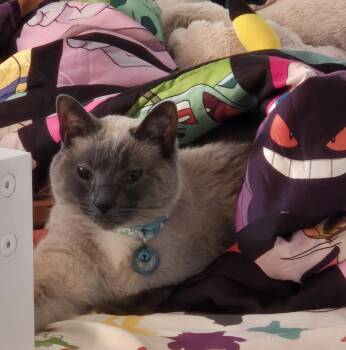
SERAPHINE
Applehead Siamese
🇺🇸
Plain City, Ohio
female, medium, adult
Applehead Siamese
Plain City, Ohio
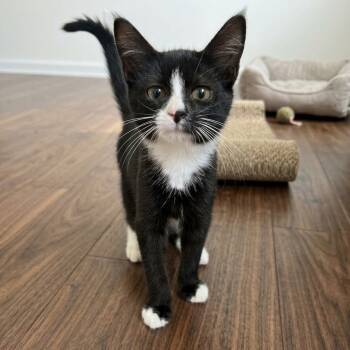
ASHE
American Shorthair, Domestic Short Hair
🇺🇸
Columbus, Ohio
male, medium, baby
American Shorthair, Domestic Short Hair
Columbus, Ohio
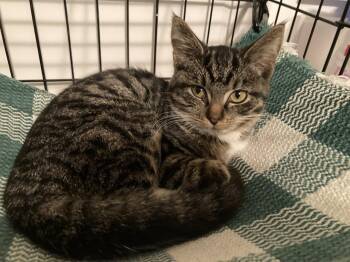
DARBY
Tabby, Domestic Short Hair
🇺🇸
Dublin, Ohio
female, medium, baby
Tabby, Domestic Short Hair
Dublin, Ohio
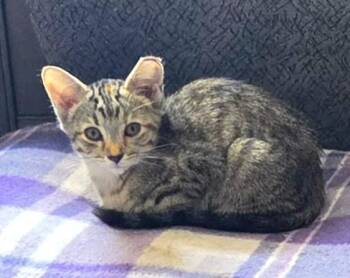
JOSIE
Tabby
🇺🇸
New Albany, Ohio
female, medium, baby
Tabby
New Albany, Ohio
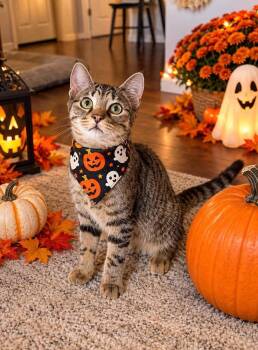
BURRITO
Domestic Short Hair
🇺🇸
Ashville, Ohio
male, medium, baby
Domestic Short Hair
Ashville, Ohio
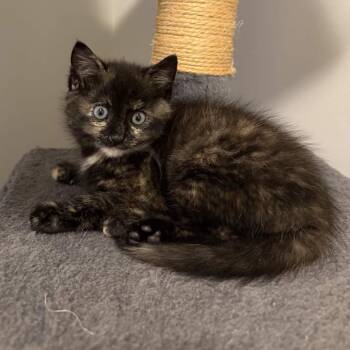
JOLENE
Domestic Long Hair
🇺🇸
Delaware, Ohio
female, small, baby
Domestic Long Hair
Delaware, Ohio
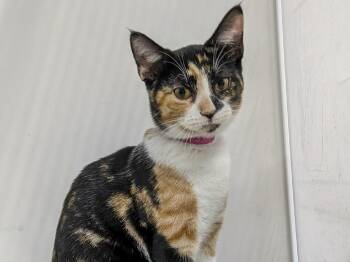
SPRINKLES
Domestic Short Hair, Dilute Calico
🇺🇸
Powell, Ohio
female, small, baby
Domestic Short Hair, Dilute Calico
Powell, Ohio

ELTON
Domestic Short Hair
🇺🇸
Columbus, Ohio
male, large, adult
Domestic Short Hair
Columbus, Ohio
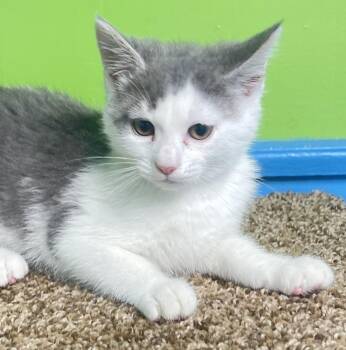
GRAYSON
Domestic Medium Hair
🇺🇸
Columbus, Ohio
male, small, baby
Domestic Medium Hair
Columbus, Ohio
Which vaccines are most important — and why timing counts
Core feline vaccines include FVRCP (feline viral rhinotracheitis, calicivirus, and panleukopenia) and rabies; FeLV (feline leukemia) is recommended for kittens and cats at risk. Kittens start vaccines at about 6–8 weeks and need boosters every 3–4 weeks until 16–20 weeks to be fully protected.
If a kitten misses doses or waits too long between shots, it can be vulnerable during a very dangerous window. For adults, keeping rabies and FVRCP boosters on schedule prevents outbreaks and stops serious illness before it spreads.
What's changed recently: fewer appointments and higher prices
A big reason vaccines are being missed is that clinics have fewer staff and fewer appointment slots than before. Many areas face a long-term shortage of veterinarians and veterinary technicians, so routine vaccine visits can get pushed far into the future.
At the same time, veterinary prices have risen faster than general inflation. When costs go up, owners often postpone what seems non-urgent, like booster shots, until it becomes an emergency.
How access problems make it worse
Where you live matters: some neighborhoods and rural areas are veterinary deserts with few or no nearby clinics. Limited clinic hours, trouble with transportation, and the stress of getting a cat into a carrier all make it harder to get vaccines on time.
Community vaccine events help, but they are uneven and sometimes canceled when clinics are short-staffed. That leaves many owners with few options, especially if they work evenings or can’t afford a long trip to a clinic.
Why cats are especially at risk
Before the pandemic, cats already visited vets less often than dogs. Owners sometimes think indoor cats don’t need vaccines, or they avoid trips because cats hate carriers and car rides. Those habits make cats the first to be skipped when appointments are scarce.
Kittens are particularly vulnerable because their vaccine schedule requires many visits in a short time. A single missed or delayed dose can create a gap where disease can spread quickly.
Real risks we’re seeing
Shelter and public-health data show more panleukopenia outbreaks and higher risks when vaccine coverage drops. Panleukopenia is deadly, especially for kittens, and spreads easily in shelters and multi-cat homes.
Rabies is also a serious concern: cats are the most frequently reported rabid domestic animal in the U.S. Under-vaccination increases the chance of human exposures, costly quarantines, and even euthanasia after some bite incidents.
What’s working: solutions that increase vaccine coverage
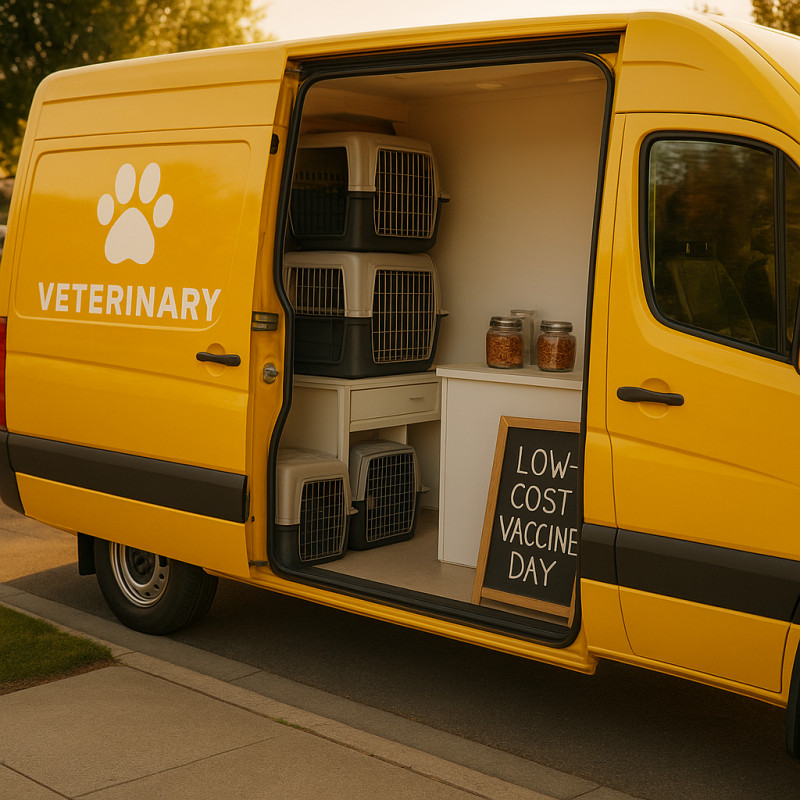
- Mobile and pop-up vaccine clinics bring shots to neighborhoods and remove travel barriers.
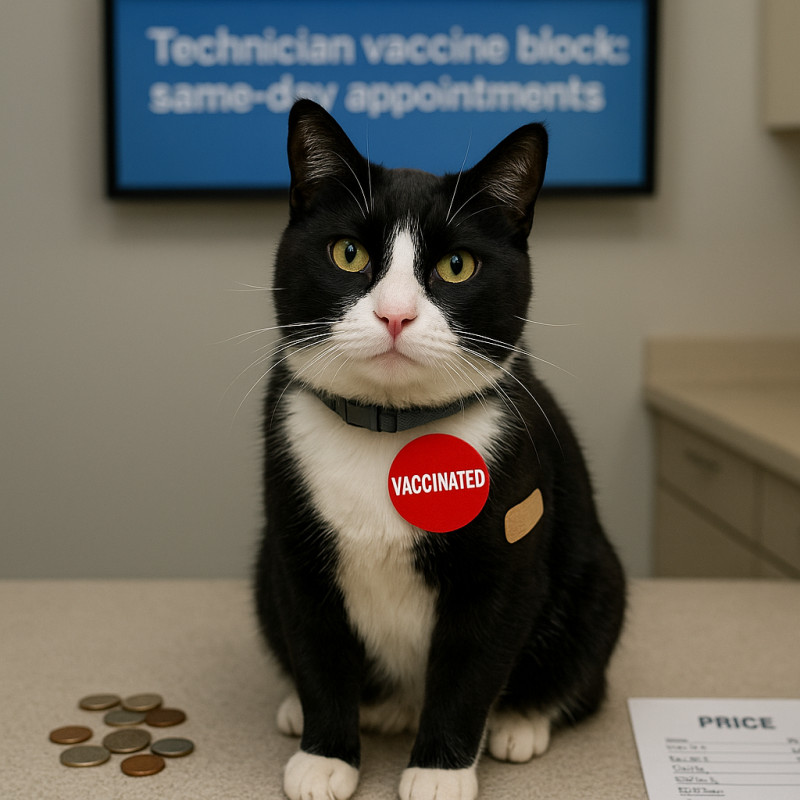
- Technician-led vaccine blocks, under veterinary supervision, increase throughput safely.
- Low-cost or free community events (often run with shelters or nonprofits) reach families who can’t pay full clinic prices.
- Payment options like wellness plans, installments, and clear pricing reduce financial surprises and boost adherence.
- Cat-friendly clinic practices—quiet rooms, separate cat waits, and carrier tips—make visits less stressful and more likely to happen.
These options work best when clinics, community groups, and policymakers coordinate to keep services reliable and affordable.
What cat owners can do right now
If you have a kitten, start the vaccine series early and book the next booster before you leave the clinic. Kittens need several shots between 6 and 20 weeks, so planning ahead is key.
Ask your clinic about vaccine-only appointments, wellness plans, or sliding-scale options. If your regular vet is booked, look for local mobile clinics, shelter vaccine days, or nonprofit events.
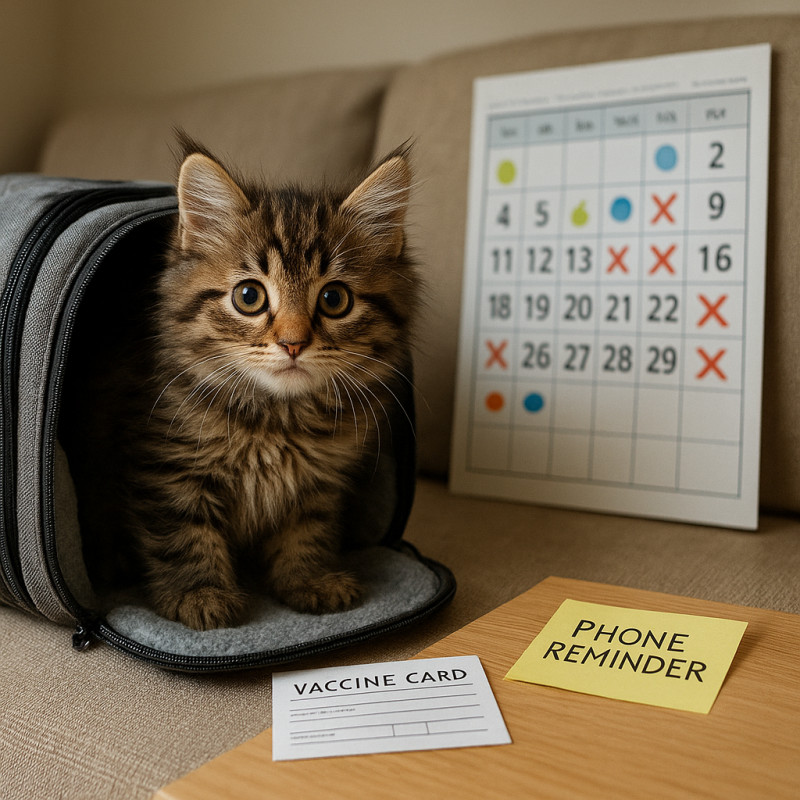
Practice low-stress handling at home: get your cat comfortable with carriers and short car rides so vet visits are easier. Keep records of your cat’s vaccines and set reminders on your phone for boosters.
What clinics, communities, and policymakers can do
Clinics can set aside technician-led vaccine blocks and offer clear, bundled pricing to keep preventive care available. Automated reminders and scheduling tools help owners stay on time.
Community groups and cities can map veterinary deserts and host regular low-cost vaccine events in those areas. Pairing vaccines with microchipping and spay/neuter sign-ups boosts overall pet health.
Policymakers can modernize rules to allow safe teletriage and expand technician roles while preserving the veterinarian–client–patient relationship. That balance lets teams vaccinate more pets safely without lowering standards.
Bottom line
Many cats are missing vaccines because clinics are short-staffed, costs are rising, and accessing care is harder than it used to be. Cats’ historical underuse of preventive care makes the problem worse.
The good news is there are proven fixes: mobile clinics, low-cost community events, payment flexibility, cat-friendly handling, and smarter use of the veterinary team. Together, these approaches can help kittens finish their series and keep adult cats protected on time.
If you care for a cat, schedule vaccines early, ask about low-cost options, and use reminders. Small steps now can prevent serious illness later and keep both cats and people safer.
Learn more
For more on vaccine recommendations and public-health risks, see resources from the AAFP and the CDC, and for information on workforce trends check veterinary industry reports.
Search our cat listings!
Back to pet blog