
Class‑Action Watch: How Recent Pet‑Food Lawsuits Affect Your Cat — and How to Protect Them
Search our cat listings!
Class‑Action Watch: How Recent Pet‑Food Lawsuits Affect Your Cat — and How to Protect Them
Pet food lawsuits might sound like adult paperwork, but they matter to every cat owner. Contamination cases and label‑claim lawsuits can point to real safety problems or confusing marketing that hides risks. This post explains the big issues in plain language and gives easy, practical steps to keep your cat safer.
Why these lawsuits matter to cat owners
These suits focus on two things: contaminants that can make pets and people sick, and marketing claims that may be misleading. Cat biology is different from dogs, so some problems (like vitamin D or specific toxins) can be especially dangerous for cats. Lawsuits often lead to recalls, settlements, or better testing by companies — but they also show gaps in how food is made and labeled.Contaminants to know about (and what they do)
A few contaminants come up again and again: aflatoxin (a mold toxin), Salmonella (a bacteria), pentobarbital (a drug used for euthanasia), and excess vitamin D. Aflatoxin can cause liver damage and sudden death, Salmonella can cause vomiting and diarrhea and can spread to people, pentobarbital is a severe contaminant that led to criminal charges, and too much vitamin D can cause kidney damage.Recent cases: quick summaries and why they matter
Midwestern Pet Foods had aflatoxin and Salmonella findings that resulted in an FDA warning and a class‑action settlement; the problem showed how shared supply chains can affect many brands. Mid America Pet Food issued large Salmonella recalls in late 2023 and faced class actions alleging illness and death. Pentobarbital contamination triggered criminal and civil action against manufacturers and highlighted the risk from poorly controlled meat sourcing. High vitamin D levels in some past recalls taught the industry about premix controls and testing needs.What label‑claim lawsuits are changing
Lawsuits challenge words like “natural,” “wild‑caught,” “free‑run,” and “no by‑products” when companies don’t back them up. Some famous suits led brands to change labels or add more detail about sourcing. Other actions questioned “prescription‑only” marketing and pushed for refunds but didn’t remove the prescription model entirely. The lesson: marketing can be persuasive, but it isn’t the same as proof of safety or quality.How these cases affect your cat right now
You might get a refund or vet cost reimbursement if a settlement applies, but those windows close quickly. More importantly, lawsuits push brands to publish testing, audits, and corrective actions, which you can use to choose foods. Remember that social media can spread rumors; always check FDA recall pages or the company’s official statements before changing your cat’s diet suddenly.Simple steps to protect your cat (practical checklist)
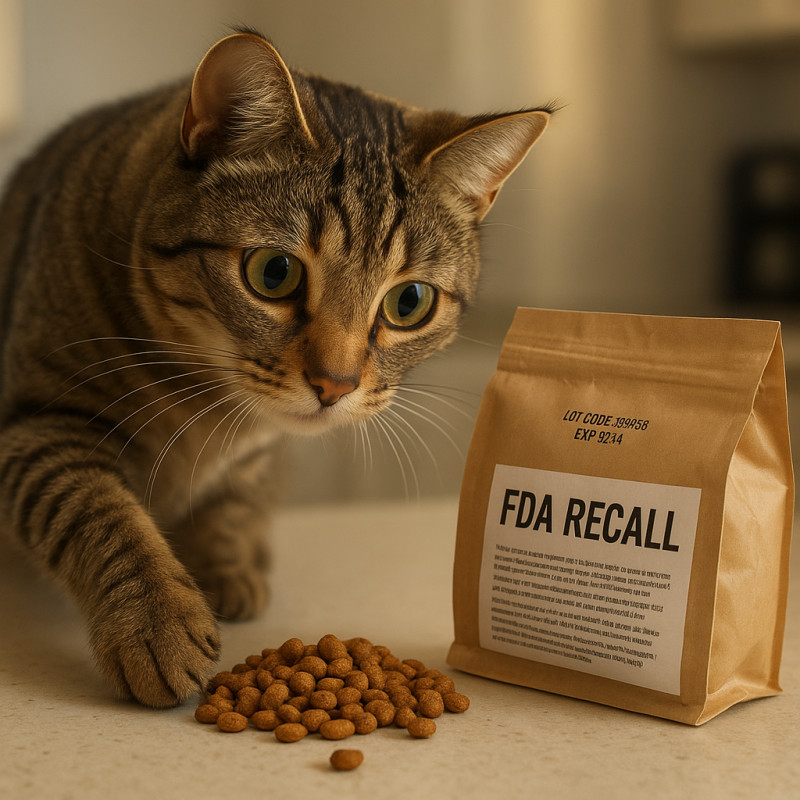
- Keep packaging and lot codes for 12–18 months; photograph them when you open a new bag or can.
- Check FDA recall pages and the brand’s safety/quality pages before buying and periodically after purchase.
- Rotate among 2–3 trusted brands or protein sources to reduce single‑batch risk; switch slowly over 7–10 days.
- Store food in original packaging inside airtight containers; wash and dry containers between bags and avoid mixing new/old kibble.
- Handle raw or freeze‑dried foods carefully: sanitize surfaces and tools and keep them away from children and immunocompromised people.
- Wash hands and bowls after feeding; for raw diets assume higher risk of Salmonella or Listeria shedding.
- Ask brands for COAs, third‑party test results, and supplier audit details; credible companies publish testing methods and action limits.
- Report suspected food‑related illness to the manufacturer and the FDA Safety Reporting Portal and keep leftover food for testing if possible.
- Check settlement portals (e.g., pet food settlements) if your brand was named — you may be eligible for reimbursement.
How to read labels without getting tricked
Marketing phrases can be vague. Look for specifics: which fish species were used, where the fish were caught, whether chicken is truly “free‑run,” and whether meat comes from USDA‑inspected suppliers. Trust brands that publish Certificates of Analysis (COAs), describe lab methods (like LC‑MS/MS for toxins or ICP‑MS for metals), and show trend data over time rather than a single test.Format‑specific risks for cats
Dry kibble can be vulnerable to mycotoxins like aflatoxin because of grain storage issues. Canned foods rely heavily on meat supply chains, so adulteration (like pentobarbital) is a danger if suppliers aren’t vetted. Raw and freeze‑dried diets carry higher risks of Salmonella and Listeria and need strict handling. Match your household’s risk tolerance (kids, elderly, immunocompromised) to the type of food you choose.If you suspect your cat is sick from food
Stop feeding the suspected food, save the package with lot codes, and contact your veterinarian right away. If your vet suspects contamination, ask about testing and keep receipts and vet bills for potential claims. File a report with the FDA and the manufacturer — documented reports make it easier to trace outbreaks and can help with settlement claims.What to watch going forward
Expect more lawsuits about sustainability, heavy metals, and “human‑grade” claims as consumers demand transparency. Brands investing in real traceability and routine third‑party testing will probably stand out. Regulatory updates from the FDA and model rules from AAFCO may redefine how companies can label foods.Bottom line
Lawsuits have pushed pet food companies to be clearer about safety and sourcing, and that helps your cat. You can protect your pet by keeping records, checking recalls, rotating foods thoughtfully, and choosing brands that share their testing and supplier data. Those simple habits lower risk and give you a stronger case if something goes wrong.For official recall pages and settlement information, check the FDA and settlement administrators: FDA Midwestern Pet Foods warning and petfoodsettlement.com.
Search our cat listings!
Back to pet blog