
7 Available Horses
Are you looking to bring home a horse? PetCurious makes it easy to search for the perfect horse near you. Adopters also look for Quarterhorses, Tennessee Walkers and Standardbreds, which are the most listed breeds.
About Horse
Welcome to the hub for all things horse-related. Whether you are looking to adopt, buy, rescue, or rehome a horse, this page is your go-to resource. Visitors can browse current listings below or learn more about what to expect when bringing a horse into your life.
How Horse Works
When it comes to acquiring a horse, there are various avenues to explore such as adoption, sale, rescue, or rehoming. Each method has its own set of considerations, from responsible sourcing to long-term care. Whether you are adopting, buying, or rescuing a horse, the process typically involves contacting the relevant party, reviewing health and care information, and ensuring your home is ready for the new addition.
Choosing The Right Horse
Selecting the right horse involves evaluating factors like lifestyle compatibility, your level of experience, the time you can commit, and understanding the long-term responsibilities of horse ownership. Consider the horse's temperament, activity level, and care requirements to ensure a harmonious relationship and a fulfilling ownership experience.
Care And Ownership Basics
Owning a horse entails providing proper habitat, appropriate feeding, regular health check-ups, grooming, mental enrichment, and avoiding common mistakes. Ensure the horse has a suitable living environment, a nutritious diet, grooming sessions, and access to mental and physical stimulation. Being a responsible owner involves constant care and attention to your horse's well-being.
Common Horse Categories
Horses are categorized based on size, temperament, activity level, care requirements, and suitability to living environments. Common categories include breed type, activity focus, temperament, and level of experience required. For example, horses can be classified as ponies, light horses, heavy horses, or based on their specific use such as working horses, riding horses, or companion animals.
Browse Popular Horse Breeds
Search Available Horses
Animal
Categories
Let us search for you!
We'll email you when we find new animals.
Receive
updates for
1 to 7 of 7 found horse listings
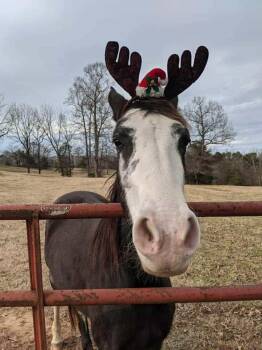


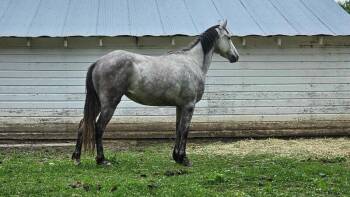
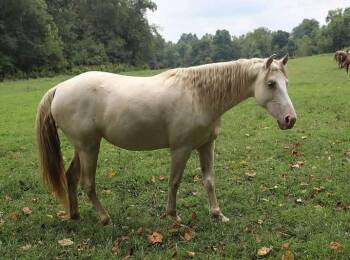


Questions & Answers
1) Is the horse a good fit for first-time owners?
Horses can be a challenging choice for first-time owners due to their size, care needs, and training requirements.
2) What level of daily care and maintenance does a horse require?
Horses need daily feeding, grooming, exercise, and regular medical check-ups to thrive.
3) What health or care considerations are common for horses?
Common health concerns for horses include colic, lameness, dental issues, and parasites. Routine vaccinations and deworming are essential for their well-being.
4) What living environment is suitable for horses?
Horses require ample space to graze, move around, and shelter from the elements. A secure pasture or paddock with access to fresh water and adequate fencing is essential.
5) What is the typical lifespan of a horse and long-term commitment involved?
Horses can live into their 20s or even 30s with proper care. Owning a horse is a long-term commitment that includes financial, time, and emotional investments.
6) Are horses compatible with children or other pets?
Horses can be suitable for children under proper supervision and with appropriate training. They may coexist with other pets, but introductions should be gradual and controlled.
ABOUT THE HORSE BREEDS
GRADE
The horse breed 'grade' is a type of horse that does not belong to a specific breed registry. Grades are typically a mix of various breeds, often resulting in unique and versatile individuals with a wide range of characteristics. While they may not have a documented pedigree, grades are valued for their adaptability, hardiness, and diverse skill sets, making them popular among riders for a variety of disciplines and purposes.
The horse breed 'grade' is a type of horse that does not belong to a specific breed registry. Grades are typically a mix of various breeds, often resulting in unique and versatile individuals with a wide range of characteristics. While they may not have a documented pedigree, grades are valued for their adaptability, hardiness, and diverse skill sets, making them popular among riders for a variety of disciplines and purposes.
QUARTERHORSE
The Quarter Horse is a versatile and popular breed known for its strength, agility, and speed, making it ideal for a variety of disciplines such as ranch work, rodeo events, and racing. With a muscular build, compact frame, and powerful hindquarters, the Quarter Horse excels in short-distance sprints and quick maneuvers. Known for their gentle demeanor and intelligence, they are valued for their versatility and adaptability, making them a top choice for riders of all skill levels and disciplines.
The Quarter Horse is a versatile and popular breed known for its strength, agility, and speed, making it ideal for a variety of disciplines such as ranch work, rodeo events, and racing. With a muscular build, compact frame, and powerful hindquarters, the Quarter Horse excels in short-distance sprints and quick maneuvers. Known for their gentle demeanor and intelligence, they are valued for their versatility and adaptability, making them a top choice for riders of all skill levels and disciplines.

ROCKY MOUNTAIN HORSE
The Rocky Mountain Horse is a versatile and gentle breed known for its smooth gait, calm temperament, and striking appearance. Originating in the Appalachian region of Kentucky, these horses are prized for their endurance, surefootedness, and friendly disposition. With a medium build, luxurious mane and tail, and a distinctive chocolate coat with a flaxen mane, Rocky Mountain Horses excel in both trail riding and driving disciplines. This breed's admirable qualities make them a popular choice for riders of all levels looking for a reliable and enjoyable mount.
The Rocky Mountain Horse is a versatile and gentle breed known for its smooth gait, calm temperament, and striking appearance. Originating in the Appalachian region of Kentucky, these horses are prized for their endurance, surefootedness, and friendly disposition. With a medium build, luxurious mane and tail, and a distinctive chocolate coat with a flaxen mane, Rocky Mountain Horses excel in both trail riding and driving disciplines. This breed's admirable qualities make them a popular choice for riders of all levels looking for a reliable and enjoyable mount.

STANDARDBRED
The Standardbred is a versatile and athletic horse breed known for its speed, strength, and endurance. Originating in the United States in the 19th century, these horses are primarily bred for harness racing, where they showcase their unique pacing gait. Standardbreds are intelligent, gentle, and easy to train, making them popular choices for various equestrian disciplines beyond just racing. With a strong build and a docile temperament, Standardbreds are beloved for their reliability and versatility in both competitive and recreational settings.
The Standardbred is a versatile and athletic horse breed known for its speed, strength, and endurance. Originating in the United States in the 19th century, these horses are primarily bred for harness racing, where they showcase their unique pacing gait. Standardbreds are intelligent, gentle, and easy to train, making them popular choices for various equestrian disciplines beyond just racing. With a strong build and a docile temperament, Standardbreds are beloved for their reliability and versatility in both competitive and recreational settings.
TENNESSEE WALKER
The Tennessee Walker is a popular breed known for its smooth, unique four-beat running walk gait, making it a favorite among trail riders and pleasure riders. Originating in the southern United States, they are admired for their gentle disposition, intelligence, and versatility. Tennessee Walkers are typically tall and elegant with a well-arched neck, strong hindquarters, and a naturally stylish way of going. They excel in various disciplines, including trail riding, endurance, and western pleasure, making them a valued and versatile breed in the equestrian world.
The Tennessee Walker is a popular breed known for its smooth, unique four-beat running walk gait, making it a favorite among trail riders and pleasure riders. Originating in the southern United States, they are admired for their gentle disposition, intelligence, and versatility. Tennessee Walkers are typically tall and elegant with a well-arched neck, strong hindquarters, and a naturally stylish way of going. They excel in various disciplines, including trail riding, endurance, and western pleasure, making them a valued and versatile breed in the equestrian world.
LATEST PET BLOGS
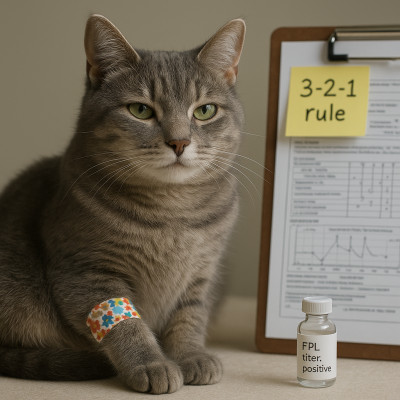
VACCINE MISINFORMATION AND YOUR CAT: SEPARATING MYTHS FROM MEDICINE
Learn how to sort online vaccine claims from evidence-based medicine for your cat. This friendly guide explains core vs non-core vaccines, risks, titers, injection-site sarcomas, and how to talk with your vet using modern guidelines.
Learn how to sort online vaccine claims from evidence-based medicine for your cat. This friendly guide explains core vs non-core vaccines, risks, titers, injection-site sarcomas, and how to talk with your vet using modern guidelines.
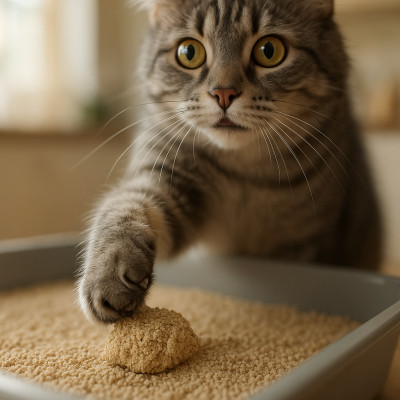
TOFU CAT LITTER TESTED: THE ECO-FRIENDLY LITTER TREND EXPLAINED
Curious about tofu cat litter? Learn how it clumps, controls odor, tracks, and whether it's safe for sensitive cats — plus tips for switching and daily care.
Curious about tofu cat litter? Learn how it clumps, controls odor, tracks, and whether it's safe for sensitive cats — plus tips for switching and daily care.

TURNING LIKES INTO LIFESAVERS: HOW NATIONAL DOG DAY CAMPAIGNS SAVE DOGS WITH SOCIAL MEDIA
Learn how rescues turn National Dog Day attention into real donations, fosters, volunteers and adoptions with a six-week social campaign playbook that uses donation-native tools, creators, and fast follow-up.
Learn how rescues turn National Dog Day attention into real donations, fosters, volunteers and adoptions with a six-week social campaign playbook that uses donation-native tools, creators, and fast follow-up.

SHRINK YOUR PUP’S CARBON PAWPRINT: EASY ECO SWAPS FOR FOOD, TOYS & GROOMING
Learn simple, science-backed swaps to make your dog more eco-friendly. This guide covers lower-impact foods, durable toys, greener grooming, and smarter waste habits that cut your pup's carbon pawprint while keeping them healthy and happy.
Learn simple, science-backed swaps to make your dog more eco-friendly. This guide covers lower-impact foods, durable toys, greener grooming, and smarter waste habits that cut your pup's carbon pawprint while keeping them healthy and happy.

QUIET THE BARK: POSITIVE, VET‑BACKED WAYS AND TECH TOOLS TO STOP EXCESSIVE BARKING
Vet-backed, humane strategies and tech tools to reduce excessive barking without punishment. Identify causes, manage triggers, and train calm, quiet behavior.
Vet-backed, humane strategies and tech tools to reduce excessive barking without punishment. Identify causes, manage triggers, and train calm, quiet behavior.

FAKE FOOD ALERT: HOW TO SPOT COUNTERFEIT OR MISLABELED FRISKIES & FANCY FEAST AND BUY SAFELY
Learn how to spot counterfeit, gray-market, or mislabeled Friskies and Fancy Feast cat food listings, where to buy safely, what to check when your order arrives, and what to do if something seems wrong.
Learn how to spot counterfeit, gray-market, or mislabeled Friskies and Fancy Feast cat food listings, where to buy safely, what to check when your order arrives, and what to do if something seems wrong.