
Buy in Bulk, Save Smarter: How to Store Cat Kibble, Pâtés & Single‑Serve Packs
Search our cat listings!
Why good storage matters
Good storage keeps fats, vitamins, and flavor from breaking down. Heat, light, air, and moisture make kibble go rancid and wet food spoil. Storing food right keeps your cat eating well and saves you money by preventing waste.
Cats near Atlanta

DIANE
Domestic Short Hair
🇺🇸
Sandy Springs, Georgia
female, small, young
Domestic Short Hair
Sandy Springs, Georgia

RYDER
Domestic Short Hair
🇺🇸
Powder Springs, Georgia
male, large, young
Domestic Short Hair
Powder Springs, Georgia
FINN(653)
Domestic Short Hair
🇺🇸
Marietta, Georgia
male, large, adult
Domestic Short Hair
Marietta, Georgia
CD
Domestic Short Hair
🇺🇸
Sandy Springs, Georgia
female, small, baby
Domestic Short Hair
Sandy Springs, Georgia
KEEBLER
Domestic Short Hair
🇺🇸
Sandy Springs, Georgia
female, medium, young
Domestic Short Hair
Sandy Springs, Georgia
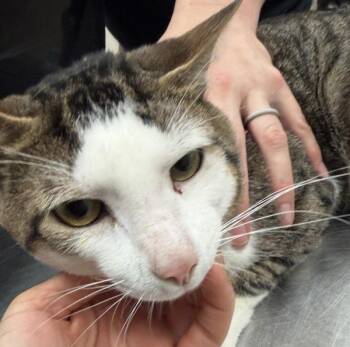
PETER(610)
Domestic Short Hair
🇺🇸
Marietta, Georgia
male, medium, adult
Domestic Short Hair
Marietta, Georgia

BONNIE - SO SWEET/MOSTLY BLIND
Domestic Medium Hair, Domestic Short Hair
🇺🇸
Atlanta, Georgia
female, medium, young
Domestic Medium Hair, Domestic Short Hair
Atlanta, Georgia

KALANI
Calico, Domestic Short Hair
🇺🇸
Fayetteville, Georgia
female, medium, young
Calico, Domestic Short Hair
Fayetteville, Georgia
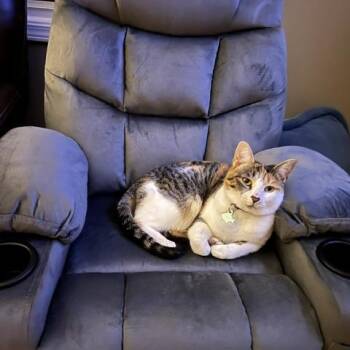
GINA
Domestic Short Hair
🇺🇸
Sandy Springs, Georgia
female, small, adult
Domestic Short Hair
Sandy Springs, Georgia
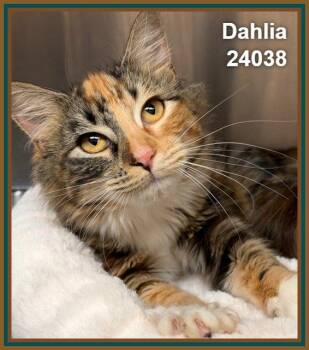
DAHLIA
Domestic Medium Hair, Torbie
🇺🇸
Marietta, Georgia
female, medium, young
Domestic Medium Hair, Torbie
Marietta, Georgia
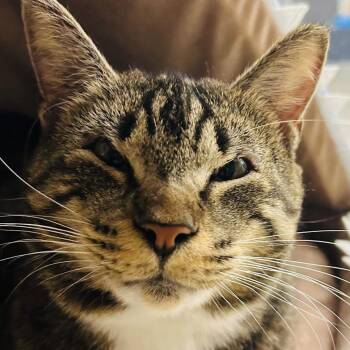
JERI
Domestic Short Hair
🇺🇸
Sandy Springs, Georgia
female, medium, adult
Domestic Short Hair
Sandy Springs, Georgia
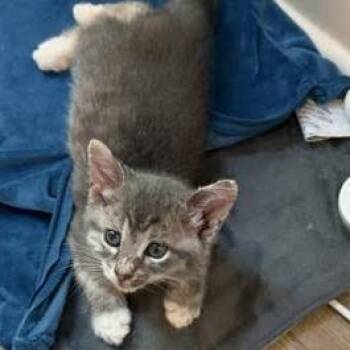
BELLE
Domestic Short Hair
🇺🇸
Fayetteville, Georgia
female, small, baby
Domestic Short Hair
Fayetteville, Georgia
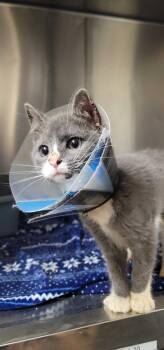
ROLLBACK
Domestic Short Hair
🇺🇸
Marietta, Georgia
male, small, baby
Domestic Short Hair
Marietta, Georgia
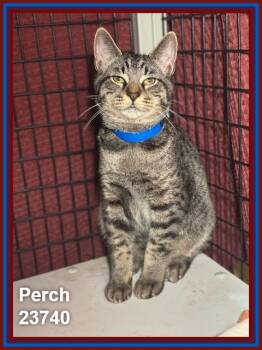
PERCH (SEE ALSO ARISTO AND CEFIRO)
Domestic Short Hair, Tabby
🇺🇸
Marietta, Georgia
male, medium, young
Domestic Short Hair, Tabby
Marietta, Georgia
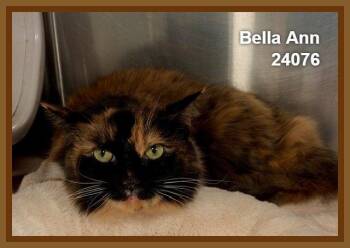
BELLA ANN (SEE ALSO SOPHIA GRACE)
Domestic Short Hair, Calico
🇺🇸
Marietta, Georgia
female, medium, adult
Domestic Short Hair, Calico
Marietta, Georgia
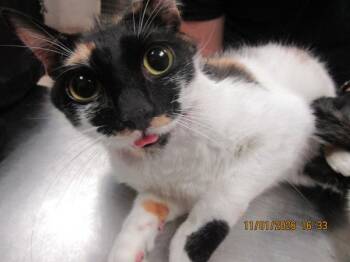
TWILIGHT(653)
Domestic Short Hair
🇺🇸
Marietta, Georgia
female, large, adult
Domestic Short Hair
Marietta, Georgia
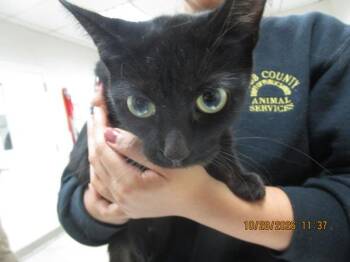
(662)
Domestic Short Hair
🇺🇸
Marietta, Georgia
female, medium, young
Domestic Short Hair
Marietta, Georgia
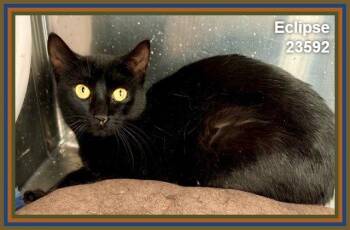
ECLIPSE
Domestic Short Hair
🇺🇸
Marietta, Georgia
female, medium, young
Domestic Short Hair
Marietta, Georgia
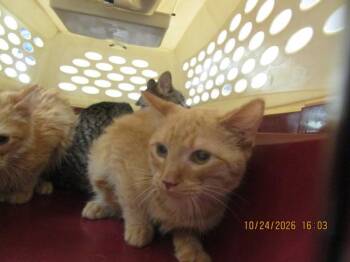
(710) 11.09.26
Domestic Short Hair
🇺🇸
Marietta, Georgia
male, medium, baby
Domestic Short Hair
Marietta, Georgia

PICKLE
Domestic Short Hair
🇺🇸
Sandy Springs, Georgia
male, small, young
Domestic Short Hair
Sandy Springs, Georgia
Quick rules to remember
Store all pet food in a cool, dry place and avoid direct sunlight. Keep dry food under about 80°F/27°C when you can. For wet food, refrigerate opened cans or pouches and follow the brand's guidance on how long to use them.
Storing pâtés and wet foods (cans, pouches, trays)
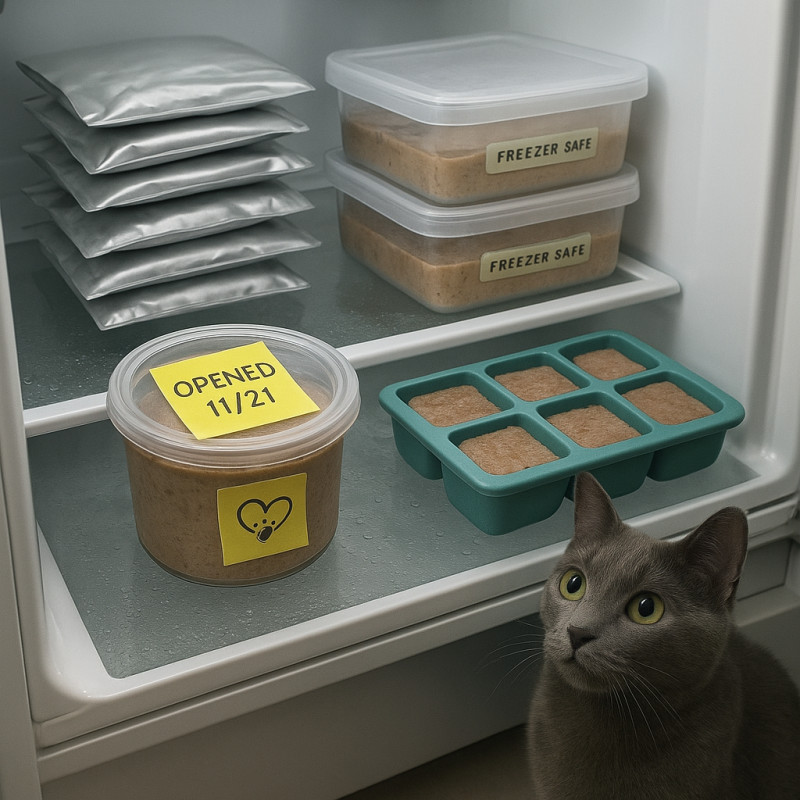
Unopened cans and pouches belong in a cool cupboard away from heat and sun. Once opened, cover the food, refrigerate at or below 40°F/4°C, and use within the brand's stated days—usually 2–7 days. Don’t leave wet food sitting in the bowl more than 2 hours in warm weather; stick to a 2-hour rule if you are unsure.
Tips for handling refrigerated wet food
Use a tight-fitting plastic lid or an airtight container to avoid fridge odors and oxidation. If your cat likes food warm, put the sealed portion in a warm-water bath to take the chill off. Avoid microwaving in the can because microwaves make hot spots and can harm taste.
Freezing wet food to cut waste
Freezing leftover wet food is an option if you get partial cans often. Portion into small silicone trays or containers, freeze quickly, then thaw overnight in the fridge. Expect slight texture change, use thawed portions within 24–48 hours, and never refreeze.
Storing dry food (kibble) the smart way
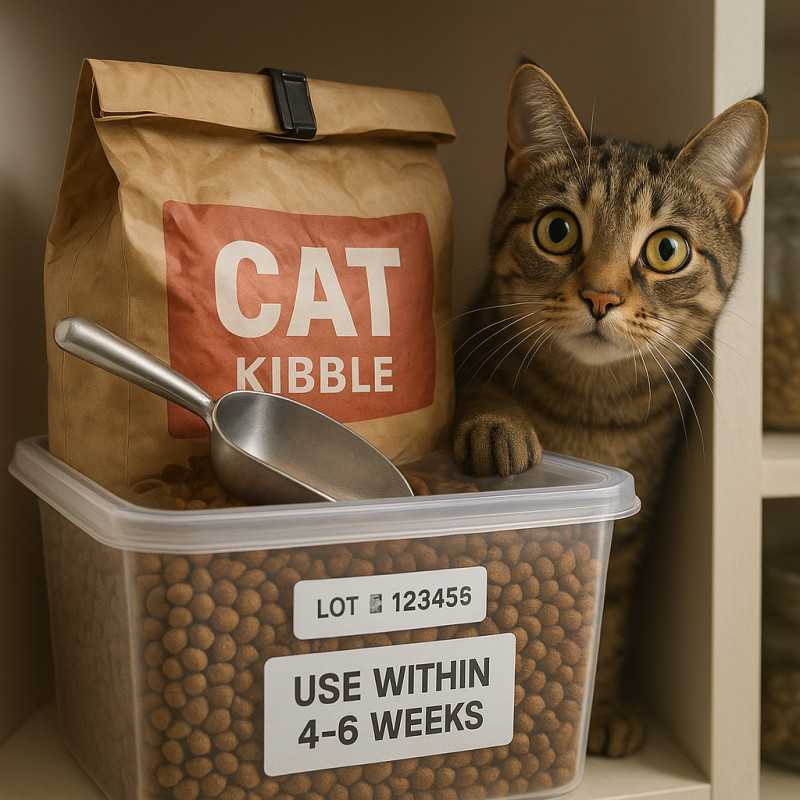
Keep kibble in its original bag because the bag is designed to block air and grease and holds the lot number. Roll and clip the bag closed, then place the bag inside a clean, airtight bin for pest and moisture protection. Do not dump new kibble on top of old inside a bin without washing and fully drying the bin first.
How long is kibble fresh after opening?
Aim to finish an opened bag within about 4–6 weeks for best flavor and nutrition. If you buy a huge bag and it will take months to finish, consider buying a smaller bag or multiple small bags instead. Heat and humidity speed rancidity, so choose a cool, dry spot to store kibble.
Why not freeze kibble
Most manufacturers do not recommend freezing dry food because condensation can form when thawing and invite mold. Freezing may also change the taste coating that makes kibble tasty. Stick to cool, dry storage and airtight containers instead.
Single‑serve pouches and trays
Treat unopened single-serve packs like cans—store cool and dry. If you open a pouch and have leftovers, cover and refrigerate the leftover just like canned pâté. Use opened single-serve portions within the same short timeframe you would a can, and label the date.
Hygiene and safety basics
Wash your hands after handling pet food and clean scoops, bowls, and food surfaces regularly. Use a dedicated scoop and don’t use the cat’s bowl as a scoop. Inspect food before feeding and throw away anything with mold, bugs, bulging cans, or an off smell.
Keep records for recalls and rotation
Hold onto the original bag or take a photo of the lot number and best-by date so you can act quickly if there’s a recall. Use first-in, first-out rotation: put new purchases behind older ones and check dates before using. This simple habit reduces waste and keeps food fresher.
Practical buying tips to avoid waste
Match bag sizes to how fast you go through food and plan so wet cans get used quickly. If you feed both kibble and wet, buy smaller wet cans or many single-serve packs and a kibble bag you can finish in a month or so. If you always have leftovers, pre-portion and freeze wet servings or choose smaller package sizes.
Quick checklists
- Pâtés/wet food: Cover after opening, refrigerate ≤40°F/4°C, use in 2–7 days, don’t leave out >2 hours.
- Kibble: Keep in original bag inside a clean airtight bin, store under 80°F/27°C, finish bag in 4–6 weeks, don’t top off without washing the bin.
- Single-serve: Store unopened cool/dry, refrigerate leftovers and use within a few days, follow the 2-hour rule for bowls.
Troubleshooting common problems
If kibble smells oily or your cat refuses it, the food may be rancid—stop feeding and replace it. If you see condensation in a bin, move the food to a drier, cooler spot and clean the container before refilling. For bubbly or sour-smelling wet food, toss it and follow shorter refrigeration windows next time.
Where to learn more
Trusted sources like the FDA and pet food makers provide storage guidance and safety tips. For product-specific instructions, check the label or the brand’s website for best-by dates and refrigeration recommendations. Keeping food safe and fresh is mostly about time, temperature, and good containers.
Bottom line
Buying in bulk can save money if you store food the right way. Keep dry food cool and sealed in its original bag inside an airtight bin, and refrigerate and use wet food quickly. With a little planning and clean habits, you protect your cat’s nutrition and cut waste.
Search our cat listings!
Back to pet blog