
Vet-Approved DIY Dog Meals: Make Safe, Balanced Homemade Food (Without Falling for Viral Recipes)
Search our dog listings!
Why this matters
Many online DIY dog-food recipes look tempting but are often missing important nutrients. Peer-reviewed research found most home recipes were incomplete, especially for minerals like calcium and vitamins like D. Feeding an unbalanced diet long-term can cause bone, skin, immune, or growth problems. Precision—not popularity—keeps homemade diets safe.
Dogs near Wichita
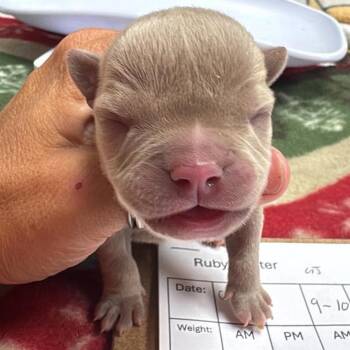
SLATE
Pit Bull Terrier
🇺🇸
Wichita, Kansas
male, small, baby
Pit Bull Terrier
Wichita, Kansas
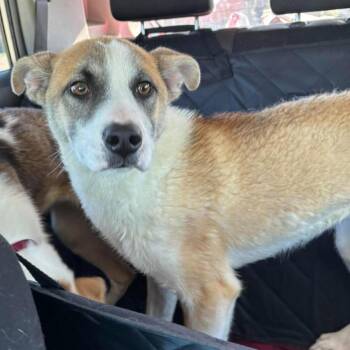
STITCH
Mixed Breed
🇺🇸
Wichita, Kansas
male, medium, baby
Mixed Breed
Wichita, Kansas
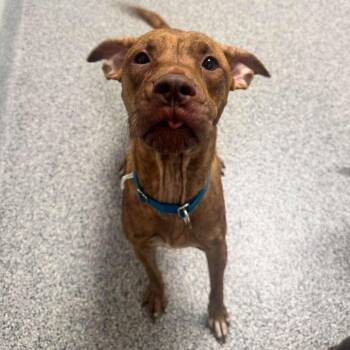
ELIZA
Pit Bull Terrier
🇺🇸
Wichita, Kansas
female, medium, adult
Pit Bull Terrier
Wichita, Kansas

BELLA
Yorkshire Terrier
🇺🇸
Wichita, Kansas
female, small, adult
Yorkshire Terrier
Wichita, Kansas
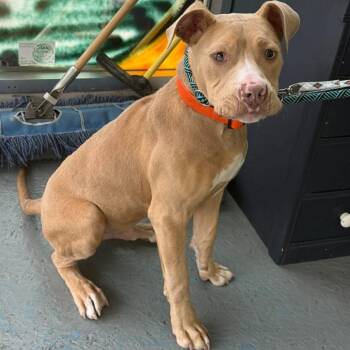
BUBBLES
Pit Bull Terrier
🇺🇸
Wichita, Kansas
male, medium, young
Pit Bull Terrier
Wichita, Kansas

LILO
Mixed Breed
🇺🇸
Wichita, Kansas
female, medium, baby
Mixed Breed
Wichita, Kansas
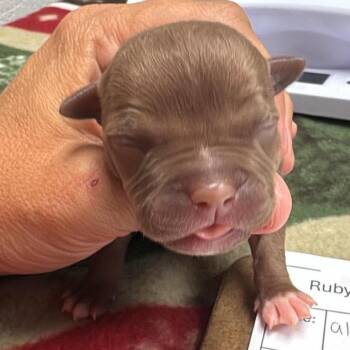
PEBBLES
Pit Bull Terrier
🇺🇸
Wichita, Kansas
female, small, baby
Pit Bull Terrier
Wichita, Kansas

SWEETIE PIE
Yorkshire Terrier
🇺🇸
Wichita, Kansas
female, small, adult
Yorkshire Terrier
Wichita, Kansas
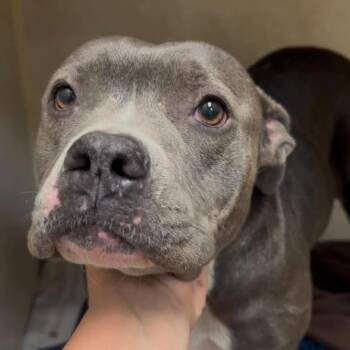
CAROLYN
Pit Bull Terrier
🇺🇸
Wichita, Kansas
female, medium, adult
Pit Bull Terrier
Wichita, Kansas

AUTUMN
Pit Bull Terrier, Mixed Breed
🇺🇸
Wichita, Kansas
female, small, young
Pit Bull Terrier, Mixed Breed
Wichita, Kansas

GERALD
Pit Bull Terrier
🇺🇸
Wichita, Kansas
male, small, baby
Pit Bull Terrier
Wichita, Kansas
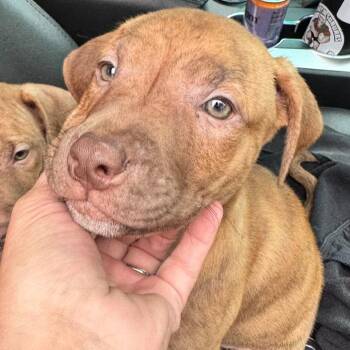
HOWARD
Pit Bull Terrier
🇺🇸
Wichita, Kansas
male, small, baby
Pit Bull Terrier
Wichita, Kansas

LOLITE
Pit Bull Terrier
🇺🇸
Wichita, Kansas
male, small, baby
Pit Bull Terrier
Wichita, Kansas

FENNEC
Chihuahua
🇺🇸
Wichita, Kansas
male, small, adult
Chihuahua
Wichita, Kansas
Big rules before you start
Start with a professionally formulated recipe or a board-certified veterinary nutritionist. Use gram weights, not cups, and buy the exact dog supplement the recipe calls for. Cook foods to safe temperatures and avoid raw diets because of bacteria risks. Puppies, pregnant dogs, and pets with illness need specialist oversight; don’t DIY those without an ACVN or ECVCN nutritionist.
Core principles of a safe DIY dog meal
- Use a vet-formulated recipe that meets AAFCO/NRC nutrient targets for your dog’s life stage.
- Weigh every ingredient with a digital kitchen scale to avoid big errors from cups/spoons.
- Include the specific canine vitamin-mineral supplement and calcium source listed in the recipe.
- Balance fats and add a measured marine omega-3 (EPA/DHA); avoid cod liver oil.
- Cook proteins to safe internal temperatures and practice strict kitchen hygiene.
How to build a balanced meal — step by step
Step 1: Gather your dog’s details: current and target weight, age, activity level, health conditions, and any food allergies. These facts determine calories and nutrient targets.
Step 2: Choose a formulation path. Best: a board-certified veterinary nutritionist. Good option for healthy adults: a veterinary-validated tool like BalanceIT. Commercial base mixes that meet standards can be a shortcut if used exactly as directed.
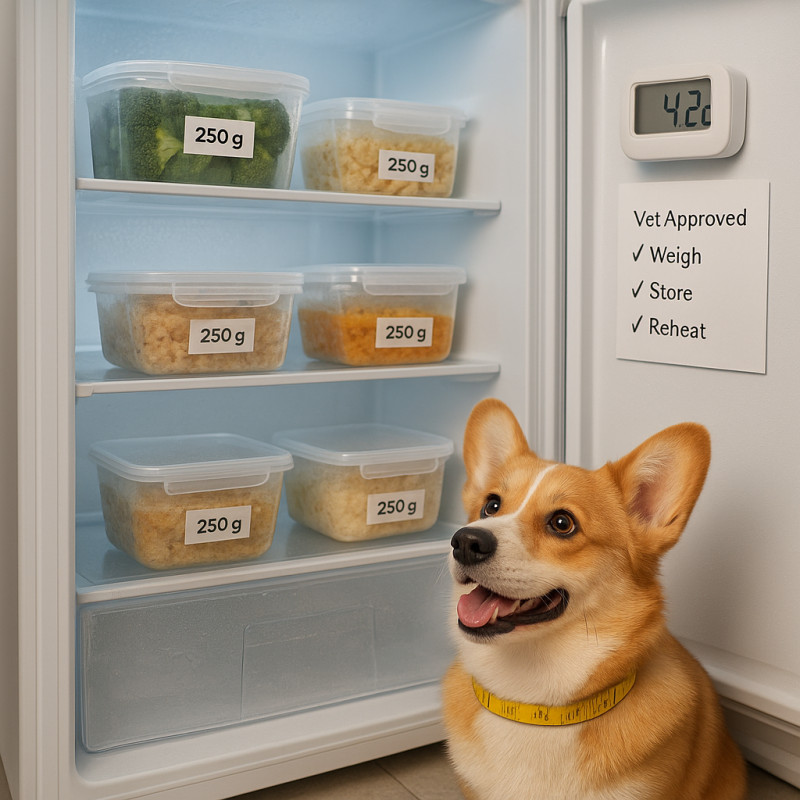
Step 3: Buy the right gear and ingredients. You’ll need an accurate kitchen scale, food thermometer, separate cutting boards for meat and produce, freezer-safe portion containers, and the exact supplement brand called for.
Step 4: Cook and mix precisely. Follow the recipe’s cooking states (e.g., cooked weight vs raw weight). Mix supplements and oils thoroughly so every portion is consistent. Weigh the total batch and divide into daily portions by grams or calories.
Step 5: Store and serve safely. Refrigerate portions within two hours and use within 2–3 days. Freeze extras and thaw in the refrigerator. Transition to the new diet over 5–7+ days in small steps to avoid stomach upset.
Important nutrition details explained simply
Calcium and phosphorus must be balanced. Meat alone is very low in calcium, so the recipe will usually add a precise calcium salt. Do not use bones to supply calcium; they are unsafe and inconsistent.
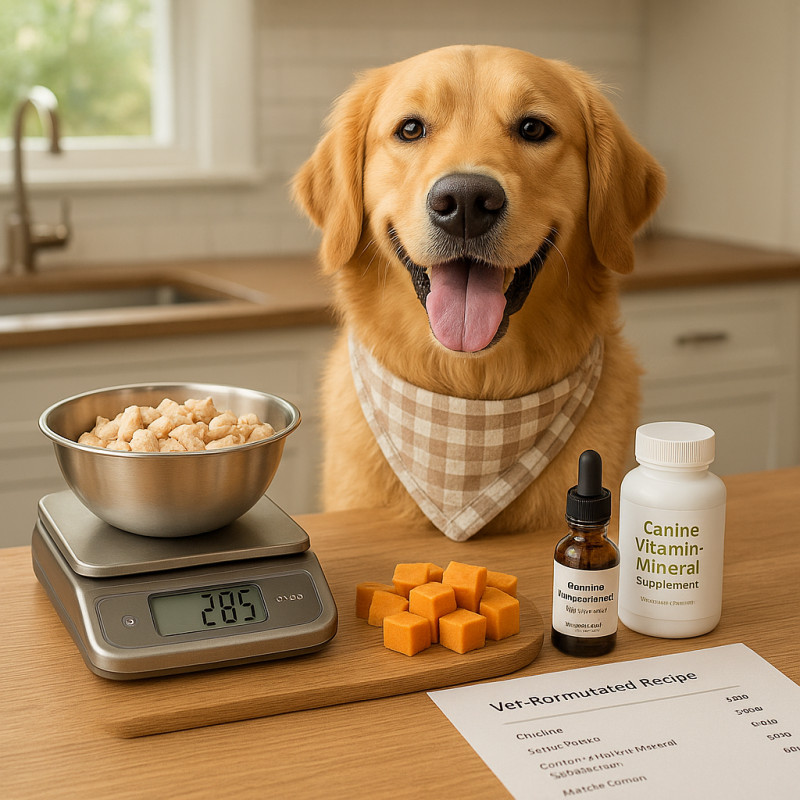
Many viral recipes miss iodine, zinc, vitamin D, vitamin E, and essential fatty acids. A dog-specific supplement is almost always needed. Human multivitamins are not a safe substitute.
Fats matter but are easy to misjudge. Oils are calorie-dense and can go rancid. Use measured fish or algal oil for EPA/DHA and store it cold and dark.
Food safety: avoid raw and other hazards
Major veterinary and public-health groups warn against raw diets because of Salmonella, Listeria, and E. coli risks to pets and people. Cook proteins to recommended safe temperatures and prevent cross-contamination during prep. Never feed toxic human foods like grapes, onions, garlic, xylitol, chocolate, macadamia nuts, or anything with alcohol or caffeine.
Life stages and medical conditions — be extra careful
Puppies, especially large-breed puppies, and pregnant or nursing dogs have narrow nutrient safety margins. Small mistakes in calcium or vitamin D can cause lifelong bone problems. Dogs with kidney, liver, heart, or GI disease need customized nutrient targets—do not use general DIY recipes for them.
How to spot a bad or viral recipe
- No vet nutritionist or no nutrient analysis shown.
- Vague measures like 'a cup' or 'a pinch' and no gram weights.
- No vitamin-mineral supplement listed or advice to use human vitamins.
- Includes raw meat/bones or unsafe ingredients (garlic, grapes, xylitol, cod liver oil).
- Claims a single diet cures many illnesses or fits every life stage.
Practical checklist before you feed
- Get a recipe made or approved by an ACVN/ECVCN or a validated tool.
- Buy the exact supplement and fish oil the recipe lists; don’t substitute without recalculation.
- Weigh ingredients and portion meals by grams or calories.
- Store safely, thaw in the fridge, and recheck weight/BCS regularly.
- See your vet every 6–12 months and run labs if recommended.
Final tips
A homemade meal can be healthy and rewarding when done correctly. The difference between safe and harmful homemade food is precision: the right recipe, exact weights, and the correct supplement. If you want to try DIY, start with a vet-formulated plan and keep your veterinarian in the loop. Your dog’s health depends on balanced nutrition, not viral popularity.
Helpful links
If you want to learn more, check the WSAVA Global Nutrition Guidelines and consider a vetted formulation tool like BalanceIT. For evidence showing why many home recipes are incomplete, see the JAVMA study on home-prepared diets.
Search our dog listings!
Back to pet blog