
Select animal and breed you want to learn more about
Tortoise Breed Directory: Browse Traits, Care & Adoption Guides
Intro
Tortoise breeds refer to the different types of tortoises that exist, each with unique characteristics and needs. Choosing the right tortoise breed is crucial as it ensures a harmonious match between the pet and the owner's lifestyle. This guide aims to provide valuable insights into various tortoise breeds, helping potential owners make informed decisions.
How Tortoise Breeds Differ
Tortoise breeds differ in size, energy level, temperament, grooming needs, trainability, and health considerations. Understanding these differences is essential for selecting a breed that aligns with your preferences and capabilities as an owner. By exploring these diverse traits, you can make a well-informed decision when choosing a tortoise companion.
Choosing The Right Tortoise Breed
Selecting the right tortoise breed involves considering factors such as lifestyle fit, time commitment, suitability for families versus single owners, first-time owner friendliness, activity level, and allergies or shedding tendencies. By evaluating these aspects carefully, you can identify a tortoise breed that matches your living situation and caregiving abilities, ensuring a happy and healthy relationship with your pet.
Common Tortoise Categories
Tortoises are often categorized based on shared traits like size, temperament, activity level, living environment suitability, and the experience level required for owners. These categories serve as general guidelines to help prospective owners narrow down their options before delving into specific breeds. It's important to note that while categories provide a starting point, individual tortoises within a category can still exhibit unique traits.
Tortoise Adoption Considerations
Adopting a tortoise is a commendable choice that benefits both the animal and the adopter. Understanding how breed traits can impact the success of adoption plays a crucial role in ensuring a smooth transition for the tortoise. Potential adopters should be prepared for the responsibilities that come with owning a tortoise, including providing proper care, a suitable habitat, and a lifelong commitment to the well-being of their new companion.
AFRICAN SPURRED TORTOISE
The African spurred tortoise, also known as the sulcata tortoise, is the third largest species of tortoise in the world, native to the southern edge of the Sahara desert in Africa. Known for their impressive size, unique shell patterns, and adaptability to arid environments, these tortoises are popular as pets despite their long lifespan and specific care requirements. With their herbivorous diet and remarkable digging abilities, African spurred tortoises play a vital role in their ecosystems as seed dispersers and soil aerators.
The African spurred tortoise, also known as the sulcata tortoise, is the third largest species of tortoise in the world, native to the southern edge of the Sahara desert in Africa. Known for their impressive size, unique shell patterns, and adaptability to arid environments, these tortoises are popular as pets despite their long lifespan and specific care requirements. With their herbivorous diet and remarkable digging abilities, African spurred tortoises play a vital role in their ecosystems as seed dispersers and soil aerators.
ALDABRA GIANT TORTOISE
The Aldabra giant tortoise is a remarkable species known for its impressive size, with individuals regularly exceeding 500 pounds. Endemic to the Aldabra Atoll in the Seychelles, these tortoises have a distinctive domed shell and a herbivorous diet consisting mainly of grasses and leaves. Their long lifespan, sometimes surpassing 100 years, coupled with a gentle demeanor, makes them a popular choice for conservation efforts and educational programs worldwide. As an iconic symbol of longevity and resilience, the Aldabra giant tortoise continues to capture the hearts of many with its majestic presence.
The Aldabra giant tortoise is a remarkable species known for its impressive size, with individuals regularly exceeding 500 pounds. Endemic to the Aldabra Atoll in the Seychelles, these tortoises have a distinctive domed shell and a herbivorous diet consisting mainly of grasses and leaves. Their long lifespan, sometimes surpassing 100 years, coupled with a gentle demeanor, makes them a popular choice for conservation efforts and educational programs worldwide. As an iconic symbol of longevity and resilience, the Aldabra giant tortoise continues to capture the hearts of many with its majestic presence.
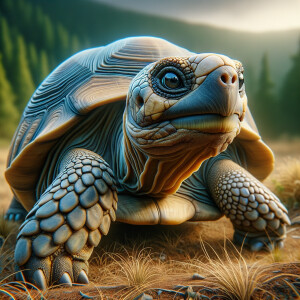
BELLS HINGEBACK TORTOISE
The Bell's hinge back tortoise, a small to medium sized species native to West Africa, is known for its unique shell design that allows for greater flexibility and mobility compared to other tortoise breeds. These omnivorous creatures have a varied diet that includes fruits, vegetables, and insects. Bell's hinge back tortoises prefer a warm, humid environment and are typically found in forested areas where they can burrow and hide to escape predators. With their docile nature and distinctive appearance, Bell's hinge back tortoises are popular pets among reptile enthusiasts.
The Bell's hinge back tortoise, a small to medium sized species native to West Africa, is known for its unique shell design that allows for greater flexibility and mobility compared to other tortoise breeds. These omnivorous creatures have a varied diet that includes fruits, vegetables, and insects. Bell's hinge back tortoises prefer a warm, humid environment and are typically found in forested areas where they can burrow and hide to escape predators. With their docile nature and distinctive appearance, Bell's hinge back tortoises are popular pets among reptile enthusiasts.
BOLSON TORTOISE
The Bolson tortoise, native to the arid Bolson de Mapimi region in Mexico, is a critically endangered species known for its distinct appearance and behavior. With a unique shell pattern and slow movement, these herbivorous tortoises play a crucial role in their ecosystem by dispersing seeds and shaping their habitat. Conservation efforts are underway to protect the remaining populations of Bolson tortoises, highlighting the need for sustainable practices to safeguard their future.
The Bolson tortoise, native to the arid Bolson de Mapimi region in Mexico, is a critically endangered species known for its distinct appearance and behavior. With a unique shell pattern and slow movement, these herbivorous tortoises play a crucial role in their ecosystem by dispersing seeds and shaping their habitat. Conservation efforts are underway to protect the remaining populations of Bolson tortoises, highlighting the need for sustainable practices to safeguard their future.
BRAZILIAN GIANT TORTOISE
The Brazilian Giant Tortoise, scientifically known as Chelonoidis denticulatus, is a remarkable species native to the Brazilian Amazon rainforest. These massive reptiles can reach sizes of over 40 inches in length and weigh up to 90 pounds. Known for their distinctive domed shells and herbivorous diet, these tortoises play a crucial role in maintaining the biodiversity of their ecosystem. Unfortunately, they face threats from habitat loss and human activities, highlighting the importance of conservation efforts to protect this magnificent species.
The Brazilian Giant Tortoise, scientifically known as Chelonoidis denticulatus, is a remarkable species native to the Brazilian Amazon rainforest. These massive reptiles can reach sizes of over 40 inches in length and weigh up to 90 pounds. Known for their distinctive domed shells and herbivorous diet, these tortoises play a crucial role in maintaining the biodiversity of their ecosystem. Unfortunately, they face threats from habitat loss and human activities, highlighting the importance of conservation efforts to protect this magnificent species.
BURMESE BROWN TORTOISE
The Burmese Brown Tortoise, a subspecies of the Indian Star Tortoise, is a stunning reptile known for its unique brown shell pattern and gentle temperament. Originating from the forests of Myanmar, these tortoises thrive in warm, humid climates and are primarily herbivores. Their distinctive markings and manageable size make them popular among reptile enthusiasts, but the Burmese Brown Tortoise requires specialized care to ensure its health and longevity in captivity. Careful attention to diet, temperature, and habitat quality are crucial for these elegant creatures to flourish.
The Burmese Brown Tortoise, a subspecies of the Indian Star Tortoise, is a stunning reptile known for its unique brown shell pattern and gentle temperament. Originating from the forests of Myanmar, these tortoises thrive in warm, humid climates and are primarily herbivores. Their distinctive markings and manageable size make them popular among reptile enthusiasts, but the Burmese Brown Tortoise requires specialized care to ensure its health and longevity in captivity. Careful attention to diet, temperature, and habitat quality are crucial for these elegant creatures to flourish.
BURMESE STAR TORTOISE
The Burmese star tortoise is a critically endangered species revered for its striking star like patterns on its shell. Native to Myanmar, this small to medium sized tortoise is known for its friendly demeanor, making it a popular choice among tortoise enthusiasts. With a herbivorous diet primarily consisting of leafy greens and fruits, the Burmese star tortoise requires a warm, humid environment to thrive. Conservation efforts are underway to protect and preserve this species from extinction.
The Burmese star tortoise is a critically endangered species revered for its striking star like patterns on its shell. Native to Myanmar, this small to medium sized tortoise is known for its friendly demeanor, making it a popular choice among tortoise enthusiasts. With a herbivorous diet primarily consisting of leafy greens and fruits, the Burmese star tortoise requires a warm, humid environment to thrive. Conservation efforts are underway to protect and preserve this species from extinction.
CHACO TORTOISE
The Chaco tortoise, scientifically known as Chelonoidis chilensis, is a species native to the Chaco region of South America. These tortoises are known for their domed shell, which can range in color from pale yellow to dark brown, and their gentle nature. They are herbivores, primarily feeding on grasses and leafy vegetation. Chaco tortoises are solitary creatures, often found in arid, scrubland habitats, where they dig burrows to escape the intense heat. These tortoises play a crucial role in maintaining the ecosystem by grazing on vegetation and dispersing seeds.
The Chaco tortoise, scientifically known as Chelonoidis chilensis, is a species native to the Chaco region of South America. These tortoises are known for their domed shell, which can range in color from pale yellow to dark brown, and their gentle nature. They are herbivores, primarily feeding on grasses and leafy vegetation. Chaco tortoises are solitary creatures, often found in arid, scrubland habitats, where they dig burrows to escape the intense heat. These tortoises play a crucial role in maintaining the ecosystem by grazing on vegetation and dispersing seeds.
CHELONOIDIS CARBONARIA
The chelonoidis carbonaria, commonly known as the Red footed tortoise, is a species of tortoise native to the forests of South America. These medium sized tortoises are known for their distinct red, orange, and yellow markings on their limbs, giving them their characteristic name. They are omnivores, feeding on a diet of fruits, vegetables, insects, and small animals. Chelonoidis carbonaria are popular as pets due to their docile nature and vibrant coloration, making them a unique and beloved addition to any reptile enthusiast's collection.
The chelonoidis carbonaria, commonly known as the Red footed tortoise, is a species of tortoise native to the forests of South America. These medium sized tortoises are known for their distinct red, orange, and yellow markings on their limbs, giving them their characteristic name. They are omnivores, feeding on a diet of fruits, vegetables, insects, and small animals. Chelonoidis carbonaria are popular as pets due to their docile nature and vibrant coloration, making them a unique and beloved addition to any reptile enthusiast's collection.
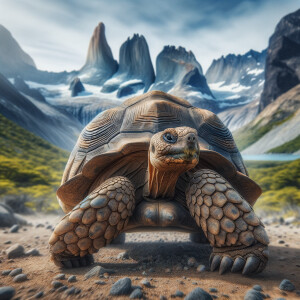
CHELONOIDIS CHILENSIS
Chelonoidis chilensis, commonly known as the Chilean tortoise, is a species of tortoise native to Chile. This breed is known for its striking appearance, featuring a domed shell and vibrant coloration. They are herbivores, primarily feeding on grasses and vegetation. Chelonoidis chilensis is a terrestrial tortoise, often found in arid regions, where they dig burrows to escape the heat. Due to habitat loss and poaching, these tortoises are classified as vulnerable, emphasizing the importance of conservation efforts to protect this unique species.
Chelonoidis chilensis, commonly known as the Chilean tortoise, is a species of tortoise native to Chile. This breed is known for its striking appearance, featuring a domed shell and vibrant coloration. They are herbivores, primarily feeding on grasses and vegetation. Chelonoidis chilensis is a terrestrial tortoise, often found in arid regions, where they dig burrows to escape the heat. Due to habitat loss and poaching, these tortoises are classified as vulnerable, emphasizing the importance of conservation efforts to protect this unique species.
CHELONOIDIS DENTICULATA
Chelonoidis denticulata, commonly known as the South American Yellow footed Tortoise, is a medium sized species native to the rainforests of South America. With distinctive yellow scales on its legs and head, this tortoise mainly feeds on vegetation and has a lifespan of over 50 years in captivity. Due to habitat destruction and illegal pet trade, they face conservation challenges. Known for their peaceful nature and resilience, chelonoidis denticulata are fascinating reptiles cherished by reptile enthusiasts worldwide.
Chelonoidis denticulata, commonly known as the South American Yellow footed Tortoise, is a medium sized species native to the rainforests of South America. With distinctive yellow scales on its legs and head, this tortoise mainly feeds on vegetation and has a lifespan of over 50 years in captivity. Due to habitat destruction and illegal pet trade, they face conservation challenges. Known for their peaceful nature and resilience, chelonoidis denticulata are fascinating reptiles cherished by reptile enthusiasts worldwide.
CHELONOIDIS NIGRA
The breed Chelonoidis nigra, commonly known as the Galapagos tortoise, is a fascinating species native to the Galapagos Islands. These large, slow moving reptiles are best known for their long lifespans, sometimes reaching over 100 years. Chelonoidis nigra is made up of 15 different subspecies, each displaying unique physical characteristics and behaviors. Unfortunately, they are classified as endangered due to habitat destruction and invasive species. Conservation efforts are underway to protect these remarkable creatures and ensure their survival for future generations.
The breed Chelonoidis nigra, commonly known as the Galapagos tortoise, is a fascinating species native to the Galapagos Islands. These large, slow moving reptiles are best known for their long lifespans, sometimes reaching over 100 years. Chelonoidis nigra is made up of 15 different subspecies, each displaying unique physical characteristics and behaviors. Unfortunately, they are classified as endangered due to habitat destruction and invasive species. Conservation efforts are underway to protect these remarkable creatures and ensure their survival for future generations.
Questions & Answers
1) Is the tortoise a good fit for first-time owners?
Tortoises can be a good fit for first-time owners as they are generally low maintenance and have specific care requirements that can be easily learned and provided.
2) What level of daily care and maintenance does a tortoise require?
Tortoises require daily feeding, access to clean water, monitoring of temperature and humidity levels in their enclosure, and regular inspections of their overall health.
3) What health or care considerations are common for tortoises?
Common health considerations for tortoises include respiratory infections, shell injuries, and nutritional deficiencies. Regular veterinary check-ups and a proper diet can help prevent these issues.
4) What living environment is suitable for a tortoise?
Tortoises need a spacious enclosure with proper heating, lighting, and substrate to mimic their natural habitat. Access to a sheltered area, hiding spots, and a shallow water dish is also important.
5) What is the lifespan or long-term commitment when owning a tortoise?
Tortoises are long-lived reptiles, with some species living up to 100 years or more. Owning a tortoise requires a long-term commitment to provide proper care throughout their lifetime.
6) Is a tortoise compatible with children or other pets?
Tortoises can be good pets for families with children, but supervision is necessary to ensure safe interaction. When it comes to other pets, compatibility can vary, and proper introductions and monitoring are essential.
LATEST PET BLOGS

FIV, FELV & FELINE HERPES EXPLAINED: SMART TESTING AND SAFE MULTI‑CAT LIVING
Clear, friendly guide to FIV, FeLV, and feline herpes: how each spreads, how tests work, retest timelines, and practical steps to keep multi‑cat households safe and happy.
Clear, friendly guide to FIV, FeLV, and feline herpes: how each spreads, how tests work, retest timelines, and practical steps to keep multi‑cat households safe and happy.

BEAT THE FUR: GROOMING, NUTRITION, AND HOME HACKS TO CUT DOG SHEDDING FOR GOOD
Cut visible dog shedding by 30–70% with a simple stack: coat-matching grooming, skin-and-coat nutrition, and home capture routines. Includes an 8-week plan and vet red flags.
Cut visible dog shedding by 30–70% with a simple stack: coat-matching grooming, skin-and-coat nutrition, and home capture routines. Includes an 8-week plan and vet red flags.

FROM SUPPLEMENTS TO SUPERFOODS: VETTING 'COMPLETE' DOG FOOD CLAIMS
Learn how to read dog food labels, check AAFCO/FEDIAF adequacy, ask the right questions of manufacturers, do simple nutrient math, and separate real nutrition from marketing superfood claims.
Learn how to read dog food labels, check AAFCO/FEDIAF adequacy, ask the right questions of manufacturers, do simple nutrient math, and separate real nutrition from marketing superfood claims.

CAN YOU TRUST WET FOOD LABELS? A SHOPPER'S GUIDE TO FRISKIES, FANCY FEAST, AND WHAT YOUR CAT REALLY NEEDS
Learn how to read wet cat food labels, what parts are regulated and reliable, and step-by-step tips to compare Friskies, Fancy Feast, and other canned foods for your cat's health.
Learn how to read wet cat food labels, what parts are regulated and reliable, and step-by-step tips to compare Friskies, Fancy Feast, and other canned foods for your cat's health.

BEYOND LOOKS: PICK THE BEST FAMILY DOG BY ENERGY, SPACE, AND LIFESTYLE
Learn how to choose a family dog the smart way—by matching energy, space, and daily life instead of following trends or looks. Practical checklist, examples, and safety tips.
Learn how to choose a family dog the smart way—by matching energy, space, and daily life instead of following trends or looks. Practical checklist, examples, and safety tips.

GOOD TRAINING, NO PAIN: ARE SHOCK COLLARS BEING RESTRICTED? LAWS, VET ADVICE, AND SAFER ALTERNATIVES
By 2025–26 many countries have banned or tightly restricted shock collars. This post explains the latest laws, veterinary guidance, and humane alternatives you can use to keep dogs safe, legal, and well-trained.
By 2025–26 many countries have banned or tightly restricted shock collars. This post explains the latest laws, veterinary guidance, and humane alternatives you can use to keep dogs safe, legal, and well-trained.