
Select animal and breed you want to learn more about
Tortoise Breed Directory: Browse Traits, Care & Adoption Guides
CHELONOIDIS PELTASTES
The chelonoidis peltastes, a unique tortoise breed, is native to the Galapagos Islands and is known for its distinctive domed shell and dark brown coloration. These herbivorous creatures can live for over a century, thriving in warm, tropical climates. With a docile temperament and a preference for solitude, the chelonoidis peltastes plays a crucial role in maintaining the delicate balance of its island ecosystem. Conservation efforts are ongoing to protect this endangered species and ensure its survival for future generations.
The chelonoidis peltastes, a unique tortoise breed, is native to the Galapagos Islands and is known for its distinctive domed shell and dark brown coloration. These herbivorous creatures can live for over a century, thriving in warm, tropical climates. With a docile temperament and a preference for solitude, the chelonoidis peltastes plays a crucial role in maintaining the delicate balance of its island ecosystem. Conservation efforts are ongoing to protect this endangered species and ensure its survival for future generations.
DALMATIAN TORTOISE
The Dalmatian tortoise, scientifically known as Testudo hermanni hercegovinensis, is a unique and beautiful species native to the rocky coastal regions of Croatia. Recognizable by its striking black and white spots on its shell, this medium-sized tortoise is a popular choice for reptile enthusiasts. With a calm and gentle demeanor, the Dalmatian tortoise thrives on a diet of leafy greens and occasional fruits. This species requires a warm and dry habitat with access to basking spots and hiding places to feel secure and content.
The Dalmatian tortoise, scientifically known as Testudo hermanni hercegovinensis, is a unique and beautiful species native to the rocky coastal regions of Croatia. Recognizable by its striking black and white spots on its shell, this medium-sized tortoise is a popular choice for reptile enthusiasts. With a calm and gentle demeanor, the Dalmatian tortoise thrives on a diet of leafy greens and occasional fruits. This species requires a warm and dry habitat with access to basking spots and hiding places to feel secure and content.
DESERT TORTOISE
The desert tortoise is a species native to the Mojave and Sonoran Deserts, known for its distinctive high domed shell and coloration that ranges from tan to dark brown. These reptiles are herbivores, feeding on various plants such as grasses, wildflowers, and cacti to sustain themselves. Due to their slow growth rate and long lifespan, desert tortoises have become a symbol of resilience and endurance in their arid habitats, facing threats from habitat destruction, climate change, and illegal trafficking.
The desert tortoise is a species native to the Mojave and Sonoran Deserts, known for its distinctive high domed shell and coloration that ranges from tan to dark brown. These reptiles are herbivores, feeding on various plants such as grasses, wildflowers, and cacti to sustain themselves. Due to their slow growth rate and long lifespan, desert tortoises have become a symbol of resilience and endurance in their arid habitats, facing threats from habitat destruction, climate change, and illegal trafficking.
EGYPTIAN TORTOISE
The Egyptian tortoise (Testudo kleinmanni) is a small and critically endangered species native to the North African countries of Egypt, Libya, and Israel. Known for their beautifully patterned shells and unique coloration, Egyptian tortoises are highly sought after in the illegal pet trade. These tortoises are herbivores, feeding mainly on vegetation such as grasses and succulents. Their small size and docile nature make them popular among reptile enthusiasts, but conservation efforts are crucial in order to protect this species from extinction in the wild.
The Egyptian tortoise (Testudo kleinmanni) is a small and critically endangered species native to the North African countries of Egypt, Libya, and Israel. Known for their beautifully patterned shells and unique coloration, Egyptian tortoises are highly sought after in the illegal pet trade. These tortoises are herbivores, feeding mainly on vegetation such as grasses and succulents. Their small size and docile nature make them popular among reptile enthusiasts, but conservation efforts are crucial in order to protect this species from extinction in the wild.
FOREST TORTOISE
The forest tortoise, scientifically known as Testudines Forestalis, is a unique breed of tortoise primarily found in dense woodland habitats across various regions. These tortoises are characterized by their dark, intricate shell patterns that provide effective camouflage in forest environments. Forest tortoises are herbivores, feeding mainly on a diet of leaves, fruits, and vegetation. Their slow-moving nature and ability to thrive in secluded forest settings make them fascinating creatures, beloved by reptile enthusiasts worldwide.
The forest tortoise, scientifically known as Testudines Forestalis, is a unique breed of tortoise primarily found in dense woodland habitats across various regions. These tortoises are characterized by their dark, intricate shell patterns that provide effective camouflage in forest environments. Forest tortoises are herbivores, feeding mainly on a diet of leaves, fruits, and vegetation. Their slow-moving nature and ability to thrive in secluded forest settings make them fascinating creatures, beloved by reptile enthusiasts worldwide.
GEOCHELONE ELEGANS
Geochelone elegans, commonly known as the Indian star tortoise, is a species of tortoise native to India and Sri Lanka. This medium sized tortoise is renowned for its striking appearance, characterized by its star shaped patterns on its shell. Geochelone elegans are herbivores with a diet consisting mainly of leafy greens and vegetables. These tortoises are popular as pets due to their manageable size and docile nature, though conservation efforts are crucial to protect them from habitat loss and illegal pet trade.
Geochelone elegans, commonly known as the Indian star tortoise, is a species of tortoise native to India and Sri Lanka. This medium sized tortoise is renowned for its striking appearance, characterized by its star shaped patterns on its shell. Geochelone elegans are herbivores with a diet consisting mainly of leafy greens and vegetables. These tortoises are popular as pets due to their manageable size and docile nature, though conservation efforts are crucial to protect them from habitat loss and illegal pet trade.
GEOCHELONE PLATYNOTA
Geochelone platynota, commonly known as the Burmese star tortoise, is a medium sized terrestrial tortoise native to Myanmar. Known for its striking star patterned shell, this critically endangered species thrives in grasslands and dry forests. Geochelone platynota is recognized for its herbivorous diet, docile nature, and distinctive yellow and black markings. Conservation efforts are underway to protect this rare tortoise from habitat loss and illegal wildlife trade, emphasizing the importance of preserving its natural habitat and ensuring its survival in the wild.
Geochelone platynota, commonly known as the Burmese star tortoise, is a medium sized terrestrial tortoise native to Myanmar. Known for its striking star patterned shell, this critically endangered species thrives in grasslands and dry forests. Geochelone platynota is recognized for its herbivorous diet, docile nature, and distinctive yellow and black markings. Conservation efforts are underway to protect this rare tortoise from habitat loss and illegal wildlife trade, emphasizing the importance of preserving its natural habitat and ensuring its survival in the wild.
GEOCHELONE YNIPHORA
Geochelone yniphora, commonly known as the Ploughshare tortoise, is a critically endangered species native to Madagascar. This strikingly beautiful tortoise is easily recognizable by its high domed shell and unique golden coloration on its legs and head. Geochelone yniphora is known for its relatively small size compared to other tortoise species, reaching up to 45 centimeters in length. Due to illegal poaching for the pet trade and habitat destruction, conservation efforts are crucial to saving this rare and magnificent species from extinction.
Geochelone yniphora, commonly known as the Ploughshare tortoise, is a critically endangered species native to Madagascar. This strikingly beautiful tortoise is easily recognizable by its high domed shell and unique golden coloration on its legs and head. Geochelone yniphora is known for its relatively small size compared to other tortoise species, reaching up to 45 centimeters in length. Due to illegal poaching for the pet trade and habitat destruction, conservation efforts are crucial to saving this rare and magnificent species from extinction.
GOPHERUS AGASSIZII
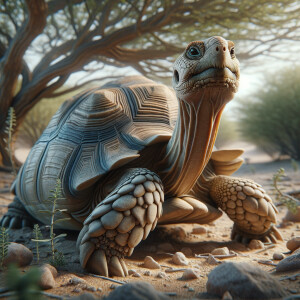
Gopherus agassizii, commonly known as the desert tortoise, is a species of tortoise native to the southwestern United States and parts of Mexico. These tortoises are well adapted to arid desert environments, with a high dome shaped shell and specialized kidney functions to conserve water. Gopherus agassizii plays a crucial role in its ecosystem by digging burrows that provide shelter for a variety of wildlife, and their conservation is vital for maintaining biodiversity in their habitats.
Gopherus agassizii, commonly known as the desert tortoise, is a species of tortoise native to the southwestern United States and parts of Mexico. These tortoises are well adapted to arid desert environments, with a high dome shaped shell and specialized kidney functions to conserve water. Gopherus agassizii plays a crucial role in its ecosystem by digging burrows that provide shelter for a variety of wildlife, and their conservation is vital for maintaining biodiversity in their habitats.
GOPHERUS BERLANDIERI
Gopherus berlandieri, also known as Berlandier's tortoise, is a species of tortoise native to the Chihuahuan Desert in North America. They are medium sized tortoises with a domed shell and primarily herbivorous diet. Known for their gentle demeanor and strong digging abilities, Gopherus berlandieri are proficient burrowers that live in arid scrublands. Their conservation status is currently listed as vulnerable due to habitat loss and illegal collection for the pet trade.
Gopherus berlandieri, also known as Berlandier's tortoise, is a species of tortoise native to the Chihuahuan Desert in North America. They are medium sized tortoises with a domed shell and primarily herbivorous diet. Known for their gentle demeanor and strong digging abilities, Gopherus berlandieri are proficient burrowers that live in arid scrublands. Their conservation status is currently listed as vulnerable due to habitat loss and illegal collection for the pet trade.
GOPHERUS FLAVOMARGINATUS
The gopherus flavomarginatus, also known as the Bolson tortoise, is a species of tortoise native to the arid regions of Mexico and the United States. Characterized by its distinctive yellow markings along the edges of its shell, this tortoise is known for its slow movement and herbivorous diet. Due to habitat loss and illegal collection for the pet trade, the gopherus flavomarginatus is considered a vulnerable species and is protected by conservation laws.
The gopherus flavomarginatus, also known as the Bolson tortoise, is a species of tortoise native to the arid regions of Mexico and the United States. Characterized by its distinctive yellow markings along the edges of its shell, this tortoise is known for its slow movement and herbivorous diet. Due to habitat loss and illegal collection for the pet trade, the gopherus flavomarginatus is considered a vulnerable species and is protected by conservation laws.
GOPHERUS MORAFKAI
Gopherus morafkai, a unique species of tortoise native to the western regions of the United States, known for its distinctive markings and robust shell. These tortoises have a slow yet steady gait, preferring dry desert habitats with sandy soil for burrowing. Gopherus morafkai are herbivores, with a diet primarily consisting of grasses, flowers, and succulent plants. Due to their impressive longevity, gentle demeanor, and remarkable adaptability to arid environments, gopherus morafkai are highly valued among reptile enthusiasts and conservationists alike.
Gopherus morafkai, a unique species of tortoise native to the western regions of the United States, known for its distinctive markings and robust shell. These tortoises have a slow yet steady gait, preferring dry desert habitats with sandy soil for burrowing. Gopherus morafkai are herbivores, with a diet primarily consisting of grasses, flowers, and succulent plants. Due to their impressive longevity, gentle demeanor, and remarkable adaptability to arid environments, gopherus morafkai are highly valued among reptile enthusiasts and conservationists alike.
LATEST PET BLOGS

FIV, FELV & FELINE HERPES EXPLAINED: SMART TESTING AND SAFE MULTI‑CAT LIVING
Clear, friendly guide to FIV, FeLV, and feline herpes: how each spreads, how tests work, retest timelines, and practical steps to keep multi‑cat households safe and happy.
Clear, friendly guide to FIV, FeLV, and feline herpes: how each spreads, how tests work, retest timelines, and practical steps to keep multi‑cat households safe and happy.

BEAT THE FUR: GROOMING, NUTRITION, AND HOME HACKS TO CUT DOG SHEDDING FOR GOOD
Cut visible dog shedding by 30–70% with a simple stack: coat-matching grooming, skin-and-coat nutrition, and home capture routines. Includes an 8-week plan and vet red flags.
Cut visible dog shedding by 30–70% with a simple stack: coat-matching grooming, skin-and-coat nutrition, and home capture routines. Includes an 8-week plan and vet red flags.

FROM SUPPLEMENTS TO SUPERFOODS: VETTING 'COMPLETE' DOG FOOD CLAIMS
Learn how to read dog food labels, check AAFCO/FEDIAF adequacy, ask the right questions of manufacturers, do simple nutrient math, and separate real nutrition from marketing superfood claims.
Learn how to read dog food labels, check AAFCO/FEDIAF adequacy, ask the right questions of manufacturers, do simple nutrient math, and separate real nutrition from marketing superfood claims.

CAN YOU TRUST WET FOOD LABELS? A SHOPPER'S GUIDE TO FRISKIES, FANCY FEAST, AND WHAT YOUR CAT REALLY NEEDS
Learn how to read wet cat food labels, what parts are regulated and reliable, and step-by-step tips to compare Friskies, Fancy Feast, and other canned foods for your cat's health.
Learn how to read wet cat food labels, what parts are regulated and reliable, and step-by-step tips to compare Friskies, Fancy Feast, and other canned foods for your cat's health.

BEYOND LOOKS: PICK THE BEST FAMILY DOG BY ENERGY, SPACE, AND LIFESTYLE
Learn how to choose a family dog the smart way—by matching energy, space, and daily life instead of following trends or looks. Practical checklist, examples, and safety tips.
Learn how to choose a family dog the smart way—by matching energy, space, and daily life instead of following trends or looks. Practical checklist, examples, and safety tips.

GOOD TRAINING, NO PAIN: ARE SHOCK COLLARS BEING RESTRICTED? LAWS, VET ADVICE, AND SAFER ALTERNATIVES
By 2025–26 many countries have banned or tightly restricted shock collars. This post explains the latest laws, veterinary guidance, and humane alternatives you can use to keep dogs safe, legal, and well-trained.
By 2025–26 many countries have banned or tightly restricted shock collars. This post explains the latest laws, veterinary guidance, and humane alternatives you can use to keep dogs safe, legal, and well-trained.