
Beyond Looks: Pick the Best Family Dog by Energy, Space, and Lifestyle
Search our dog listings!
Choosing a dog for your family is exciting, but the prettiest pup or the trendiest breed isn't always the best fit. This guide helps you match a dog to your real life—how much time you have, the space where you live, your climate, and your budget.
Why energy matters most
Energy is the number one thing to match. High-energy breeds often need 60–120 minutes of daily exercise plus mental challenges, or they can become bored and destructive.
Moderate-energy dogs usually do well with 30–60 minutes of activity and enrichment each day.
Low-energy dogs still need short walks, potty breaks, and brain games; a yard alone doesn't meet their mental needs.
Dogs near Columbus
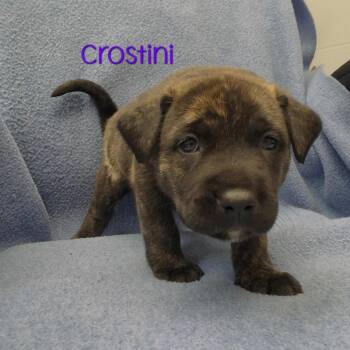
BROOKIE
Mixed Breed
🇺🇸
Parkersburg, West Virginia
female, small, baby
Mixed Breed
Parkersburg, West Virginia

STELLA STAPLER
Terrier
🇺🇸
Newport, Kentucky
female, medium, baby
Terrier
Newport, Kentucky

ATLANTA
Puggle
🇺🇸
East Sparta, Ohio
male, small, baby
Puggle
East Sparta, Ohio
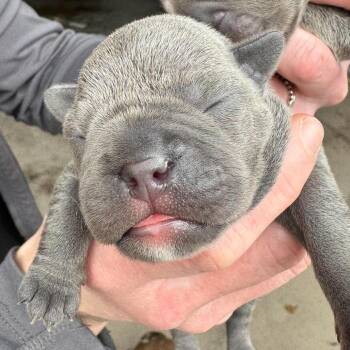
PEBBLES
French Bulldog, American Bully
🇺🇸
Huber Heights, Ohio
female, small, baby
French Bulldog, American Bully
Huber Heights, Ohio

ESME
Chihuahua
🇺🇸
Newport, Kentucky
female, small, adult
Chihuahua
Newport, Kentucky

BATMAN
Terrier
🇺🇸
Springfield, Ohio
male, large, baby
Terrier
Springfield, Ohio

KOOPER
German Shepherd Dog
🇺🇸
Dayton, Ohio
male, large, young
German Shepherd Dog
Dayton, Ohio

SPYRO
Pit Bull Terrier, Mixed Breed
🇺🇸
Chillicothe, Ohio
male, large, baby
Pit Bull Terrier, Mixed Breed
Chillicothe, Ohio

NUTELLA
Terrier
🇺🇸
Zanesville, Ohio
male, medium, young
Terrier
Zanesville, Ohio

SCUD
Staffordshire Bull Terrier
🇺🇸
Lancaster, Ohio
male, small, young
Staffordshire Bull Terrier
Lancaster, Ohio

RAVEN
Mixed Breed
🇺🇸
Canal Winchester, Ohio
female, large, baby
Mixed Breed
Canal Winchester, Ohio

BERLIN
Poodle
🇺🇸
Lima, Ohio
female, small, adult
Poodle
Lima, Ohio
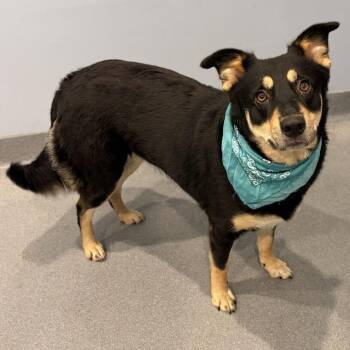
LACEY
Mixed Breed
🇺🇸
Canal Winchester, Ohio
female, large, adult
Mixed Breed
Canal Winchester, Ohio
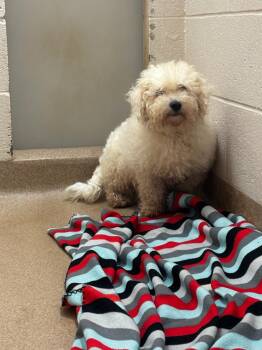
CADBURY
Poodle
🇺🇸
Lima, Ohio
female, small, young
Poodle
Lima, Ohio
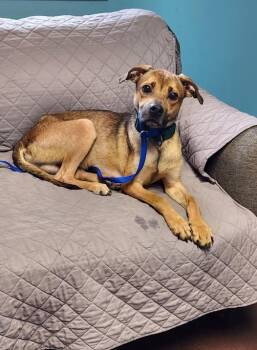
DOUGIE
Mountain Cur
🇺🇸
Wooster, Ohio
male, small, adult
Mountain Cur
Wooster, Ohio
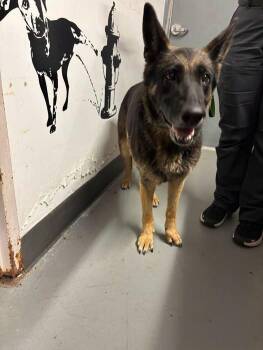
GRETA
German Shepherd Dog
🇺🇸
Findlay, Ohio
female, medium, adult
German Shepherd Dog
Findlay, Ohio

PETER FLORRICK
Chihuahua, Beagle
🇺🇸
Newport, Kentucky
male, medium, baby
Chihuahua, Beagle
Newport, Kentucky
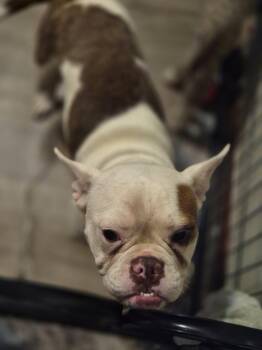
GINNY
French Bulldog
🇺🇸
Newport, Kentucky
female, medium, young
French Bulldog
Newport, Kentucky

SPARROW
Boxer, Mixed Breed
🇺🇸
Springboro, Ohio
male, medium, baby
Boxer, Mixed Breed
Springboro, Ohio

DJANGO
Bernadoodle, Labrador Retriever
🇺🇸
Wheelersburg, Ohio
male, medium, baby
Bernadoodle, Labrador Retriever
Wheelersburg, Ohio
Space: quality beats quantity
A small apartment can suit many dogs if you provide daily walks, sniff time, and short training sessions. A big house or yard won't fix a high-drive dog that needs structured exercise and mental work.
Think about noise and neighbors too—thin walls mean a noisy dog can cause stress or complaints.
Do a quick lifestyle audit before you look
Start by writing down what you can reliably give: exercise minutes per day, who will train, how long the dog will be alone, and your grooming tolerance.
Consider kids, seniors, other pets, and climate. For example, hot climates favor longer-nosed, heat-tolerant dogs over flat-faced breeds that struggle in heat.
Puppy vs adult vs senior: which fits you?
Puppies demand heavy time: house training every few hours, daily socialization, and chewing supervision. They are great if you have lots of time and patience.
Adults often come house-trained with known energy and temperament, making them good for busy families. Seniors tend to be calmer and are often a gentle choice for households with limited mobility.
Health and breed trade-offs
Breed labels tell you some health risks but not much about behavior. Some popular breeds, like many flat-faced (brachycephalic) dogs, face breathing, eye, and heat-related problems and may mean higher vet bills.
Large breeds cost more for food and may have more orthopedic issues. Always ask breeders for health test records or get full medical history from rescues.
Training, socialization, and safety
Early, positive socialization is key for puppies, and reward-based training builds good habits without fear. Supervise all interactions between dogs and children and teach kids safe ways to touch and play with dogs.
Leaving dogs alone regularly for more than about four hours can lead to stress and behavior problems, so arrange dog care or choose a pet with proven independence.
Adoption, breeders, and how to evaluate a dog
Shelters and rescues often know a dog's real energy, how they handle kids, and their alone-time tolerance—ask for foster notes and try a trial foster or sleepover if possible.
If you go to a breeder, request health testing (OFA/CHIC or equivalent), meet the parents if possible, and ask about socialization practices and a return policy.
Practical matching examples
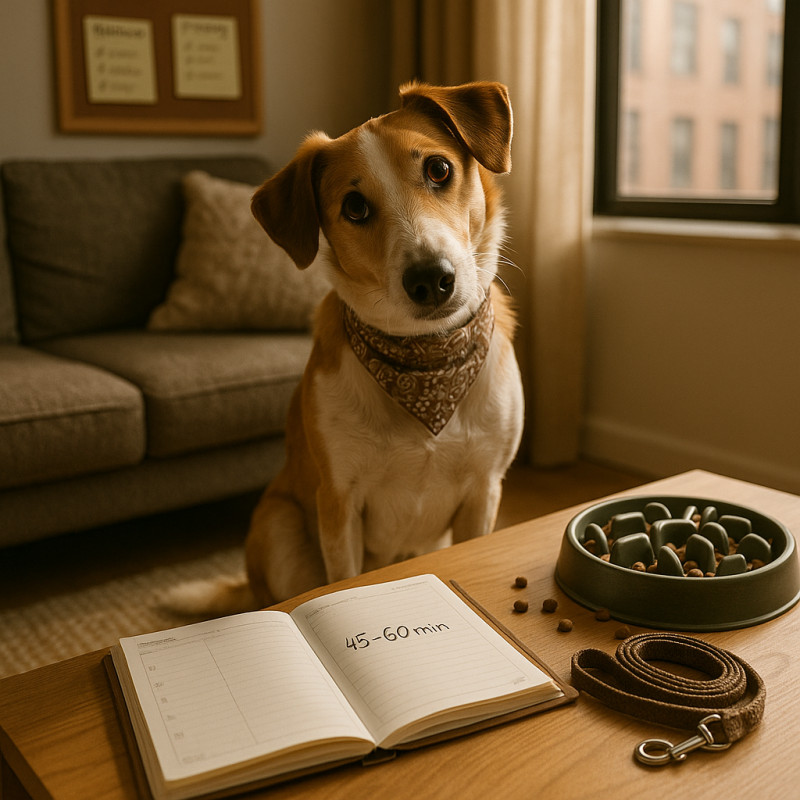
- Busy family, apartment, 45–60 min/day: choose an adult, moderate-energy, longer-nosed small-to-medium mixed-breed that is kid-friendly and low-bark.
- Active couple, 90–120 min/day, hikes: choose an athletic sporting or herding mix with stamina and a love of training; avoid heat-sensitive flat-faced breeds.
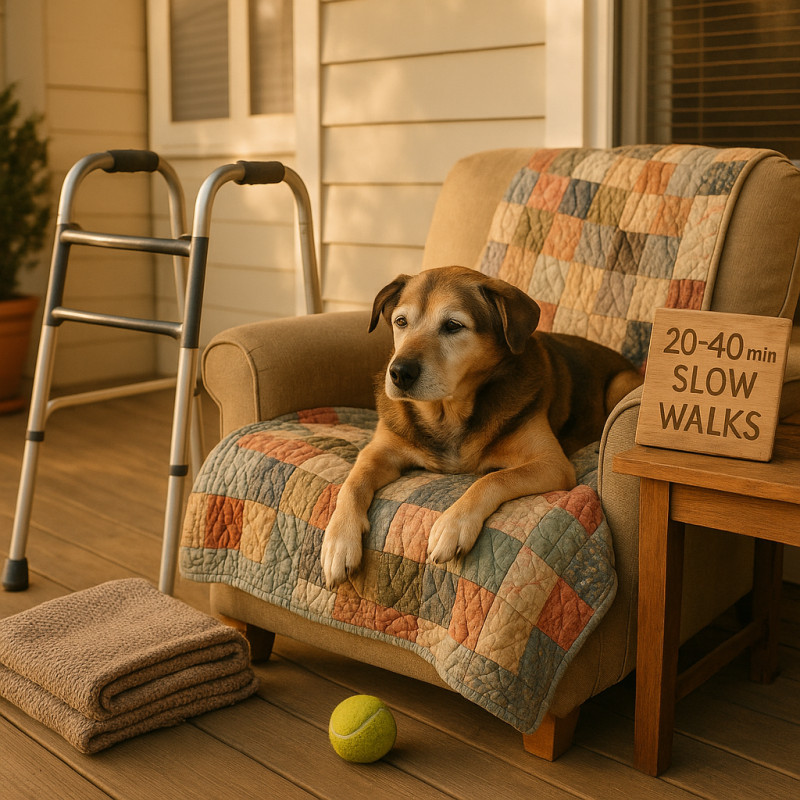
- Multi-generational home, seniors, 20–40 min/day: choose a calm adult or senior small-to-medium dog with gentle manners and low pull on the leash.
Everyday enrichment ideas
Short, varied enrichment can make a big difference: sniff walks, puzzle feeders, short training games, scent trails, and rotated toys keep dogs mentally satisfied. Ten to fifteen minutes of focused brain work can be as tiring as a longer walk for some dogs.
Action checklist before you meet dogs
- Write your daily capacity: exercise minutes, training time, alone-time limit, grooming time, budget.
- List must-haves and deal-breakers (kid-friendly, cat-safe, low-bark, no heavy shedding).
- Check climate and housing restrictions (landlord, insurance).
- Line up a reward-based trainer and a vet. Ask rescues for foster notes and request a trial foster when possible.
Common pitfalls to avoid
Don't choose by looks or internet trends—popularity can drive unhealthy breeding and surprise costs. Don't assume a yard equals exercise. And remember, no dog is truly hypoallergenic; test live exposure if allergies are a concern.
Bottom line: pick the dog that matches your life, not a trend. When you match energy level, space tolerance, and daily routines first, you'll find a happier dog and a happier family. Meet candidates in real-world settings, try fostering, and choose humane training to build a strong, safe bond for years to come.
Search our dog listings!
Back to pet blog