
1 Available Turtles for Adoption
Are you looking to adopt a turtle? PetCurious makes it easy to search for the perfect turtle near you. Adopters also look for Red Eared Sliders, which are the most listed breeds.
About Turtle For Adoption
Welcome to the turtle adoption page. Here you can find information on how to adopt a turtle and give them a loving home. Visitors can browse current listings below or learn more about what to expect when adopting a turtle.
How Turtle For Adoption Works
When considering turtle adoption, the process typically involves contacting a rescue or organization, filling out an application, and possibly undergoing a screening process. Once approved, you can meet turtles in need of homes and choose your new companion. Responsible adoption ensures that turtles find caring homes where their needs are met. It is important to consider the long-term commitment involved in turtle ownership and to provide a suitable habitat with proper nutrition, enrichment, and veterinary care.
Choosing The Right Turtle
Selecting the right turtle involves assessing your lifestyle, experience level, time availability, and commitment to long-term care. Different turtle species have varying care requirements, so it's crucial to choose one that fits your capabilities and living environment. Consider factors like size, temperament, activity level, and the level of interaction needed to ensure a successful match between you and your new turtle companion.
Care And Ownership Basics
Proper care and ownership of a turtle include providing a suitable habitat with the right temperature, lighting, and water quality. Feeding a balanced diet, ensuring regular veterinary check-ups, and maintaining cleanliness are essential for your turtle's well-being. Additionally, engaging in mental and physical enrichment activities can help keep your turtle healthy and happy. Learning about common mistakes and how to avoid them will contribute to a long and fulfilling relationship with your turtle.
Common Turtle Categories
Turtles are often categorized based on their size, temperament, care requirements, and living environment suitability. Common categories include aquatic turtles, semi-aquatic turtles, and terrestrial turtles. Aquatic turtles, such as red-eared sliders, require access to water for swimming and basking. Semi-aquatic turtles, like painted turtles, need both water and a dry basking area. Terrestrial turtles, such as box turtles, spend most of their time on land and need a varied diet with less water access.
Browse Popular Turtle Breeds for Adoption
Search Available Turtles for Adoption
Animal
Categories
Let us search for you!
We'll email you when we find new animals.
Receive
updates for

Questions & Answers
1) Is the turtle a good fit for first-time owners?
Turtles can be good pets for beginners, but they require specific care and commitment. Research their needs thoroughly before getting one.
2) What level of daily care and maintenance does a turtle require?
Turtles need daily feeding, tank cleaning, and monitoring of their environmental conditions like temperature and water quality.
3) What health or care considerations are common for turtles?
Common health issues in turtles include shell rot, respiratory infections, and vitamin deficiencies. Regular check-ups with a reptile vet are essential.
4) What living environment is suitable for a turtle?
Turtles need a spacious tank with a basking area, UVB lighting, and proper water filtration. They also require both a dry area and a swimming area in their habitat.
5) What is the lifespan or long-term commitment of owning a turtle?
Turtles have long lifespans, often living 20-40 years or more depending on the species. Owning a turtle is a long-term commitment that requires dedication.
6) Are turtles compatible with children or other pets?
Turtles can be handled gently by children under supervision, but they are not interactive pets and may not enjoy handling. They should be kept away from other pets that may view them as prey.
ABOUT THE TURTLE BREEDS
RED EARED SLIDER
The red-eared slider, scientifically known as Trachemys scripta elegans, is a popular turtle breed among reptile enthusiasts. Recognized by the distinctive red patch behind each eye, these semi-aquatic turtles are known for their vibrant appearance and sociable nature. Originating from the southern United States, they require a well-maintained aquatic habitat with a basking area to thrive. Red-eared sliders are omnivorous, feeding on a varied diet comprising commercial turtle pellets, fresh vegetables, and occasional live prey. With proper care and a spacious tank, red-eared sliders can live for several decades, making them rewarding and long-lived companions.
The red-eared slider, scientifically known as Trachemys scripta elegans, is a popular turtle breed among reptile enthusiasts. Recognized by the distinctive red patch behind each eye, these semi-aquatic turtles are known for their vibrant appearance and sociable nature. Originating from the southern United States, they require a well-maintained aquatic habitat with a basking area to thrive. Red-eared sliders are omnivorous, feeding on a varied diet comprising commercial turtle pellets, fresh vegetables, and occasional live prey. With proper care and a spacious tank, red-eared sliders can live for several decades, making them rewarding and long-lived companions.
LATEST PET BLOGS

BENGAL CATS AREN’T CHEAP: REAL PRICES, LIFETIME COSTS, AND HOW TO SPOT BREEDER SCAMS
Learn realistic Bengal kitten prices, expected first-year and lifetime costs, essential health and legal checks, and a step-by-step checklist to spot breeder scams before you pay.
Learn realistic Bengal kitten prices, expected first-year and lifetime costs, essential health and legal checks, and a step-by-step checklist to spot breeder scams before you pay.
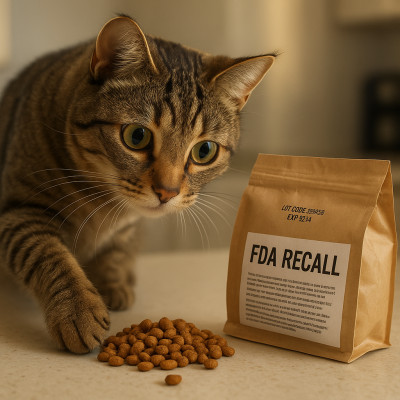
CLASS‑ACTION WATCH: HOW RECENT PET‑FOOD LAWSUITS AFFECT YOUR CAT — AND HOW TO PROTECT THEM
Recent class actions target pet food contaminants (aflatoxin, salmonella, pentobarbital, excess vitamin D) and misleading label claims. Learn what these cases mean for cats and simple steps to reduce risk, track recalls, and protect your pet.
Recent class actions target pet food contaminants (aflatoxin, salmonella, pentobarbital, excess vitamin D) and misleading label claims. Learn what these cases mean for cats and simple steps to reduce risk, track recalls, and protect your pet.
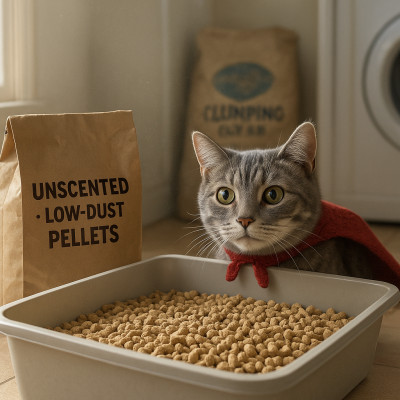
BEYOND THE BOWL: HOW TO REDUCE PFAS, MICROPLASTICS, AND HIDDEN CHEMICALS IN YOUR CAT'S FOOD AND LITTER
Learn how PFAS, microplastics, and hidden chemicals can reach cats through food, packaging, litter, dust, and water — and practical steps you can take to lower your cat's exposure without sacrificing nutrition or comfort.
Learn how PFAS, microplastics, and hidden chemicals can reach cats through food, packaging, litter, dust, and water — and practical steps you can take to lower your cat's exposure without sacrificing nutrition or comfort.
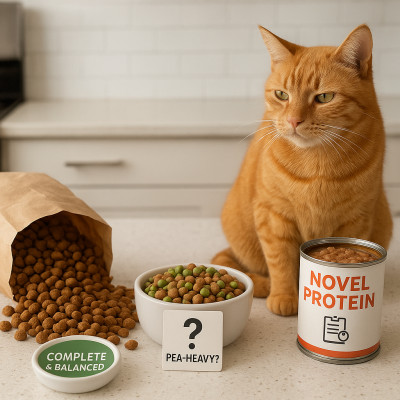
BEYOND THE BUZZWORDS: REAL NUTRITION FOR YOUR CAT — GRAIN‑FREE, HUMAN‑GRADE, AND NOVEL PROTEINS EXPLAINED
Cut through pet food marketing. Learn what cats truly need, what terms like grain-free and human‑grade mean, when novel proteins help, and how to pick a safe, balanced diet for your cat.
Cut through pet food marketing. Learn what cats truly need, what terms like grain-free and human‑grade mean, when novel proteins help, and how to pick a safe, balanced diet for your cat.
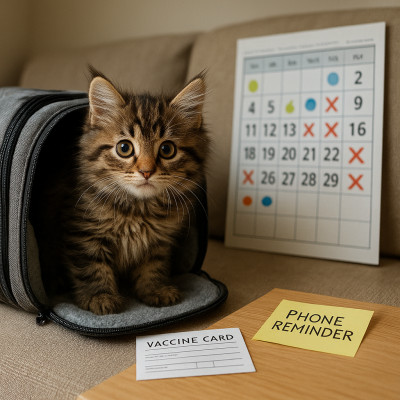
WHY SO MANY CATS ARE MISSING VACCINES: VET SHORTAGES, COSTS, AND CLINIC ACCESS EXPLAINED
Many cats are missing important vaccines because of veterinary staffing shortages, rising costs, and clinic access problems. Learn why this matters and what owners, clinics, and communities can do to protect cats.
Many cats are missing important vaccines because of veterinary staffing shortages, rising costs, and clinic access problems. Learn why this matters and what owners, clinics, and communities can do to protect cats.
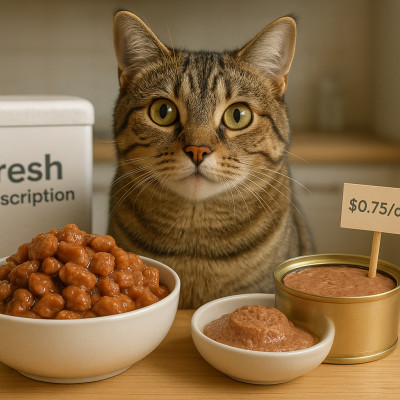
SUBSCRIPTION VS SHELF: ARE FRESH CAT FOOD SERVICES LIKE SMALLS REALLY BETTER FOR YOUR CAT AND YOUR WALLET?
Compare fresh subscription cat foods (like Smalls) with canned and dry options. Learn what matters for cat health, costs, safety tips, and a simple checklist to pick the best, budget-friendly feeding plan.
Compare fresh subscription cat foods (like Smalls) with canned and dry options. Learn what matters for cat health, costs, safety tips, and a simple checklist to pick the best, budget-friendly feeding plan.