
AI for Felines: How Smart Cameras and Litter Tech Catch Cat Health Issues Early
Search our cat listings!
Why smart pet tech matters for cats
Technology is helping cat owners notice problems earlier than ever by quietly watching daily habits like litterbox use, drinking, eating, activity, and facial expressions. Cats are great at hiding pain and sickness, so small changes can go unnoticed until they become serious. Smart cameras, AI litter monitors, water bowls, and collar trackers turn normal behavior into data you can use. That data often gives a clearer, time-stamped picture to share with your veterinarian.
Cats near Columbus
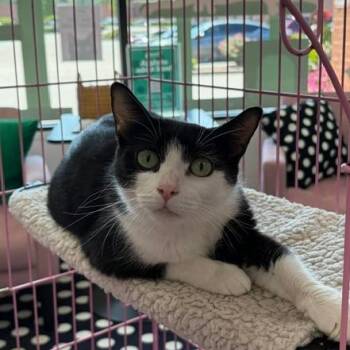
STELLA
Domestic Short Hair
🇺🇸
Dayton, Ohio
female, medium, adult
Domestic Short Hair
Dayton, Ohio
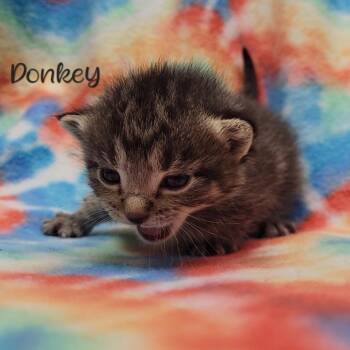
DONKEY
Domestic Short Hair
🇺🇸
Parkersburg, West Virginia
male, small, baby
Domestic Short Hair
Parkersburg, West Virginia
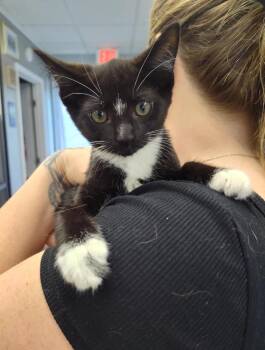
SKY
Domestic Short Hair
🇺🇸
Columbus, Ohio
female, medium, baby
Domestic Short Hair
Columbus, Ohio
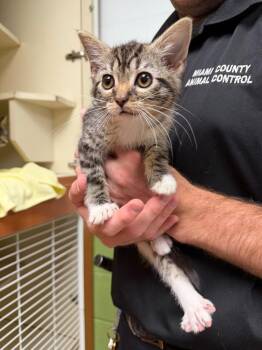
RUBY
Domestic Short Hair
🇺🇸
Troy, Ohio
female, small, baby
Domestic Short Hair
Troy, Ohio
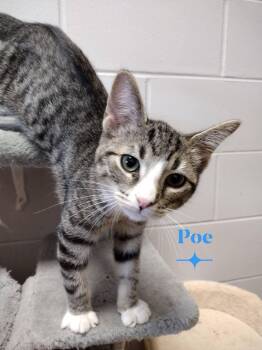
POE
Domestic Short Hair
🇺🇸
Monroe, Ohio
male, medium, young
Domestic Short Hair
Monroe, Ohio
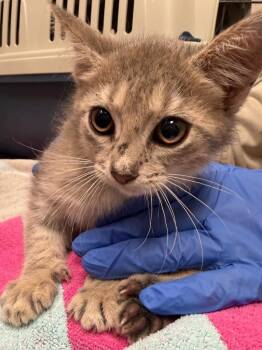
GERTRUDE
Abyssinian
🇺🇸
Lima, Ohio
male, large, baby
Abyssinian
Lima, Ohio
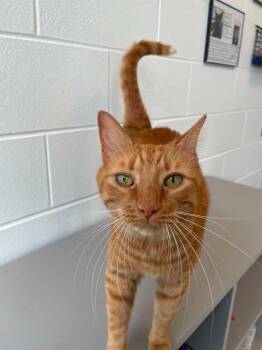
LEONARDO DICATRIO
Domestic Short Hair
🇺🇸
Hamilton, Ohio
male, medium, young
Domestic Short Hair
Hamilton, Ohio
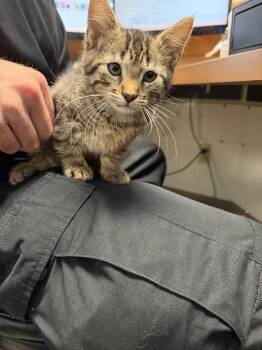
AMBER
Domestic Short Hair
🇺🇸
Troy, Ohio
female, small, baby
Domestic Short Hair
Troy, Ohio
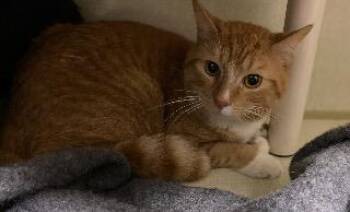
TAILS
Domestic Short Hair
🇺🇸
Marion, Ohio
male, medium, adult
Domestic Short Hair
Marion, Ohio
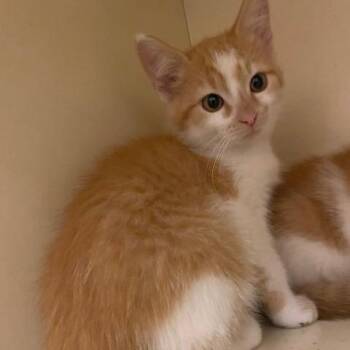
LITTLE FOOT
Domestic Short Hair
🇺🇸
Dayton, Ohio
male, small, baby
Domestic Short Hair
Dayton, Ohio
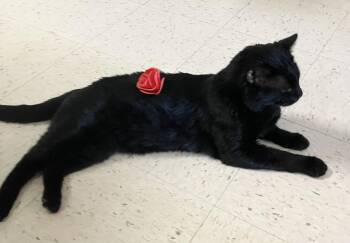
PACINO
Domestic Short Hair
🇺🇸
Dublin, Ohio
male, medium, adult
Domestic Short Hair
Dublin, Ohio
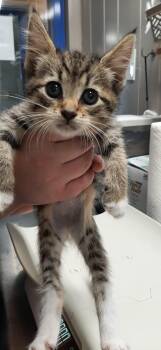
CARLOTTA
Domestic Short Hair
🇺🇸
Georgetown, Ohio
female, medium, baby
Domestic Short Hair
Georgetown, Ohio
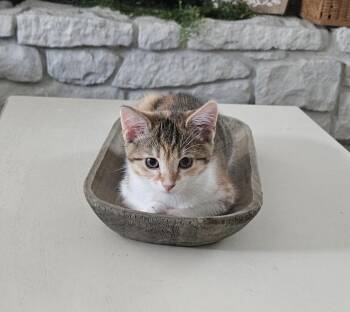
AUTUMN
Domestic Short Hair
🇺🇸
Maineville, Ohio
female, medium, baby
Domestic Short Hair
Maineville, Ohio
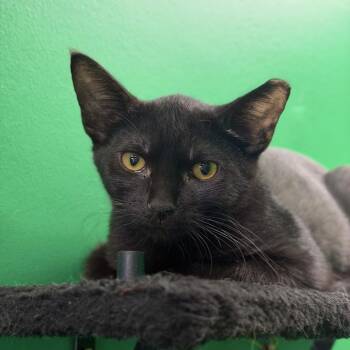
MR. POTATO HEAD
Domestic Short Hair
🇺🇸
Dayton, Ohio
male, small, baby
Domestic Short Hair
Dayton, Ohio
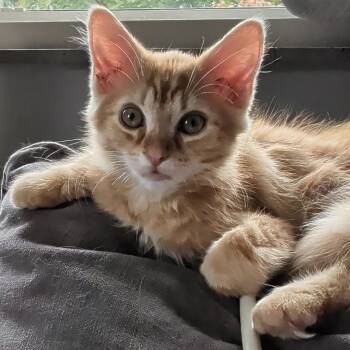
BARRETT
Domestic Medium Hair
🇺🇸
West Jefferson, Ohio
male, medium, baby
Domestic Medium Hair
West Jefferson, Ohio
FAYE
Domestic Short Hair
🇺🇸
Parkersburg, West Virginia
female, small, baby
Domestic Short Hair
Parkersburg, West Virginia

LATAVIA
Domestic Short Hair
🇺🇸
Portsmouth, Ohio
female, medium, young
Domestic Short Hair
Portsmouth, Ohio
TEXAS TOAST
Domestic Short Hair
🇺🇸
Dayton, Ohio
male, medium, young
Domestic Short Hair
Dayton, Ohio
LYNX
Maine Coon, Domestic Medium Hair
🇺🇸
Georgetown, Ohio
female, medium, young
Maine Coon, Domestic Medium Hair
Georgetown, Ohio
SNOW
Domestic Short Hair
🇺🇸
Sidney, Ohio
male, small, baby
Domestic Short Hair
Sidney, Ohio
How these tools work
Most systems collect one or more types of signals and look for changes from a personal baseline. Litter monitors measure visit times, how long a cat stays, and how much mass changes so they can estimate urine clump size and stool events. Cameras and apps watch behavior, meows, pacing, hiding, and facial expressions that match pain scales. Water bowls and feeders log drinking and eating by cat ID. Collars or smart boards track activity, rest, grooming, and litter visits to match events to the right cat.
Common early signs AI can detect
AI tools spotlight patterns that often mean a health problem is starting. Short, frequent litterbox visits with little output can point to urinary trouble or life-threatening blockage. Bigger clumps or more visits over weeks plus increased water drinking can suggest kidney disease or diabetes. Less activity, trouble jumping, or pain-like facial scores can hint at arthritis. Changes in stool frequency or appearance can flag constipation or diarrhea early.
Real examples of what gets flagged
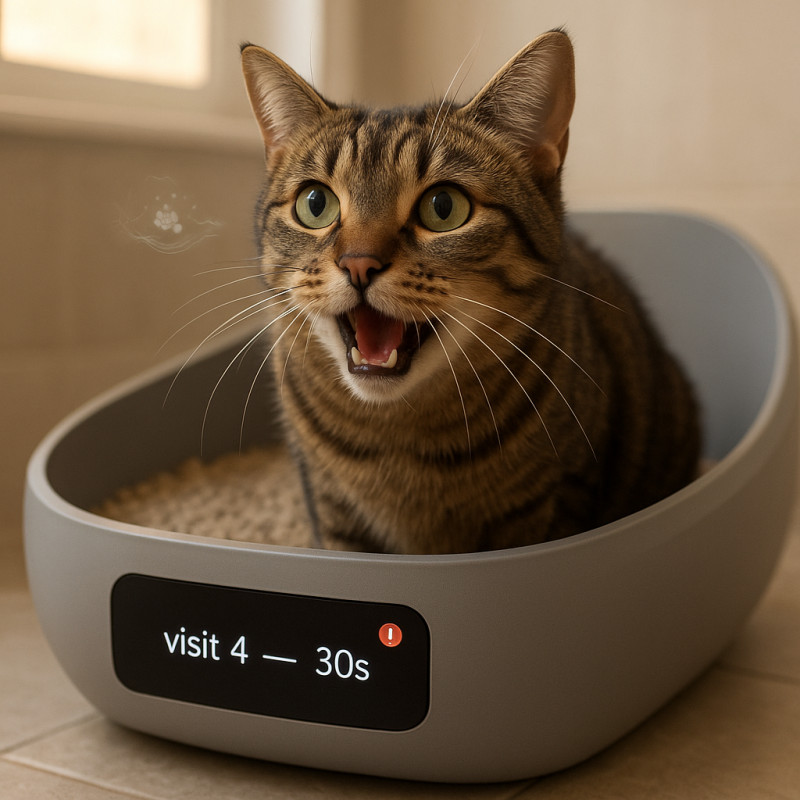
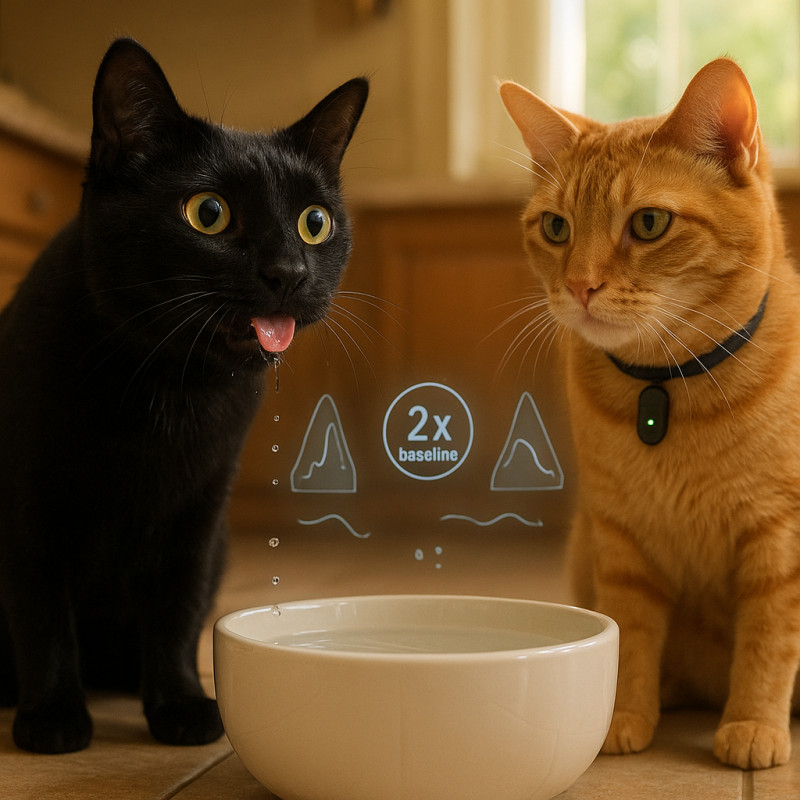
A camera clip that shows vocalizing while a cat is in the box becomes evidence of painful urination. A litter monitor that logs many 30–60 second visits in an hour can trigger a high-priority alert for possible obstruction. A water bowl that records a cat drinking a lot more than its baseline alongside steady weight loss can push a prompt vet visit for possible diabetes or kidney issues. Systems that combine several signals give fewer false alarms and clearer reasons to act.
Devices and how to pick them
- Smart litter monitors and automatic boxes (examples: Petivity, Litter-Robot 4, LuluPet) — pick these for reliable litter data and per-visit weight info.
- Camera apps with meow and behavior detection (examples: Petcube) — useful for catching vocalization, pacing, and night activity.
- Water and feeder telemetry (examples: Felaqua Connect, microchip feeders) — important for spotting increased thirst and appetite changes.
- Wearables and collar boards (examples: Catlog) — great for multi-signal attribution and activity tracking.
Setting up a reliable at-home monitoring stack
Choose gear based on your home: single-cat homes can do well with a good litter monitor and a smart camera. Multi-cat homes should pick devices that can identify each cat — facial recognition, reliable weight signatures, collar tags, or microchip feeders. Place cameras so they see the litter area but avoid private angles. Run the system for 2–4 weeks without changing litter type or box location to build each cat's baseline.
How to tune alerts and build a baseline
Baselines let AI know what's normal for each cat, because every cat is different. During the first weeks, note daily urine and stool counts, average visit durations, water visits, and normal activity. Set conservative alert thresholds at first, like a sustained 50–100% jump in urinary frequency or no stool for 48+ hours. For cats with known disease, tighten thresholds so alerts trigger earlier.
What to do when an alert fires
Not every alert is an emergency, but some signs need urgent care. Seek immediate veterinary attention for repeated straining with little or no urine, loud vocalizing in the box, or no urination for more than 24 hours. Call your vet within 24–48 hours for sudden big increases in drinking plus weight loss, or for repeated pain-positive AI screens and falling activity. If changes follow a stressor like a new pet or litter change, try enrichment steps and watch closely for 3–7 days before deciding to visit the vet.
Limitations and how to avoid false alarms
These tools are wellness aids, not diagnostic machines. False alerts happen when you change litter brands, move a box, add a pet, or change a diet. Single-event alerts are less useful than sustained trends, so rely on patterns over time. Accuracy falls if cats have similar weights, poor lighting hides faces, or litter covers stool images. Combining signals — litter, water, camera, and collar — reduces noise and gives better confidence.
Privacy, data, and upkeep
Check each vendor's privacy policies and choose local storage if you can. Place cameras to respect household privacy and enable two-factor login on apps. Keep sensors and cameras clean, refill litter to a consistent depth, and recalibrate scales after cleaning. Log any diet or medication changes so you and your vet can interpret trends correctly.
Sharing data with your veterinarian
Export trend graphs, event summaries, and short videos to show your vet. Objective, time-stamped data often speeds diagnosis and helps the vet pick tests or treatments faster. Tell the vet about recent changes in environment or diet that might explain alerts. Remember, vets will use these reports alongside exams and lab tests — the tech helps identify what to check.
Quick setup checklist
- Week 0: Choose devices, plan box placement, ensure Wi-Fi and cat IDs are entered.
- Week 1–2: Install gear, verify per-cat attribution, start baseline logging.
- Week 3–4: Review patterns, set personalized alert thresholds, enable meow and pain checks.
- Ongoing: Clean sensors, log diet/med changes, export monthly reports, contact vet for high-priority alerts.
These tools are changing how we care for cats by catching subtle problems earlier. Used carefully, with good baselines and thoughtful interpretation, smart cameras and litter tech give you an extra pair of eyes and a clearer story to bring to the vet. If you get a worrying alert, act sooner rather than later — early care often means better outcomes for your feline friend.
Search our cat listings!
Back to pet blog