
Pâté vs Gravy vs Shreds: How Cat Food Texture Affects Hydration, Teeth & Taste
Search our cat listings!
Intro: Texture matters more than you think
Cats dont drink like dogs or people do, so the food they eat becomes a major water source. Texture—what the food feels like in the mouth—changes how they lap, chew, and even how much they drink.
Many cat owners focus on flavor and calories, but texture affects hydration, dental comfort, and whether your kitty actually finishes the meal. This post explains pâte9, gravy/shreds, and chunks, and gives simple tips to pick the right texture for your cat.
Cats near Columbus
POE
Domestic Medium Hair
🇺🇸
Parkersburg, West Virginia
male, small, baby
Domestic Medium Hair
Parkersburg, West Virginia
TACO
Domestic Short Hair
🇺🇸
Dayton, Ohio
male, small, baby
Domestic Short Hair
Dayton, Ohio
PRISCILLA
Domestic Short Hair
🇺🇸
Mount Vernon, Ohio
female, medium, young
Domestic Short Hair
Mount Vernon, Ohio
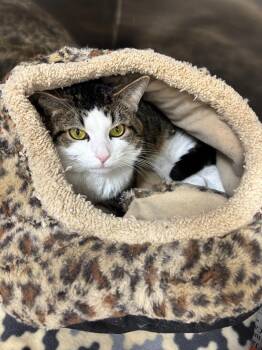
BOBBY
Domestic Short Hair
🇺🇸
Findlay, Ohio
male, medium, adult
Domestic Short Hair
Findlay, Ohio
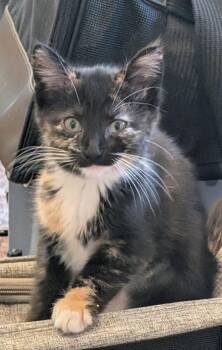
GINGER
Domestic Short Hair
🇺🇸
Dayton, Ohio
female, small, baby
Domestic Short Hair
Dayton, Ohio
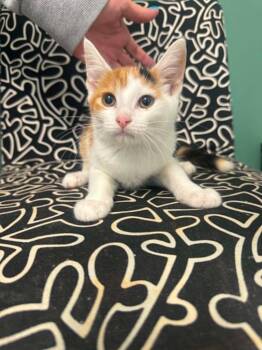
ALYSSA
Domestic Short Hair
🇺🇸
Marion, Ohio
female, medium, baby
Domestic Short Hair
Marion, Ohio
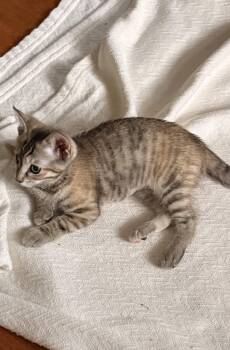
JOVIE
Torbie, Domestic Short Hair
🇺🇸
Dublin, Ohio
female, medium, baby
Torbie, Domestic Short Hair
Dublin, Ohio
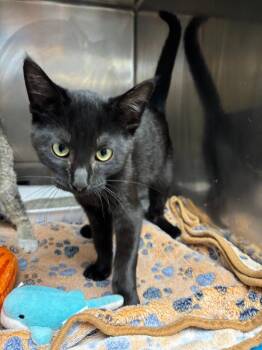
BINNIE
American Shorthair
🇺🇸
Findlay, Ohio
male, medium, baby
American Shorthair
Findlay, Ohio
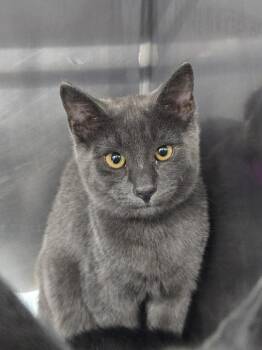
BUCK
Domestic Short Hair
🇺🇸
Mount Vernon, Ohio
male, medium, young
Domestic Short Hair
Mount Vernon, Ohio
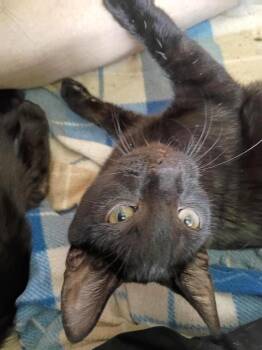
LINK
Domestic Short Hair
🇺🇸
Findlay, Ohio
male, medium, baby
Domestic Short Hair
Findlay, Ohio
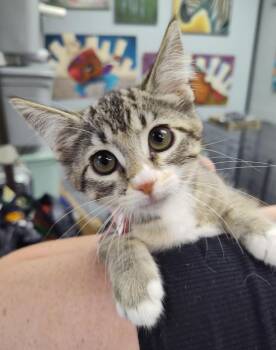
FIREFLY
Domestic Short Hair
🇺🇸
Columbus, Ohio
female, small, baby
Domestic Short Hair
Columbus, Ohio
FINNICK
Domestic Short Hair
🇺🇸
Dublin, Ohio
male, medium, baby
Domestic Short Hair
Dublin, Ohio
DUCKY
Domestic Short Hair
🇺🇸
Dayton, Ohio
male, small, baby
Domestic Short Hair
Dayton, Ohio
PRISCILLA
Domestic Short Hair
🇺🇸
Ashland, Ohio
female, medium, young
Domestic Short Hair
Ashland, Ohio
LYNDSY
Domestic Short Hair
🇺🇸
Mount Vernon, Ohio
female, medium, young
Domestic Short Hair
Mount Vernon, Ohio
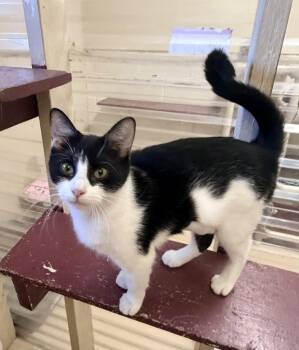
MARCIE
Domestic Short Hair
🇺🇸
Logan, Ohio
female, medium, adult
Domestic Short Hair
Logan, Ohio
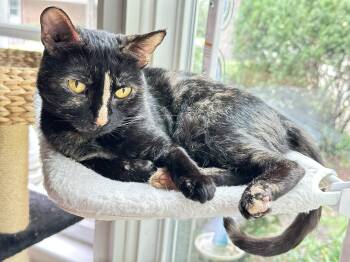
SMORE
Domestic Short Hair
🇺🇸
Columbus, Ohio
female, small, adult
Domestic Short Hair
Columbus, Ohio
PETRIE
Domestic Short Hair
🇺🇸
Dayton, Ohio
male, small, baby
Domestic Short Hair
Dayton, Ohio
RUBY
Domestic Short Hair
🇺🇸
Troy, Ohio
female, small, baby
Domestic Short Hair
Troy, Ohio
LYCHEE
Domestic Short Hair
🇺🇸
Dayton, Ohio
female, small, baby
Domestic Short Hair
Dayton, Ohio
What are pâte9, shreds/chunks, and gravy?
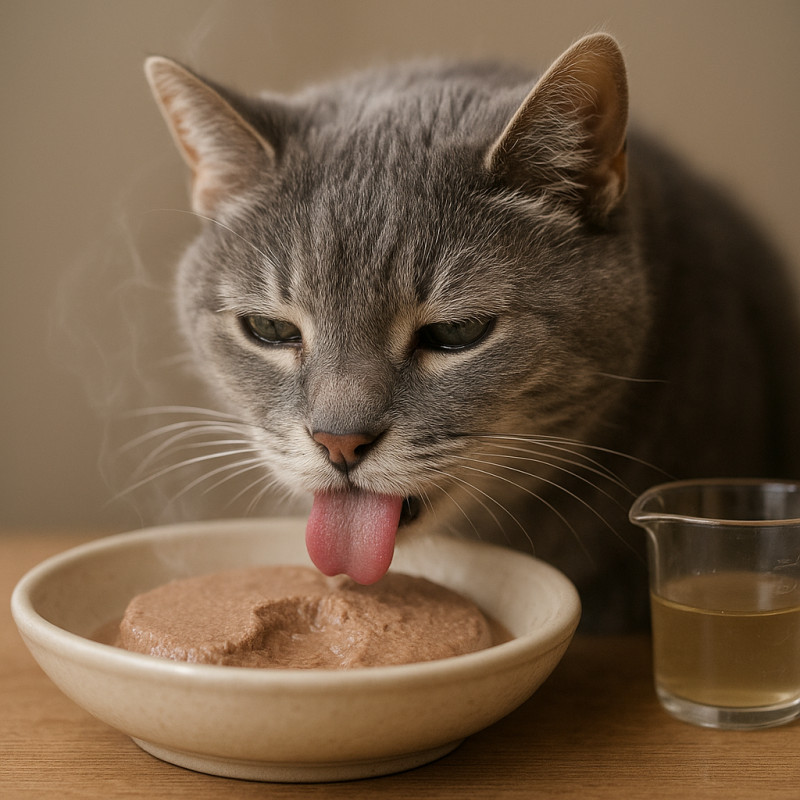
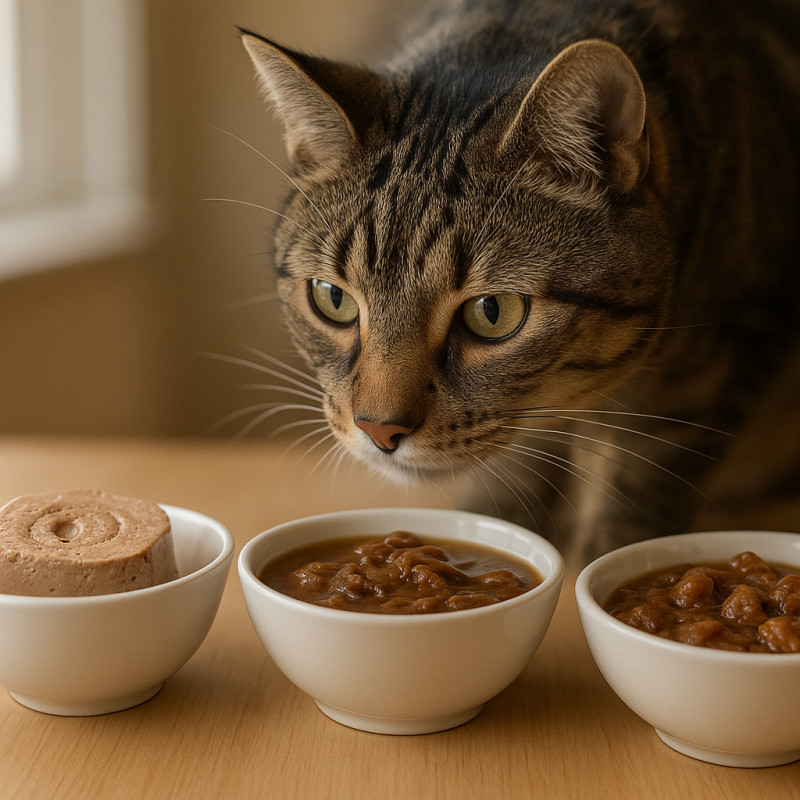
Pe2te9 is a smooth, homogeneous loaf or gel that cats can lap and swallow with little chewing. Its like a soft meat mousse.
Shreds or chunks are small pieces of meat sitting in a pourable gravy or thick sauce. The gravy gives a strong smell that many cats love.
Manufacturers use gums and gels to make different textures. Those ingredients change how water is held and whether a cat drinks the liquid or eats the solids.
Hydration: why texture affects water intake
Cats evolved to get most of their water from prey, so their thirst drive is low. That means the moisture in their food is a big part of total water intake.
Feeding wet food (any style) raises how much a cat drinks overall and increases urine volume. That helps lower urine concentration, which is good for preventing and managing urinary tract problems.
Pe2te9 is easy to mix with extra water or low-sodium broth so the cat gets more moisture evenly through the meal. Because its uniform, your cat cant just lick off the liquid and leave the solids.
Shreds and chunks often have tempting gravy that smells great, so cats may lap the gravy but leave the pieces. That still adds water, but your cat might miss calories or nutrients if solids are often skipped.
Gravies that flow freely let cats lap quickly, while gels or loaf textures keep moisture bound in the bite. This changes how much liquid and solid your cat consumes per meal.
Teeth and chewing: texture is not a dental cure
Cats have teeth made for slicing, not grinding, so textures that encourage shearing match their natural chewing. Shreds/chunks can give some chewing action, while pâte9 needs very little chewing.
But texture alone does not clean teeth. Routine wet foods and ordinary dry kibbles do not reliably remove plaque or prevent gum disease. The proven ways to protect a cats mouth are daily toothbrushing and products that have passed the Veterinary Oral Health Council (VOHC) tests.
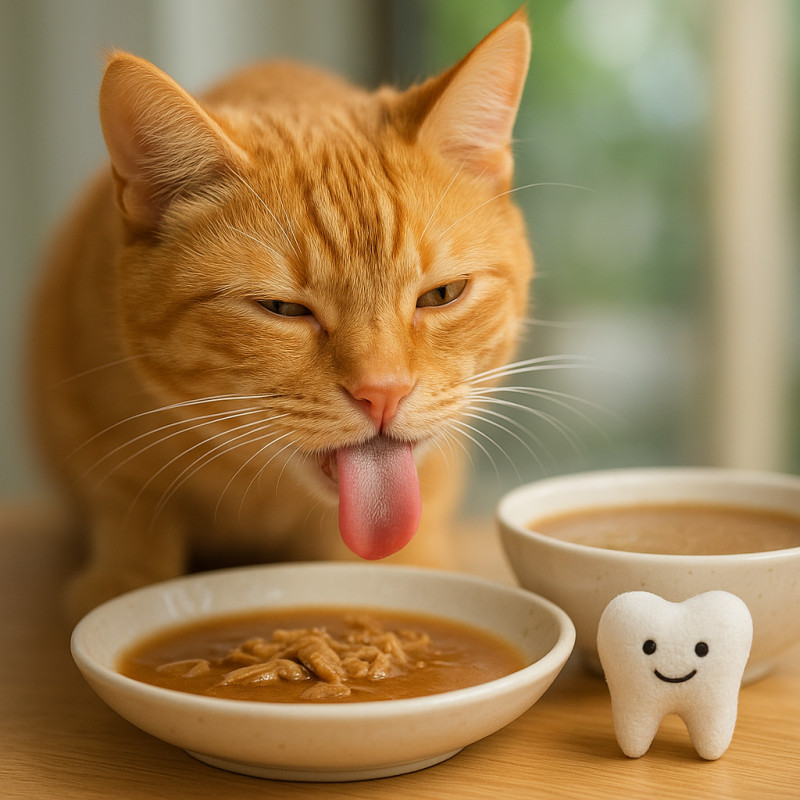
If your cat has sore teeth or is recovering from dental work, smooth pâte9 is gentler and easier to eat. Still, use brushing or VOHC-accepted dental treats/diets for real oral-health benefits.
Preference and palatability: why your cat might love gravy
Texture is a top reason cats like or dislike a food. The feel of the food in the mouth (cohesiveness, slipperiness, chunkiness) is as important as the smell and taste.
Many cats show a strong initial attraction to shreds-in-gravy because the warm gravy releases strong aromas. Other cats, especially older ones or those with mouth pain, prefer the smoothness of pâte9.
Every cat is different. Two-bowl tests show group trends, but your cat might be the exception. Trying a few textures and watching how your cat eats gives the best clue.
How to use texture to meet your goals
If your goal is better hydration, pick wet food and use texture to deliver extra water. Pe2te9 is the most predictable for adding watermix in 1050% warm water or unsalted broth until its a soup-like consistency.
If your cat loves shreds or chunks, pre-mix or lightly mash them so the gravy sticks to the pieces and your cat eats solids and liquid together. Serve smaller, more frequent portions to encourage repeated lapping.
If your cat has dental pain or missing teeth, choose pâte9 or thin it with warm water. Dont rely on meal texture for dental carestart a brushing routine and consider VOHC-accepted products.
Practical tips and quick checklist
- Hydration: Offer wet food daily; use pâte9 for easy water mixing.
- Gravy lovers: Mash or pre-mix shreds so gravy and solids are eaten together.
- Dental care: Brush daily if you can, and use VOHC-accepted dental diets/treats instead of hoping texture will clean teeth.
- Seniors/ mouth pain: Use pâte9 or thinned wet food until comfort improves.
- Acceptance: Warm food slightly (not hot) to boost aroma, and rotate textures to keep interest.
Switching textures safely
Cats can be picky and afraid of new foods, so change textures slowly. Mix a little new food with the old for 3
7 days and adjust the temperature and moisture to match what your cat already likes.
If your cat refuses the new texture, try tiny changes: warm the food, add a splash of no-salt broth, or use a small separate bowl so the cat can sample without pressure.
Bottom line: match texture to the cat and the goal
Texture affects how much water your cat gets, how comfortable eating is, and whether the cat finishes the meal. Use pâte9 when you want to reliably add water or when the cat has oral discomfort.
Choose shreds/chunks to entice picky eaters, but manage gravy-licking by mixing or mashing. Remember: real dental care needs brushing or VOHC-approved productstexture is helpful for comfort and interest, not a substitute for dental hygiene.
If youre unsure which route to take for urinary or dental issues, ask your veterinarian. They can measure urine concentration and help you pick foods and dental products that match your cats health needs.
Learn more
For veterinary-backed recommendations on urinary health and dental care, see the ISFM/AAFP FLUTD guidelines and the VOHC accepted products list. The American Animal Hospital Association also has guidance on dental care at AAHA Dental Care Guidelines, and general nutrition and urinary disease info is in the Merck Veterinary Manual.
Search our cat listings!
Back to pet blog