
Invisible Threats: Protecting Your Dog from Wildfire Smoke, Poor Air, and Extreme Heat
Search our dog listings!
Invisible threats like wildfire smoke, fine air particles, and extreme heat can hurt dogs quickly.
This post explains clear, easy steps you can use every day to protect your dog and what to do in an emergency.
Follow these tips whether you have a big active pup or an older, short-nosed, or special-needs dog.
Small changes at home and on walks make a big difference.
Why dogs are more at risk
Dogs cool by panting, not by sweating like people, and that makes them vulnerable when air is smoky or the weather is very hot.
Smoke carries tiny particles (PM2.5) that get deep into lungs and irritate airways, making breathing and cooling harder.
Some dogs need extra care: short-nosed breeds, puppies, seniors, pregnant dogs, and pets with heart or lung problems have much less room for error.
Knowing your dog’s risks helps you pick safer actions during smoke and heat.
Dogs near San Jose
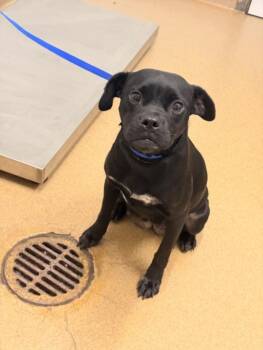
SATURN
Pit Bull Terrier
🇺🇸
Hayward, California
female, medium, adult
Pit Bull Terrier
Hayward, California
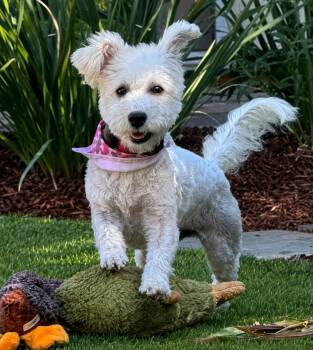
SADIE
Maltese, Poodle
🇺🇸
Palo Alto, California
female, small, baby
Maltese, Poodle
Palo Alto, California
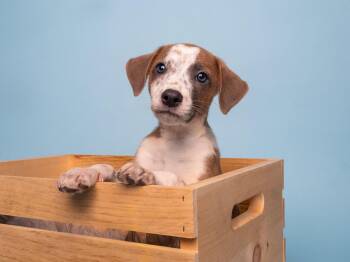
END: BANDONKADONK
Beagle, Jack Russell Terrier
🇺🇸
Palo Alto, California
male, small, baby
Beagle, Jack Russell Terrier
Palo Alto, California
ROBIN HOOD
Schnauzer
🇺🇸
Palo Alto, California
male, small, baby
Schnauzer
Palo Alto, California
ROO
Pomeranian
🇺🇸
Palo Alto, California
male, small, young
Pomeranian
Palo Alto, California
POTSTICKER
Chow Chow
🇺🇸
Palo Alto, California
female, medium, adult
Chow Chow
Palo Alto, California
FOREST
Shepherd
🇺🇸
Santa Clara, California
male, large, baby
Shepherd
Santa Clara, California

EEYORE
Pomeranian
🇺🇸
Palo Alto, California
female, small, senior
Pomeranian
Palo Alto, California
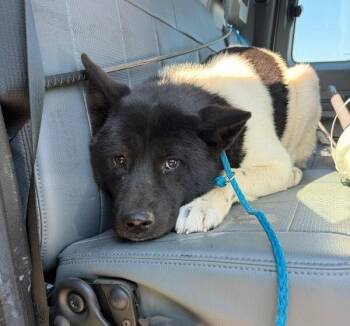
WEDNESDAY
Akita
🇺🇸
Hayward, California
female, large, adult
Akita
Hayward, California
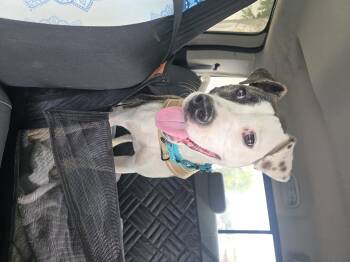
CHLOE
Pit Bull Terrier
🇺🇸
Santa Clara, California
female, medium, young
Pit Bull Terrier
Santa Clara, California
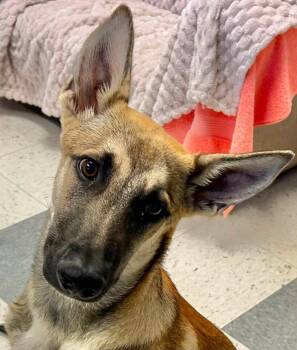
JOEY
German Shepherd Dog
🇺🇸
Palo Alto, California
male, large, baby
German Shepherd Dog
Palo Alto, California
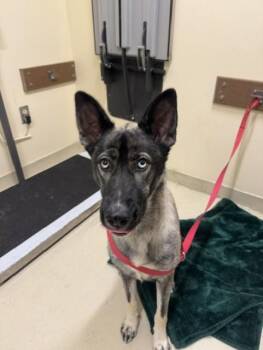
A198934
Belgian Shepherd Malinois
🇺🇸
Fremont, California
female, large, adult
Belgian Shepherd Malinois
Fremont, California
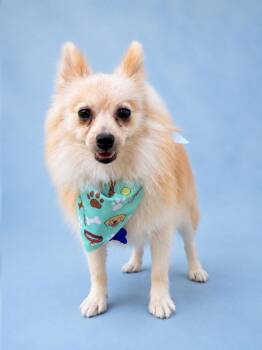
RABBIT
Pomeranian
🇺🇸
Palo Alto, California
male, small, adult
Pomeranian
Palo Alto, California
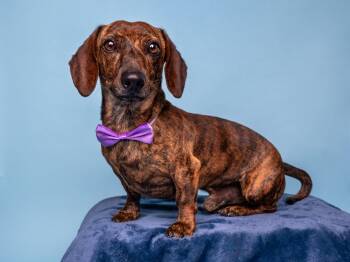
KIELBASA
Dachshund
🇺🇸
Palo Alto, California
male, small, young
Dachshund
Palo Alto, California
ONYX
Pit Bull Terrier
🇺🇸
Hayward, California
female, large, adult
Pit Bull Terrier
Hayward, California
MCGAVIN
Australian Cattle Dog Blue Heeler
🇺🇸
Palo Alto, California
male, medium, adult
Australian Cattle Dog Blue Heeler
Palo Alto, California
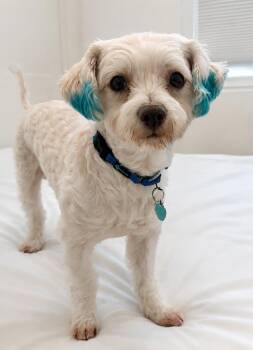
BILLBOARD
Maltese
🇺🇸
Palo Alto, California
male, small, young
Maltese
Palo Alto, California
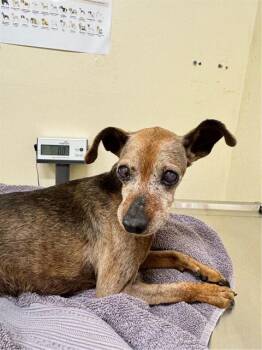
A199119
Chihuahua, Mixed Breed
🇺🇸
Fremont, California
female, medium, senior
Chihuahua, Mixed Breed
Fremont, California
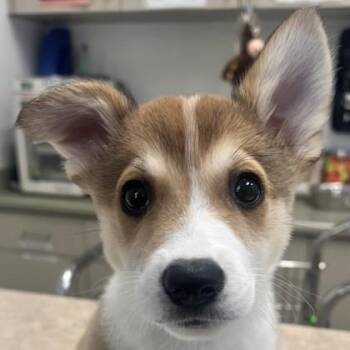
PEACHES
Cardigan Welsh Corgi, Mixed Breed
🇺🇸
Pleasanton, California
female, medium, baby
Cardigan Welsh Corgi, Mixed Breed
Pleasanton, California
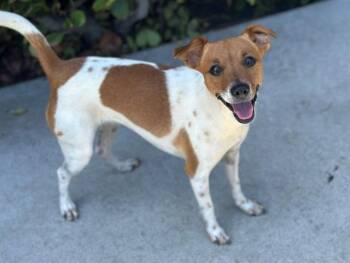
MIKO
Chihuahua, Mixed Breed
🇺🇸
Santa Clara, California
female, small, adult
Chihuahua, Mixed Breed
Santa Clara, California
Monitor air quality and heat every day
Check the Air Quality Index (AQI) and local heat advisories each morning and before heading outside.
Use AirNow for AQI and the Fire & Smoke Map to see where smoke is worst.
Also watch the National Weather Service for heat warnings and humidity forecasts because high humidity makes panting less effective.
Plan walks and outdoor play based on those alerts.
AQI-based outdoor rules for dogs
AQI gives clear color levels you can use to decide what to do with your dog.
- AQI 0–100 (Good–Moderate): Normal routines for healthy dogs; sensitive dogs should be watched closely.
- AQI 101–150 (Unhealthy for Sensitive Groups): Shorten walks to 10–15 minutes and avoid hard exercise; keep at-risk dogs mostly indoors.
- AQI 151–200 (Unhealthy): Limit outside time to quick, leashed potty breaks; no running or fetch.
- AQI 201+ (Very Unhealthy/Hazardous): Keep dogs indoors except for urgent potty needs; use a clean room with HEPA filtration.
Create a clean room and improve indoor air
Pick one interior room with the fewest windows and doors and keep it closed during smoke events.
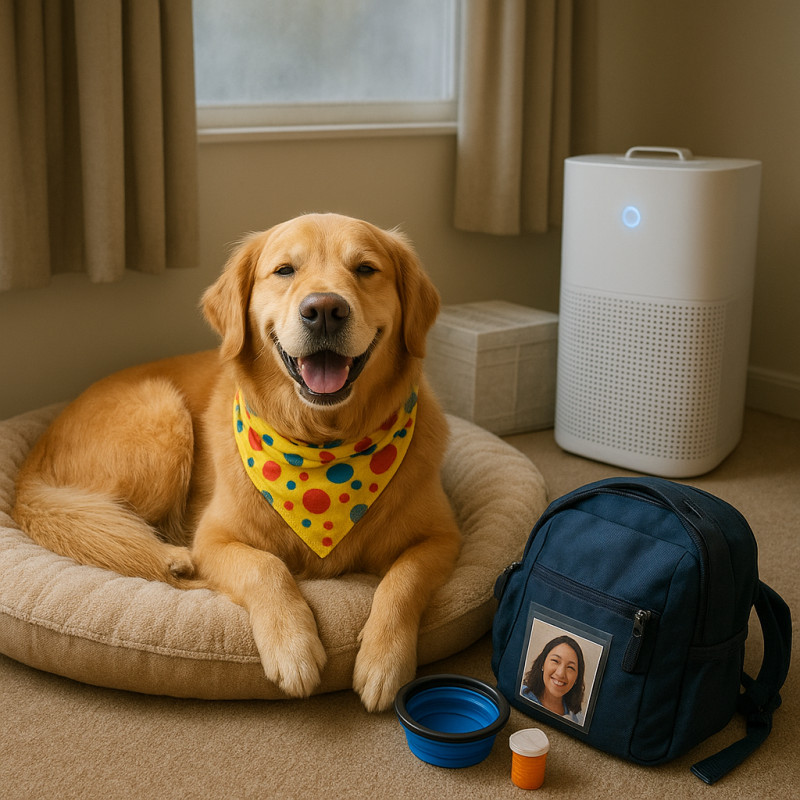
Run a properly sized HEPA air purifier in that room and place it where your dog rests; portable units help a lot.
If you need temporary extra filtration, a Corsi–Rosenthal box (box fan plus MERV-13 filters) can work — follow safety guidance and supervise it.
Set your HVAC to recirculate and use a MERV-13 or higher filter if your system supports it.
What you should NOT do about masks
Do not put human N95 or surgical masks on your dog.
They do not seal properly, can trap heat, and may make breathing harder — especially for brachycephalic breeds.
Specialized respirators exist for working dogs but are not practical for everyday pet use.
Heat safety: timing, surfaces, and hydration
Avoid mid-day heat and walk at dawn, dusk, or in shaded areas when possible.
Use the 7-second hand test on pavement: if it’s too hot for your hand, it’s too hot for paws; choose grass or booties instead.
Keep fresh water available all the time and bring a collapsible bowl for walks so your dog can sip frequently.
High humidity makes panting ineffective, so reduce exercise more on muggy days.
Recognize and respond to smoke or heat distress
Watch for coughing, gagging, watery or red eyes, fast or labored breathing, lethargy, and low appetite — any of these with smoke exposure needs veterinary advice.
Heat illness signs include heavy panting that won’t stop, drooling, bright red or pale gums, vomiting, wobbliness, or collapse — these are emergencies.
If your dog is overheated, move them to shade or AC immediately, sponge cool (not ice-cold) water on the belly and groin, use a fan to help evaporation, and get to a vet right away.
If you can monitor rectal temperature, stop active cooling near 103°F (39.4°C) to avoid overcooling while en route.
Simple steps after outdoor trips during smoke
Wipe your dog’s fur and paws with a damp cloth after any outing in smoky conditions to remove ash and particles.
Do not let your dog lick ash off their coat or paws — that can irritate their throat and stomach.
Refresh water bowls after walks and keep an eye for coughing or eye irritation in the hours after exposure.
Prepare a pet go-bag and travel tips
Keep a go-bag ready in case you must evacuate quickly: food and water for 3–7 days, meds, records and microchip info, leash/harness, crate, booties, and a photo of you with your dog.
When driving in smoky air, set the car to recirculate and keep windows up to reduce cabin particles.
Never leave your dog alone in a parked car — temperatures and poor air build up very fast and can be fatal.
Special dogs need extra planning
Brachycephalic breeds, dogs with heart or lung disease, seniors, puppies, pregnant dogs, and obese pets need stricter limits.
For these dogs treat AQI >100 as a stronger warning and consider indoor-only plans sooner during heat or smoke.
Talk with your veterinarian ahead of wildfire season and summer for a tailored plan and to discuss options like inhalers or nebulizers if your dog has chronic airway disease.
Everyday checklist and final tips
Make a short routine: check AirNow and local weather each morning; choose a cool, shady route or stay indoors when needed; run a HEPA purifier in a closed clean room; and keep water stations around the house.
Swap strenuous outdoor play for indoor enrichment like puzzle feeders, scent games, and training when air or heat is bad.
Small, consistent actions — good monitoring, clean indoor air, hydration, safe cooling, and a ready go-bag — will protect your dog from these invisible threats.
Sources: AVMA, UC Davis, EPA, AirNow.
Search our dog listings!
Back to pet blog