
Select animal and breed you want to learn more about
Turtle Breed Directory: Browse Traits, Care & Adoption Guides
MUD
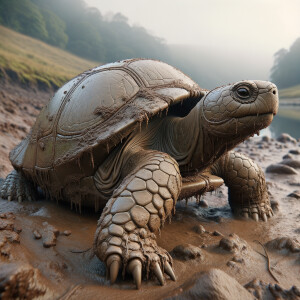
The mud turtle breed is a fascinating species known for its unique adaptation to aquatic environments and muddy habitats. These turtles possess a dark brown or black shell, allowing them to blend seamlessly into their surroundings for camouflage and protection. Mud turtles are primarily carnivorous, feeding on a variety of aquatic plants, insects, and small fish. They are characterized by their small size, with most adults reaching lengths of only 4-6 inches. Mud turtles are highly adaptable creatures, thriving in a range of wetland habitats across North America.
The mud turtle breed is a fascinating species known for its unique adaptation to aquatic environments and muddy habitats. These turtles possess a dark brown or black shell, allowing them to blend seamlessly into their surroundings for camouflage and protection. Mud turtles are primarily carnivorous, feeding on a variety of aquatic plants, insects, and small fish. They are characterized by their small size, with most adults reaching lengths of only 4-6 inches. Mud turtles are highly adaptable creatures, thriving in a range of wetland habitats across North America.
MUD TURTLE
The mud turtle is a small to medium sized freshwater turtle commonly found in the United States. Known for their dark brown or black shells and webbed feet, mud turtles primarily inhabit muddy bottoms of shallow water bodies. They are opportunistic feeders, consuming a varied diet of aquatic plants, insects, small fish, and crustaceans. With a life span of up to 50 years, mud turtles are popular as pets due to their manageable size and easy care requirements.
The mud turtle is a small to medium sized freshwater turtle commonly found in the United States. Known for their dark brown or black shells and webbed feet, mud turtles primarily inhabit muddy bottoms of shallow water bodies. They are opportunistic feeders, consuming a varied diet of aquatic plants, insects, small fish, and crustaceans. With a life span of up to 50 years, mud turtles are popular as pets due to their manageable size and easy care requirements.
MUSK
The musk turtle is a small freshwater turtle known for its distinct musky odor secreted from its specialized glands when it feels threatened or agitated. With a lifespan of up to 50 years, the musk turtle is an omnivorous species that primarily feeds on aquatic plants, small fish, and invertebrates. These turtles possess dark-colored shells with intricate patterns and are commonly found in slow-moving bodies of water across North America. Musk turtles are known for their unique natural history, providing valuable insights into the behavior and ecology of this species.
The musk turtle is a small freshwater turtle known for its distinct musky odor secreted from its specialized glands when it feels threatened or agitated. With a lifespan of up to 50 years, the musk turtle is an omnivorous species that primarily feeds on aquatic plants, small fish, and invertebrates. These turtles possess dark-colored shells with intricate patterns and are commonly found in slow-moving bodies of water across North America. Musk turtles are known for their unique natural history, providing valuable insights into the behavior and ecology of this species.

NORTHERN MAP TURTLE
The northern map turtle, also known as Graptemys geographica, is a semi aquatic turtle species native to North America. Recognized for its intricate shell pattern resembling contour lines on a map, this freshwater turtle is primarily found in rivers and streams across the northern United States and parts of Canada. Admired for their docile nature and unique appearance, northern map turtles are known for their basking behavior and omnivorous diet, playing a vital role in maintaining aquatic ecosystems.
The northern map turtle, also known as Graptemys geographica, is a semi aquatic turtle species native to North America. Recognized for its intricate shell pattern resembling contour lines on a map, this freshwater turtle is primarily found in rivers and streams across the northern United States and parts of Canada. Admired for their docile nature and unique appearance, northern map turtles are known for their basking behavior and omnivorous diet, playing a vital role in maintaining aquatic ecosystems.
ORNAMENTAL BOX
The ornamental box turtle, characterized by its vibrant patterns and colors, is a popular choice among turtle enthusiasts for its unique appearance. Known for its distinctive shell markings and playful demeanor, the ornamental box turtle requires specific care to thrive in captivity. With a diet consisting of a variety of insects, vegetation, and occasional fruits, this breed is a delightful addition to any aquatic or semi-aquatic habitat. Proper environmental conditions and attentive care are essential for these striking turtles' health and happiness.
The ornamental box turtle, characterized by its vibrant patterns and colors, is a popular choice among turtle enthusiasts for its unique appearance. Known for its distinctive shell markings and playful demeanor, the ornamental box turtle requires specific care to thrive in captivity. With a diet consisting of a variety of insects, vegetation, and occasional fruits, this breed is a delightful addition to any aquatic or semi-aquatic habitat. Proper environmental conditions and attentive care are essential for these striking turtles' health and happiness.
PAINTED
The painted turtle, scientifically known as Chrysemys picta, is a colorful and vibrant species commonly found in North America. Known for their distinctive red and yellow markings on their shells, painted turtles are semi-aquatic creatures that thrive in ponds, lakes, and slow-moving streams. With a diverse diet of plants, insects, and small aquatic creatures, these omnivores play a vital role in maintaining freshwater ecosystems. Painted turtles are popular among turtle enthusiasts for their striking appearance and easy care requirements, making them a beloved choice for aquatic pet owners.
The painted turtle, scientifically known as Chrysemys picta, is a colorful and vibrant species commonly found in North America. Known for their distinctive red and yellow markings on their shells, painted turtles are semi-aquatic creatures that thrive in ponds, lakes, and slow-moving streams. With a diverse diet of plants, insects, and small aquatic creatures, these omnivores play a vital role in maintaining freshwater ecosystems. Painted turtles are popular among turtle enthusiasts for their striking appearance and easy care requirements, making them a beloved choice for aquatic pet owners.
PAINTED TURTLE
The painted turtle, also known as Chrysemys picta, is a vibrant and hardy semi aquatic turtle species native to North America. With distinctive red and yellow markings on their shells and skin, painted turtles are cherished for their striking appearance. They thrive in freshwater habitats like ponds, lakes, and slow moving streams, where they feed on a diet of plants, insects, and small aquatic organisms. As popular pets, painted turtles require a well maintained habitat to simulate their natural environment and ensure their well being.
The painted turtle, also known as Chrysemys picta, is a vibrant and hardy semi aquatic turtle species native to North America. With distinctive red and yellow markings on their shells and skin, painted turtles are cherished for their striking appearance. They thrive in freshwater habitats like ponds, lakes, and slow moving streams, where they feed on a diet of plants, insects, and small aquatic organisms. As popular pets, painted turtles require a well maintained habitat to simulate their natural environment and ensure their well being.
PANCAKE TORTOISE
The pancake tortoise is a small, flat shelled turtle known for its unique appearance and behavior. Native to East Africa, these tortoises have a distinctive flexible shell that allows them to wedge themselves into rocky crevices for protection. Their diet consists mainly of grasses and plants, and they are considered one of the more peaceful turtle species. Due to habitat loss and collection for the pet trade, efforts are being made to conserve and protect this vulnerable species in the wild.
The pancake tortoise is a small, flat shelled turtle known for its unique appearance and behavior. Native to East Africa, these tortoises have a distinctive flexible shell that allows them to wedge themselves into rocky crevices for protection. Their diet consists mainly of grasses and plants, and they are considered one of the more peaceful turtle species. Due to habitat loss and collection for the pet trade, efforts are being made to conserve and protect this vulnerable species in the wild.
RED EARED SLIDER
The red-eared slider, scientifically known as Trachemys scripta elegans, is a popular turtle breed among reptile enthusiasts. Recognized by the distinctive red patch behind each eye, these semi-aquatic turtles are known for their vibrant appearance and sociable nature. Originating from the southern United States, they require a well-maintained aquatic habitat with a basking area to thrive. Red-eared sliders are omnivorous, feeding on a varied diet comprising commercial turtle pellets, fresh vegetables, and occasional live prey. With proper care and a spacious tank, red-eared sliders can live for several decades, making them rewarding and long-lived companions.
The red-eared slider, scientifically known as Trachemys scripta elegans, is a popular turtle breed among reptile enthusiasts. Recognized by the distinctive red patch behind each eye, these semi-aquatic turtles are known for their vibrant appearance and sociable nature. Originating from the southern United States, they require a well-maintained aquatic habitat with a basking area to thrive. Red-eared sliders are omnivorous, feeding on a varied diet comprising commercial turtle pellets, fresh vegetables, and occasional live prey. With proper care and a spacious tank, red-eared sliders can live for several decades, making them rewarding and long-lived companions.
REEVES TURTLE
Reeve's turtles, scientifically known as Mauremys reevesii, are small to medium sized turtles native to East Asia. They are highly popular in the pet trade due to their striking appearance and relatively easy care requirements. With a distinctively domed shell and vibrant orange and black markings on their limbs, Reeve's turtles are visually appealing. These omnivorous turtles typically inhabit freshwater environments such as ponds, streams, and rice paddies, where they feed on a variety of plant and animal matter.
Reeve's turtles, scientifically known as Mauremys reevesii, are small to medium sized turtles native to East Asia. They are highly popular in the pet trade due to their striking appearance and relatively easy care requirements. With a distinctively domed shell and vibrant orange and black markings on their limbs, Reeve's turtles are visually appealing. These omnivorous turtles typically inhabit freshwater environments such as ponds, streams, and rice paddies, where they feed on a variety of plant and animal matter.
ROTI ISLAND SNAKE NECKED TURTLE
The Roti Island snake necked turtle is a critically endangered species with a unique long neck and behavior distinct from other turtle breeds. Native to Indonesia's Roti Island, this turtle species is known for its striking appearance, with a dark shell and yellow markings. Due to habitat loss and poaching, conservation efforts are crucial to protect these fascinating creatures and ensure their survival for future generations.
The Roti Island snake necked turtle is a critically endangered species with a unique long neck and behavior distinct from other turtle breeds. Native to Indonesia's Roti Island, this turtle species is known for its striking appearance, with a dark shell and yellow markings. Due to habitat loss and poaching, conservation efforts are crucial to protect these fascinating creatures and ensure their survival for future generations.
RUSSIAN TORTOISE
The Russian tortoise, scientifically known as Agrionemys horsfieldii, is a small and hardy reptile species native to Central Asia. These herbivorous turtles are known for their friendly demeanor, making them popular pets among reptile enthusiasts. Russian tortoises are characterized by their domed shells, which provide protection from predators, and their ability to withstand harsh desert environments. They require a well balanced diet of leafy greens and limited fruit to thrive in captivity.
The Russian tortoise, scientifically known as Agrionemys horsfieldii, is a small and hardy reptile species native to Central Asia. These herbivorous turtles are known for their friendly demeanor, making them popular pets among reptile enthusiasts. Russian tortoises are characterized by their domed shells, which provide protection from predators, and their ability to withstand harsh desert environments. They require a well balanced diet of leafy greens and limited fruit to thrive in captivity.
LATEST PET BLOGS

DESIGNING THE PERFECT CATIO: SMALL-SPACE IDEAS FOR ENRICHMENT, SAFETY, AND HAPPY CATS
Create a compact, safe, and enriching catio that protects wildlife and keeps your cat healthy. Learn proven design tips for vertical layouts, escape-proof materials, weatherproofing, enrichment, and multi-cat flow.
Create a compact, safe, and enriching catio that protects wildlife and keeps your cat healthy. Learn proven design tips for vertical layouts, escape-proof materials, weatherproofing, enrichment, and multi-cat flow.

INVISIBLE THREATS: PROTECTING YOUR DOG FROM WILDFIRE SMOKE, POOR AIR, AND EXTREME HEAT
Simple, practical steps to keep your dog safe from wildfire smoke, bad air quality, and extreme heat — monitoring AQI, creating a clean room, cooling tips, and emergency actions.
Simple, practical steps to keep your dog safe from wildfire smoke, bad air quality, and extreme heat — monitoring AQI, creating a clean room, cooling tips, and emergency actions.

AI FOR FELINES: HOW SMART CAMERAS AND LITTER TECH CATCH CAT HEALTH ISSUES EARLY
Learn how smart cameras, AI litterboxes, collars, and water/feeding monitors spot stress, litterbox problems, and early health issues in cats so you can act before an emergency.
Learn how smart cameras, AI litterboxes, collars, and water/feeding monitors spot stress, litterbox problems, and early health issues in cats so you can act before an emergency.

PâTé VS GRAVY VS SHREDS: HOW CAT FOOD TEXTURE AFFECTS HYDRATION, TEETH & TASTE
Learn how pâté, gravy, and shreds affect your cat's water intake, dental health, and food preference — plus easy, vet-backed tips to choose the right texture for your cat.
Learn how pâté, gravy, and shreds affect your cat's water intake, dental health, and food preference — plus easy, vet-backed tips to choose the right texture for your cat.
CAMEROON'S HIDDEN AVIARY: TINY BIRDS, BIG STORIES, AND HOW TO SAVE THEM
Explore Cameroon's little-known birds and the quiet conservation wins that protect them. Learn about species like Bannerman's Turaco, Mount Kupe Bushshrike, Grey-necked Rockfowl, and practical actions that help.
Explore Cameroon's little-known birds and the quiet conservation wins that protect them. Learn about species like Bannerman's Turaco, Mount Kupe Bushshrike, Grey-necked Rockfowl, and practical actions that help.

AT-HOME GROOMING REVOLUTION: PRO-LEVEL ROUTINES FOR EVERY COAT (BUDGET-FRIENDLY)
Learn a practical, budget-smart plan to groom any dog coat at home like a pro. Tools, schedules, safety tips, and coat-specific step-by-step routines to keep your pup healthy and tidy without overspending.
Learn a practical, budget-smart plan to groom any dog coat at home like a pro. Tools, schedules, safety tips, and coat-specific step-by-step routines to keep your pup healthy and tidy without overspending.