
Select animal and breed you want to learn more about
Snake Breed Directory: Browse Traits, Care & Adoption Guides
LESSER BALL PYTHON
The lesser ball python, a popular snake breed in the reptile hobby, is characterized by its beautiful and unique coloration. With a soft greyish background color and prominent light brown markings, the lesser ball python is a visually striking snake. These pythons are known for their docile nature and manageable size, making them ideal pets for beginners and experienced reptile enthusiasts alike. Their calm demeanor and manageable care requirements contribute to their widespread popularity in the reptile community.
The lesser ball python, a popular snake breed in the reptile hobby, is characterized by its beautiful and unique coloration. With a soft greyish background color and prominent light brown markings, the lesser ball python is a visually striking snake. These pythons are known for their docile nature and manageable size, making them ideal pets for beginners and experienced reptile enthusiasts alike. Their calm demeanor and manageable care requirements contribute to their widespread popularity in the reptile community.
LEUCISTIC TEXAS RAT SNAKE
The leucistic Texas rat snake, a stunning reptile with a unique coloration, is a popular option for reptile enthusiasts. Recognized for its striking white appearance, this non venomous snake is native to Texas and surrounding areas. Belonging to the Elaphe obsoleta lindheimeri subspecies, the leucistic Texas rat snake boasts a docile demeanor making it an ideal pet for both novice and experienced snake keepers. With proper care and habitat, these captivating snakes can thrive in captivity for many years.
The leucistic Texas rat snake, a stunning reptile with a unique coloration, is a popular option for reptile enthusiasts. Recognized for its striking white appearance, this non venomous snake is native to Texas and surrounding areas. Belonging to the Elaphe obsoleta lindheimeri subspecies, the leucistic Texas rat snake boasts a docile demeanor making it an ideal pet for both novice and experienced snake keepers. With proper care and habitat, these captivating snakes can thrive in captivity for many years.
LONG NOSED SNAKE
The long nosed snake, sometimes known as the western long nosed snake, is a slender and highly distinctive serpent found primarily in the southwestern United States and parts of Mexico. With its elongated snout and striking coloration, these non venomous snakes are known for their docile nature and are popular among reptile enthusiasts. Long nosed snakes prefer arid habitats and are excellent burrowers, often preying on small lizards, rodents, and insects. Their unique appearance and gentle demeanor make them a coveted species for both novice and experienced snake keepers alike.
The long nosed snake, sometimes known as the western long nosed snake, is a slender and highly distinctive serpent found primarily in the southwestern United States and parts of Mexico. With its elongated snout and striking coloration, these non venomous snakes are known for their docile nature and are popular among reptile enthusiasts. Long nosed snakes prefer arid habitats and are excellent burrowers, often preying on small lizards, rodents, and insects. Their unique appearance and gentle demeanor make them a coveted species for both novice and experienced snake keepers alike.
MALAGASY GROUND BOA
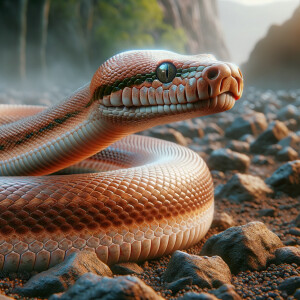
The Malagasy Ground Boa is a fascinating species native to Madagascar known for its distinctive amber coloring and impressive size, growing up to six feet long. These non venomous constrictors are primarily terrestrial, making their homes in the forests and grasslands of the island. They are solitary creatures, preying on small mammals and birds using their powerful coils to suffocate their prey. With their unique appearance and elusive nature, the Malagasy Ground Boa captivates snake enthusiasts and researchers alike.
The Malagasy Ground Boa is a fascinating species native to Madagascar known for its distinctive amber coloring and impressive size, growing up to six feet long. These non venomous constrictors are primarily terrestrial, making their homes in the forests and grasslands of the island. They are solitary creatures, preying on small mammals and birds using their powerful coils to suffocate their prey. With their unique appearance and elusive nature, the Malagasy Ground Boa captivates snake enthusiasts and researchers alike.
MANDARIN RAT SNAKE
The mandarin rat snake, scientifically known as Euprepiophis mandarinus, is a visually striking non venomous colubrid snake native to East and Southeast Asia. Known for its vibrant orange to reddish body adorned with black and yellow markings, this arboreal species is agile and elusive in nature. With a slender body and distinct head shape, mandarin rat snakes primarily feed on small rodents and birds in their natural habitat. Due to their captivating appearance and relatively docile temperament, they have gained popularity among reptile enthusiasts worldwide.
The mandarin rat snake, scientifically known as Euprepiophis mandarinus, is a visually striking non venomous colubrid snake native to East and Southeast Asia. Known for its vibrant orange to reddish body adorned with black and yellow markings, this arboreal species is agile and elusive in nature. With a slender body and distinct head shape, mandarin rat snakes primarily feed on small rodents and birds in their natural habitat. Due to their captivating appearance and relatively docile temperament, they have gained popularity among reptile enthusiasts worldwide.
MANGROVE SNAKE
The mangrove snake, scientifically known as Boiga dendrophila, is a fascinating snake species native to Southeast Asia and parts of Australia. These arboreal snakes are highly adaptable and can be found in various forested habitats, including mangrove swamps, hence their name. Mangrove snakes are known for their distinctive pattern of alternating black and yellow bands, making them visually striking. They are rear fanged venomous snakes, primarily feeding on birds and small mammals. Their slender bodies and excellent climbing abilities help them navigate their arboreal environment with ease.
The mangrove snake, scientifically known as Boiga dendrophila, is a fascinating snake species native to Southeast Asia and parts of Australia. These arboreal snakes are highly adaptable and can be found in various forested habitats, including mangrove swamps, hence their name. Mangrove snakes are known for their distinctive pattern of alternating black and yellow bands, making them visually striking. They are rear fanged venomous snakes, primarily feeding on birds and small mammals. Their slender bodies and excellent climbing abilities help them navigate their arboreal environment with ease.

MEDITERRANEAN HOUSE SNAKE
The Mediterranean house snake, also known as Hemorrhois hippocrepis, is a non venomous snake species found in various regions around the Mediterranean Sea. These snakes are small to medium sized, typically reaching lengths of 60 100 cm. They are known for their striking appearance, featuring a gray to brown body with dark blotches or bands. Mediterranean house snakes are primarily nocturnal and feed on a diet of small mammals, birds, and lizards. They are popular as pets due to their docile nature and ease of care.
The Mediterranean house snake, also known as Hemorrhois hippocrepis, is a non venomous snake species found in various regions around the Mediterranean Sea. These snakes are small to medium sized, typically reaching lengths of 60 100 cm. They are known for their striking appearance, featuring a gray to brown body with dark blotches or bands. Mediterranean house snakes are primarily nocturnal and feed on a diet of small mammals, birds, and lizards. They are popular as pets due to their docile nature and ease of care.
MEXICAN BLACK KINGSNAKE
The Mexican black kingsnake, scientifically known as Lampropeltis getula nigrita, is a popular snake breed admired for its striking black coloration with white or cream bands. These non venomous constrictors, native to Mexico, are known for their docile temperament, making them great pets for beginners and experienced snake enthusiasts alike. With a maximum length of around 4 6 feet, these beautiful snakes are known to be excellent hunters, preying on small mammals, birds, and other reptiles in the wild.
The Mexican black kingsnake, scientifically known as Lampropeltis getula nigrita, is a popular snake breed admired for its striking black coloration with white or cream bands. These non venomous constrictors, native to Mexico, are known for their docile temperament, making them great pets for beginners and experienced snake enthusiasts alike. With a maximum length of around 4 6 feet, these beautiful snakes are known to be excellent hunters, preying on small mammals, birds, and other reptiles in the wild.
MEXICAN ROSY BOA
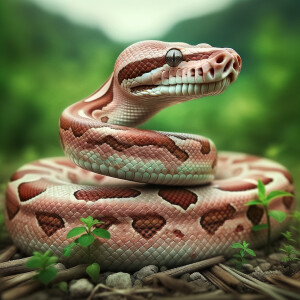
The Mexican rosy boa is a small, docile snake native to Mexico and the United States. Known for its beautiful coloration and gentle nature, this snake is a popular choice among reptile enthusiasts. With a maximum length of around 3 feet, Mexican rosy boas are relatively easy to care for and make great pets for beginners and experienced keepers alike. Their calm demeanor and manageable size make them a unique and fascinating addition to any reptile collection.
The Mexican rosy boa is a small, docile snake native to Mexico and the United States. Known for its beautiful coloration and gentle nature, this snake is a popular choice among reptile enthusiasts. With a maximum length of around 3 feet, Mexican rosy boas are relatively easy to care for and make great pets for beginners and experienced keepers alike. Their calm demeanor and manageable size make them a unique and fascinating addition to any reptile collection.
MEXICAN WEST COAST RATTLESNAKE
The Mexican West Coast Rattlesnake, scientifically known as Crotalus basiliscus, is a fascinating snake species native to the western coastal regions of Mexico. Recognizable for its distinctive rattling tail, this venomous pit viper features a unique coloration of pale grayish brown with darker brown blotches. Known for their ambush predation style, Mexican West Coast Rattlesnakes primarily prey on small mammals and birds in their natural habitats, showcasing a crucial role in their ecosystem as both predators and prey. With a striking appearance and important ecological impact, these snakes are a vital component of the diverse wildlife found along Mexico's west coast.
The Mexican West Coast Rattlesnake, scientifically known as Crotalus basiliscus, is a fascinating snake species native to the western coastal regions of Mexico. Recognizable for its distinctive rattling tail, this venomous pit viper features a unique coloration of pale grayish brown with darker brown blotches. Known for their ambush predation style, Mexican West Coast Rattlesnakes primarily prey on small mammals and birds in their natural habitats, showcasing a crucial role in their ecosystem as both predators and prey. With a striking appearance and important ecological impact, these snakes are a vital component of the diverse wildlife found along Mexico's west coast.
MILK SNAKE
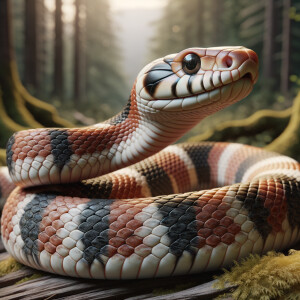
The milk snake is a non venomous species known for its vibrant and distinctive coloration, often featuring red, black, and white bands running the length of its slender body. With a docile temperament and relatively low maintenance requirements, milk snakes make popular pets among reptile enthusiasts. They can be found inhabiting a variety of habitats throughout North and South America, from forests and grasslands to rocky outcrops. Overall, milk snakes are a fascinating and visually striking snake breed that continues to captivate snake enthusiasts worldwide.
The milk snake is a non venomous species known for its vibrant and distinctive coloration, often featuring red, black, and white bands running the length of its slender body. With a docile temperament and relatively low maintenance requirements, milk snakes make popular pets among reptile enthusiasts. They can be found inhabiting a variety of habitats throughout North and South America, from forests and grasslands to rocky outcrops. Overall, milk snakes are a fascinating and visually striking snake breed that continues to captivate snake enthusiasts worldwide.
MOJAVE BALL PYTHON
The Mojave ball python is a strikingly beautiful snake known for its unique coloration and pattern. This python features a light tan to golden base color with rich, dark brown markings, creating a stunning contrast. As a popular choice among snake enthusiasts, the Mojave ball python is prized for its docile temperament and ease of care. With proper handling and husbandry, these snakes make wonderful pets for reptile lovers of all experience levels.
The Mojave ball python is a strikingly beautiful snake known for its unique coloration and pattern. This python features a light tan to golden base color with rich, dark brown markings, creating a stunning contrast. As a popular choice among snake enthusiasts, the Mojave ball python is prized for its docile temperament and ease of care. With proper handling and husbandry, these snakes make wonderful pets for reptile lovers of all experience levels.
LATEST PET BLOGS

FROM SUPPLEMENTS TO SUPERFOODS: VETTING 'COMPLETE' DOG FOOD CLAIMS
Learn how to read dog food labels, check AAFCO/FEDIAF adequacy, ask the right questions of manufacturers, do simple nutrient math, and separate real nutrition from marketing superfood claims.
Learn how to read dog food labels, check AAFCO/FEDIAF adequacy, ask the right questions of manufacturers, do simple nutrient math, and separate real nutrition from marketing superfood claims.

CAN YOU TRUST WET FOOD LABELS? A SHOPPER'S GUIDE TO FRISKIES, FANCY FEAST, AND WHAT YOUR CAT REALLY NEEDS
Learn how to read wet cat food labels, what parts are regulated and reliable, and step-by-step tips to compare Friskies, Fancy Feast, and other canned foods for your cat's health.
Learn how to read wet cat food labels, what parts are regulated and reliable, and step-by-step tips to compare Friskies, Fancy Feast, and other canned foods for your cat's health.

BEYOND LOOKS: PICK THE BEST FAMILY DOG BY ENERGY, SPACE, AND LIFESTYLE
Learn how to choose a family dog the smart way—by matching energy, space, and daily life instead of following trends or looks. Practical checklist, examples, and safety tips.
Learn how to choose a family dog the smart way—by matching energy, space, and daily life instead of following trends or looks. Practical checklist, examples, and safety tips.

GOOD TRAINING, NO PAIN: ARE SHOCK COLLARS BEING RESTRICTED? LAWS, VET ADVICE, AND SAFER ALTERNATIVES
By 2025–26 many countries have banned or tightly restricted shock collars. This post explains the latest laws, veterinary guidance, and humane alternatives you can use to keep dogs safe, legal, and well-trained.
By 2025–26 many countries have banned or tightly restricted shock collars. This post explains the latest laws, veterinary guidance, and humane alternatives you can use to keep dogs safe, legal, and well-trained.

WHY DOES MY CAT THROW UP? EASY GUIDE TO CAUSES, FIRST AID, AND PREVENTION
Find out why your cat is vomiting, when it's an emergency, what you can try at home, and how vets diagnose and treat recurring vomiting. Simple steps and prevention tips for cat owners.
Find out why your cat is vomiting, when it's an emergency, what you can try at home, and how vets diagnose and treat recurring vomiting. Simple steps and prevention tips for cat owners.

TOUGH TOY GUIDE: BEST DOG TOYS FOR AGGRESSIVE CHEWERS
Find safe, long-lasting dog toys for aggressive chewers. Learn which materials work best, top product picks (Goughnuts, West Paw, KONG), what to avoid, and how to rotate and inspect toys for safety.
Find safe, long-lasting dog toys for aggressive chewers. Learn which materials work best, top product picks (Goughnuts, West Paw, KONG), what to avoid, and how to rotate and inspect toys for safety.