
Select animal and breed you want to learn more about
Snake Breed Directory: Browse Traits, Care & Adoption Guides
MOTTLED ROCK RATTLESNAKE
The mottled rock rattlesnake is a fascinating snake species known for its stunning camouflage, which allows it to blend seamlessly into its rocky habitat. With a distinctive mottled pattern on its skin and a characteristic rattle on its tail, this snake possesses a venomous bite that aids in hunting and defense. Found primarily in rocky regions of North America, these snakes play an essential role in maintaining the biodiversity of their ecosystem.
The mottled rock rattlesnake is a fascinating snake species known for its stunning camouflage, which allows it to blend seamlessly into its rocky habitat. With a distinctive mottled pattern on its skin and a characteristic rattle on its tail, this snake possesses a venomous bite that aids in hunting and defense. Found primarily in rocky regions of North America, these snakes play an essential role in maintaining the biodiversity of their ecosystem.
NATAL GREEN SNAKE
The Natal green snake, a slender and elegant arboreal species native to southern Africa, is characterized by its vibrant green coloration, which aids in camouflaging within its lush forest habitat. Known for their docile nature and primarily insectivorous diet, Natal green snakes are popular among reptile enthusiasts for their manageable size and striking appearance. With a gentle disposition and relatively easy care requirements, these snakes are ideal for intermediate snake keepers seeking a rewarding and visually captivating pet.
The Natal green snake, a slender and elegant arboreal species native to southern Africa, is characterized by its vibrant green coloration, which aids in camouflaging within its lush forest habitat. Known for their docile nature and primarily insectivorous diet, Natal green snakes are popular among reptile enthusiasts for their manageable size and striking appearance. With a gentle disposition and relatively easy care requirements, these snakes are ideal for intermediate snake keepers seeking a rewarding and visually captivating pet.
NORTHERN PINE SNAKE
The Northern Pine Snake, scientifically known as Pituophis melanoleucus melanoleucus, is a fascinating species native to North America, specifically found in regions with sandy or rocky soils in the northeast. Known for their distinct black and white patterning resembling a pine cone, these non venomous constrictors are skilled burrowers and adept at hunting small mammals and birds. With a docile temperament, the Northern Pine Snake is a favorite among reptile enthusiasts for their unique appearance and low maintenance care requirements.
The Northern Pine Snake, scientifically known as Pituophis melanoleucus melanoleucus, is a fascinating species native to North America, specifically found in regions with sandy or rocky soils in the northeast. Known for their distinct black and white patterning resembling a pine cone, these non venomous constrictors are skilled burrowers and adept at hunting small mammals and birds. With a docile temperament, the Northern Pine Snake is a favorite among reptile enthusiasts for their unique appearance and low maintenance care requirements.
NORTHERN WATER SNAKE
The northern water snake, a common species found in North America, is characterized by its aquatic habitat preference and non venomous nature. These semi aquatic snakes have dark markings along their bodies and can often be mistaken for the venomous cottonmouth due to their similar appearance. With a diet primarily consisting of fish and amphibians, northern water snakes play a crucial role in maintaining the ecological balance of their freshwater habitats. It is important to handle them with caution as they may bite when feeling threatened.
The northern water snake, a common species found in North America, is characterized by its aquatic habitat preference and non venomous nature. These semi aquatic snakes have dark markings along their bodies and can often be mistaken for the venomous cottonmouth due to their similar appearance. With a diet primarily consisting of fish and amphibians, northern water snakes play a crucial role in maintaining the ecological balance of their freshwater habitats. It is important to handle them with caution as they may bite when feeling threatened.
OKEETEE CORN SNAKE
The okeetee corn snake is a popular and vibrant corn snake morph known for its striking appearance, featuring bold red saddles outlined in black on a bright orange background. Originating from a specific locale in South Carolina, okeetee corn snakes are highly sought after by reptile enthusiasts for their docile temperament, ease of care, and beautiful coloration. With their charming personalities and eye catching patterns, okeetee corn snakes make fantastic pets for beginner and experienced reptile keepers alike.
The okeetee corn snake is a popular and vibrant corn snake morph known for its striking appearance, featuring bold red saddles outlined in black on a bright orange background. Originating from a specific locale in South Carolina, okeetee corn snakes are highly sought after by reptile enthusiasts for their docile temperament, ease of care, and beautiful coloration. With their charming personalities and eye catching patterns, okeetee corn snakes make fantastic pets for beginner and experienced reptile keepers alike.
OLIVE PYTHON
The olive python, scientifically known as Liasis olivaceus, is a large non venomous snake native to northern Australia. They are recognized for their striking olive green coloration, which provides effective camouflage in their natural habitat of woodlands and rocky regions. With a docile temperament and impressive strength, olive pythons are popular among reptile enthusiasts despite their substantial size, often reaching lengths of up to 13 feet. These constrictors are skilled hunters, preying on a variety of mammals, birds, and reptiles in the wild.
The olive python, scientifically known as Liasis olivaceus, is a large non venomous snake native to northern Australia. They are recognized for their striking olive green coloration, which provides effective camouflage in their natural habitat of woodlands and rocky regions. With a docile temperament and impressive strength, olive pythons are popular among reptile enthusiasts despite their substantial size, often reaching lengths of up to 13 feet. These constrictors are skilled hunters, preying on a variety of mammals, birds, and reptiles in the wild.
ORNATE FLYING SNAKE
The ornate flying snake, scientifically known as Chrysopelea ornata, is a stunning arboreal species with vibrant patterns and the remarkable ability to glide through the air. Native to Southeast Asia, these slender-bodied snakes possess specialized rib structures that allow them to flatten their bodies and catch the wind, steering their flight path effortlessly. With their striking colors and aerial agility, ornate flying snakes captivate onlookers and exemplify the incredible diversity of adaptations found in the serpent world.
The ornate flying snake, scientifically known as Chrysopelea ornata, is a stunning arboreal species with vibrant patterns and the remarkable ability to glide through the air. Native to Southeast Asia, these slender-bodied snakes possess specialized rib structures that allow them to flatten their bodies and catch the wind, steering their flight path effortlessly. With their striking colors and aerial agility, ornate flying snakes captivate onlookers and exemplify the incredible diversity of adaptations found in the serpent world.
PUEBLAN MILK SNAKE
The Pueblan milk snake, also known as Lampropeltis triangulum campbelli, is a popular snake breed among reptile enthusiasts due to its vibrant colors and docile nature. Originating from Mexico, these non venomous snakes sport a distinctive red, black, and white banded pattern that mimics the venomous coral snake. Pueblan milk snakes are relatively small in size, easy to care for, and make great pets for beginner snake keepers looking for a visually stunning and low maintenance companion.
The Pueblan milk snake, also known as Lampropeltis triangulum campbelli, is a popular snake breed among reptile enthusiasts due to its vibrant colors and docile nature. Originating from Mexico, these non venomous snakes sport a distinctive red, black, and white banded pattern that mimics the venomous coral snake. Pueblan milk snakes are relatively small in size, easy to care for, and make great pets for beginner snake keepers looking for a visually stunning and low maintenance companion.
QUEENSLAND CARPET PYTHON
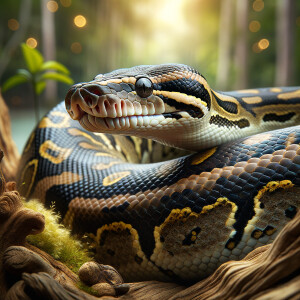
The Queensland carpet python, scientifically known as Morelia spilota mcdowelli, is a large non venomous snake native to Australia, particularly the Queensland region. These snakes are popular among reptile enthusiasts for their striking appearance, which includes a beautiful pattern of dark patches and yellow or cream colors. Known for their docile nature, Queensland carpet pythons make excellent pets for experienced reptile keepers. They thrive in a warm and humid environment and are skilled climbers, often seeking refuge in trees in the wild.
The Queensland carpet python, scientifically known as Morelia spilota mcdowelli, is a large non venomous snake native to Australia, particularly the Queensland region. These snakes are popular among reptile enthusiasts for their striking appearance, which includes a beautiful pattern of dark patches and yellow or cream colors. Known for their docile nature, Queensland carpet pythons make excellent pets for experienced reptile keepers. They thrive in a warm and humid environment and are skilled climbers, often seeking refuge in trees in the wild.
SAN FRANCISCO GARTER SNAKE
The San Francisco garter snake, native to California, is a visually striking and rare species known for its vibrant coloration of red, black, and turquoise scales. This non venomous snake, classified as endangered and protected under state and federal laws, inhabits marshlands and grasslands, preying on small fish and amphibians. Conservation efforts are essential to safeguard its diminishing population due to habitat loss and illegal collection. Its distinctive appearance and ecological importance make the San Francisco garter snake a symbol of conservation efforts in the region.
The San Francisco garter snake, native to California, is a visually striking and rare species known for its vibrant coloration of red, black, and turquoise scales. This non venomous snake, classified as endangered and protected under state and federal laws, inhabits marshlands and grasslands, preying on small fish and amphibians. Conservation efforts are essential to safeguard its diminishing population due to habitat loss and illegal collection. Its distinctive appearance and ecological importance make the San Francisco garter snake a symbol of conservation efforts in the region.
SAVU PYTHON
The Savu python, native to the Savu Islands in Indonesia, is a stunning and relatively small python species known for its vibrant colors and docile temperament. These beautiful snakes typically reach lengths of 4 6 feet and can live up to 20 years in captivity with proper care. Savu pythons are highly sought after by reptile enthusiasts for their unique pattern variations and manageable size, making them an ideal choice for both beginner and experienced snake keepers.
The Savu python, native to the Savu Islands in Indonesia, is a stunning and relatively small python species known for its vibrant colors and docile temperament. These beautiful snakes typically reach lengths of 4 6 feet and can live up to 20 years in captivity with proper care. Savu pythons are highly sought after by reptile enthusiasts for their unique pattern variations and manageable size, making them an ideal choice for both beginner and experienced snake keepers.
SCARLET KINGSNAKE
The scarlet kingsnake, known for its vibrant red, black, and white bands, is a nonvenomous snake species found predominantly in the southeastern United States. With a slender body and smooth scales, these small constrictors are popular among reptile enthusiasts for their striking appearance and docile nature. Feeding primarily on other small reptiles and amphibians, scarlet kingsnakes play a vital role in maintaining a balanced ecosystem. Their mimicry of the venomous coral snake serves as protective camouflage in the wild.
The scarlet kingsnake, known for its vibrant red, black, and white bands, is a nonvenomous snake species found predominantly in the southeastern United States. With a slender body and smooth scales, these small constrictors are popular among reptile enthusiasts for their striking appearance and docile nature. Feeding primarily on other small reptiles and amphibians, scarlet kingsnakes play a vital role in maintaining a balanced ecosystem. Their mimicry of the venomous coral snake serves as protective camouflage in the wild.
LATEST PET BLOGS

FROM SUPPLEMENTS TO SUPERFOODS: VETTING 'COMPLETE' DOG FOOD CLAIMS
Learn how to read dog food labels, check AAFCO/FEDIAF adequacy, ask the right questions of manufacturers, do simple nutrient math, and separate real nutrition from marketing superfood claims.
Learn how to read dog food labels, check AAFCO/FEDIAF adequacy, ask the right questions of manufacturers, do simple nutrient math, and separate real nutrition from marketing superfood claims.

CAN YOU TRUST WET FOOD LABELS? A SHOPPER'S GUIDE TO FRISKIES, FANCY FEAST, AND WHAT YOUR CAT REALLY NEEDS
Learn how to read wet cat food labels, what parts are regulated and reliable, and step-by-step tips to compare Friskies, Fancy Feast, and other canned foods for your cat's health.
Learn how to read wet cat food labels, what parts are regulated and reliable, and step-by-step tips to compare Friskies, Fancy Feast, and other canned foods for your cat's health.

BEYOND LOOKS: PICK THE BEST FAMILY DOG BY ENERGY, SPACE, AND LIFESTYLE
Learn how to choose a family dog the smart way—by matching energy, space, and daily life instead of following trends or looks. Practical checklist, examples, and safety tips.
Learn how to choose a family dog the smart way—by matching energy, space, and daily life instead of following trends or looks. Practical checklist, examples, and safety tips.

GOOD TRAINING, NO PAIN: ARE SHOCK COLLARS BEING RESTRICTED? LAWS, VET ADVICE, AND SAFER ALTERNATIVES
By 2025–26 many countries have banned or tightly restricted shock collars. This post explains the latest laws, veterinary guidance, and humane alternatives you can use to keep dogs safe, legal, and well-trained.
By 2025–26 many countries have banned or tightly restricted shock collars. This post explains the latest laws, veterinary guidance, and humane alternatives you can use to keep dogs safe, legal, and well-trained.
WHY DOES MY CAT THROW UP? EASY GUIDE TO CAUSES, FIRST AID, AND PREVENTION
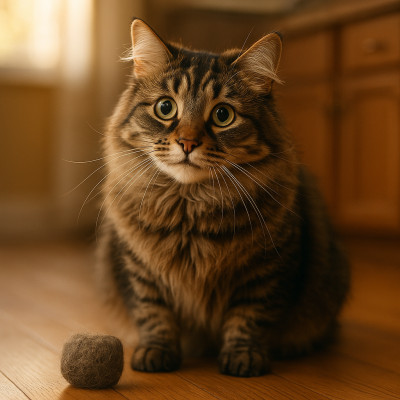
Find out why your cat is vomiting, when it's an emergency, what you can try at home, and how vets diagnose and treat recurring vomiting. Simple steps and prevention tips for cat owners.
Find out why your cat is vomiting, when it's an emergency, what you can try at home, and how vets diagnose and treat recurring vomiting. Simple steps and prevention tips for cat owners.

TOUGH TOY GUIDE: BEST DOG TOYS FOR AGGRESSIVE CHEWERS
Find safe, long-lasting dog toys for aggressive chewers. Learn which materials work best, top product picks (Goughnuts, West Paw, KONG), what to avoid, and how to rotate and inspect toys for safety.
Find safe, long-lasting dog toys for aggressive chewers. Learn which materials work best, top product picks (Goughnuts, West Paw, KONG), what to avoid, and how to rotate and inspect toys for safety.