
Select animal and breed you want to learn more about
Snake Breed Directory: Browse Traits, Care & Adoption Guides
TRANS PECOS RAT SNAKE
The Trans Pecos Rat Snake, scientifically known as Bogertophis subocularis, is a non venomous snake species native to the southwestern United States and northern Mexico. They are known for their striking appearance, with a light gray or tan body adorned with dark blotches or stripes. These snakes are constrictors, preying mainly on small rodents, birds, and eggs. In terms of temperament, they are generally docile but can become defensive when threatened. As a popular choice among snake enthusiasts, they thrive in captivity with proper care and habitat setup.
The Trans Pecos Rat Snake, scientifically known as Bogertophis subocularis, is a non venomous snake species native to the southwestern United States and northern Mexico. They are known for their striking appearance, with a light gray or tan body adorned with dark blotches or stripes. These snakes are constrictors, preying mainly on small rodents, birds, and eggs. In terms of temperament, they are generally docile but can become defensive when threatened. As a popular choice among snake enthusiasts, they thrive in captivity with proper care and habitat setup.
VARIABLE KINGSNAKE
The Variable Kingsnake, known for its stunning array of colors and patterns, is a nonvenomous snake species native to the southern United States and Mexico. This adaptable snake comes in a wide range of color variations, earning its name 'variable'. With a docile temperament and relatively easy husbandry requirements, the Variable Kingsnake is a popular choice among snake enthusiasts. Its diet consists mainly of rodents and other small prey, making it an excellent choice for beginner and experienced reptile keepers alike.
The Variable Kingsnake, known for its stunning array of colors and patterns, is a nonvenomous snake species native to the southern United States and Mexico. This adaptable snake comes in a wide range of color variations, earning its name 'variable'. With a docile temperament and relatively easy husbandry requirements, the Variable Kingsnake is a popular choice among snake enthusiasts. Its diet consists mainly of rodents and other small prey, making it an excellent choice for beginner and experienced reptile keepers alike.
VIETNAMESE BLUE BEAUTY RAT SNAKE
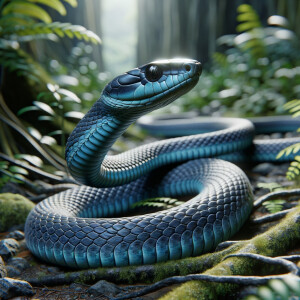
The Vietnamese Blue Beauty Rat Snake is a stunningly beautiful species, known for its vibrant blue coloration and elegant slender body. Native to Vietnam, these non venomous snakes are prized for their striking appearance and docile nature, making them popular among reptile enthusiasts. Their iridescent blue scales shimmer in the light, reflecting their nickname "blue beauty." These snakes are relatively small in size, reaching lengths of around 3 4 feet, and are often kept in captivity due to their captivating beauty and mild temperament.
The Vietnamese Blue Beauty Rat Snake is a stunningly beautiful species, known for its vibrant blue coloration and elegant slender body. Native to Vietnam, these non venomous snakes are prized for their striking appearance and docile nature, making them popular among reptile enthusiasts. Their iridescent blue scales shimmer in the light, reflecting their nickname "blue beauty." These snakes are relatively small in size, reaching lengths of around 3 4 feet, and are often kept in captivity due to their captivating beauty and mild temperament.
WESTERN HOGNOSE
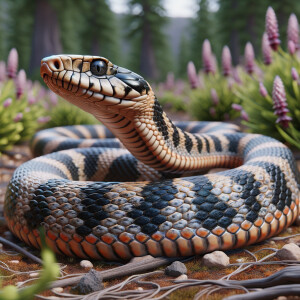
The western hognose snake, also known as Heterodon nasicus, is a small but feisty colubrid species native to North America. Characterized by their upturned snouts, they primarily feed on toads in the wild. Western hognoses are known for their unique defensive behaviors, including playing dead and hissing loudly when threatened. With a distinctive appearance and interesting behaviors, these snakes have become popular pets among reptile enthusiasts. Their manageable size and striking patterns make them a favorite choice for beginner and experienced snake keepers alike.
The western hognose snake, also known as Heterodon nasicus, is a small but feisty colubrid species native to North America. Characterized by their upturned snouts, they primarily feed on toads in the wild. Western hognoses are known for their unique defensive behaviors, including playing dead and hissing loudly when threatened. With a distinctive appearance and interesting behaviors, these snakes have become popular pets among reptile enthusiasts. Their manageable size and striking patterns make them a favorite choice for beginner and experienced snake keepers alike.
WOMA PYTHON
The woma python, also known as Aspidites ramsayi, is a medium sized snake native to Australia. Known for its distinctive markings and slender body, the woma python is a popular choice among snake enthusiasts for its docile temperament and manageable size. With a unique method of constriction that involves wrapping around its prey and using its strong muscles to suffocate it, the woma python is a fascinating and captivating species that continues to intrigue and delight reptile lovers around the world.
The woma python, also known as Aspidites ramsayi, is a medium sized snake native to Australia. Known for its distinctive markings and slender body, the woma python is a popular choice among snake enthusiasts for its docile temperament and manageable size. With a unique method of constriction that involves wrapping around its prey and using its strong muscles to suffocate it, the woma python is a fascinating and captivating species that continues to intrigue and delight reptile lovers around the world.
YELLOW BELLIED SEA SNAKE
The yellow bellied sea snake, scientifically known as Pelamis platurus, is a highly venomous aquatic serpent found throughout tropical and subtropical oceans worldwide. Its distinctive yellow underside serves as a warning signal to potential predators, contrasting with its dark olive to black dorsal surface for camouflage in the water. This species exhibits a remarkable ability to survive and reproduce in oceanic environments, relying primarily on fish as its prey. With adaptive adaptations to its marine habitat and potent venom for hunting, the yellow bellied sea snake is a fascinating and resilient species.
The yellow bellied sea snake, scientifically known as Pelamis platurus, is a highly venomous aquatic serpent found throughout tropical and subtropical oceans worldwide. Its distinctive yellow underside serves as a warning signal to potential predators, contrasting with its dark olive to black dorsal surface for camouflage in the water. This species exhibits a remarkable ability to survive and reproduce in oceanic environments, relying primarily on fish as its prey. With adaptive adaptations to its marine habitat and potent venom for hunting, the yellow bellied sea snake is a fascinating and resilient species.
YELLOW RAT SNAKE
The yellow rat snake, scientifically known as Pantherophis obsoletus quadrivittata, is a non venomous constrictor native to the southeastern United States. It is characterized by its vibrant yellow coloration with four dark stripes running down its body. Yellow rat snakes are excellent climbers and proficient hunters of rodents, birds, and eggs. They play a crucial role in controlling rodent populations in their habitat. Due to their striking appearance and gentle demeanor, they are popular among reptile enthusiasts as pets.
The yellow rat snake, scientifically known as Pantherophis obsoletus quadrivittata, is a non venomous constrictor native to the southeastern United States. It is characterized by its vibrant yellow coloration with four dark stripes running down its body. Yellow rat snakes are excellent climbers and proficient hunters of rodents, birds, and eggs. They play a crucial role in controlling rodent populations in their habitat. Due to their striking appearance and gentle demeanor, they are popular among reptile enthusiasts as pets.
YUCATAN MILK SNAKE
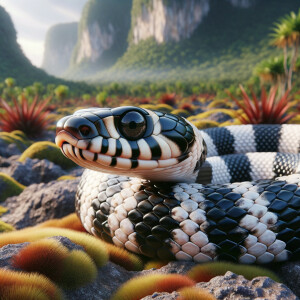
The Yucatan milk snake, native to the Yucatan Peninsula in Mexico, is a striking reptile distinguished by its vibrant red, black, and cream colored bands that mimic the appearance of the venomous coral snake. Known for their docile nature and appealing appearance, these non venomous constrictors are popular among reptile enthusiasts. Yucatan milk snakes thrive in moderate temperatures and humidity levels, primarily feeding on rodents in captivity. With proper care and handling, these snakes can make fascinating pets for dedicated reptile keepers.
The Yucatan milk snake, native to the Yucatan Peninsula in Mexico, is a striking reptile distinguished by its vibrant red, black, and cream colored bands that mimic the appearance of the venomous coral snake. Known for their docile nature and appealing appearance, these non venomous constrictors are popular among reptile enthusiasts. Yucatan milk snakes thrive in moderate temperatures and humidity levels, primarily feeding on rodents in captivity. With proper care and handling, these snakes can make fascinating pets for dedicated reptile keepers.
ZIMBABWE HOUSE SNAKE
The Zimbabwe house snake, scientifically known as Lamprophis fuliginosus, is a non-venomous snake native to Southern Africa. These slender snakes are popular among reptile enthusiasts for their manageable size, docile nature, and attractive color patterns. They are adaptable to various habitats, including grasslands and forests, and primarily feed on rodents. Zimbabwe house snakes are known for their inquisitive behavior and make excellent pets for beginners due to their low maintenance requirements and gentle demeanor.
The Zimbabwe house snake, scientifically known as Lamprophis fuliginosus, is a non-venomous snake native to Southern Africa. These slender snakes are popular among reptile enthusiasts for their manageable size, docile nature, and attractive color patterns. They are adaptable to various habitats, including grasslands and forests, and primarily feed on rodents. Zimbabwe house snakes are known for their inquisitive behavior and make excellent pets for beginners due to their low maintenance requirements and gentle demeanor.
ZULULAND DWARF CHAMELEON SNAKE
The Zululand dwarf chameleon snake, a rare and uniquely captivating species native to the tropical forests of Zululand, is renowned for its diminutive size and chameleon-like characteristics. With a maximum length of only 30 centimeters, this snake displays a striking color-changing ability reminiscent of its chameleon namesake, aiding in both camouflage and communication. Despite its small stature, the Zululand dwarf chameleon snake is a highly adaptable and elusive predator, utilizing its specialized hunting skills to thrive in its lush jungle habitat.
The Zululand dwarf chameleon snake, a rare and uniquely captivating species native to the tropical forests of Zululand, is renowned for its diminutive size and chameleon-like characteristics. With a maximum length of only 30 centimeters, this snake displays a striking color-changing ability reminiscent of its chameleon namesake, aiding in both camouflage and communication. Despite its small stature, the Zululand dwarf chameleon snake is a highly adaptable and elusive predator, utilizing its specialized hunting skills to thrive in its lush jungle habitat.
LATEST PET BLOGS

FROM SUPPLEMENTS TO SUPERFOODS: VETTING 'COMPLETE' DOG FOOD CLAIMS
Learn how to read dog food labels, check AAFCO/FEDIAF adequacy, ask the right questions of manufacturers, do simple nutrient math, and separate real nutrition from marketing superfood claims.
Learn how to read dog food labels, check AAFCO/FEDIAF adequacy, ask the right questions of manufacturers, do simple nutrient math, and separate real nutrition from marketing superfood claims.

CAN YOU TRUST WET FOOD LABELS? A SHOPPER'S GUIDE TO FRISKIES, FANCY FEAST, AND WHAT YOUR CAT REALLY NEEDS
Learn how to read wet cat food labels, what parts are regulated and reliable, and step-by-step tips to compare Friskies, Fancy Feast, and other canned foods for your cat's health.
Learn how to read wet cat food labels, what parts are regulated and reliable, and step-by-step tips to compare Friskies, Fancy Feast, and other canned foods for your cat's health.

BEYOND LOOKS: PICK THE BEST FAMILY DOG BY ENERGY, SPACE, AND LIFESTYLE
Learn how to choose a family dog the smart way—by matching energy, space, and daily life instead of following trends or looks. Practical checklist, examples, and safety tips.
Learn how to choose a family dog the smart way—by matching energy, space, and daily life instead of following trends or looks. Practical checklist, examples, and safety tips.

GOOD TRAINING, NO PAIN: ARE SHOCK COLLARS BEING RESTRICTED? LAWS, VET ADVICE, AND SAFER ALTERNATIVES
By 2025–26 many countries have banned or tightly restricted shock collars. This post explains the latest laws, veterinary guidance, and humane alternatives you can use to keep dogs safe, legal, and well-trained.
By 2025–26 many countries have banned or tightly restricted shock collars. This post explains the latest laws, veterinary guidance, and humane alternatives you can use to keep dogs safe, legal, and well-trained.

WHY DOES MY CAT THROW UP? EASY GUIDE TO CAUSES, FIRST AID, AND PREVENTION
Find out why your cat is vomiting, when it's an emergency, what you can try at home, and how vets diagnose and treat recurring vomiting. Simple steps and prevention tips for cat owners.
Find out why your cat is vomiting, when it's an emergency, what you can try at home, and how vets diagnose and treat recurring vomiting. Simple steps and prevention tips for cat owners.

TOUGH TOY GUIDE: BEST DOG TOYS FOR AGGRESSIVE CHEWERS
Find safe, long-lasting dog toys for aggressive chewers. Learn which materials work best, top product picks (Goughnuts, West Paw, KONG), what to avoid, and how to rotate and inspect toys for safety.
Find safe, long-lasting dog toys for aggressive chewers. Learn which materials work best, top product picks (Goughnuts, West Paw, KONG), what to avoid, and how to rotate and inspect toys for safety.