
How the Work‑From‑Home Boom Rewrote Dog Care: Routines, Reactions, and the New Normal
Search our dog listings!
Why this matters right now
Many people kept working from home after the pandemic, and that changed dogs' days in big ways. Dogs saw owners more often, got more short walks and enrichment breaks, and often had less alone time. Now that hybrid schedules are common, some dogs struggle when owners go back to the office or step out for long meetings.
Dogs near Columbus
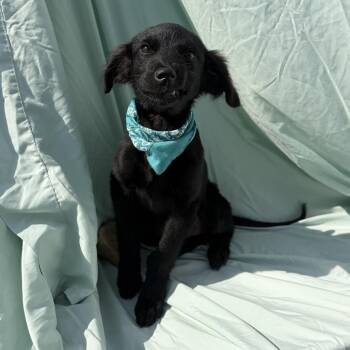
PAWPAW
Mixed Breed
🇺🇸
Canal Winchester, Ohio
female, small, baby
Mixed Breed
Canal Winchester, Ohio
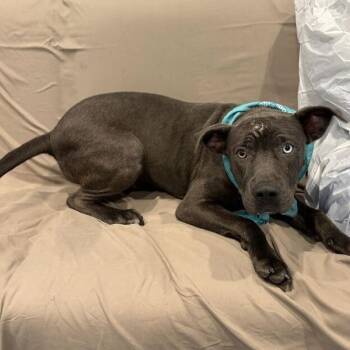
BUGS BUNNY
Mixed Breed
🇺🇸
Canal Winchester, Ohio
male, medium, young
Mixed Breed
Canal Winchester, Ohio
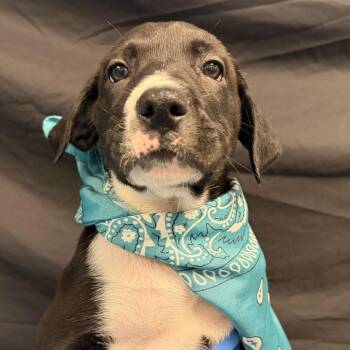
PECAN
Mixed Breed
🇺🇸
Canal Winchester, Ohio
male, medium, baby
Mixed Breed
Canal Winchester, Ohio
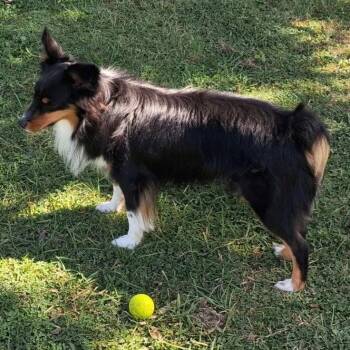
SMUDGE
Shetland Sheepdog Sheltie
🇺🇸
Dublin, Ohio
male, medium, young
Shetland Sheepdog Sheltie
Dublin, Ohio
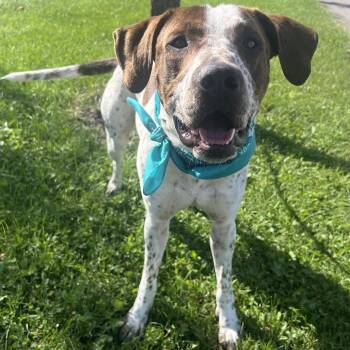
FOG HORN
Mixed Breed
🇺🇸
Canal Winchester, Ohio
male, large, young
Mixed Breed
Canal Winchester, Ohio
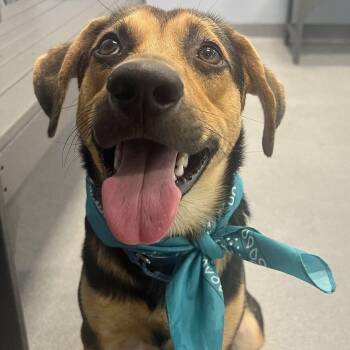
PORKY PIG
Mixed Breed
🇺🇸
Canal Winchester, Ohio
male, medium, young
Mixed Breed
Canal Winchester, Ohio
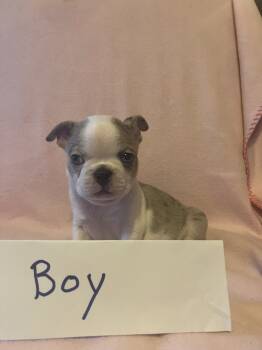
PREMIUM
$900
TINKER
Boston Terrier
🇺🇸
Columbus, Ohio
male, small, young, mixed
Boston Terrier
Columbus, Ohio
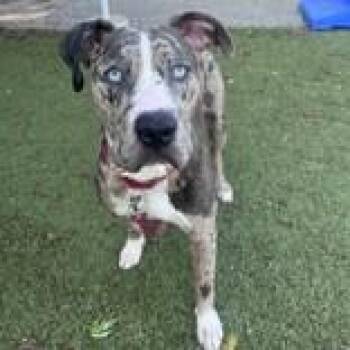
SOLDIER
Mixed Breed, Great Dane
🇺🇸
Hilliard, Ohio
male, large, young
Mixed Breed, Great Dane
Hilliard, Ohio
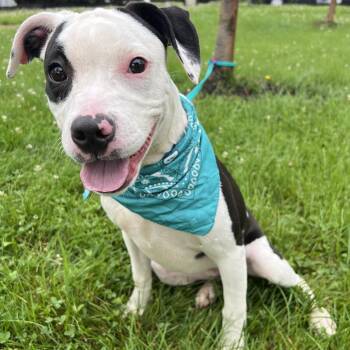
YANG
Mixed Breed
🇺🇸
Canal Winchester, Ohio
female, medium, young
Mixed Breed
Canal Winchester, Ohio
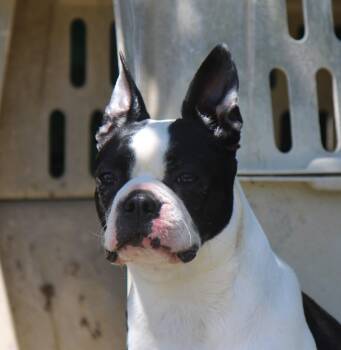
MOLLY THE BT
Boston Terrier
🇺🇸
Plain City, Ohio
female, small, adult
Boston Terrier
Plain City, Ohio
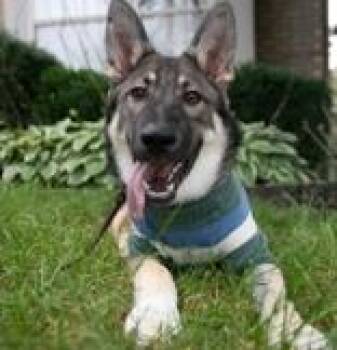
KODA
German Shepherd Dog
🇺🇸
Hilliard, Ohio
male, large, young
German Shepherd Dog
Hilliard, Ohio
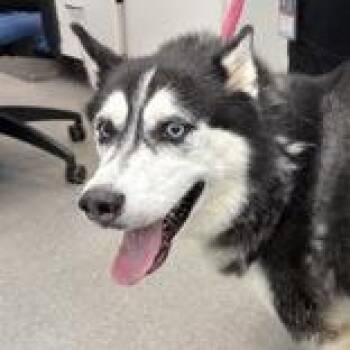
LUNA SUN
Husky
🇺🇸
Hilliard, Ohio
female, large, senior
Husky
Hilliard, Ohio
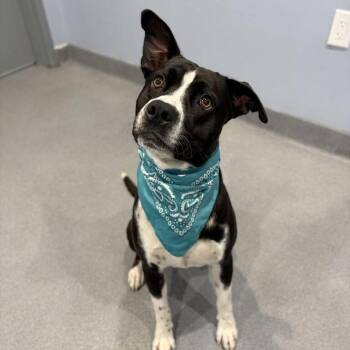
BUDDY
Mixed Breed
🇺🇸
Canal Winchester, Ohio
male, large, adult
Mixed Breed
Canal Winchester, Ohio
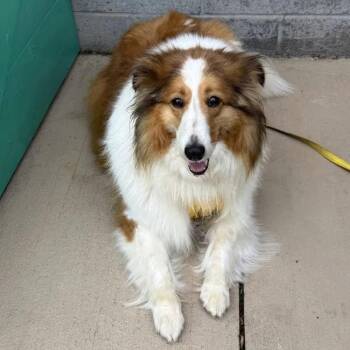
SADIE GRACE
Shetland Sheepdog Sheltie
🇺🇸
Dublin, Ohio
female, medium, adult
Shetland Sheepdog Sheltie
Dublin, Ohio
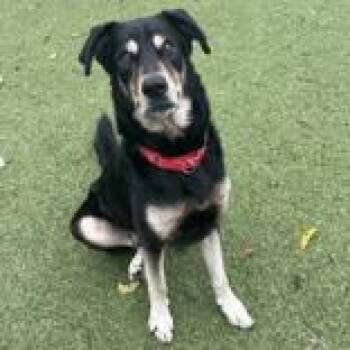
DUKE
Siberian Husky, Labrador Retriever
🇺🇸
Hilliard, Ohio
male, large, adult
Siberian Husky, Labrador Retriever
Hilliard, Ohio
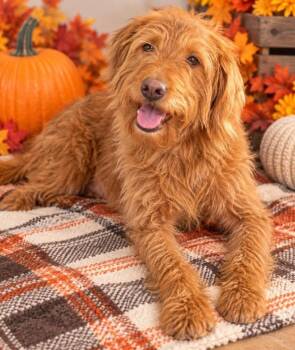
FIONA
Labrador Retriever, Poodle
🇺🇸
Ashville, Ohio
female, medium, adult
Labrador Retriever, Poodle
Ashville, Ohio
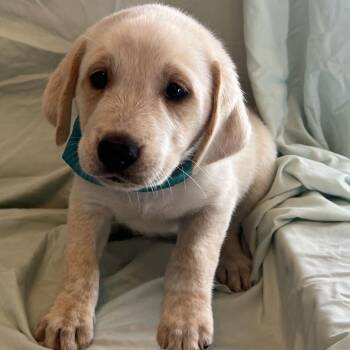
JANET
Mixed Breed
🇺🇸
Canal Winchester, Ohio
male, medium, baby
Mixed Breed
Canal Winchester, Ohio
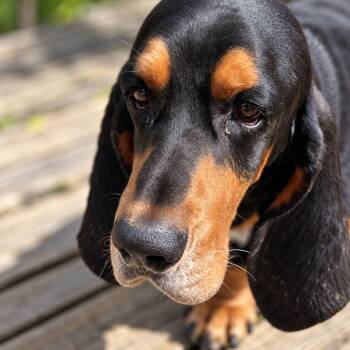
ROSCOE
Basset Hound
🇺🇸
Plain City, Ohio
male, medium, adult
Basset Hound
Plain City, Ohio
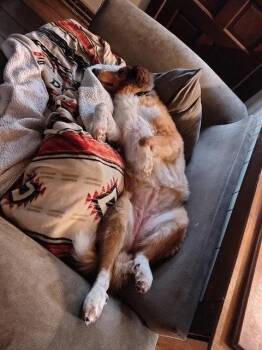
LULU
Collie
🇺🇸
Dublin, Ohio
female, medium, adult
Collie
Dublin, Ohio
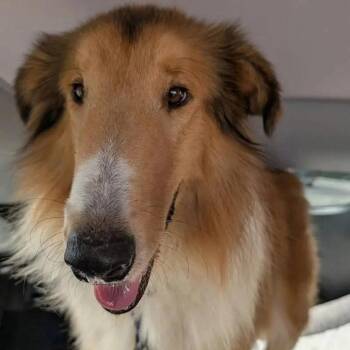
ZANE
Collie
🇺🇸
Dublin, Ohio
male, large, young
Collie
Dublin, Ohio
What changed for dogs during the WFH boom
When owners were home all the time, dogs learned that people were always available, which reinforced attention-seeking behaviors. Puppies raised in lockdown often missed normal social experiences and can be more fearful or reactive now. Delivery knocks, frequent hallway traffic, and constant activity also made many dogs more alert and noisy during the day.
Who is most at risk
Pandemic puppies and first-time dog owners face special challenges because early socialization and predictable alone-time were disrupted. Dogs that got used to near-constant company may show separation-related behaviors when left alone again. Older dogs can also develop new reactivity if household routines suddenly change.
Common signs your dog needs retraining
- Persistent barking, whining, or howling when you leave
- Pacing, drooling, or trying to escape doors and crates
- Soiling indoors only when left alone
- Refusing treats or chews while alone (a sign of high stress)
Big-picture fixes: be intentional and schedule-first
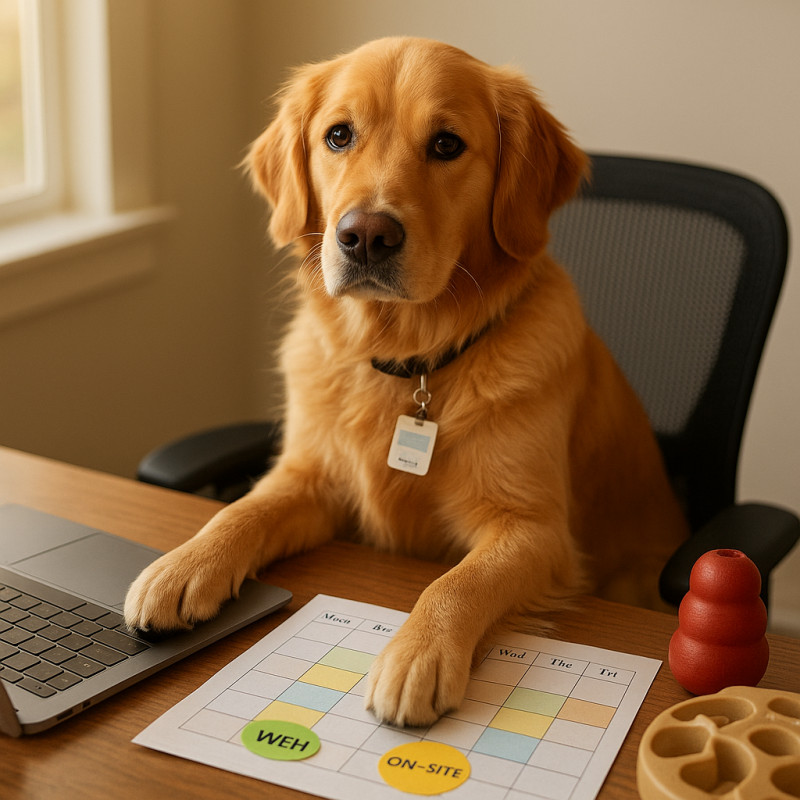
Think of your dog like part of your weekly calendar: plan exercise, enrichment, alone-time practice, and backup care around hybrid workdays. A consistent weekly template reduces uncertainty and helps dogs learn what to expect. Predictability is especially important on on-site days—use the same cues and timing so your dog can build confidence.
Alone-time ladder: a step-by-step rebuild
Start very small and only increase time when your dog is calm. Begin with a few seconds out of sight, then minutes in another room, then short trips outside, and finally longer absences. Use a camera to watch for signs of stress and back up a step if the dog vocalizes or paces. Always pair departures with a calm cue and a long-lasting, low-arousal chew.
A weekday example you can use
Morning: 30–60 minutes of exercise that includes sniffing, then breakfast via a puzzle feeder and a 10–15 minute calm-down window before you start work. Work block 1: rest cue (mat), visual barrier, and a predictable enrichment item for meeting times. Midday: short toilet break plus a 10–20 minute sniff-walk or play session. Work block 2: practice short out-of-sight absences in 1–5 minute sets using your camera. Evening: low-arousal bonding and a bedtime routine to protect sleep and rest quality.
Meeting hour tricks and delivery stress
Before important calls, give your dog a toilet break, 10–15 minutes of sniffing or puzzle feeding, and a long-lasting chew in a quiet zone. White noise or a fan can mask hallway and doorbell sounds. For persistent door-reactivity, use a visual barrier, train a "go to mat" cue away from the door, and practice calm responses to knocks at low intensity.
Socialization catch-up for pandemic pups
Focus on short, controlled exposures: calm distance greetings, parallel walks, and one successful new experience per day. Use scent work and low-key treats in new places to build positive associations without overwhelming your dog. Over time, increase challenge slowly and keep sessions positive and short.
When to use daycare, walkers, or sitters
Hybrid schedules created demand for ad hoc care like half-days at daycare or solo walks timed to on-site workdays. If your dog cannot tolerate your planned absence yet, arrange backup care rather than stretching them beyond their tolerance and rehearsing panic. Book early in busy cities—daycare waitlists can grow quickly.
Tools that help (but don’t replace training)
Cameras, treat-tossers, and sensors are great for monitoring and giving treats during short absences, but they don’t build long-term independence on their own. Use puzzle feeders, lick mats, and stuffed Kongs to encourage long-lasting, low-arousal activity. Visual barriers, comfy resting spots, and white noise support daytime rest.
Red flags and when to get professional help
If your dog refuses treats when alone, has escape attempts, injures themselves, or soils indoors only when left, seek help. Start with a vet to rule out medical causes and then consult a credentialed behavior professional. Avoid punishment for stress-driven behaviors—it usually makes anxiety worse.
Practical, budget-friendly tips
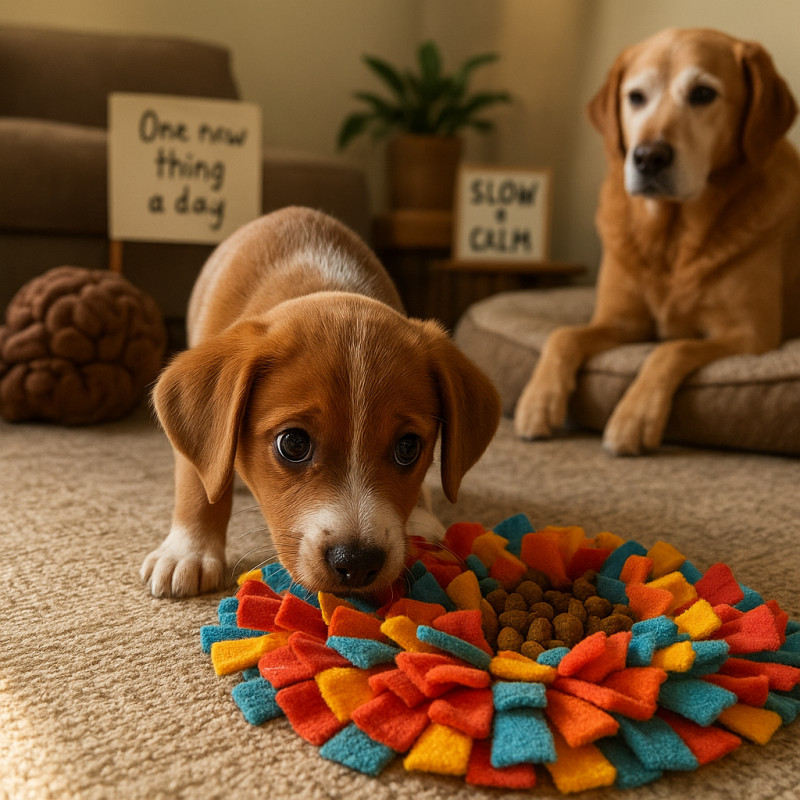
- Rotate DIY enrichment like snuffle mats and cardboard foraging to keep costs low
- Form neighborhood co-ops for walks and drop-in checks
- Use free guidance from welfare groups and vet clinics for stepwise training
Bottom line: plan like you plan your workweek
The WFH boom gave many dogs closer bonds and more daily stimulation, but it also created new behavior risks when routines shift. The simplest solution is to be deliberate: set a weekly care roster, rebuild alone-time with a ladder approach, protect rest, and book contingency care for on-site days. With predictable routines and a few small changes, most dogs can relearn independence and thrive in the hybrid normal.
Search our dog listings!
Back to pet blog