
Gentle Giants, Not Myths: Maine Coon Size, Grooming & Health Explained
Search our cat listings!
Meet the real Maine Coon
Maine Coons are large, friendly cats with big hearts and thick coats, but they aren’t mythical giants that need strange or extreme care. Many myths about size, grooming, and health come from outlier stories and social-media bragging rather than veterinary guidance. This post clears up common misunderstandings and gives practical, evidence-based tips you can use today.
Cats near Columbus
CITRICO
Domestic Short Hair
🇺🇸
Dublin, Ohio
female, medium, baby
Domestic Short Hair
Dublin, Ohio
APPLE(TREE) AND PEAR (TREE)
Domestic Short Hair
🇺🇸
Columbus, Ohio
male, medium, young
Domestic Short Hair
Columbus, Ohio
TROY
Domestic Short Hair
🇺🇸
Hilliard, Ohio
male, medium, adult
Domestic Short Hair
Hilliard, Ohio
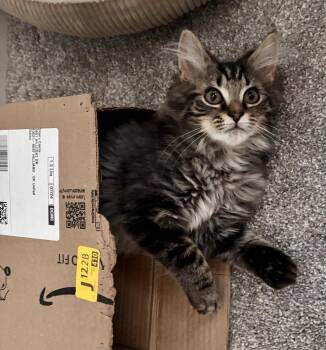
DAPHNE
Domestic Long Hair, Tabby
🇺🇸
Dublin, Ohio
female, medium, baby
Domestic Long Hair, Tabby
Dublin, Ohio
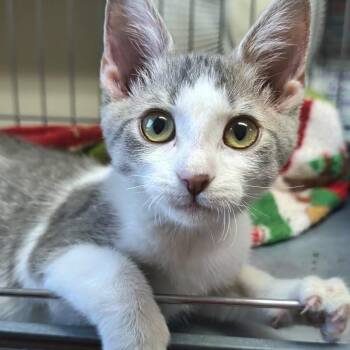
PANSY
Domestic Short Hair
🇺🇸
West Jefferson, Ohio
female, small, baby
Domestic Short Hair
West Jefferson, Ohio
SUS
Domestic Short Hair
🇺🇸
Hilliard, Ohio
female, large, adult
Domestic Short Hair
Hilliard, Ohio
BALOO
Domestic Short Hair
🇺🇸
Dublin, Ohio
male, medium, adult
Domestic Short Hair
Dublin, Ohio
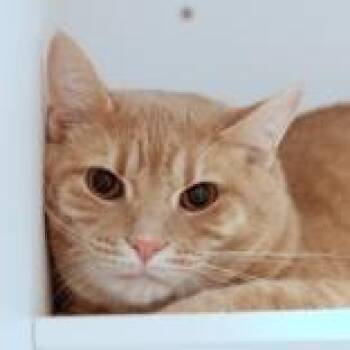
SAMMY
Domestic Short Hair
🇺🇸
Hilliard, Ohio
male, large, adult
Domestic Short Hair
Hilliard, Ohio
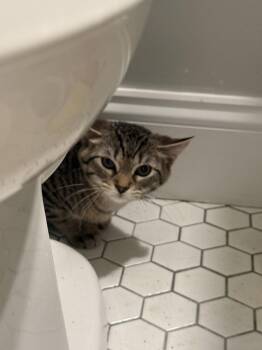
TOLEDO
Tabby, Domestic Short Hair
🇺🇸
Dublin, Ohio
female, medium, baby
Tabby, Domestic Short Hair
Dublin, Ohio
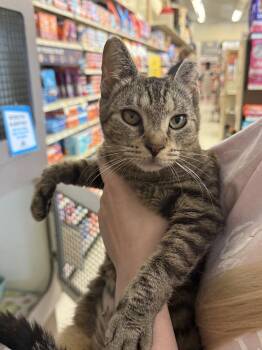
SOUP
Tabby, Domestic Short Hair
🇺🇸
Dublin, Ohio
female, medium, adult
Tabby, Domestic Short Hair
Dublin, Ohio
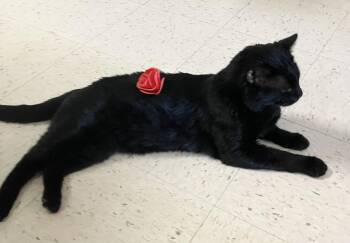
PACINO
Domestic Short Hair
🇺🇸
Dublin, Ohio
male, medium, adult
Domestic Short Hair
Dublin, Ohio
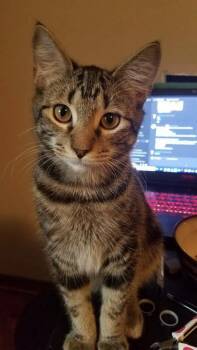
ELIAS
Tabby, Domestic Short Hair
🇺🇸
Dublin, Ohio
male, medium, adult
Tabby, Domestic Short Hair
Dublin, Ohio
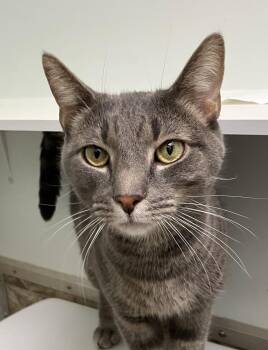
CORNDOG
Domestic Short Hair
🇺🇸
Dublin, Ohio
male, medium, adult
Domestic Short Hair
Dublin, Ohio
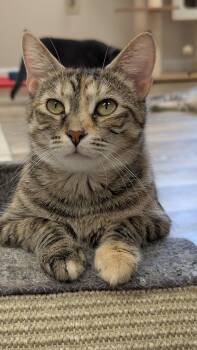
MOON
Calico, Tabby
🇺🇸
Columbus, Ohio
female, medium, adult
Calico, Tabby
Columbus, Ohio
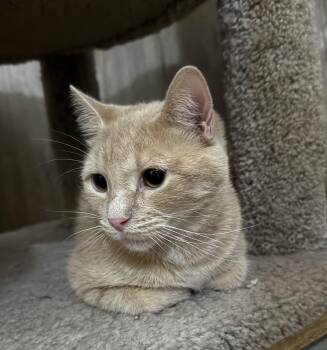
PAPRIKA (BONDED TO CAYENNE)
Domestic Short Hair
🇺🇸
Dublin, Ohio
female, medium, young
Domestic Short Hair
Dublin, Ohio
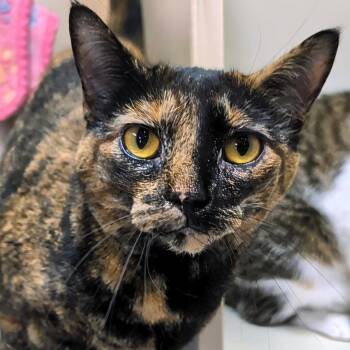
ROGUE- BONDED WITH CUPCAKE
Domestic Short Hair
🇺🇸
West Jefferson, Ohio
female, medium, adult
Domestic Short Hair
West Jefferson, Ohio
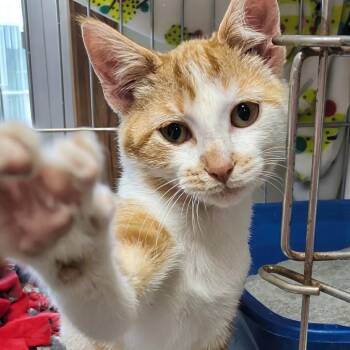
BRIAR
Domestic Short Hair
🇺🇸
West Jefferson, Ohio
male, medium, baby
Domestic Short Hair
West Jefferson, Ohio
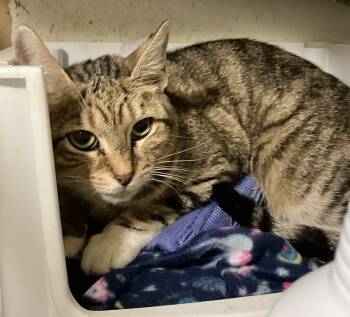
LIBBY
Domestic Short Hair
🇺🇸
Dublin, Ohio
female, medium, adult
Domestic Short Hair
Dublin, Ohio
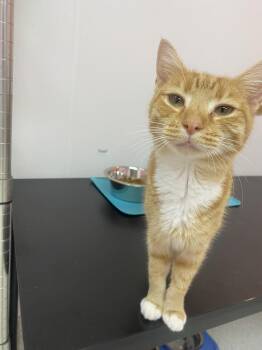
CHICKEN NOODLE - KBC
Domestic Short Hair
🇺🇸
Dublin, Ohio
female, medium, adult
Domestic Short Hair
Dublin, Ohio
HOUDINI (BONDED TO JULIET)
Domestic Short Hair
🇺🇸
Dublin, Ohio
female, medium, baby
Domestic Short Hair
Dublin, Ohio
Size: big-boned, not always massive
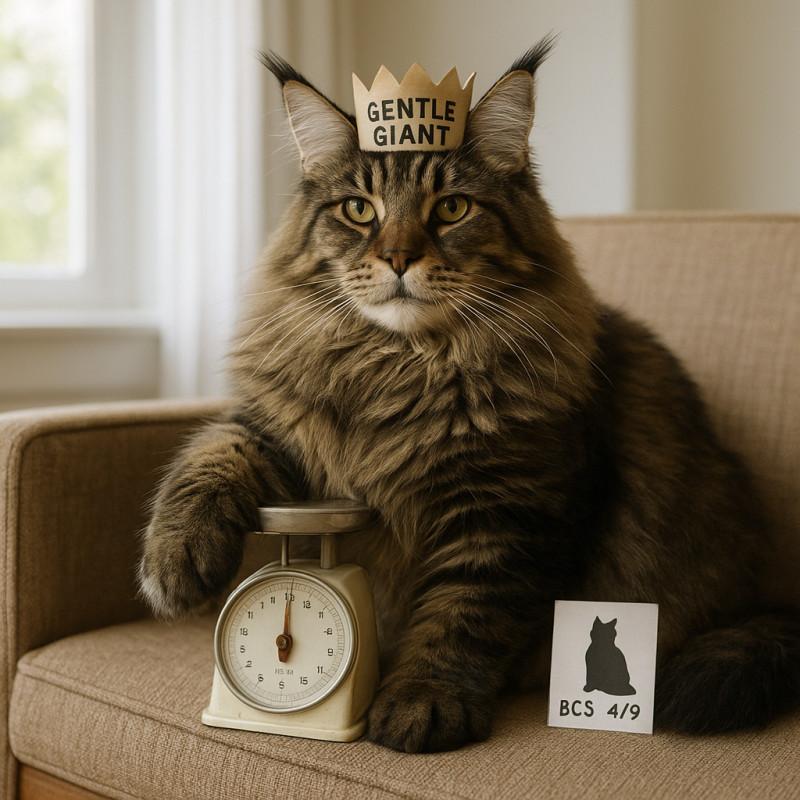
Not every Maine Coon will hit the 20+ lb numbers you see online; those are outliers. Most fall into a moderate large-cat range and keep growing slowly until about 3–4 years, sometimes 5, so patience matters. Instead of obsessing over the scale, use a body condition score (BCS) and muscle checks: you should see a waist from above and be able to feel ribs under a slight fat covering.
Polydactyl paws and allergies
Extra toes are a fun trait in some Maine Coons but don’t prove purebred status and are treated differently by registries. Also, no cat breed is hypoallergenic—dander and the Fel d 1 allergen vary by individual, so don’t pick a Maine Coon expecting allergy-free cuddles. Manage allergies with cleaning, HEPA filters, and medical advice, not by choosing a breed for that reason.
Grooming: weekly care, more in shed season
Their semi-long, weather-resistant coat helps outdoors, but it’s not self-cleaning. Aim for a weekly combing session with a wide-tooth stainless-steel comb and a slicker for tangles, focusing on armpits, groin, belly edges, and behind the ears. Increase to 2–4 short sessions per week during seasonal shedding or if you spot mats; reserve shaving only for severe matting or medical reasons because clipping can affect thermoregulation and skin.
Bathing, trims, and nail care
Many Maine Coons tolerate water and some enjoy it, but bathing is optional and only needed for oil buildup, heavy soiling, or skin conditions. Trim toe tufts only if they cause litter tracking or matting, and never cut whiskers. Trim nails every 2–4 weeks and check all digits in polydactyl cats to prevent ingrown claws.
Health risks: screen smart, don’t panic
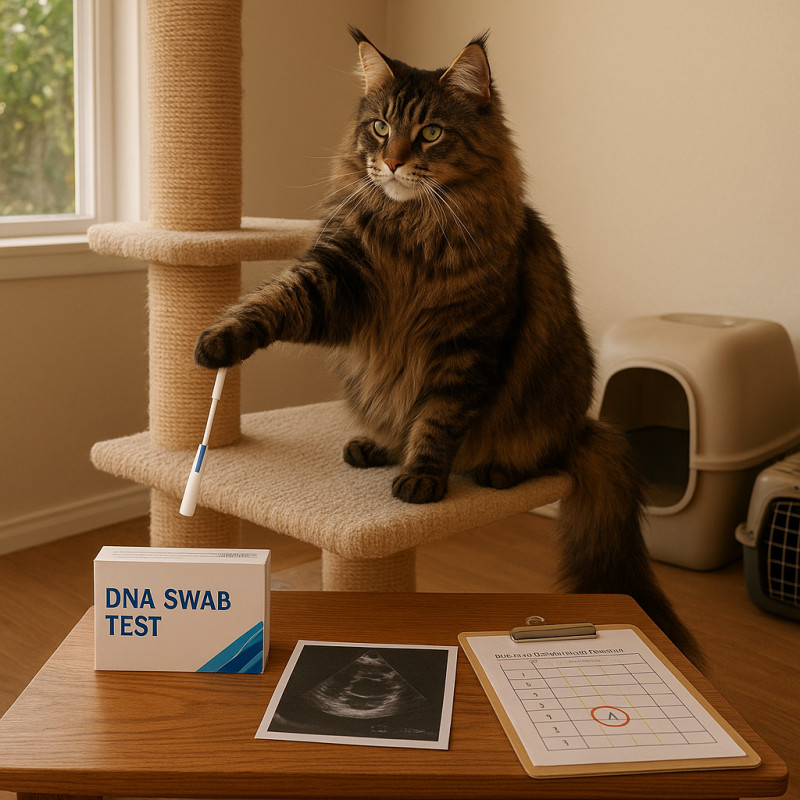
Maine Coons have breed-associated risks like hypertrophic cardiomyopathy (HCM), hip dysplasia, and spinal muscular atrophy (SMA), but modern testing helps manage them. DNA tests (for example, the MYBPC3 A31P variant) can guide breeding and monitoring but do not replace echocardiograms for diagnosing HCM. For hip concerns, ask breeders about parental hip radiographs and watch for mobility changes; for SMA, DNA testing prevents affected litters.
Actionable screening plan
If you’re a breeder, ask about hip and heart clearances and avoid carrier-to-carrier matings for SMA. Pet owners should consider a baseline echo in young adulthood if there’s family history or murmur, repeat per cardiologist advice, and use DNA testing to set surveillance. Keep lean body condition, monitor mobility, and get vet advice early if you notice stiffness or limping.
Nutrition and weight control
Maine Coons don’t need a special "giant breed" food—prioritize a complete, balanced diet that meets life-stage needs. Use portion control, weigh food, and aim for BCS 4–5/9 with good muscle condition. Include wet food for moisture and satiety, use puzzle feeders to slow eating, and discuss joint supplements like omega-3s with your vet only if indicated.
Environment and enrichment
Indoor-only life is safe and healthy when you meet a Maine Coon’s physical and mental needs. Provide sturdy, tall vertical spaces with broad platforms sized for a big frame, tall scratchers (30+ inches), oversized litter boxes, and a roomy carrier. Play twice daily with wand toys to mimic hunting, rotate toys, and offer puzzle feeders and scent enrichment to keep their athlete minds sharp.
Quick myth-busting checklist
- Size: Track BCS and muscle, not just weight.
- Grooming: Weekly combing minimum; increase during seasonal sheds.
- Shaving: Only for severe mats or medical reasons.
- HCM: Use DNA testing plus echocardiograms; don’t rely on DNA alone.
- Hip dysplasia: Ask breeders for hip checks and watch mobility; keep lean.
- SMA: DNA test breeding cats; provide supportive care for affected pets.
- Nutrition: Choose complete, balanced food and manage portions.
- Environment: Scale furniture, litter boxes, and carriers for a big cat.
Final thoughts
Maine Coons are wonderful, large-boned companions who benefit from realistic, breed-aware care instead of myths. Feed for lean muscle, comb regularly, screen responsibly for genetic conditions, and design your home to match their size and activity. When you focus on body condition, enrichment, and sensible screening, your gentle giant can live a long, healthy, playful life.
Search our cat listings!
Back to pet blog