
Big Cat, Big Care: Durable, Low-Dust Litter Solutions for Large and Heavy Cats
Search our cat listings!
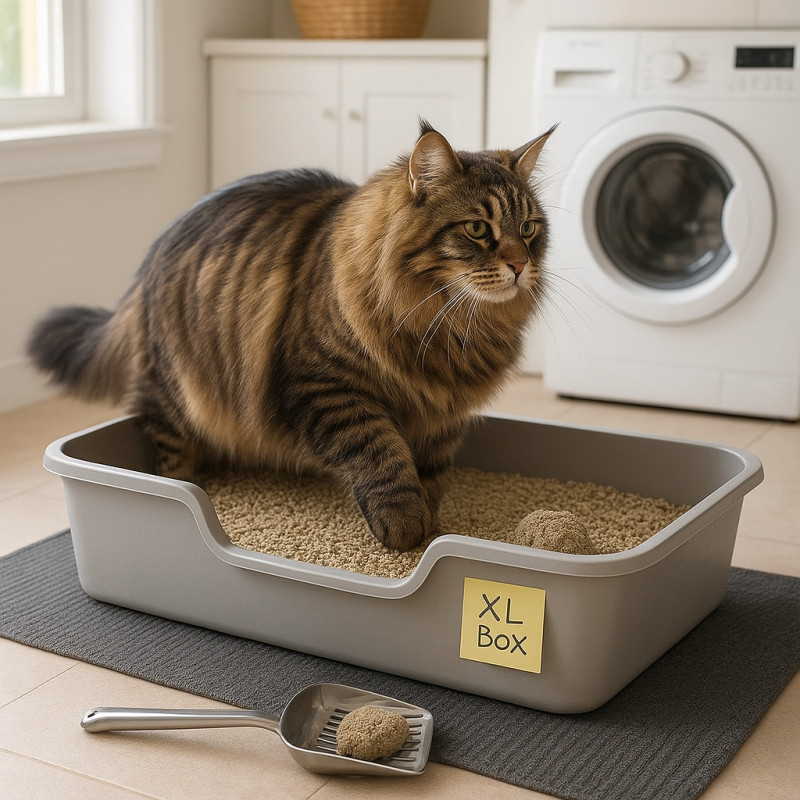
If you share life with a big cat, the litter box is one place size really matters. Large and heavy cats need roomy, sturdy boxes they can enter and use without twisting, jumping, or perching at the lip.
Why big cats need special litter setups
Large cats produce bigger urine volumes and take up more space when turning and squatting. Thin, undersized pans can crack, bow, or cause the cat to perch and miss the box.
Arthritis is common, especially in big or older cats, so a tall lip or a step-up can be painful and cause avoidance. Dusty or perfumed litters can also irritate sensitive airways and make breathing worse for cats with asthma.
Cats near Columbus
PURRARI
Domestic Short Hair
🇺🇸
Powell, Ohio
female, small, baby
Domestic Short Hair
Powell, Ohio
NYX
Domestic Short Hair
🇺🇸
Columbus, Ohio
male, medium, young
Domestic Short Hair
Columbus, Ohio
TINO
Domestic Short Hair, Tabby
🇺🇸
Powell, Ohio
male, small, baby
Domestic Short Hair, Tabby
Powell, Ohio
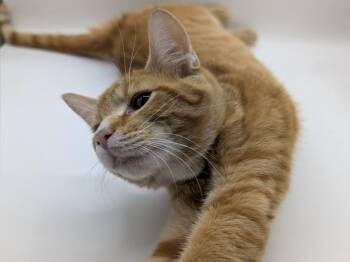
SAWYER
Domestic Short Hair, Tabby
🇺🇸
Powell, Ohio
male, small, baby
Domestic Short Hair, Tabby
Powell, Ohio
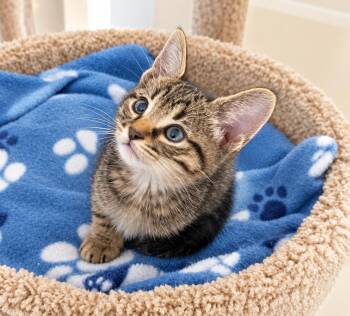
RUMMY
Domestic Short Hair
🇺🇸
Pickerington, Ohio
male, medium, baby
Domestic Short Hair
Pickerington, Ohio
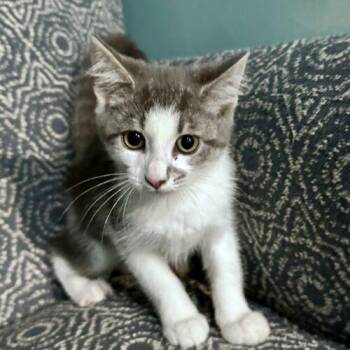
MCINTOSH
Domestic Short Hair
🇺🇸
Canal Winchester, Ohio
female, small, baby
Domestic Short Hair
Canal Winchester, Ohio
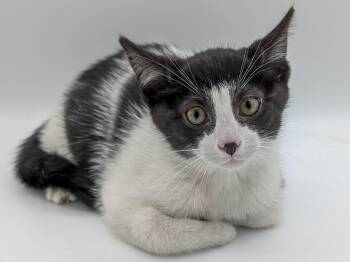
CALDER
Domestic Short Hair
🇺🇸
Powell, Ohio
male, small, baby
Domestic Short Hair
Powell, Ohio
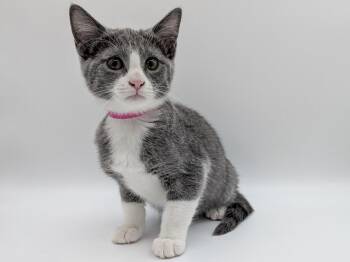
ERIN HANNON
Domestic Short Hair
🇺🇸
Powell, Ohio
female, small, baby
Domestic Short Hair
Powell, Ohio
SHY GUY FALLS
Domestic Short Hair
🇺🇸
Delaware, Ohio
male, small, baby
Domestic Short Hair
Delaware, Ohio

XARIA
Domestic Short Hair, Tabby
🇺🇸
Powell, Ohio
female, small, baby
Domestic Short Hair, Tabby
Powell, Ohio
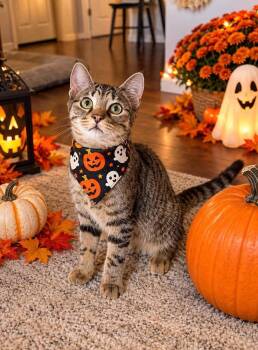
BURRITO
Domestic Short Hair
🇺🇸
Ashville, Ohio
male, medium, baby
Domestic Short Hair
Ashville, Ohio
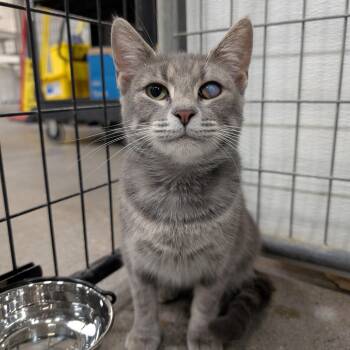
LEELA
Domestic Short Hair
🇺🇸
Columbus, Ohio
female, medium, adult
Domestic Short Hair
Columbus, Ohio
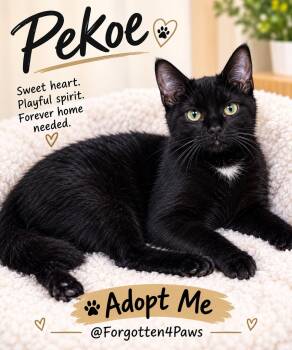
PEKOE
Domestic Short Hair
🇺🇸
Pickerington, Ohio
male, medium, baby
Domestic Short Hair
Pickerington, Ohio
SHADOW
Domestic Short Hair
🇺🇸
Carroll, Ohio
female, medium, baby
Domestic Short Hair
Carroll, Ohio
WINNIE
Domestic Short Hair
🇺🇸
Plain City, Ohio
female, medium, young
Domestic Short Hair
Plain City, Ohio
JOLIE
Tabby
🇺🇸
New Albany, Ohio
female, medium, baby
Tabby
New Albany, Ohio
JAMES
Domestic Long Hair, Domestic Medium Hair
🇺🇸
Columbus, Ohio
male, medium, baby
Domestic Long Hair, Domestic Medium Hair
Columbus, Ohio
LARRY
Domestic Short Hair
🇺🇸
Columbus, Ohio
male, small, baby
Domestic Short Hair
Columbus, Ohio
CLUBS
Domestic Short Hair
🇺🇸
Pickerington, Ohio
male, medium, baby
Domestic Short Hair
Pickerington, Ohio
MARIGOLD
Tabby
🇺🇸
Lewis Center, Ohio
female, medium, baby
Tabby
Lewis Center, Ohio
Pick the right box: size, entry and walls
Aim for an internal floor at least 1.5× your cat's nose-to-base-of-tail length; 28–35 inches is ideal for very large cats. Give at least 16–20 inches of width so your cat can turn naturally.
Use a low, wide entry about 2–4 inches high to protect joints, and keep the back and sides 10–15 inches tall to contain scatter and overspray. Open-top pans usually work best for ventilation and room to move.
Durable materials and budget-friendly DIY options
Stainless steel pans are near-ideal: they stay flat, resist scratching and odor absorption, and tolerate hot washes. Heavy-duty plastic can work if it is thick and rigid.
A practical budget winner is a long underbed storage bin (28–35 inches). Cut a smooth U-shaped entry, sand or edge it for safety, and you have a huge, low-entry pan that holds up to heavy cats.
Choose genuinely low-dust, unscented litter
Dust and perfumes can trigger coughing and sneezing, so use unscented, low-dust litters only. Good choices include low-dust clumping clays that form hard clumps, plant-based clumping litters with larger granules, or silica crystals with big crystal sizes.
Test a small bag first because some cats dislike new textures. Avoid fine, dusty budget clays or perfumed formulas that create dust clouds during pouring and scooping.
Depth, scooping and tools that handle heavy use
Fill the box 3–4 inches deep to protect the pan floor and let clumps form strong cores for large urine volumes. Shallow fill lets waste cement to the bottom and increases cleanup problems.
Scoop at least twice daily. Use a large, rigid metal scoop with a straight front to slide under big clumps without breaking them. Let fresh clumps sit 10–15 minutes if they seem fragile before scooping.
Make the approach joint-friendly
Keep at least one box on the same level where your cat sleeps to avoid stairs. Place a long, non-slip runner or mat that matches the cat's body length so heavy paws land securely and tracked litter drops before the floor.
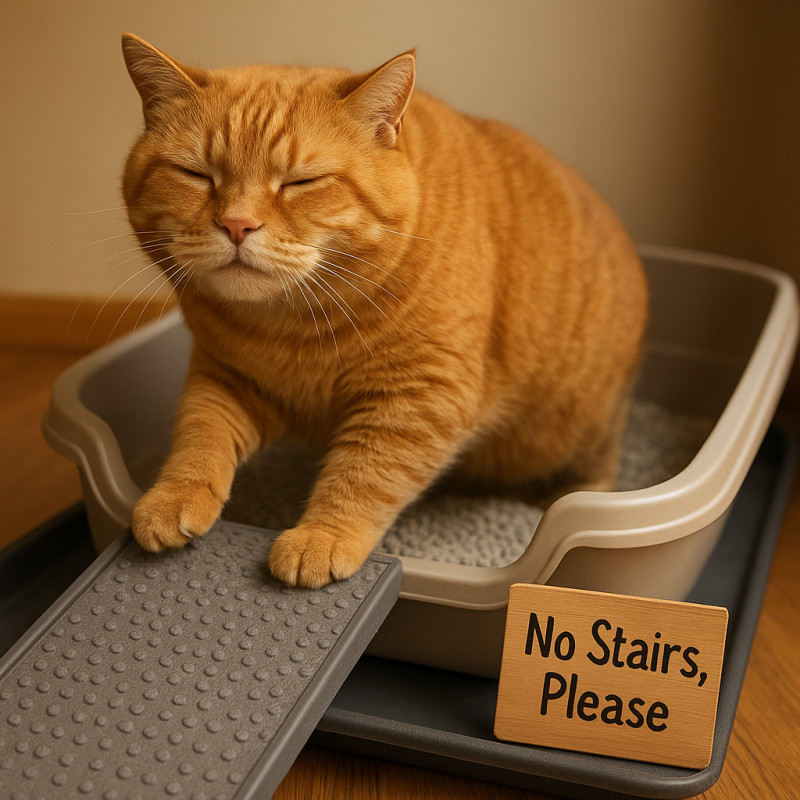
If a small step remains, add a gentle ramp or a low platform with textured grip. Ramps should be shallow in slope and covered with non-slip material.
Managing spray, scatter and senior needs
For sprayers, add tall splash shields to the back and sides but keep the front low. Corrugated plastic or clipped bin walls are easy removable shields that work well.
Senior and arthritic cats benefit most from low-entry trays with high sides elsewhere, softer larger-grain litters, predictable placement, and multiple boxes so they never travel far to eliminate.
Transitioning litters and testing setups
When you change litter, mix 25% new into 75% old and increase the new portion over 7–10 days. Start a new large box beside the old one for 1–2 weeks so your cat has a familiar option while learning the new setup.
Watch for hesitation at the lip, perching, or peeing just outside the box; these signs mean you may need to lower the entry, change texture, or add a ramp quickly.
Maintenance schedule that keeps systems working
Scoop twice daily, top up weekly to maintain depth, and do a full wash monthly. Use warm water and mild detergent, and follow with an enzymatic cleaner if odors persist.
Inspect boxes, mats and runners seasonally for cracks, curling edges, or sharp bits and replace as needed. Stainless panels tolerate hotter cleaning without warping.
Quick shopping checklist
- XL stainless steel or heavy-duty open-top pan, or 28–35 inch underbed storage bin (DIY)
- Low-dust unscented litter to test (clumping clay, plant-based, or large-grain silica)
- Large rigid metal scoop and spare liners or a dedicated bin
- Long non-slip runner, washable waterproof tray, and optional ramp
- Clip-on corrugated splash shield and enzymatic cleaner
When to check with your vet
If your large cat starts avoiding the box, hesitates at the lip, or develops new litter-related coughing, consult your veterinarian. Reluctance to use the box can be a sign of pain from osteoarthritis, urinary issues, or respiratory irritation.
Veterinary guidelines emphasize low-entry access, non-slip areas and predictable placement for cats with OA, so these are good first changes before medications are added.
Creating a setup that respects your big cat's size, joint health and lungs makes boxes easier to use and your house cleaner. With a roomy, rigid box, a truly low-dust litter at 3–4 inches, and a grippy approach, most large cats settle into a reliable, low-stress system that actually works in real homes.
Search our cat listings!
Back to pet blog