
Turtles for Adoption
Are you looking to adopt a turtle? PetCurious makes it easy to search for the perfect turtle near you.
About Turtle For Adoption
Welcome to the turtle adoption page. Here you can find information on how to adopt a turtle and give them a loving home. Visitors can browse current listings below or learn more about what to expect when adopting a turtle.
How Turtle For Adoption Works
When considering turtle adoption, the process typically involves contacting a rescue or organization, filling out an application, and possibly undergoing a screening process. Once approved, you can meet turtles in need of homes and choose your new companion. Responsible adoption ensures that turtles find caring homes where their needs are met. It is important to consider the long-term commitment involved in turtle ownership and to provide a suitable habitat with proper nutrition, enrichment, and veterinary care.
Choosing The Right Turtle
Selecting the right turtle involves assessing your lifestyle, experience level, time availability, and commitment to long-term care. Different turtle species have varying care requirements, so it's crucial to choose one that fits your capabilities and living environment. Consider factors like size, temperament, activity level, and the level of interaction needed to ensure a successful match between you and your new turtle companion.
Care And Ownership Basics
Proper care and ownership of a turtle include providing a suitable habitat with the right temperature, lighting, and water quality. Feeding a balanced diet, ensuring regular veterinary check-ups, and maintaining cleanliness are essential for your turtle's well-being. Additionally, engaging in mental and physical enrichment activities can help keep your turtle healthy and happy. Learning about common mistakes and how to avoid them will contribute to a long and fulfilling relationship with your turtle.
Common Turtle Categories
Turtles are often categorized based on their size, temperament, care requirements, and living environment suitability. Common categories include aquatic turtles, semi-aquatic turtles, and terrestrial turtles. Aquatic turtles, such as red-eared sliders, require access to water for swimming and basking. Semi-aquatic turtles, like painted turtles, need both water and a dry basking area. Terrestrial turtles, such as box turtles, spend most of their time on land and need a varied diet with less water access.
Browser Popular Turtle Breeds for Adoption
Search Turtles for Adoption
Animal
Categories
Let us search for you!
We'll email you when we find new animals.
Receive
updates for
1 to 12 of 25 found turtle listings
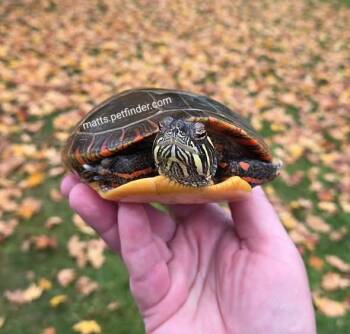
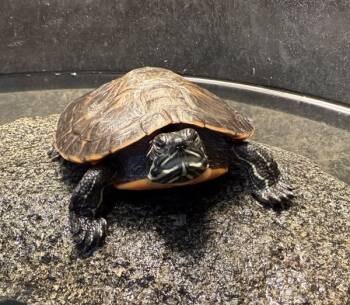
Painted
🇺🇸
Baltimore, Maryland
female, large, adult, not mixed

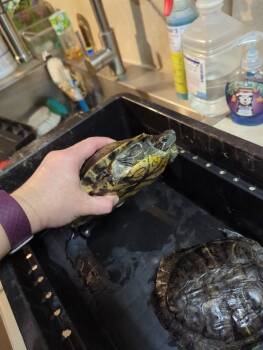



Red Eared Slider
🇺🇸
New Rochelle, New York
female, medium, adult, not mixed

Questions & Answers
1) Is the turtle a good fit for first-time owners?
Turtles can be good pets for beginners, but they require specific care and commitment. Research their needs thoroughly before getting one.
2) What level of daily care and maintenance does a turtle require?
Turtles need daily feeding, tank cleaning, and monitoring of their environmental conditions like temperature and water quality.
3) What health or care considerations are common for turtles?
Common health issues in turtles include shell rot, respiratory infections, and vitamin deficiencies. Regular check-ups with a reptile vet are essential.
4) What living environment is suitable for a turtle?
Turtles need a spacious tank with a basking area, UVB lighting, and proper water filtration. They also require both a dry area and a swimming area in their habitat.
5) What is the lifespan or long-term commitment of owning a turtle?
Turtles have long lifespans, often living 20-40 years or more depending on the species. Owning a turtle is a long-term commitment that requires dedication.
6) Are turtles compatible with children or other pets?
Turtles can be handled gently by children under supervision, but they are not interactive pets and may not enjoy handling. They should be kept away from other pets that may view them as prey.
ABOUT THE TURTLE BREEDS
PAINTED
The painted turtle, scientifically known as Chrysemys picta, is a colorful and vibrant species commonly found in North America. Known for their distinctive red and yellow markings on their shells, painted turtles are semi-aquatic creatures that thrive in ponds, lakes, and slow-moving streams. With a diverse diet of plants, insects, and small aquatic creatures, these omnivores play a vital role in maintaining freshwater ecosystems. Painted turtles are popular among turtle enthusiasts for their striking appearance and easy care requirements, making them a beloved choice for aquatic pet owners.
The painted turtle, scientifically known as Chrysemys picta, is a colorful and vibrant species commonly found in North America. Known for their distinctive red and yellow markings on their shells, painted turtles are semi-aquatic creatures that thrive in ponds, lakes, and slow-moving streams. With a diverse diet of plants, insects, and small aquatic creatures, these omnivores play a vital role in maintaining freshwater ecosystems. Painted turtles are popular among turtle enthusiasts for their striking appearance and easy care requirements, making them a beloved choice for aquatic pet owners.
RED EARED SLIDER
The red-eared slider, scientifically known as Trachemys scripta elegans, is a popular turtle breed among reptile enthusiasts. Recognized by the distinctive red patch behind each eye, these semi-aquatic turtles are known for their vibrant appearance and sociable nature. Originating from the southern United States, they require a well-maintained aquatic habitat with a basking area to thrive. Red-eared sliders are omnivorous, feeding on a varied diet comprising commercial turtle pellets, fresh vegetables, and occasional live prey. With proper care and a spacious tank, red-eared sliders can live for several decades, making them rewarding and long-lived companions.
The red-eared slider, scientifically known as Trachemys scripta elegans, is a popular turtle breed among reptile enthusiasts. Recognized by the distinctive red patch behind each eye, these semi-aquatic turtles are known for their vibrant appearance and sociable nature. Originating from the southern United States, they require a well-maintained aquatic habitat with a basking area to thrive. Red-eared sliders are omnivorous, feeding on a varied diet comprising commercial turtle pellets, fresh vegetables, and occasional live prey. With proper care and a spacious tank, red-eared sliders can live for several decades, making them rewarding and long-lived companions.
YELLOW BELLIED SLIDER
The Yellow Bellied Slider turtle, scientifically known as Trachemys scripta scripta, is a semi aquatic species commonly found in freshwater habitats throughout North America. Known for their olive to dark green shells with vivid yellow stripes on their heads, necks, and legs, these turtles are revered for their vibrant appearance. Yellow Bellied Sliders are omnivorous creatures, consuming a diet of both plant matter and small aquatic animals. Their social and interactive nature, combined with ease of care in captivity, make them popular choices among turtle enthusiasts.
The Yellow Bellied Slider turtle, scientifically known as Trachemys scripta scripta, is a semi aquatic species commonly found in freshwater habitats throughout North America. Known for their olive to dark green shells with vivid yellow stripes on their heads, necks, and legs, these turtles are revered for their vibrant appearance. Yellow Bellied Sliders are omnivorous creatures, consuming a diet of both plant matter and small aquatic animals. Their social and interactive nature, combined with ease of care in captivity, make them popular choices among turtle enthusiasts.
LATEST PET BLOGS

TOUGH TOY GUIDE: BEST DOG TOYS FOR AGGRESSIVE CHEWERS
Find safe, long-lasting dog toys for aggressive chewers. Learn which materials work best, top product picks (Goughnuts, West Paw, KONG), what to avoid, and how to rotate and inspect toys for safety.
Find safe, long-lasting dog toys for aggressive chewers. Learn which materials work best, top product picks (Goughnuts, West Paw, KONG), what to avoid, and how to rotate and inspect toys for safety.

HOW TO PREPARE YOUR HOME FOR A NEWLY ADOPTED RESCUE DOG
A friendly, step-by-step guide to get your home ready for a newly adopted rescue dog. Learn how to dog-proof, set up a decompression zone, choose supplies, plan introductions, and keep everyone safe during the first weeks.
A friendly, step-by-step guide to get your home ready for a newly adopted rescue dog. Learn how to dog-proof, set up a decompression zone, choose supplies, plan introductions, and keep everyone safe during the first weeks.

BUCKLE UP, BUDDY! CAR SAFETY FOR DOGS
Keep your dog safe on the road with these updated car safety tips. Learn why pet seat belts matter, what the laws say, and the best harnesses and crates for travel.
Keep your dog safe on the road with these updated car safety tips. Learn why pet seat belts matter, what the laws say, and the best harnesses and crates for travel.

HOW TO KEEP YOUR DOG FIT INDOORS: 3 FUN GAMES FOR EVERY BREED
Keep your dog active and entertained indoors with these 3 fun and easy games. Perfect for rainy days or when outdoor exercise isn't an option, these activities will help your pup stay fit and happy.
Keep your dog active and entertained indoors with these 3 fun and easy games. Perfect for rainy days or when outdoor exercise isn't an option, these activities will help your pup stay fit and happy.

THE PRICE OF DOG OWNERSHIP FROM PETCURIOUS
Thinking of getting a dog? This article breaks down the true cost of dog ownership, from adoption fees and vet bills to food, toys, and more. Discover the financial commitment of being a responsible pet parent.
Thinking of getting a dog? This article breaks down the true cost of dog ownership, from adoption fees and vet bills to food, toys, and more. Discover the financial commitment of being a responsible pet parent.

WHAT TO DO WHEN YOU LOSE YOUR PET
Your pet is missing? Don't panic! PetCurious provides a step-by-step guide to help you find your lost furry friend. From searching your home and neighborhood to leveraging technology and community resources, we've got you covered. Increase your chances of a happy reunion with our expert tips and advice.
Your pet is missing? Don't panic! PetCurious provides a step-by-step guide to help you find your lost furry friend. From searching your home and neighborhood to leveraging technology and community resources, we've got you covered. Increase your chances of a happy reunion with our expert tips and advice.