
Rabbit Virus Alert: What RHDV2 Means for Pet and Wild Rabbits and How You Can Help
Search our rabbit listings!
RHDV2 is a serious threat to rabbits, but there are clear steps owners and communities can take to reduce risk and save lives.
Rabbits are beloved pets and an important part of many ecosystems, so understanding RHDV2 matters for animal welfare and conservation.
What is RHDV2?
RHDV2 (rabbit hemorrhagic disease virus serotype 2) is a very contagious virus that attacks the liver and causes sudden, often fatal disease in rabbits and some hares.
It is different from older strains because it can make very young rabbits sick and infect more kinds of wild lagomorphs.
RHDV2 does not infect people, dogs, or cats, but people and other animals can carry the virus on clothing, shoes, or fur and spread it to rabbits.
Rabbits near Columbus

RACHEL
American Sable
🇺🇸
Columbus, Ohio
female, medium, adult
American Sable
Columbus, Ohio

MONTY
Holland Lop
🇺🇸
Columbus, Ohio
male, medium, young
Holland Lop
Columbus, Ohio

PHOEBE
New Zealand
🇺🇸
Columbus, Ohio
female, medium, young
New Zealand
Columbus, Ohio

KIWI
Lionhead
🇺🇸
Columbus, Ohio
female, medium, young
Lionhead
Columbus, Ohio

HELEN
Lionhead
🇺🇸
Columbus, Ohio
female, medium, young
Lionhead
Columbus, Ohio

EDMUND
Holland Lop
🇺🇸
Columbus, Ohio
male, medium, young
Holland Lop
Columbus, Ohio

CAITLIN
Dutch
🇺🇸
Columbus, Ohio
female, medium, adult
Dutch
Columbus, Ohio
Why this matters for pet and wild rabbits
For pet rabbits, RHDV2 can cause sudden death even in otherwise healthy animals, so prevention is critical.
In the wild, outbreaks can kill many rabbits and hares, which harms ecosystems and can threaten rare species.
For rescues, breeders, and shelters, the virus can cause major losses and disrupt care operations, so quick action and strict rules are needed.
How RHDV2 spreads
- Direct contact with infected rabbits or their bodily fluids.
- Contaminated objects (fomites) like cages, carriers, bedding, or clothing.
- Insects and scavengers can carry the virus mechanically between places.
- Carcasses, dried organic material, and contaminated forage or hay from outbreak areas.
The virus survives well in the environment and freezing does not reliably kill it, so cleaning and proper disinfection are essential.
Signs to watch for
- Often sudden death with no warning signs.
- If signs appear: fever, weak or unresponsive behavior, not eating, labored breathing, yellowing (jaundice), or bleeding such as bloody nose.
- Neurologic signs like seizures or stumbling can occur.
- Incubation is short (usually 1–5 days), and rabbits can shed virus before they look sick.
If you see any of these signs, act quickly—call a rabbit-savvy veterinarian and avoid moving animals or materials until you get guidance.
Vaccination: your rabbit's best defense
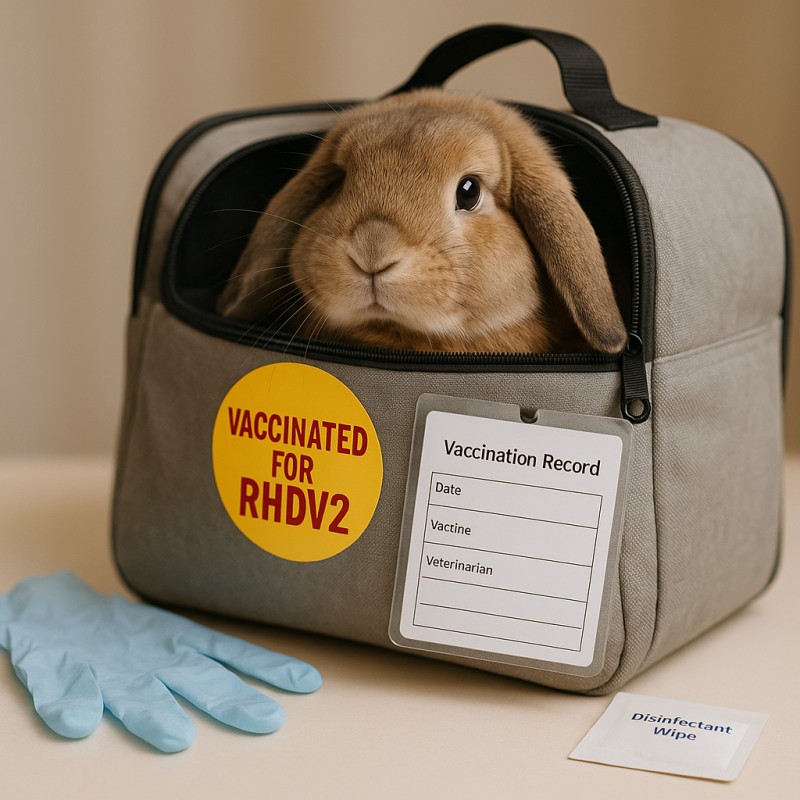
A USDA-licensed RHDV2 vaccine is available in the U.S. and veterinarians recommend vaccinating pet rabbits.
Typical protection comes from a two-dose primary series given a few weeks apart, followed by annual boosters; follow your veterinarian's advice for exact timing.
Vaccination greatly lowers the chance of severe disease, but it is not a 100% guarantee, so combine it with good biosecurity.
Home biosecurity: simple steps you can do today
- Keep rabbits indoors and avoid parks, yards with wild rabbits, or shared outdoor spaces.
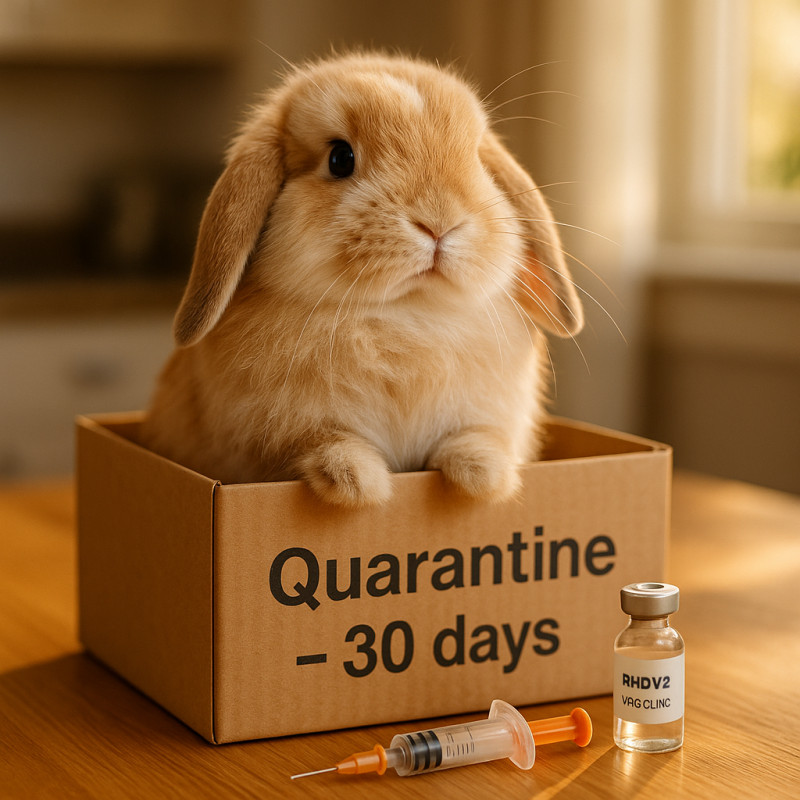
- Quarantine new or returning rabbits for 30 days in a separate airspace and use dedicated equipment.
- Avoid feeding lawn clippings, foraged plants, or unprocessed hay from outbreak areas; prefer pelleted feeds and processed bedding when possible.
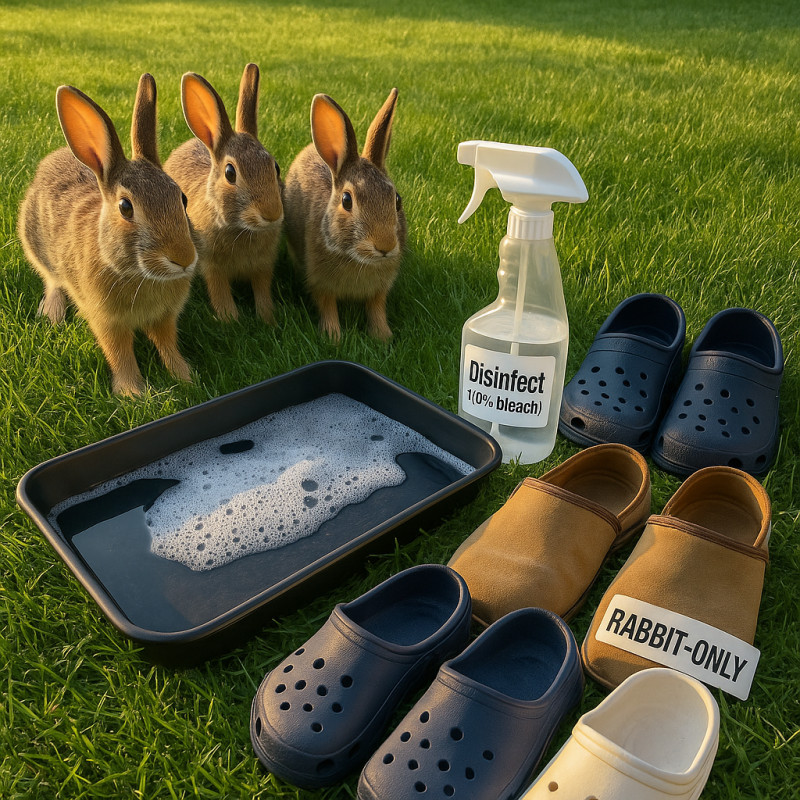
- Clean surfaces first, then disinfect with 10% household bleach (10 minutes contact), 1% Virkon S, or accelerated hydrogen peroxide products per label.
- Have “rabbit-only” shoes and clothing, and wipe or disinfect footwear when entering rabbit areas.
- Don't share carriers, brushes, water bottles, or litter boxes between households without thorough disinfection.
Small daily habits like washing hands, changing shoes, and wiping packages can make a big difference.
What to do if you suspect RHDV2
If a pet rabbit is sick or dies suddenly, contact your veterinarian and state animal health officials right away.
Isolate sick rabbits, limit movement in and out of the home, and follow your vet's guidance before bringing a carcass to a clinic for testing.
For sick or dead wild rabbits, do not touch carcasses; report unusual die-offs to your state wildlife agency and keep people and pets away from the area.
Handling carcasses safely
Wear disposable gloves and avoid creating aerosols when dealing with a carcass.
Double-bag the body, disinfect tools and footwear, and follow local rules for disposal (deep burial, approved landfill, or incineration); do not compost.
Clean the area, remove organic debris, and disinfect hard surfaces after pre-cleaning to reduce environmental contamination.
How hunters, falconers, and outdoor folks can help
- Do not transport rabbit carcasses, meat, or hides between regions or states.
- Clean and disinfect knives, boots, and vehicle areas after fieldwork using bleach, Virkon S, or AHP per instructions.
- Avoid feeding raw rabbit meat/offal to dogs, cats, or raptors.
- Report clusters of dead wild rabbits to local wildlife agencies.
These steps limit long-distance spread and protect both pets and wildlife.
Community and conservation actions
Rescues and shelters should require vaccination for intakes, keep strict quarantine areas, and suspend nonessential transfers during outbreaks.
Feed stores and suppliers can help by sourcing lower-risk products, storing stock off the floor, and offering safe pickup or wiped packaging during active events.
Conservation programs may use targeted surveillance and vaccination for at-risk wild populations where feasible.
Where to get updates and expert guidance
Federal and state agencies post current information and reporting tools; useful resources include USDA APHIS, the USGS National Wildlife Health Center, and veterinary organizations.
Talk with a rabbit-savvy veterinarian about vaccination schedules and specific health questions for your rabbit.
For official updates and reporting, check resources like USDA APHIS and the USGS National Wildlife Health Center.
Bottom line: vaccinate, tighten home biosecurity, report suspicious deaths, and follow local guidance.
By taking these steps you can help protect your rabbit and support wildlife health in your community.
Search our rabbit listings!
Back to pet blog