
Neijiang - Complete Breed Guide
Neijiang - Complete Breed Guide
Breed Overview
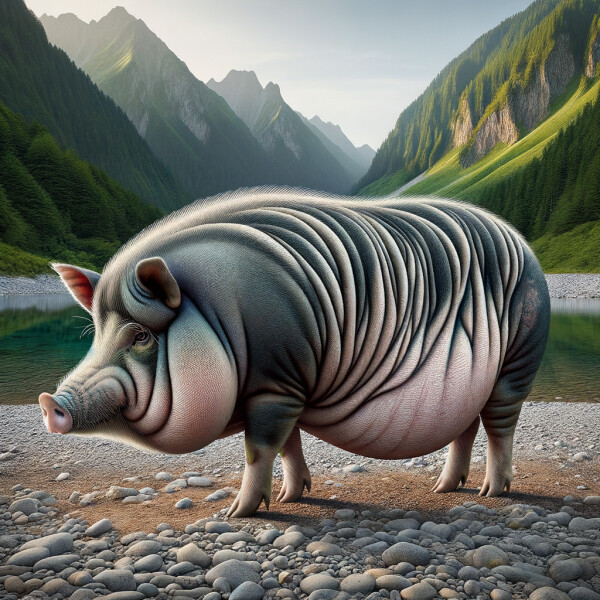
The Neijiang breed of pig originates from China and is renowned for its unique appearance and excellent meat quality. These pigs are known for their distinctive black coat with white markings, sturdy build, and friendly temperament, making them a popular choice among farmers. Neijiang pigs are characterized by their efficient feed conversion, fast growth rate, and high carcass yield, making them ideal for meat production. With proper care and management, Neijiang pigs thrive in various environments and have shown resilience to common pig diseases. Overall, the Neijiang breed is a valuable asset to the swine industry for its exceptional attributes and versatility.
Adoption & Local Availability
If you’re looking to bring a neijiang into your home, there are several ways to find one available for adoption. Below are options to explore both local availability and general listings.
Size and Appearance
'Neijiang' pigs are known for their medium to large size, with mature adults typically weighing between 250-350 pounds. They have a sturdy build with a deep, broad body, strong legs, and a slightly arched back. The breed is distinguished by its distinctive appearance, showcasing a straight face, medium-length snout, and upright ears. Neijiang pigs have a straight tail, firm skin, and a dense coat of bristly hair, typically in colors like black, white, and a combination of the two. These pigs are admired for their impressive size and striking features, making them a popular choice among pig breeders.
Health and Lifespan
Known for their robust health and longevity, Neijiang pigs are resilient to common diseases and thrive in various climates. With proper care and nutrition, these pigs can live up to 12-15 years, demonstrating exceptional vitality throughout their lifespan. Regular veterinary check-ups and a well-balanced diet contribute to their overall well-being, ensuring they remain healthy and active for many years. Additionally, their genetic predisposition to good health makes them a preferred choice for pig farming, as they require minimal medical intervention and have a high potential for a long, productive life.
Family Compatibility
Known for their docile and friendly nature, these pigs are highly sociable and thrive in family environments, making them excellent companions for both humans and other animals. The neijiang breed is particularly gentle around children and other pets, showcasing a patient and tolerant demeanor that contributes to harmonious interactions within the household. With their adaptability and cooperative attitude, neijiang pigs easily integrate into family dynamics, forming strong bonds with their owners and creating a warm and welcoming atmosphere within the home. Their affectionate and loyal personalities make them a beloved addition to any family setting.
Exercise Needs
The Neijiang pig breed requires a moderate level of exercise to maintain optimal health and well-being. Providing ample space for the pigs to roam and explore is essential, as they are naturally active animals. Engaging in physical activities such as rooting, grazing, and social interactions helps prevent obesity and promotes muscle development. Regular exercise also contributes to the pigs' mental stimulation, reducing stress and behavioral issues. Implementing a structured exercise routine, such as supervised outdoor playtime and enrichment activities, is beneficial for the overall fitness and vitality of Neijiang pigs.
Diet and Feeding
Neijiang pigs require a balanced diet to thrive, typically consisting of a mix of grains, vegetables, and protein sources such as soybean meal. High-quality feed with adequate protein levels is crucial for optimal growth and development. Providing ample clean water is essential, especially during lactation and hot weather to prevent dehydration. Additionally, supplementing with vitamins and minerals may be necessary to ensure overall health and well-being. Monitoring their feed intake is important to prevent obesity or undernourishment, ultimately contributing to the overall success of raising Neijiang pigs.

Living Environment
Neijiang pigs thrive in spacious and clean environments that provide ample room for them to roam and exhibit natural behaviors. They prefer living in areas with proper ventilation and good drainage to prevent health issues. An ideal living environment for Neijiang pigs includes clean bedding, access to fresh water, and shelter from extreme weather conditions. It is essential to maintain a comfortable temperature to ensure their well-being. Neijiang pigs are social animals, so they benefit from being housed together to interact and establish social hierarchies. Providing a stress-free living space is crucial for their overall health and development.
Grooming
Bred for their unique coat texture, grooming 'neijiang' pigs is essential for their well-being. Their dense, wiry hairs require regular brushing to prevent matting and maintain overall skin health. Bathing should be done sparingly to avoid stripping the coat of its natural oils. Trimming their hooves is crucial to prevent discomfort and lameness. Additionally, routine dental care is recommended to ensure proper chewing function. Regularly checking for any signs of skin irritations or infections is important for early intervention. By establishing a consistent grooming routine, 'neijiang' pigs can thrive and showcase their distinctive appearance.
Training and Intelligence
With their high level of intelligence, Neijiang pigs are known to be quick learners when it comes to training. They respond well to positive reinforcement methods, making them highly trainable for various tasks and commands. Neijiang pigs have an excellent memory, allowing them to retain training lessons and adapt quickly to new situations. Their intelligent nature also makes them adept problem solvers, enabling them to figure out solutions independently. When properly trained, Neijiang pigs showcase their intelligence by demonstrating obedience, agility, and a strong ability to learn and perform tasks efficiently.
Exercise and Activity Requirements
Known for their active nature, these pigs require ample space and opportunities for exercise. Regular physical activity is essential to prevent obesity and promote overall health. Providing an enriched environment with toys and structures for them to climb on can help satisfy their exercise needs. Engaging in interactive play and offering mental stimulation are also crucial for their well-being. Daily walks or access to a secure outdoor area where they can roam freely are recommended to keep them physically and mentally stimulated. Overall, ensuring they have outlets for physical and mental exercise will result in a happy and healthy pig.
Socialization
Neijiang pigs are known for their sociable nature, thriving in environments where they can interact with other pigs and humans. Socialization is integral for their well-being, as they are highly intelligent and flourish in settings that encourage mental stimulation and social engagement. These pigs enjoy forming strong bonds within their groups, exhibiting playful behavior and expressing their social hierarchy through various interactions. Establishing positive relationships early on is crucial for their overall development and happiness, as they are naturally inclined to seek companionship and connection with others. Socialization plays a vital role in shaping the Neijiang pig's behavior and temperament throughout their lives.
Lifespan
The lifespan of the neijiang pig breed typically ranges from 10 to 12 years when well-cared for in a proper environment with a balanced diet and veterinary care. Factors such as genetics, diet, living conditions, and overall health can influence the longevity of neijiang pigs. Providing a stress-free and enriched environment along with regular health check-ups can contribute to extending the lifespan of these pigs, allowing them to thrive and reach their full potential in terms of longevity and well-being.
Common Behavioral Issues
Common Behavioral Issues: Neijiang pigs are generally docile and easy to handle, but they can exhibit territorial aggression, especially towards unfamiliar pigs or humans entering their space. Proper socialization from a young age can mitigate this behavior. Additionally, boredom or lack of mental stimulation can lead to destructive behaviors such as rooting excessively or chewing on objects. Providing environmental enrichment and adequate space for exercise can help prevent these issues. Neijiang pigs may also display signs of stress or anxiety through increased vocalization or repetitive actions, indicating a need for reassurance and a calming environment.
Special Considerations
Special Considerations: Neijiang pigs are known for their gentle disposition and adaptability to various farming environments, but their slow growth rate may require longer feeding periods. Additionally, they exhibit a strong foraging behavior, needing access to ample pasture or forage sources for optimal development. Due to their potential for obesity, it's crucial to monitor their feed intake and provide a balanced diet to prevent health issues. Neijiang pigs are sensitive to extreme temperatures and require suitable shelter to thrive. Regular veterinary care and vaccinations are essential to maintain their well-being and productivity.
Guardian Instincts
Neijiang pigs are known for their strong guardian instincts, making them excellent protectors of their territory and fellow livestock. They are naturally alert, territorial, and will readily defend their home and family from potential threats. Neijiang pigs are instinctively wary of strangers and will vocalize their concerns when they sense danger, making them valuable additions to farms and properties in need of reliable guardians. Their loyalty and courage in protecting their environment make them a dependable and trustworthy breed for those seeking a vigilant and devoted guardian for their animals and land.
Allergies and Shedding
Neijiang pigs are known for their hypoallergenic coat, making them a suitable choice for individuals with allergies. Their minimal shedding reduces the spread of dander, making them easier to manage for allergy sufferers. Regular grooming and bathing can further minimize shedding, promoting a clean and hypoallergenic living environment. The Neijiang breed's unique coat texture also contributes to their lower allergenic properties, making them a popular choice for those seeking a pig breed that is more allergy-friendly.
Cost of Ownership
The cost of owning a Neijiang pig includes initial purchase price, feed, housing, and healthcare expenses. Neijiang pigs have specific dietary needs, requiring a balanced diet rich in nutrients to ensure their optimal growth and health. Proper housing that provides adequate space, ventilation, and protection from extreme temperatures is essential. Routine veterinary check-ups, vaccinations, and possible treatment for common health issues should be factored into the ownership costs. Additionally, expenses for bedding, toys, and other enrichments that promote their physical and mental well-being should be considered when budgeting for a Neijiang pig.
Availability and Adoption
The Neijiang breed of pigs, known for its excellent meat quality and adaptability to different climates, is primarily found in the Sichuan region of China. While not as widely available as some other pig breeds, efforts are being made to increase their availability through breeding programs and conservation efforts. Adoption of Neijiang pigs is gaining popularity among farmers and breeders who value their muscular build, efficient feed conversion, and overall hardiness. As the demand for high-quality pork products grows, more individuals are seeking out Neijiang pigs for their superior genetics and impressive performance characteristics.
Famous Examples
One of the most famous examples of this pig breed is a popular boar named Mingming, who gained recognition for his extraordinary size and gentle temperament. Mingming garnered attention for consistently producing litters with strong, healthy piglets that inherited his desirable traits. Another notable example is a sow named LiLi, known for her exceptional mothering abilities and high fertility rates. Both Mingming and LiLi have contributed significantly to the breed's overall reputation for being robust, docile, and excellent producers, making them prime examples of the breed's desirable characteristics and qualities.
Questions & Answers
1) Is the neijiang a good fit for families or first-time owners?
Yes, neijiang pigs are known to be gentle, docile, and easy to handle, making them a great fit for families and first-time pig owners.
2) How much exercise and daily care does a neijiang require?
Neijiang pigs do not require excessive exercise but will benefit from regular walks and enrichment activities. Daily care includes providing a clean living environment, fresh water, and appropriate feed.
3) What health issues are common in neijiang?
Neijiang pigs are prone to obesity if overfed, so it's important to monitor their diet. They may also be susceptible to respiratory infections, so good ventilation is crucial.
4) What is the average size and weight of an adult neijiang pig?
Adult neijiang pigs typically weigh between 150 to 200 kilograms and stand at around 70 to 80 centimeters tall.
5) What is the temperament of neijiang pigs towards humans and other animals?
Neijiang pigs are known for their friendly and sociable nature towards humans and other animals, making them great companions.
6) Are neijiang pigs suitable for outdoor or indoor living?
Neijiang pigs can adapt to both outdoor and indoor living environments. They require shelter from harsh weather conditions and access to a suitable outdoor space for rooting and exploring.
7) What is the average lifespan of a neijiang pig?
Neijiang pigs have an average lifespan of 10 to 12 years when provided with proper care and a balanced diet.