
Hungarian Mangalica - Complete Breed Guide
Hungarian Mangalica - Complete Breed Guide
Breed Overview
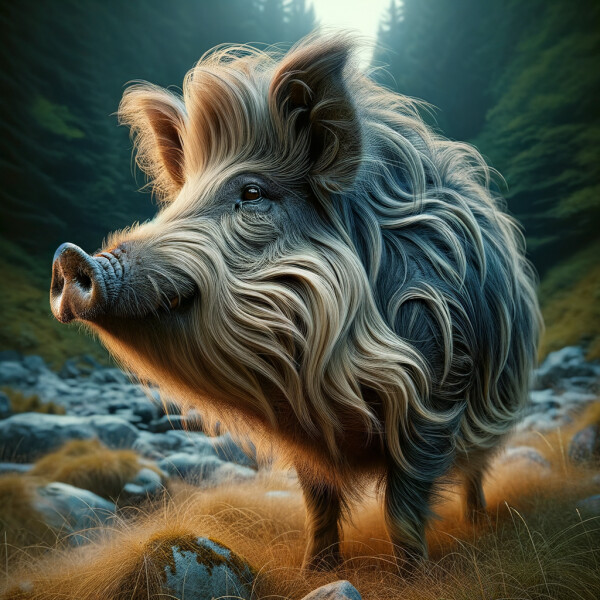
The Hungarian Mangalica is a rare breed known for its distinctive curly hair, which resembles wool. Originally bred for their high-quality lard, these pigs are hardy and well-suited for outdoor environments. They come in three color varieties - blonde, swallow-bellied, and red - each with its unique charm. Despite their robust appearance, the Mangalica is docile and friendly, making them popular among farmers for their easy-going temperament. With a slow growth rate and marbled meat prized for its exceptional flavor and tenderness, the Hungarian Mangalica is a unique and valuable breed in the world of pig farming.
Adoption & Local Availability
If you’re looking to bring a hungarian mangalica into your home, there are several ways to find one available for adoption. Below are options to explore both local availability and general listings.
Size and Appearance
With a robust build and distinctive wooly coat, Hungarian Mangalica pigs are medium to large-sized pigs, known for their unique appearance. They have a long, straight snout and erect ears, with bodies that are round and sturdy. Their coat comes in different colors including black, red, and blonde, and is reminiscent of sheep's wool. Despite their fluffy exterior, they are well-muscled and have a good body conformation. Overall, Hungarian Mangalica pigs are a visually striking breed, combining a charming wooly appearance with a strong and solid physique.
Health and Lifespan
The Hungarian Mangalica pigs are known for their hardiness and resistance to diseases, contributing to their overall good health. With proper care and nutrition, these pigs can live up to 12-15 years. Regular veterinary check-ups, a balanced diet rich in vitamins and minerals, and access to clean water are essential for ensuring the longevity and well-being of Hungarian Mangalica pigs. Additionally, providing a clean and spacious living environment, along with opportunities for exercise, can help promote a healthy lifestyle and contribute to a longer lifespan for these unique heritage pigs.
Family Compatibility
The Hungarian Mangalica pigs are known for their calm and docile nature, making them excellent companions for families. They are social animals that thrive in the company of others, including humans and other animals. Their friendly temperament and gentle disposition make them well-suited for interaction with children, providing an opportunity for educational experiences and fostering a sense of responsibility. Additionally, their high level of intelligence allows them to easily adapt to different environments and routines within a family setting, making them a valuable addition to any household seeking a unique and rewarding pet experience.
Exercise Needs
The Hungarian Mangalica pigs are known for their moderate exercise needs. They are relatively active pigs that enjoy exploring their surroundings, rooting in the ground, and engaging in playful behavior. Providing ample space for them to move around freely and engage in natural behaviors is essential for their physical and mental well-being. Regular access to pasture or a spacious outdoor area is beneficial for meeting their exercise requirements, helping to keep them healthy and content. Interaction with other pigs or enrichment activities can also help fulfill their need for physical activity and mental stimulation.
Diet and Feeding
Mangalica pigs have a hearty appetite and thrive on a diverse diet rich in nutrients. Their diet typically consists of grains, vegetables, fruits, and pasture grazing. To maintain their distinct marbled fat, a diet high in oils and fatty acids is essential. Supplementary feed like alfalfa hay or soybean meal helps promote healthy growth and development. It's important to regulate their food intake to prevent obesity, as they have a tendency to overeat. Providing clean water at all times is crucial for their overall health and well-being. Overall, a balanced and nutritious diet is key to ensuring the optimal health of Mangalica pigs.
Living Environment
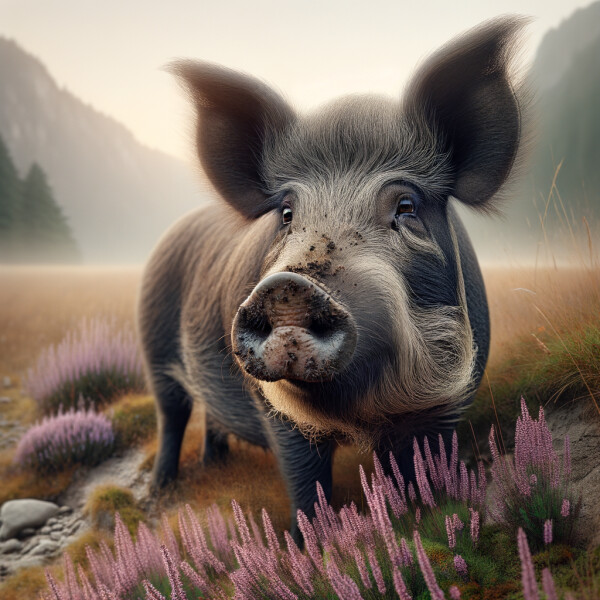
Hungarian Mangalica pigs thrive in extensive outdoor environments with plenty of space to roam and forage. They are well-suited to living in wooded areas or open pasture where they can exhibit their natural rooting behavior. Providing access to shelter from the elements is essential, as they have a thick, curly coat that helps regulate body temperature in varying weather conditions. Additionally, a clean and well-ventilated living environment is crucial to their overall health and well-being. These pigs are known to be adaptable to different settings but do best in environments that allow them to express their natural behaviors.
Grooming
When it comes to grooming, the Hungarian Mangalica pig requires regular attention to maintain its distinctive coat. With its long, curly bristles, brushing is essential to prevent matting and tangling. Bathing should be kept to a minimum to preserve the natural oils in the coat, with spot cleaning as needed. Regular hoof trimming is also necessary to ensure the pig's comfort and mobility. Additionally, regular health check-ups are recommended to address any grooming-related issues promptly and keep the pig in optimal condition. Overall, consistent grooming practices are essential for the well-being of this unique breed.
Training and Intelligence
These pigs possess high levels of intelligence, making them quick learners during training sessions. Their curious nature and problem-solving abilities contribute to their ease of picking up commands and tricks. Positive reinforcement methods work best with Hungarian Mangalicas, as they respond well to praise and rewards. Consistent training from a young age helps harness their intelligence and cooperative nature. Their adaptability and understanding of human cues make them a joy to train, excelling in various tasks and activities when given proper guidance and mental stimulation.
Exercise and Activity Requirements
Hungarian Mangalica pigs are known for their low exercise and activity requirements. Due to their docile and calm nature, they do not have high energy levels and are content with moderate activity levels. Providing them with ample space to roam and explore is beneficial for their physical and mental well-being. Encouraging natural foraging behaviors by hiding food or treats can also help keep them mentally stimulated. Regular short walks or access to a spacious outdoor area is sufficient to meet their exercise needs, making them suitable for owners looking for a low-maintenance pig breed in terms of activity.
Socialization
Highly social and friendly, these pigs thrive on interaction and companionship with their own kind as well as humans. Socialization plays a crucial role in their well-being and overall development, ensuring they exhibit positive behaviors and adapt well to different environments. Encouraging group activities and allowing ample time for social interactions from a young age helps foster strong bonds within the herd. Proper socialization also contributes to reducing stress levels and promoting mental stimulation, ultimately enhancing the overall quality of life for these sociable pigs.
Lifespan
Mangalica pigs typically have a lifespan of 10 to 12 years when cared for properly. With a slower growth rate compared to commercial pig breeds, they reach maturity at around 3 years old, allowing for a longer lifespan. Good nutrition, adequate living conditions, and regular veterinary care are essential factors in ensuring these pigs live a full and healthy life. Providing a stress-free environment and meeting their unique dietary requirements can further contribute to an extended lifespan for Mangalica pigs.
Common Behavioral Issues
Common behavioral issues in Hungarian Mangalica pigs may include aggression towards other animals, particularly during feeding times, due to their dominant nature. These pigs can also exhibit territorial behaviors, marking their space with scent glands. Furthermore, Hungarian Mangalicas are known to become anxious or stressed in unfamiliar environments, leading to potential destructive behaviors such as rooting or chewing excessively. It is important for owners to provide proper socialization and a stimulating environment to prevent these behavioral issues and ensure the well-being of the pigs.
Special Considerations
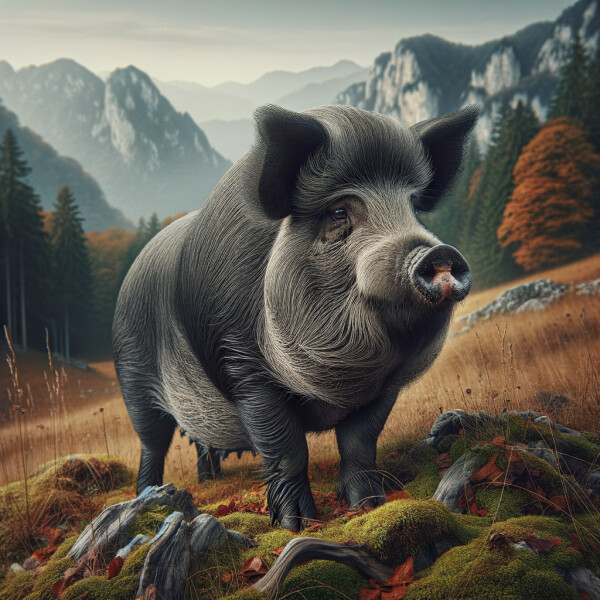
Due to their thick woolly coat, special consideration must be given to the Hungarian Mangalica's environment to prevent overheating, especially in warmer climates. They are known to be a hardy breed, but their unique fur requires regular grooming to avoid matting and maintain their overall health. Additionally, their foraging instincts should be catered to by providing ample space for grazing and rooting activities. Proper fencing is essential to prevent escape as they are excellent at foraging for food themselves. Overall, understanding and accommodating their specific needs will ensure the well-being and happiness of Hungarian Mangalica pigs.
Guardian Instincts
The Hungarian Mangalica breed exhibits strong guardian instincts, making them excellent protectors of their environment and companions. With a natural inclination to be alert and vigilant, these pigs are quick to detect any potential threats or disturbances in their surroundings. This instinctual behavior stems from their history of being raised in outdoor environments, where they had to rely on their senses to ensure their safety. Owners of Hungarian Mangalicas can benefit from their protective nature, as they are known to form strong bonds with their human caretakers and show loyalty in safeguarding their territory.
Allergies and Shedding
The Hungarian Mangalica pig breed is known for its hypoallergenic properties, making it a suitable option for individuals with allergies to traditional pig hair. The Mangalica's unusual fleece-like coat doesn't shed as much as other pig breeds, reducing dander and allergens in the environment. This unique feature sets it apart from its counterparts, providing a low-allergen option for those with sensitivities to animal hair. Additionally, the Mangalica's curly coat serves as insulation, helping them adapt well to various climates and environments, further showcasing the breed's versatility and resilience.
Cost of Ownership
The cost of ownership for the Hungarian Mangalica breed includes initial purchase prices ranging from $200 to $500 per piglet, with breeding quality pigs at the higher end. Additionally, ongoing expenses encompass feeding costs of approximately $2 per day per pig, with a preferred diet consisting of vegetables, fruits, and grains. Shelter construction can range from $500 for basic structures to $2000 for more elaborate setups. Veterinary care, including vaccinations and routine check-ups, can amount to around $100 per year per pig. Overall, prospective owners should budget between $1000 to $3000 annually for the upkeep of Hungarian Mangalica pigs.
Availability and Adoption
These pigs are relatively rare outside of Hungary, making them a unique find for those looking to adopt. As interest in heritage breeds grows, more breeders are working to increase availability. Potential adopters should thoroughly research care requirements and space needed, as these pigs can be larger than commercial breeds. Depending on location, adoption options may vary, so connecting with local breed societies or rescue organizations can be helpful. Considering the breed's susceptibility to certain health issues, finding a reputable breeder or rescue center with knowledge of the breed is crucial to ensuring the well-being of the pigs.
Famous Examples
One of the most famous examples of this unique pig breed is the red Mangalitsa sow named "Missy" from the United States. Another notable example is the Mangalitsa pigs raised at Wooly Pigs farm in Washington. These pigs have gained popularity among chefs and food enthusiasts for their exceptional marbling, succulent meat, and flavorful fat. The Mangalitsa breed's distinctive curly coat and unrivaled taste have earned it a place in the culinary world, with its pork prized for charcuterie and gourmet dishes worldwide.
Questions & Answers
1) Is the hungarian mangalica a good fit for families or first-time owners?
Hungarian Mangalica pigs are generally not recommended for families or first-time owners due to their specific care and nutritional needs.
2) How much exercise and daily care does a hungarian mangalica require?
Hungarian Mangalica pigs require ample space to roam and forage, as well as regular grooming to maintain their distinctive woolly coat.
3) What health issues are common in hungarian mangalica?
Common health issues in Hungarian Mangalica pigs include obesity, joint problems, and skin conditions due to their unique genetic makeup.
4) What is the origin of the hungarian mangalica breed?
The Hungarian Mangalica breed originated in Hungary in the mid-19th century, bred for its high-quality lard and ability to thrive in outdoor conditions.
5) What are the different color variations of hungarian mangalica?
Hungarian Mangalica pigs come in three main color variations: blonde, swallow-bellied, and red. Each variation has its own unique characteristics and history.
6) How do Hungarian Mangalica pigs contribute to sustainable farming practices?
Hungarian Mangalica pigs are known for their excellent foraging abilities, which helps reduce the environmental impact of commercial feed production, making them ideal for sustainable farming.
7) What is the typical temperament of hungarian mangalica pigs?
Hungarian Mangalica pigs are known for their calm and friendly temperament, making them pleasant to work with if their specific care needs are met.