
Shikoku - Complete Breed Guide
Shikoku - Complete Breed Guide

Breed Overview
The breed known for its spirited and loyal nature, the Shikoku is a medium-sized dog originating from Japan. With a well-balanced and muscular build, these dogs boast a distinctive curled tail, erect ears, and a dense double coat that comes in sesame, red, or black and tan colors. Known for their intelligence and independence, Shikokus require consistent training and early socialization to thrive in various environments. Their strong prey drive and energetic nature make them excellent hunting companions, excelling in agility and tracking activities. Renowned for their devotion to their families, Shikokus are affectionate yet reserved with strangers.
Adoption & Local Availability
If you’re looking to bring a shikoku into your home, there are several ways to find one available for adoption. Below are options to explore both local availability and general listings.
Size and Appearance
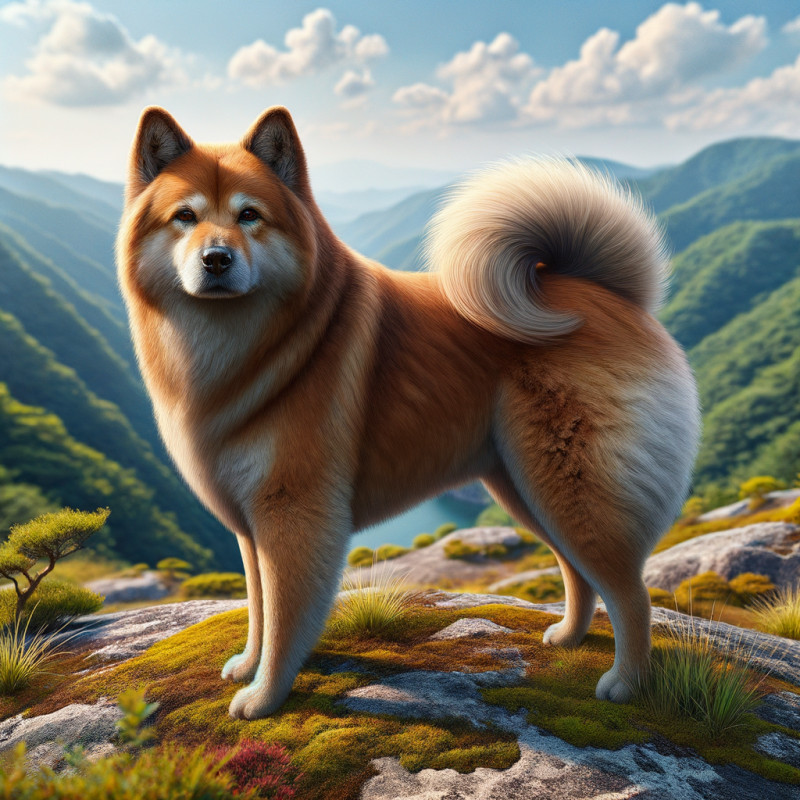
The Shikoku is a medium-sized dog breed known for its well-proportioned build, sturdy frame, and balanced appearance. They have a distinctly fox-like face with small, triangular ears that stand erect. Their eyes are almond-shaped and convey a sense of intelligence and alertness. Shikokus have a bushy tail that curls over their back in a characteristic manner. Their double coat consists of a straight outer coat and a thick, soft undercoat that provides insulation. This breed typically exhibits a confident and dignified posture, exuding a sense of strength and agility in their overall appearance.
Health and Lifespan
The average lifespan of a healthy Shikoku is around 12 to 16 years. Like all breeds, they are susceptible to certain health issues such as patellar luxation, hip dysplasia, and allergies. Regular veterinary check-ups, a balanced diet, and sufficient exercise can help maintain their overall health and wellbeing. It is essential to monitor their weight and ensure they receive proper dental care to prevent any dental issues. Responsible breeding practices can also help reduce the risk of hereditary health problems in the Shikoku breed.
Family Compatibility
Family Compatibility:
The Shikoku is known to be devoted and loving towards its family, forming strong bonds with all members. They are generally good with children when properly socialized, showcasing a playful and gentle nature. Their alert and protective instincts make them excellent watchdogs, alerting their family to any potential danger. Shikokus thrive on human companionship and are happiest when they are an integral part of the family unit. Early socialization and training are important to ensure that they coexist harmoniously with other pets, as their strong prey drive may lead to chasing smaller animals.
Exercise Needs
Shikokus have high exercise needs, requiring vigorous daily activity to stay mentally and physically stimulated. Regular long walks, runs in a secure area, and engaging play sessions are essential for their overall well-being. These dogs excel in activities like hiking, agility, and obedience training, enjoying challenges that keep them active and engaged. Without enough exercise, shikokus may become bored and exhibit destructive behaviors. Providing this breed with regular, varied exercises tailored to their energy levels and age is crucial for a happy and healthy companion.
Diet and Feeding
Being a medium-sized dog breed with high energy levels, a balanced diet is crucial for maintaining the overall health and well-being of this athletic and active breed. Typically, feeding a quality dog food that is appropriate for the dog's age, size, and activity level is recommended. It's important to monitor their weight and adjust their food intake accordingly to prevent obesity. Additionally, providing fresh water at all times is essential to keep them hydrated, especially after physical activities. Treats should be given in moderation to avoid overeating and maintain a healthy weight. Consulting with a veterinarian for specific dietary recommendations can ensure the Shikoku's nutritional needs are met.
Living Environment
The shikoku breed thrives in a spacious and active living environment, ideally a house with a securely fenced yard for exploration and play. These dogs enjoy having room to move around and benefit from regular opportunities for exercise and mental stimulation. Providing a balanced lifestyle with plenty of outdoor activities, such as walks, runs, and interactive play sessions, is essential to keeping a shikoku physically and mentally healthy. Additionally, incorporating training exercises and enriching toys into their daily routine can help prevent boredom and destructive behaviors, ensuring a happy and well-adjusted companion.
Grooming
Grooming a Shikoku is relatively low maintenance, requiring weekly brushing to maintain their double coat and remove loose fur. They are a clean breed and only need occasional baths when necessary. Pay special attention to their ears for any signs of infection and trim their nails regularly. Brushing their teeth a few times a week is recommended to maintain good oral hygiene. Overall, grooming tasks for this breed are minimal, but consistency is key to keeping the Shikoku looking and feeling their best.
Training and Intelligence
Training and Intelligence:
The breed is highly intelligent and independent, making training a rewarding challenge. Consistent, positive reinforcement methods work best to keep them engaged and eager to learn. Their natural prey drive and strong sense of smell should be considered when training, as they may easily become distracted. They respond well to a variety of training activities, including obedience, agility, and scent work. Early socialization is key to helping them develop good manners and interactions with other dogs. Patience and firm, yet gentle, guidance will help harness their intelligence and natural instincts effectively.
Exercise and Activity Requirements
Exercise and Activity Requirements:
The Shikoku breed is an energetic and active dog that requires ample daily exercise to stay healthy and happy. They thrive in environments where they can run, play, and explore, making them well-suited for active individuals or families. Daily walks, jogs, or hikes are essential to meet their physical and mental stimulation needs. Engaging in interactive games and agility training can also help fulfill their exercise requirements. It's crucial to provide them with consistent exercise to prevent boredom and potential behavior issues, ensuring they remain well-balanced and content companions.
Socialization
Early and consistent socialization is crucial for this breed to ensure they develop into well-rounded and confident dogs. Exposing them to various people, animals, environments, and experiences from a young age helps prevent potential behavioral issues such as aggression or fearfulness. Positive interactions during socialization can also contribute to building strong bonds with their family and being more adaptable to different situations in adulthood. It is important to approach socialization systematically and positively reinforce good behavior to help the dog feel secure and comfortable in different social settings throughout their life.
Lifespan
The average lifespan of this breed ranges from 10 to 15 years when provided with proper care, nutrition, and regular exercise. Maintaining a healthy weight and addressing any health issues promptly can contribute to their longevity. It is essential to schedule regular check-ups with a veterinarian to monitor their overall health and detect any potential concerns early on, ensuring they live a long and fulfilling life. Additionally, mental stimulation and socialization are also crucial aspects in promoting their well-being and happiness throughout their lifespan.
Common Behavioral Issues
Common behavioral issues in the Shikoku breed may include independence, stubbornness, and a high prey drive. Shikokus are known for their spirited and bold nature, which can sometimes lead to challenges in training and socialization. Due to their strong hunting instincts, they may exhibit aggression towards other animals, especially smaller pets. Additionally, they can be reserved with strangers and may be wary of new people or situations. It is important for Shikoku owners to provide consistent training, socialization, and mental stimulation to help manage and prevent behavioral issues in this intelligent and energetic breed.

Special Considerations
When considering owning this breed, it's important to note their independent nature and strong prey drive, requiring secure fencing and supervision outdoors. Socialization and early training are crucial to manage their reserved and cautious demeanor. Regular exercise is essential to prevent behavioral issues, as they thrive with physical and mental stimulation. Grooming needs are minimal, with a double coat requiring brushing during shedding seasons. Potential adopters should be prepared for their spirited and energetic temperament, as well as their need for an active lifestyle to keep them happy and healthy.
Guardian Instincts
Shikokus possess strong guardian instincts naturally bred into them. They are fiercely loyal, protective, and alert, making them excellent watchdogs. With a keen sense of their surroundings, they are quick to detect potential threats and will not hesitate to act to protect their home and family. Despite their independent nature, Shikokus are known to be highly intuitive and can form deep bonds with their owners, making them reliable and vigilant guardians. Proper training and socialization from a young age can help channel their protective instincts in a positive and controlled manner, ensuring they excel in their role as guardians.
Allergies and Shedding
Shikokus are a double-coated breed that sheds seasonally. Regular grooming and brushing can help manage shedding, but they are not considered hypoallergenic. People with allergies may react to the breed's dander and fur. Bathing them occasionally and keeping their living areas clean can reduce allergy symptoms. Investing in a high-quality vacuum cleaner and air purifier can also help minimize allergies. Proper grooming and maintenance are key in managing shedding and reducing allergens in the home. Despite regular shedding, the love and companionship of a Shikoku make it a rewarding breed for the right owner.
Cost of Ownership
The cost of owning a Shikoku dog typically ranges from $1000 to $2000 for purchasing from a reputable breeder. Additional initial expenses include vaccinations, spaying/neutering, microchipping, and essential supplies which may total around $500. Annual recurring costs for food, treats, grooming, training, pet insurance, and routine veterinary care can amount to $1000-$1500. Unexpected medical expenses, grooming services, boarding, and accessories can contribute to an extra $500-$1000 annually. Over the lifetime of a Shikoku, which can be 10-15 years, the total cost of ownership can add up to approximately $15,000-$25,000.
Availability and Adoption
Shikoku dogs are a rare breed with limited availability outside of their native Japan. Those interested in adopting a Shikoku may need to join waitlists from reputable breeders or consider adoption through specialized rescue organizations. Due to their scarcity, potential owners should be patient and prepared for a thorough screening process. It's crucial to research breed-specific traits and requirements to ensure compatibility with this intelligent and independent breed. While adoption may require extra effort, the reward of welcoming a loyal and loving Shikoku into your home is well worth the wait.
Famous Examples
Hachiko, a loyal Akita in Japan, is a famous example of remarkable loyalty and devotion, similar to the Shikoku breed. Taro, another Akita, made headlines for his incredible journey back to his home over 2,500 km away. Smoky, a WWII war dog, was known for her bravery and intelligence, qualities also found in the Shikoku. Hooch, a Dogue de Bordeaux, showcased the breed's protective instincts in the movie "Turner & Hooch." These famous examples highlight the admirable traits of loyalty, bravery, intelligence, and protectiveness that are synonymous with the Shikoku breed.
Questions & Answers
1) Is the shikoku a good fit for families or first-time owners?
Shikokus are typically not recommended for first-time owners or families with young children due to their independent and strong-willed nature.
2) How much exercise and daily care does a shikoku require?
Shikokus are an energetic and active breed that require at least 1-2 hours of exercise daily, along with mental stimulation to prevent boredom.
3) What health issues are common in shikoku?
Common health issues seen in shikokus include hip dysplasia, patellar luxation, and certain eye conditions such as progressive retinal atrophy.
4) Are shikokus good with other pets?
Shikokus can get along with other pets if properly socialized from a young age, but their strong prey drive may make them chase smaller animals.
5) How are shikokus with strangers?
Shikokus are known to be reserved and aloof with strangers, making them excellent watchdogs but may require early socialization to prevent aggression.
6) What is the typical grooming routine for a shikoku?
Shikokus have a double coat that sheds seasonally, so regular brushing is necessary to keep their coat in good condition. Bathing should be done as needed.
7) Do shikokus have a strong prey drive?
Yes, shikokus have a strong prey drive due to their history as hunting dogs. It's important to keep them leashed or in a secure area when outdoors.