
Sheltie - Complete Breed Guide
Sheltie - Complete Breed Guide
Breed Overview
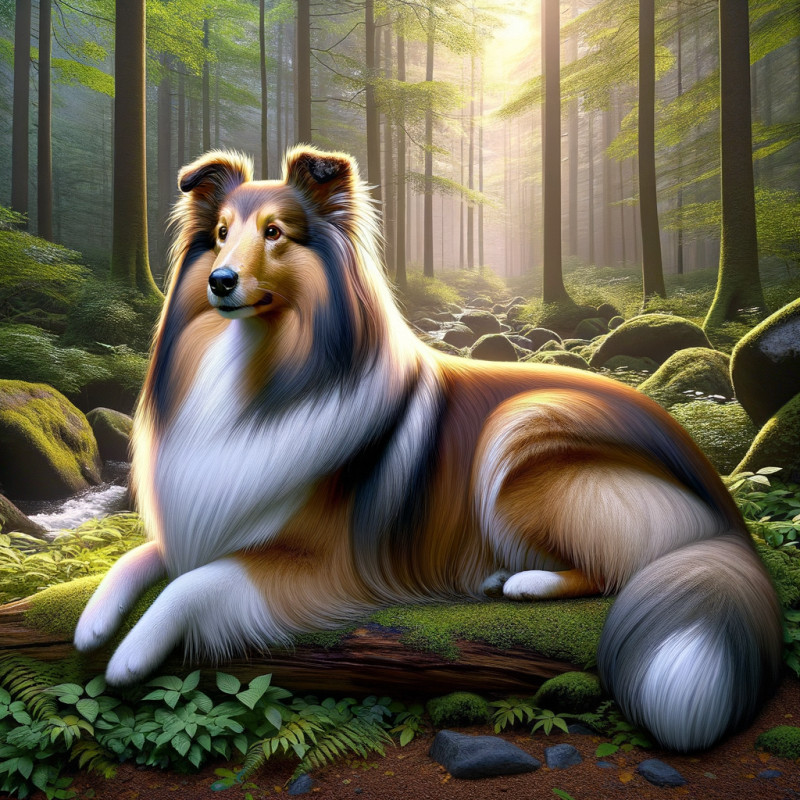
Known for their intelligence, agility, and grace, this breed excels in various canine activities such as obedience, herding, and therapy work. Their striking double coat, consisting of a dense undercoat and long, flowing outer coat, requires regular grooming to maintain its beauty. With a strong herding instinct, these dogs are quick to learn and eager to please, making them ideal companions for active individuals and families. Despite their small to medium size, they possess a big heart and a loyal, affectionate nature towards their loved ones. Overall, this breed embodies a perfect balance of beauty, brains, and loyalty.
Adoption & Local Availability
If you’re looking to bring a sheltie into your home, there are several ways to find one available for adoption. Below are options to explore both local availability and general listings.
Size and Appearance
Shelties are a small to medium-sized breed, typically standing between 13 to 16 inches at the shoulder and weighing around 15 to 30 pounds. They have a luxurious double coat, with a long, straight outer coat and a soft, dense undercoat. This breed is known for their striking appearance, including a flowing mane of fur around the neck and a plumed tail carried proudly over the back. Their expressive almond-shaped eyes and alert, intelligent expression add to their overall enchanting look. A well-proportioned body and elegant, graceful movement complete the distinctive appearance of this beloved breed.
Health and Lifespan
Shelties typically live around 12 to 14 years when provided with proper care and a healthy lifestyle. They are generally considered a healthy breed but can be prone to certain genetic health issues such as hip dysplasia, eye problems, and thyroid disorders. Regular veterinary check-ups, a balanced diet, and sufficient exercise can help maintain their overall health and extend their lifespan. It's crucial for sheltie owners to be aware of potential health risks and take proactive measures to ensure their furry companions live long, happy lives.
Family Compatibility
Known for their loving and loyal nature, this breed excels in family settings and thrives on companionship. Shelties are highly sociable and enjoy being a part of the family activities, often forming strong bonds with all members. Their gentle demeanor makes them great with children, but their herding instincts may lead them to try and 'herd' small kids. While they may bark to alert their family of any potential danger, proper training can help curb excessive barking. With their intelligence and eagerness to please, shelties make wonderful family pets that provide endless love and companionship.
Exercise Needs
Shelties are an energetic breed that require regular exercise to maintain their physical and mental well-being. Daily walks, playtime, and engaging activities are essential to prevent boredom and destructive behaviors. Providing opportunities for running, agility training, and interactive games not only helps them stay fit but also strengthens the bond between the dog and their owner. It is recommended to offer at least 60 minutes of exercise each day to keep them happy and healthy. Making sure they have outlets for their energy will significantly contribute to their overall happiness and quality of life.
Diet and Feeding
Given their sensitive stomachs, a balanced diet high in protein and healthy fats is crucial for this breed. Meals should be divided into smaller portions to prevent bloating. Avoid foods like grapes, chocolate, and onions, which can be toxic to them. Fresh water should always be accessible. Consider their activity level and age when determining portions. Tailor their diet to maintain a healthy weight, as obesity can lead to various health issues. Consulting a veterinarian for personalized nutritional advice is recommended to ensure your pup's dietary needs are met for optimal health and longevity.
Living Environment
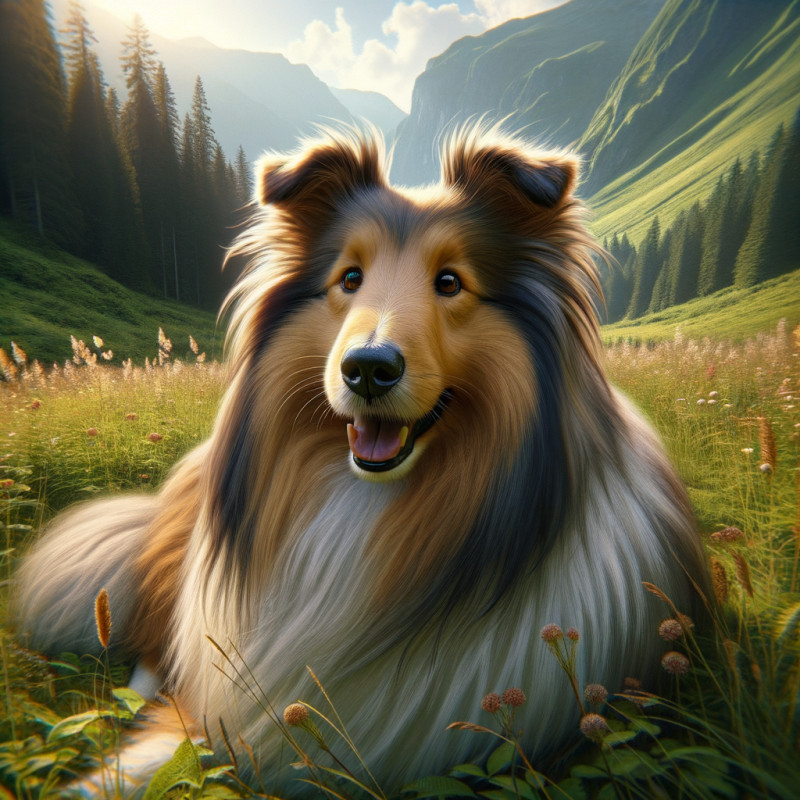
Shelties thrive in a loving and nurturing home environment where they receive ample attention and companionship. They are well-suited for living both in spacious rural settings and in cozy urban apartments, as long as they have daily walks and frequent opportunities for mental stimulation. Shelties are sensitive to their surroundings and can be prone to stress in chaotic or loud environments, so a calm and peaceful household is ideal for their overall well-being. Additionally, a securely fenced yard is recommended to provide them with a safe space to explore and exercise freely.
Grooming
With their luxurious double coat, regular grooming is essential for this breed to keep their fur free of mats and tangles. Weekly brushing is recommended to prevent shedding and maintain the characteristic mane around the neck and fluffy tail. Bathing should be done as needed, using a dog-specific shampoo to keep the coat healthy and clean. Special attention should be paid to the ears, which can collect dirt and moisture, leading to infections. Trimming the nails regularly and brushing teeth are also important aspects of grooming to ensure overall health and well-being for this breed.
Training and Intelligence
These intelligent dogs are known for their eagerness to learn and please their owners. Their high intelligence levels make them quick learners, excelling in obedience training, agility, and other canine sports. Positive reinforcement methods work best with this breed, as they are sensitive to harsh training techniques. Consistency and patience are key when training these clever dogs, as they thrive on mental stimulation. Providing regular training sessions and challenges will keep their sharp minds engaged and prevent boredom, resulting in a well-behaved and responsive companion.
Exercise and Activity Requirements
Shelties are an energetic and agile breed that require regular exercise to maintain their physical and mental well-being. Daily walks, interactive play sessions, and engaging in dog sports such as agility or obedience training are recommended to meet their activity needs. Providing mental stimulation through puzzle toys and training exercises is essential to prevent boredom, which can lead to undesirable behaviors. A fenced-in yard is ideal for them to safely run and play, but supervision is advised as they have a tendency to wander off if not properly trained. Regular exercise helps shelties stay fit, happy, and well-balanced.
Socialization
Socialization is crucial for these intelligent and sensitive dogs to thrive. Early, positive experiences with various people, animals, and environments are essential to prevent timid or fearful behavior. Exposing them to different situations helps build their confidence and ensures they grow up to be well-adjusted companions. Proper socialization also assists in curbing any potential aggression or anxiety issues. Positive interactions during this critical developmental stage are key to raising a well-rounded and friendly dog that can adapt to new experiences with ease. Regular socialization throughout their lifetime is beneficial for maintaining their social skills and overall well-being.
Lifespan
Shetland Sheepdogs typically live for 12 to 14 years, with some individuals even reaching up to 16 years of age. Proper care, a balanced diet, regular exercise, and routine veterinary check-ups are essential for maximizing their lifespan. Additionally, genetics play a significant role, with responsible breeding practices aimed at reducing hereditary health issues known to affect the breed. Providing a loving and stimulating environment, along with early socialization and training, can contribute to the overall well-being and longevity of these intelligent and loyal companions.
Common Behavioral Issues
Common behavioral issues observed in this breed include excessive barking, separation anxiety, and herding instincts leading to nipping or chasing behaviors. Shelties are known to be sensitive and highly intelligent, requiring mental stimulation and structured training to prevent boredom-related behaviors. Proper socialization from an early age is crucial to avoid shyness or fearfulness, and ensuring regular exercise and mental stimulation will help maintain their well-rounded temperament. Positive reinforcement training methods work best with shelties, as they respond well to praise and treats. When provided with a loving and consistent environment, shelties can thrive and exhibit their loyal and affectionate nature.
Special Considerations
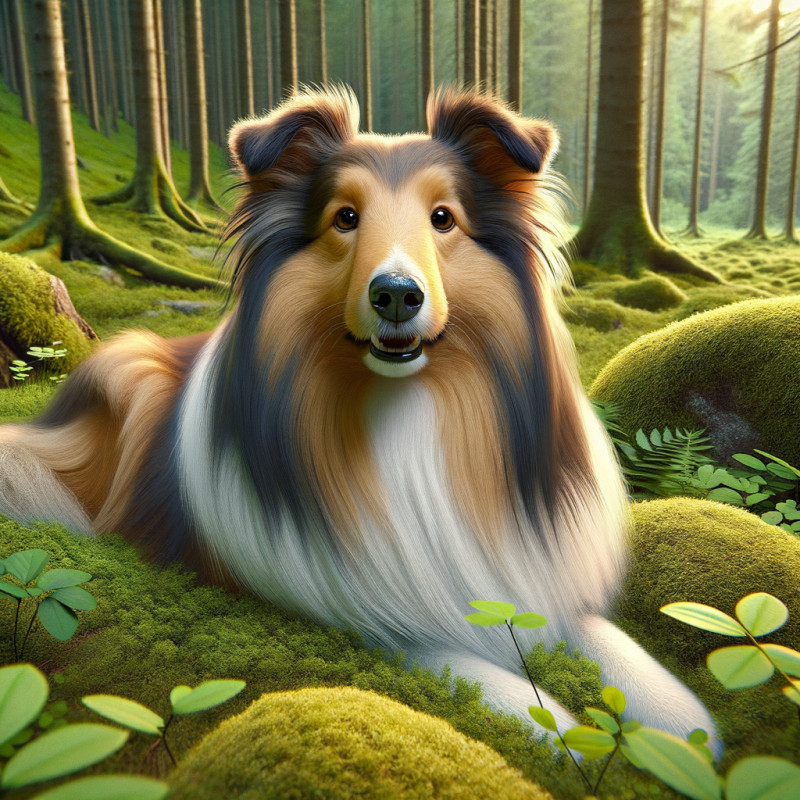
Special Considerations: Shelties are known to be highly sensitive and prone to anxiety, requiring ample socialization and positive reinforcement training. Their luxurious double coat demands regular grooming to prevent matting. Due to their herding instincts, they may exhibit nipping behaviors, especially towards small children. Shelties thrive on mental stimulation and physical exercise, necessitating daily activities to prevent boredom and behavioral issues. They are prone to certain health conditions such as Collie Eye Anomaly and hip dysplasia, making regular veterinary check-ups crucial for their overall well-being. Owners should also be mindful of their tendency to bark excessively, requiring proper training and management strategies.
Guardian Instincts
Shelties are known for their strong guardian instincts, making them excellent watchdogs. They are naturally alert and protective of their family, often displaying a keen sense of awareness to potential threats. Despite their small size, shelties are brave and will not hesitate to alert their owners of any perceived danger. This innate sense of protectiveness, combined with their loyalty and intelligence, makes them reliable guardians in any household setting. Owners of shelties can feel at ease knowing that their furry companions will always have their back when it comes to safeguarding the home.
Allergies and Shedding
These dogs are known for their thick double coat, which sheds heavily twice a year. Regular grooming is essential to manage shedding and prevent matting. Due to their dense fur, some individuals may trigger allergies in sensitive individuals. It's important to keep up with grooming habits to minimize shedding and potential allergens in the environment. Regular brushing, bathing, and maintaining a clean living space can help reduce allergy symptoms and keep the coat in good condition. Choosing a high-quality diet and proper hydration can also promote healthy skin and coat, minimizing shedding and potential allergic reactions.
Cost of Ownership
The cost of owning a Sheltie includes initial expenses like purchasing from a breeder or adoption fees, which can range from $500 to $1,500. Annual costs for food, grooming, and medical care average around $500 to $1,000. Additional expenses for training classes, toys, bedding, and treats should also be factored in, amounting to roughly $300 to $500 per year. Emergency vet visits or unexpected health issues can potentially incur significant costs, averaging around $500 to $1,000 per incident. Overall, the total cost of ownership for a Sheltie can range from $1,500 to $3,500 per year, depending on various factors.
Availability and Adoption
Shelties are generally available for adoption through breed-specific rescues or shelters, as well as from reputable breeders. Rescuing a Sheltie is a wonderful option for providing a loving home to a dog in need. Breed-specific rescues often have a thorough adoption process to ensure a good match between the dog and potential adopter. Reputable breeders may also have Sheltie puppies or adult dogs available for adoption. It's important to research and choose a responsible source to adopt a Sheltie, ensuring they come from a healthy and ethical environment.
Famous Examples
Lassie, perhaps the most famous example of this intelligent and loyal herding breed, captivated audiences with her courage and devotion in various TV shows and movies. Additionally, the beloved Blue from the novel "The Incredible Journey" showcased the breed's remarkable intelligence and loyalty in a heartwarming tale of adventure and friendship. Both iconic examples highlight the sheltie's versatility, trainability, and unwavering loyalty, making them popular choices for both Hollywood productions and loving family homes alike.
Questions & Answers
1) Is the sheltie a good fit for families or first-time owners?
Yes, shelties are excellent family dogs and can be a good fit for first-time owners who are willing to commit to their exercise and grooming needs.
2) How much exercise and daily care does a sheltie require?
Shelties are active dogs that require daily exercise, about 30-60 minutes of physical activity. They also need regular grooming to maintain their double coat.
3) What health issues are common in shelties?
Some common health issues in shelties include hip dysplasia, eye problems like collie eye anomaly and progressive retinal atrophy, and epilepsy.
4) Are shelties good with children and other pets?
Shelties are known for their gentle and playful nature, making them great companions for children. They also generally get along well with other pets if socialized properly.
5) Do shelties bark a lot?
Shelties are known for their vocal nature and can be prone to barking, especially if they are bored or not getting enough mental stimulation.
6) What is the typical personality of a sheltie?
Shelties are intelligent, sensitive, and loyal dogs. They are responsive to training and thrive on mental stimulation. They can be reserved with strangers but are affectionate with their families.
7) How often should a sheltie be groomed?
Shelties have a double coat that requires regular grooming to prevent matting and keep their fur in good condition. They should be brushed a few times a week and may need more frequent grooming during shedding season.