
Sheepdog - Complete Breed Guide
Sheepdog - Complete Breed Guide

Breed Overview
Known for their remarkable intelligence, loyalty, and adaptability, these dogs are often utilized for herding livestock due to their innate herding instincts. With a history deeply rooted in working alongside farmers and ranchers, they excel in tasks requiring quick thinking and agility. Possessing a strikingly beautiful double coat built for endurance in harsh weather conditions, these dogs require regular grooming to maintain their iconic fluffy appearance. Renowned for their friendly and gentle nature, they make excellent family companions and thrive when given plenty of exercise and mental stimulation.
Adoption & Local Availability
If you’re looking to bring a sheepdog into your home, there are several ways to find one available for adoption. Below are options to explore both local availability and general listings.
Size and Appearance
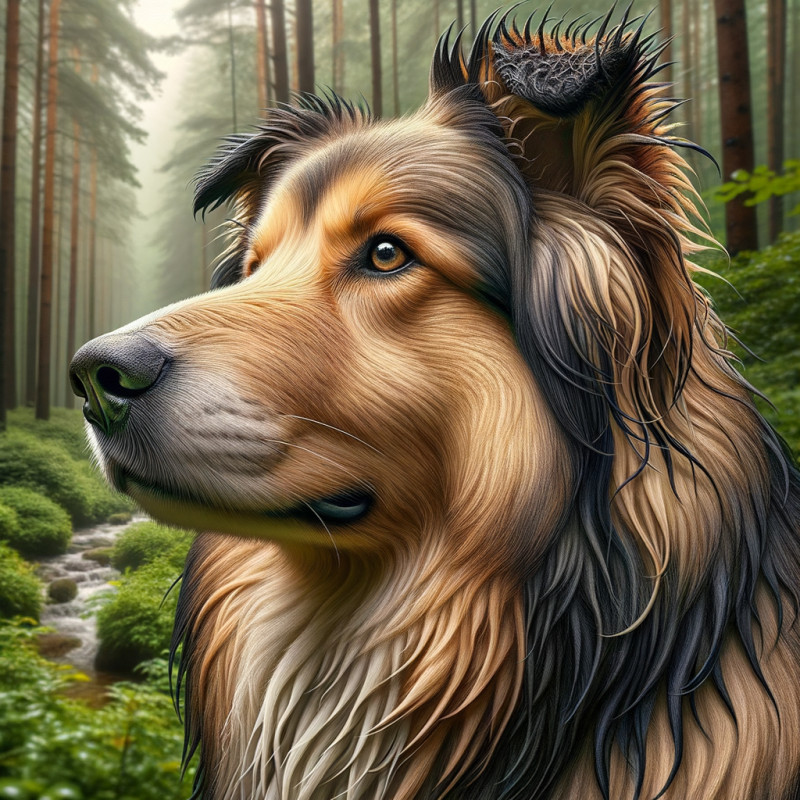
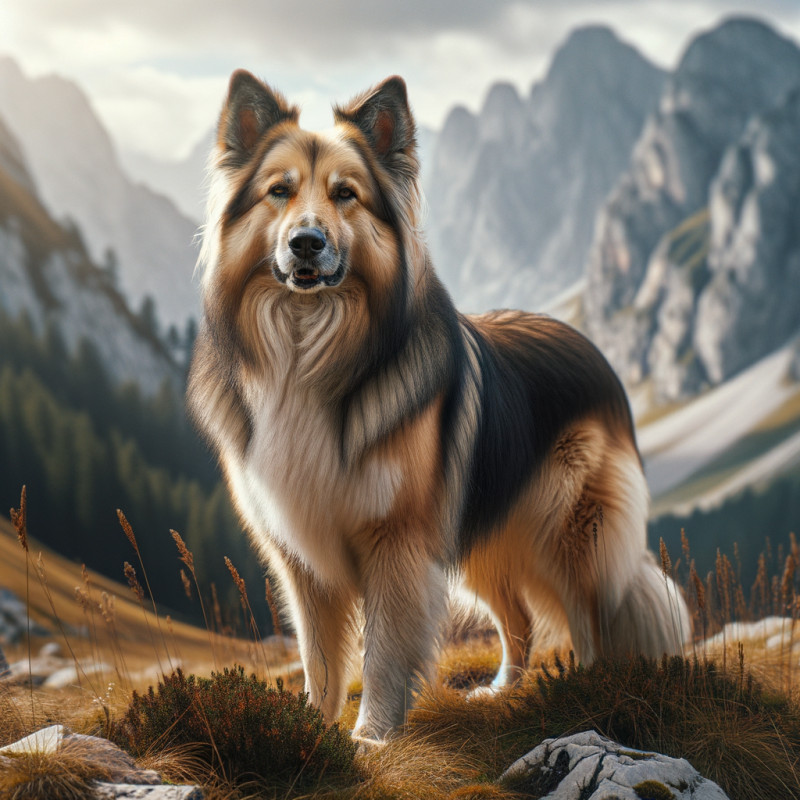
Renowned for their substantial size and distinctive appearance, these dogs boast a robust build with a sturdy frame and a muscular physique. Their dense double coat, typically featuring a long, flowing outer layer and a soft, thick undercoat, serves as protection against various weather conditions. These canines often showcase a striking symmetrical facial structure with expressive eyes, a well-defined head, and erect, triangular ears. Known for their keen intelligence and keen focus, their majestic presence and agile movements make them a visually impressive and highly capable working breed.
Health and Lifespan
Sheepdogs are generally healthy dogs with an average lifespan of 10 to 12 years. Common health issues in this breed include hip dysplasia, progressive retinal atrophy, and hypothyroidism. To ensure a long and healthy life for a sheepdog, regular exercise, a balanced diet, routine veterinary check-ups, and preventive care are essential. Maintaining a healthy weight and providing mental stimulation are also important factors in promoting the overall well-being and longevity of this intelligent and hardworking breed.
Family Compatibility
Family Compatibility: Known for their loyal and affectionate nature, these hardworking and intelligent dogs are excellent companions for families. They form strong bonds with their owners and are gentle and patient, especially with children. Their herding instincts may lead them to try to herd family members, including children, but early training can help manage this behavior. Regular exercise and mental stimulation are essential to keep them happy and well-adjusted, making them ideal for active families who can provide plenty of physical activity and attention. With proper socialization, they get along well with other pets and can thrive in a family setting.
Exercise Needs
Exercise is crucial for this breed to maintain physical and mental well-being. Sheepdogs have high energy levels and require daily activities such as long walks, playtime, and training sessions to stay happy and healthy. Engaging in interactive games like fetch or agility training can help fulfill their strong need for mental stimulation. Providing a fenced yard where they can romp and explore safely is ideal, but regular outings to parks or open spaces are also recommended. However, it's essential to tailor their exercise routine to their individual energy levels, as over-exercising can lead to joint issues and exhaustion.
Diet and Feeding
Sheepdogs require a high-quality diet rich in protein to support their active lifestyle and maintain their dense double coat. Feeding them twice a day can help prevent bloating, a common issue in deep-chested breeds. Keep an eye on their weight to adjust their portions accordingly, as obesity can lead to health problems. Always provide access to fresh water, and consider consulting with a veterinarian to tailor a feeding plan to your sheepdog's specific needs, taking into account factors such as age, size, and activity level. Quality nutrition is essential for keeping your sheepdog healthy and happy.
Living Environment
'Sheepdogs thrive in spacious living environments where they have room to roam and explore. These intelligent and active dogs require a home with a large, securely fenced yard to prevent them from wandering off. They enjoy being part of the family and do best in homes where they are not left alone for long periods of time. Providing mental stimulation and regular exercise is essential to keep them happy and prevent boredom. Overall, a loving and active household with plenty of space to move around is ideal for these energetic and loyal dogs.'
Grooming
Grooming is essential for this breed due to their long, double coat that requires regular maintenance to prevent matting and tangling. Brushing several times a week, especially during shedding seasons, helps to remove loose fur and debris. Bathing should be limited to prevent stripping the coat of its natural oils, which keep it healthy and shiny. Paying specific attention to areas like behind the ears, underarms, and hind legs will help prevent matting in those areas. Trim the hair around the feet and pads to prevent debris buildup and ensure proper foot health. Regular grooming not only keeps the dog looking good but also contributes to their overall wellbeing.
Training and Intelligence
Sheepdogs are highly intelligent breeds known for their exceptional trainability. Their sharp minds and eager-to-please nature make them quick learners, excelling in obedience training and complex tasks. Utilizing positive reinforcement methods and consistent, patient guidance is key to bringing out the best in these intelligent canines. Providing mental stimulation through interactive games and challenging activities is essential to prevent boredom and ensure their mental well-being. With the right approach and commitment to training, sheepdogs can reach impressive levels of obedience and showcase their intelligence in various canine sports and working roles.
Exercise and Activity Requirements
Exercise and activity are vital for this breed to maintain their physical and mental well-being. These intelligent and energetic dogs thrive on daily exercise, such as long walks, runs, and engaging play sessions. Regular opportunities for mental stimulation, such as interactive toys and training sessions, are crucial to prevent boredom and destructive behaviors. A lack of physical and mental activity can lead to weight gain and behavioral issues. Providing a variety of activities that tap into their herding instincts, such as agility training or herding trials, can greatly enrich their lives and strengthen the bond with their owners.
Socialization
Proper socialization is crucial for this breed's well-being, as they are known to be loyal and protective. Exposing them to various people, animals, and environments from a young age helps prevent any potential behavioral issues. Sheepdogs thrive on social interaction and are happiest when included in family activities. Positive experiences during socialization can shape them into well-adjusted and confident companions. Additionally, early socialization helps mitigate any potential shyness or aggression towards strangers or other animals. Consistent socialization throughout their lives ensures a friendly and well-mannered dog who can adapt to different situations with ease.
Lifespan
Sheepdogs typically have a lifespan of about 10 to 12 years. With proper care, including regular exercise, a balanced diet, and routine veterinary check-ups, sheepdogs can live long and healthy lives. Genetic factors and overall well-being play a significant role in determining the lifespan of a sheepdog. Owners should be mindful of providing a loving and stimulating environment to ensure their sheepdog's longevity and quality of life.
Common Behavioral Issues
Common behavioral issues in this breed include excessive barking, herding behavior towards people or other animals, and separation anxiety. Due to their innate instinct to herd, sheepdogs may display tendencies to nip or chase moving objects. Proper socialization and consistent training from an early age can help mitigate these behaviors. Lack of mental and physical stimulation may lead to destructive behavior. Additionally, some sheepdogs may exhibit guarding behavior if not trained appropriately. Positive reinforcement, regular exercise, and mental stimulation are essential in addressing and preventing these common behavioral issues in this breed.
Special Considerations
Special Considerations:
The breed is known to have a high level of intelligence and energy, requiring mental stimulation and regular exercise to prevent boredom and potential behavior issues. Due to their history as working dogs, they may possess strong herding instincts which could lead to attempts to herd small children or other pets. Regular grooming and coat maintenance are essential to prevent matting and tangling of their thick fur. Training should focus on socialization and obedience to ensure they can interact well with people and other animals. Proper diet and exercise are crucial to maintaining their overall health and well-being.
Guardian Instincts
Bred for their exceptional guardian instincts, these dogs are deeply loyal and protective of their families and territory. Their keen awareness and strong sense of responsibility make them vigilant protectors who will swiftly respond to any perceived threat. Known for their bravery and unwavering devotion, they excel in guarding and defending their loved ones with unwavering dedication. Their natural instincts to watch over and keep their surroundings safe make them invaluable companions, always ready to defend and safeguard those under their care. These traits make them reliable and trustworthy guardians, providing a sense of security and peace of mind to those around them.
Allergies and Shedding
Sheepdogs are known to be moderate to heavy shedders, requiring regular grooming to minimize loose fur around the home. Their double coat, consisting of a dense undercoat and a longer outer coat, sheds seasonally and can trigger allergies in some individuals. It's essential to brush them frequently to prevent matting and reduce shedding. Keeping up with grooming also helps with air quality in the home for those with allergies, as it minimizes dander and loose hair. Regular baths and visits to a professional groomer can also assist in managing shedding and reducing allergens in the environment.
Cost of Ownership
Cost of Ownership: The cost of owning a sheepdog can vary widely based on factors such as breeder reputation, location, and grooming needs. Initial expenses typically include adoption fees or purchase price, vaccinations, microchipping, and spaying/neutering. Ongoing costs may include high-quality food, grooming supplies, training classes, veterinary care, and pet insurance. Additionally, grooming costs can be significant due to the breed's long coat, requiring regular grooming and occasional professional grooming. Potential owners should also budget for regular exercise, enrichment toys, and miscellaneous expenses like toys, beds, and treats to provide a happy and healthy environment for their new furry family member.
Availability and Adoption
When considering adopting a sheepdog, potential owners should be aware that these dogs are popular in many regions and can often be found in shelters or through breed-specific rescue organizations. Due to their intelligence and loyalty, sheepdogs are in demand, so it may take time to find one available for adoption. Additionally, some sheepdogs may need specialized training or rehabilitation due to neglect or abuse in their past. Prospective owners should be prepared to invest time and effort in providing proper care and training for their adopted sheepdog to ensure a happy and healthy relationship.
Famous Examples
Famous Examples: One of the most well-known sheepdogs is Old Hemp, a Border Collie known for his exceptional herding skills and intelligence. Another famous example is Hektor Linksrhein, a German Shepherd who gained recognition for his work in search and rescue missions. Lassie, a Rough Collie, is also a famous sheepdog in popular culture, known for her loyalty and bravery in various television shows and movies. These famous examples showcase the versatility, intelligence, and loyalty that are characteristic of the sheepdog breed.
Questions & Answers
1) Is the sheepdog a good fit for families or first-time owners?
Yes, sheepdogs are known for being great family dogs and can be a good fit for first-time owners with proper training and socialization.
2) How much exercise and daily care does a sheepdog require?
Sheepdogs are a high-energy breed that require daily exercise such as long walks, runs, or play sessions. They also need regular grooming to maintain their coat.
3) What health issues are common in sheepdogs?
Some common health issues in sheepdogs include hip dysplasia, progressive retinal atrophy (PRA), and epilepsy. Regular vet check-ups and a healthy diet can help prevent or manage these issues.
4) How intelligent are sheepdogs?
Sheepdogs are highly intelligent and known for their problem-solving skills. They excel in activities that challenge them mentally, such as obedience training and agility trials.
5) Are sheepdogs good with other pets?
Sheepdogs can get along well with other pets if properly socialized from a young age. Their herding instincts may lead them to try to herd smaller animals, so supervision is recommended.
6) Do sheepdogs shed a lot?
Yes, sheepdogs have a thick double coat that sheds year-round. Regular grooming, including brushing to prevent matting, is necessary to manage their shedding.
7) What is the typical temperament of a sheepdog?
Sheepdogs are loyal, affectionate, and protective of their family. They are known for their gentle demeanor and are great with children. Proper socialization is important to ensure they are well-mannered around strangers.