
Samoyedskaya - Complete Breed Guide
Samoyedskaya - Complete Breed Guide
Breed Overview
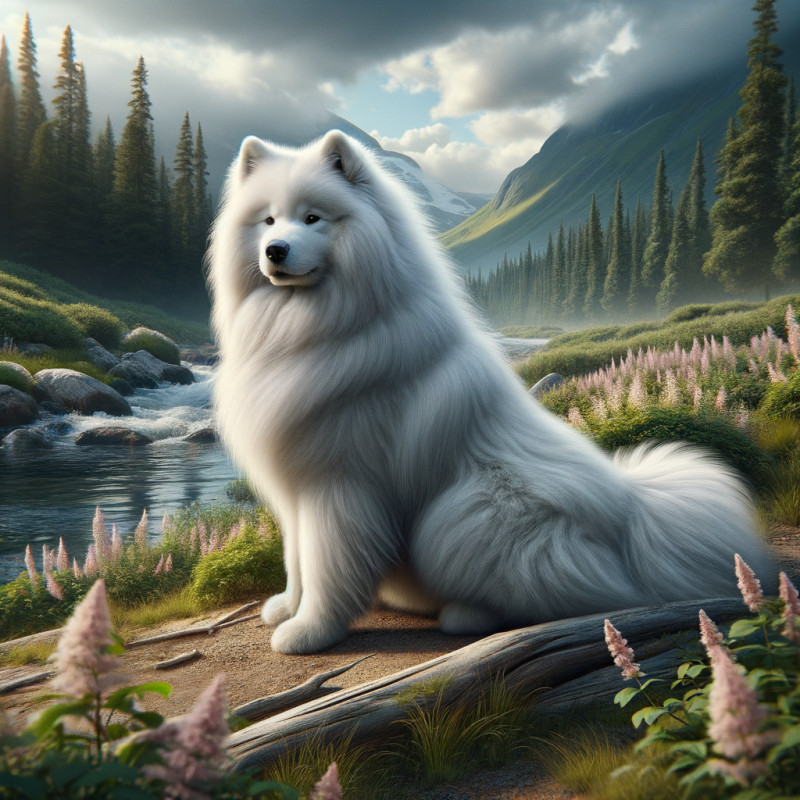
With a friendly and gentle demeanor, this breed is known for its fluffy white coat, which helps them thrive in cold climates. Originating from Siberia, these dogs are strong, adaptable, and known for their exceptional work ethic as herding and sled dogs. Their playful and sociable nature makes them great family pets, always eager to bond with their human companions. Recognized for their "samoyed" smile, these dogs are intelligent, loyal, and known to be excellent with children. Due to their high energy levels, regular exercise and mental stimulation are essential to keep them happy and healthy.
Adoption & Local Availability
If you’re looking to bring a samoyedskaya into your home, there are several ways to find one available for adoption. Below are options to explore both local availability and general listings.
Size and Appearance
The Samoyedskaya breed is known for its strikingly beautiful appearance and moderate size. These dogs typically stand at around 19 to 24 inches at the shoulder and weigh between 50 to 65 pounds. They have a fluffy, double-layered coat that is always white, serving as protection against the harsh Arctic climates. Their iconic Samoyed smile, caused by upturned corners of the mouth, exudes friendliness and approachability. The Samoyedskaya's overall appearance is elegant and balanced, with a strong and muscular build underneath all that fluffy fur, making them both attractive and capable working dogs.
Health and Lifespan
Samoyeds are generally healthy dogs with a lifespan of about 12-14 years. They are prone to certain health conditions such as hip dysplasia, progressive retinal atrophy, and hypothyroidism. Regular vet check-ups, a balanced diet, and sufficient exercise can help maintain their overall health and well-being. Monitoring their weight to prevent obesity is crucial, as it can exacerbate joint problems. Providing proper dental care, grooming, and keeping them up to date on vaccinations can contribute to a longer and healthier life for these fluffy companions.
Family Compatibility
Samoyedskayas are incredibly family-friendly dogs, known for their gentle and friendly nature. They thrive on human companionship and are especially good with children, often developing strong bonds with them. Their social and playful demeanor makes them excellent family pets, always eager to participate in family activities. However, they can be quite vocal, which may require some training to manage. With proper socialization and exercise, samoyedskayas can be loving and loyal members of any family, bringing joy and companionship to all household members.
Exercise Needs
Exercise is key for this breed, requiring daily physical activity to maintain their health and happiness. Samoyeds are energetic and playful by nature, enjoying various forms of exercise such as walks, playtime, and interactive games. Due to their history as working dogs in colder climates, they have good endurance and stamina, making them adept at activities like jogging and hiking. Mental stimulation is also important, so engaging them in obedience training or agility courses can be beneficial. Ensuring they get enough exercise will prevent boredom and destructive behaviors in this active breed.
Diet and Feeding
Samoyeds should be fed a high-quality diet rich in proteins, healthy fats, and essential nutrients to support their energetic nature and thick fluffy coat. Due to their predisposition to obesity, portion control is crucial to avoid overfeeding. It is recommended to divide their meals into two or three smaller servings to prevent bloating or gastrointestinal issues. Additionally, providing fresh water at all times is essential to keep Samoyeds hydrated, especially during hot weather or after vigorous exercise. Consulting with a veterinarian to determine the appropriate diet plan based on the individual dog's age, size, and activity level is recommended.
Living Environment
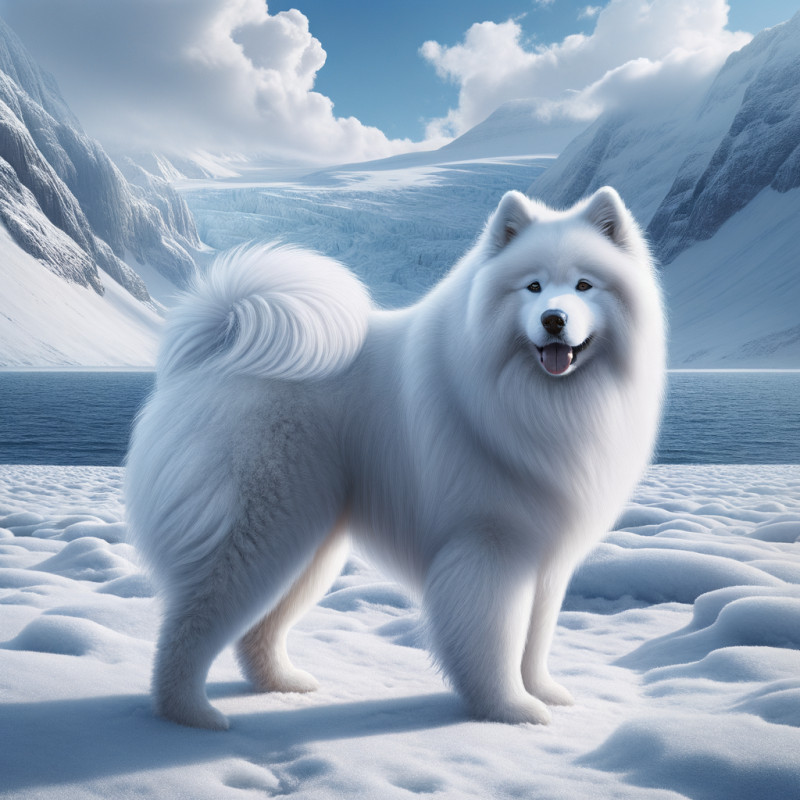
Originally bred to thrive in cold climates, this breed's thick double coat makes them well-suited to cooler temperatures, but they can adapt to various living environments given proper care and attention. Samoyeds are known to be relatively active indoors and do well in homes with ample space to move around. Regular exercise is essential to keep them happy and healthy, whether through daily walks or playtime. Due to their friendly and sociable nature, they enjoy being around their human family members, making them well-suited for living in a household environment where they can receive plenty of love and attention.
Grooming
Grooming is a crucial aspect of caring for this breed due to its thick double coat, which requires regular brushing at least once a week to prevent mats and tangles. Daily brushing is recommended during shedding season. Additionally, frequent grooming helps distribute natural oils and keeps the coat clean. Bathing should be done occasionally to maintain the coat's white color and freshness. Toenail trimming should be performed every few weeks, and regular dental care is important to prevent dental issues. Overall, maintaining a consistent grooming routine will ensure a healthy and beautiful coat for this fluffy companion.
Training and Intelligence
Training a Samoyedskaya requires consistent positive reinforcement and early socialization. These intelligent dogs thrive on mental stimulation and excel in obedience and agility training. Due to their independent nature, patience and firm guidance are essential during the training process. Samoyedskayas are quick learners and eager to please, making them highly trainable for a variety of tasks. Engaging activities such as interactive games and advanced commands help channel their intelligence effectively. Building a strong bond based on trust and clear communication is key to successful training with this breed.
Exercise and Activity Requirements
Samoyeds are an active breed that requires regular exercise to stay happy and healthy. They thrive on activities that engage both their body and mind, such as long walks, runs, and interactive play sessions. Providing them with ample opportunities to release their energy is essential in preventing boredom and destructive behaviors. Daily exercise routines should include both physical and mental stimulation to keep them content. Engaging in activities like agility training or obedience classes can also help fulfill their exercise needs while strengthening the bond between the dog and its owner.
Socialization
Proper socialization is crucial for these fluffy Arctic dogs to ensure they grow into well-rounded and confident companions. Introduce them to various people, animals, and environments from a young age to prevent shyness or fearfulness. Positive experiences in different settings will help them develop good manners and adaptability. Consistent and positive interactions are key to fostering their friendly and outgoing nature, making them excellent family pets. Encouraging socialization through training classes, regular outings, and playdates will help them thrive in diverse social situations and strengthen the bond between them and their owners.
Lifespan
Samoyeds typically have a lifespan of 12 to 14 years, although some can live up to 16 years with proper care. Factors such as genetics, diet, exercise, and overall health play crucial roles in determining a Samoyed's lifespan. Regular vet check-ups, a balanced diet, sufficient exercise, and proper grooming can contribute to a long and healthy life for these fluffy, friendly dogs. Additionally, early detection and treatment of any potential health issues can also help extend the lifespan of these delightful canine companions.
Common Behavioral Issues
Common Behavioral Issues:
Despite being affectionate and friendly, Samoyeds can be prone to certain behavioral issues if not properly trained and socialized. They have a strong independent streak and can exhibit stubbornness, which may lead to difficulties in training. Additionally, Samoyeds are known to be diggers and chewers, especially when they are bored or not getting enough exercise. Separation anxiety is another common issue in this breed, as they are very social and form strong bonds with their human families. Consistent training, mental stimulation, and plenty of exercise are essential to preventing and managing these behavioral challenges in Samoyeds.
Special Considerations
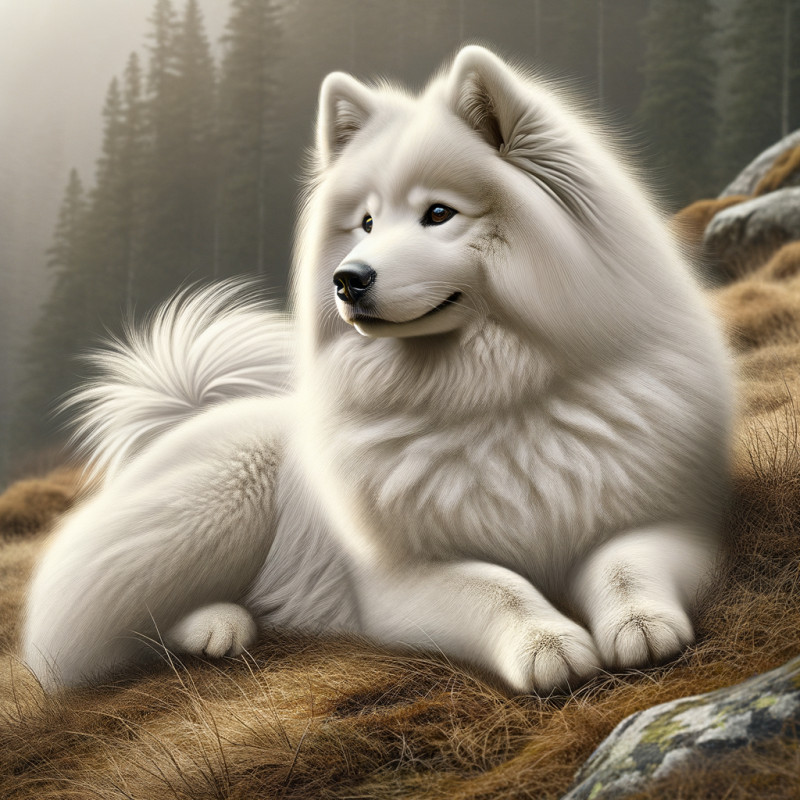
Special Considerations: The Samoyed breed requires regular grooming to maintain its thick, double-layered coat and prevent matting. Due to their high energy levels and social nature, Samoyeds need plenty of exercise and mental stimulation to prevent boredom and potential destructive behavior. Additionally, their friendly and affectionate temperament makes them prone to separation anxiety if left alone for long periods, requiring owners to provide companionship and training to manage this issue effectively. It is essential to socialize Samoyeds from a young age to ensure they are well-adjusted and friendly towards other animals and people.
Guardian Instincts
Bred as herding dogs, Samoyeds exhibit strong guardian instincts. They are naturally protective of their family and home, alerting owners to any potential threats with their deep bark. Despite their friendly demeanor, they can be wary of strangers and will act defensively if they sense danger. This breed's attentive nature and loyalty make them excellent watchdogs, serving as both companions and protectors. Owners should provide proper socialization and training to ensure their guardian instincts are balanced and well-managed. Overall, the Samoyeds' innate protective nature adds to their charm and versatility as a breed.
Allergies and Shedding
Samoyeds are known to be heavy shedders, especially during shedding seasons when they "blow" their coats. Their thick, double-layered fur requires regular grooming to prevent matting and reduce shedding. As hypoallergenic dogs, samoyeds produce less dander compared to other breeds, making them a good choice for individuals with allergies. However, it's important to note that no dog breed is completely hypoallergenic, and some individuals with severe allergies may still react to samoyeds. Regular grooming, including brushing and bathing, can help manage shedding and dander levels, making living with a samoyed more comfortable for allergy sufferers.
Cost of Ownership
The cost of ownership for a samoyedskaya includes initial expenses such as purchasing from a responsible breeder, which can range from $800 to $3000. Annual costs for food, grooming, healthcare, and training average around $1200 to $1500. Additional expenses like toys, treats, bedding, and accessories can total around $500 per year. Unexpected veterinary bills for emergencies or health issues should also be factored in, potentially adding up to thousands of dollars. Budgeting for regular grooming sessions, recommended vaccinations, and preventative medications is essential to ensure the well-being and happiness of your fluffy companion.
Availability and Adoption
Samoyeds are a popular breed, found in many shelters and rescue organizations around the world. Potential adopters should research local shelters, breed-specific rescues, and reputable breeders to find a Samoyed in need of a home. Due to their unique needs and high demand, Samoyeds may not be readily available in all locations. It's essential for potential adopters to be patient and dedicated to finding the right match for their family. Adoption processes often involve applications, interviews, and home visits to ensure the well-being of the dog and compatibility with the adopter's lifestyle.
Famous Examples
The 'samoyedskaya' breed has been showcased in various movies and TV shows, gaining popularity among viewers. Notable examples include the character "Bolt" from the animated film of the same name, and "Duke" from the movie "The Secret Life of Pets." These famous samoyeds have captured hearts with their fluffy white coats, friendly demeanor, and undeniable charm. Additionally, numerous social media influencers and celebrities proudly own samoyeds, showcasing the breed's appeal and lovable nature to a wide audience.
Questions & Answers
1) Is the samoyedskaya a good fit for families or first-time owners?
Yes, the samoyedskaya is known for being a friendly, gentle, and good-natured breed, making them great companions for families and first-time owners.
2) How much exercise and daily care does a samoyedskaya require?
Samoyedskayas are active and energetic dogs that require daily exercise such as walks, playtime, and mental stimulation. They also have a thick double coat that needs regular grooming to prevent matting and maintain their coat's health.
3) What health issues are common in samoyedskaya?
Some health issues that are common in samoyedskayas include hip dysplasia, progressive retinal atrophy, diabetes, and heart conditions. Regular vet check-ups and maintaining a healthy diet and exercise routine can help prevent some of these issues.
4) Do samoyedskayas do well in cold weather?
Yes, samoyedskayas thrive in cold weather due to their thick double coat that provides insulation and keeps them warm. They are well-suited for colder climates and enjoy activities in the snow.
5) Are samoyedskayas known to be good with children and other pets?
Samoyedskayas are typically good with children and other pets, as they are known for their friendly and sociable nature. However, proper socialization and training from a young age are important to ensure they get along well with others.
6) Are samoyedskayas easy to train?
Samoyedskayas are intelligent dogs but can have a stubborn streak, making training a bit challenging at times. Positive reinforcement techniques, consistency, and patience are key when training a samoyedskaya.
7) What is the typical lifespan of a samoyedskaya?
On average, samoyedskayas have a lifespan of about 12 to 14 years when well-cared for. Providing a healthy diet, regular exercise, grooming, and veterinary care can help maximize their lifespan.