
Russian Wolfhound - Complete Breed Guide
Russian Wolfhound - Complete Breed Guide

Breed Overview
Known for their graceful appearance and gentle demeanor, these large sighthounds have a rich history dating back to Russian nobility. With a striking resemblance to a greyhound but larger in size, they boast a luxurious, silky coat that comes in a variety of colors. Renowned for their athleticism and endurance, they excel in lure coursing and other canine sports. Despite their regal and aloof manner, they form strong bonds with their families and are loyal companions. Their independent nature can be a challenge for first-time owners, requiring patient training and socialization from an early age to thrive in a loving home environment.
Adoption & Local Availability
If you’re looking to bring a russian wolfhound into your home, there are several ways to find one available for adoption. Below are options to explore both local availability and general listings.
Size and Appearance
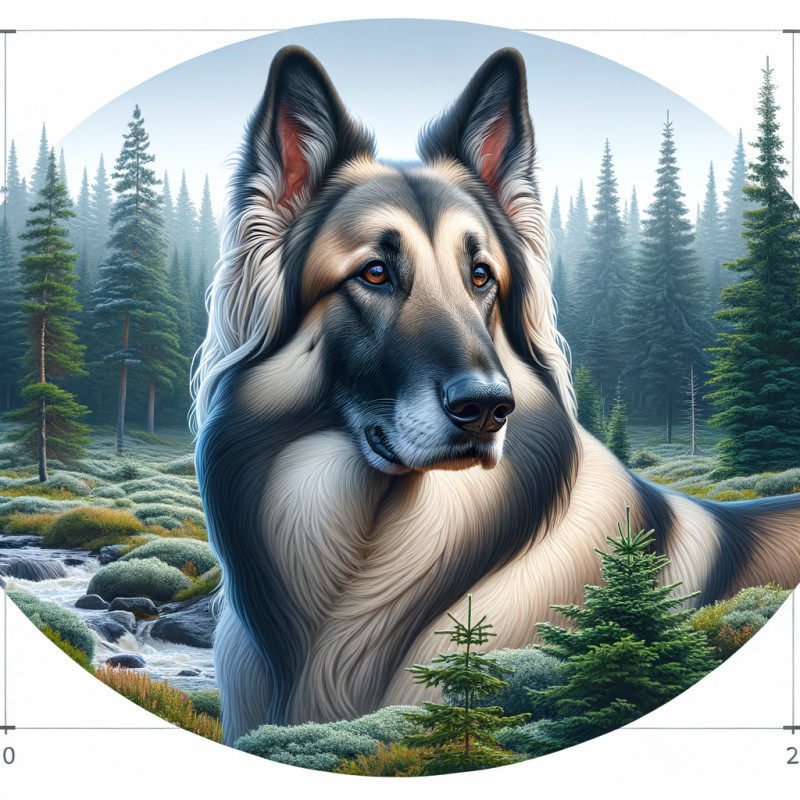
These elegant and majestic dogs are one of the tallest breeds, standing at around 32 inches at the shoulder and weighing between 100 to 140 pounds. Their slender bodies are built for speed and agility, with a graceful, long neck and narrow head. The breed’s distinct appearance includes a fine, silky coat that comes in a variety of colors including shades of grey, brindle, and white. Their deep chest allows for a large lung capacity, essential for their history as hunting dogs. Overall, their striking size and sleek looks make them a captivating sight to behold.
Health and Lifespan
Health and Lifespan: The breed is generally healthy, but prone to certain conditions like bloat, heart issues, and osteosarcoma. Regular exercise and a balanced diet are crucial to maintaining their overall well-being. With proper care, these dogs have a lifespan of around 9 to 14 years, though some can live even longer with attentive veterinary care and a suitable environment. Regular health check-ups, a nutritious diet, exercise, and a loving home environment are key factors in ensuring a Russian Wolfhound's longevity and quality of life.
Family Compatibility
'Russian wolfhounds' are known for their gentle and affectionate nature, making them excellent companions for families. Their calm demeanor and loyalty make them great with children, although they may not thrive in homes with very young kids due to their large size. These dogs require early socialization and firm training to ensure they understand their role in the family pack. Regular exercise and mental stimulation are essential to prevent boredom, as they are known to develop separation anxiety if left alone for long periods. With proper care and attention, they can be loving and devoted family pets.
Exercise Needs
Known for their remarkable athleticism and stamina, these regal canines require plenty of exercise to stay healthy and happy. A mix of moderate to vigorous physical activity is essential to prevent boredom and maintain their muscular physique. Daily walks, jogs, or play sessions in a secure, fenced area are ideal to fulfill their exercise needs. Engaging in mentally stimulating activities like obedience training or agility courses also helps in channeling their energy constructively. Regular exercise not only keeps them physically fit but also contributes to their overall well-being and prevents behavioral issues that may arise from pent-up energy.
Diet and Feeding
Russian wolfhounds require a high-quality diet that is rich in protein to support their large size and lean muscle mass. Feeding them high-quality commercial dog food formulated for large breeds is recommended, but homemade diets under veterinary supervision can work as well. It's crucial to monitor their food intake to prevent obesity, which can lead to health issues. Splitting their meals into smaller portions can also help prevent bloating, a common concern in deep-chested breeds. Additionally, providing fresh water at all times is essential for their overall health and well-being.
Living Environment
These large, powerful, and graceful dogs thrive in spacious living environments that provide ample room for them to stretch their legs and exercise. Given their high energy levels, a house with a large securely fenced yard is ideal for them to run and play freely. Despite their size, they are surprisingly adaptable to apartment living as long as they receive sufficient daily exercise and mental stimulation. These intelligent dogs appreciate a comfortable and cozy indoor space where they can rest and relax after a good play session. Additionally, they enjoy being close to their human family members and thrive on companionship and social interaction.
Grooming
Grooming a Russian Wolfhound is relatively easy thanks to their short, dense coat that requires minimal upkeep. Regular weekly brushing helps keep their coat healthy and shiny, while also preventing matting. Bathing can be done as needed, but not too frequently to avoid stripping the coat of its natural oils. Weekly teeth brushing, nail trimming, and ear cleaning are essential parts of the grooming routine. Additionally, it's important to check and clean their eyes regularly to prevent any issues. Overall, grooming a Russian Wolfhound is straightforward and manageable with consistent care and attention to detail.
Training and Intelligence
Training a Russian wolfhound requires a patient and consistent approach due to their independent nature. Though intelligent, they have a strong prey drive and may be easily distracted, so early socialization and obedience training are essential. Positive reinforcement methods work best with this sensitive breed, as harsh training can lead to avoidance behaviors. These dogs excel in activities that engage them mentally, such as agility or scent work. With proper training, they can showcase their natural athleticism and intelligence, proving to be loyal and well-behaved companions in the right hands.
Exercise and Activity Requirements
Exercise and Activity Requirements:
This breed thrives on daily exercise to maintain their physical health and mental well-being. Russian wolfhounds require ample space to run and play, making them better suited for homes with large yards or access to open areas. Regular leash walks, playtime, and activities like agility training are vital to keep them happy and prevent boredom. Engaging their natural instincts through activities like lure coursing can provide both physical and mental stimulation. Adequate exercise is crucial to prevent behavioral issues and promote overall fitness in this energetic and athletic breed.
Socialization
Early and extensive socialization is crucial for these majestic and independent dogs to develop good manners and adaptability. It's important to expose them to various people, animals, places, and experiences from a young age to prevent shyness or aggression. Positive interactions and training sessions will help them become well-rounded companions. Since they have a strong prey drive, it's essential to socialize them to smaller pets to ensure harmonious cohabitation. Consistent positive reinforcement and proper socialization will create well-adjusted and confident dogs that can thrive in various environments and social settings, contributing to a fulfilling companionship.
Lifespan
Russian wolfhounds have a relatively short lifespan compared to other dog breeds, typically ranging from 6 to 10 years. Like many larger breeds, they are prone to certain health issues such as heart problems, bloat, and bone cancer, which can impact their longevity. Proper care, nutrition, and regular vet check-ups can help extend their lifespan and ensure a happy and healthy life for these majestic dogs. It is important for potential owners to be aware of these factors and be prepared for the commitment and responsibility of caring for a dog with a shorter lifespan.
Common Behavioral Issues
Common Behavioral Issues:
Russian wolfhounds are prone to chasing after small animals due to their strong prey drive, requiring supervision or a securely fenced yard. They may display independence and stubbornness, necessitating consistent training and firm leadership. Separation anxiety can also manifest in this breed, leading to destructive behavior when left alone for extended periods. Additionally, some individuals may exhibit sensitivity to harsh training methods, requiring gentle and positive reinforcement techniques to thrive. Proper socialization from an early age can help mitigate potential behavioral issues and ensure a well-adjusted and well-behaved companion.

Special Considerations
Special Considerations: Being sighthounds, these dogs have a strong prey drive and will chase small animals, so a securely fenced yard is a must. They are sensitive and thrive on positive reinforcement, so harsh training methods should be avoided. Due to their large size, they require space to stretch their legs and regular exercise to stay healthy. Regular grooming is necessary to maintain their coat, which sheds seasonally. Potential owners should be prepared for their independent nature and need for mental stimulation to prevent boredom. Their deep chest makes them prone to bloat, so it's important to monitor their diet and feeding schedule.
Guardian Instincts
These majestic canines possess strong guardian instincts, rooted in their history as protectors of nobility and vast estates. With a keen awareness and protective nature, they exhibit loyalty and courage in safeguarding their families. Their imposing size and powerful presence make them a formidable deterrent to potential threats. While they are gentle and affectionate with their loved ones, their innate instincts drive them to be wary of strangers, making them reliable guardians of their homes. The combination of their imposing stature and vigilant temperament makes them a natural choice for those seeking a steadfast protector.
Allergies and Shedding
Russian wolfhounds are moderate shedders year-round and require regular grooming to minimize loose hair around the house. They have a double coat with a soft undercoat and a longer, wiry outer coat that needs weekly brushing to prevent matting and reduce shedding. Due to their short coats, they may not trigger allergies as much as other breeds, but regular grooming and bathing are still essential to manage dander. Maintaining a healthy diet and providing proper skin care can also help reduce shedding and potential allergic reactions, keeping both the dog and their human family members comfortable and happy.
Cost of Ownership
Owning a Russian Wolfhound requires a substantial budget for various expenses. Initial costs include purchasing the dog, which can range from $1,500 to $3,000 depending on the breeding line and pedigree. Yearly expenses for high-quality food, grooming, training, and healthcare average around $1,000 to $2,000. Additional costs for accessories like beds, crates, and toys can amount to a few hundred dollars. Emergency veterinary care and unexpected expenses should also be considered, potentially adding hundreds to thousands of dollars to the annual cost of ownership. Overall, owning a Russian Wolfhound is a significant financial commitment.
Availability and Adoption
Russian Wolfhounds can be challenging to find for adoption due to their rarity and specific needs. Interested adopters should contact reputable breed-specific rescues or search adoption platforms. Rescue organizations often have Russian Wolfhound mixes available for adoption as well. Potential adopters should be prepared for thorough screening and requirements to ensure the best match for the dog's well-being. Additionally, networking with breed enthusiasts and attending dog shows or events may provide leads on available Russian Wolfhounds in need of loving homes. Patience, persistence, and a genuine commitment to this unique breed are essential when seeking to adopt a Russian Wolfhound.
Famous Examples
Famous Examples: The Russian wolfhound breed includes numerous famous examples such as Zephyr, who inspired the artwork 'Borzoi Hounds'. Another notable figure is Rector, who won the prestigious 'Best in Show' at the Westminster Kennel Club Dog Show in 1907, helping to popularize the breed in the United States. Ch. Elsie Windemere is also celebrated, known for her elegance and grace, setting a high standard for the breed. These famous Russian wolfhounds have left a lasting legacy, showcasing the beauty, athleticism, and regal nature of the breed throughout history.
Questions & Answers
1) Is the russian wolfhound a good fit for families or first-time owners?
Russian wolfhounds, also known as Borzois, can make great pets for families with older children but may not be the best choice for first-time dog owners due to their independent nature and specific care requirements.
2) How much exercise and daily care does a russian wolfhound require?
Russian wolfhounds are a high-energy breed that require regular, long walks and a secure area to run freely. They also need mental stimulation and do best with a consistent daily routine.
3) What health issues are common in russian wolfhound?
Common health issues in Russian wolfhounds include bloat, heart problems, hip dysplasia, and sensitivity to anesthesia. Regular veterinary check-ups are important to maintain their health.
4) What is the typical temperament of a russian wolfhound?
Russian wolfhounds are known for their gentle and affectionate nature towards their family. They can be aloof with strangers and have a strong prey drive due to their history as hunting dogs.
5) How much grooming does a russian wolfhound need?
Russian wolfhounds have a long, silky coat that requires regular brushing to prevent matting and tangling. They shed moderately year-round and may need more grooming during shedding seasons.
6) Are russian wolfhounds good with other pets?
Russian wolfhounds can coexist well with other dogs and pets if socialized properly from a young age. However, their prey drive may lead them to chase smaller animals, so caution is advised.
7) What is the origin of the russian wolfhound breed?
Russian wolfhounds have a noble history in Russia, where they were bred for hunting wolves and hare. They were favored by Russian nobility and have a distinct, elegant appearance.