
Riesenshnauzer - Complete Breed Guide
Riesenshnauzer - Complete Breed Guide
Breed Overview
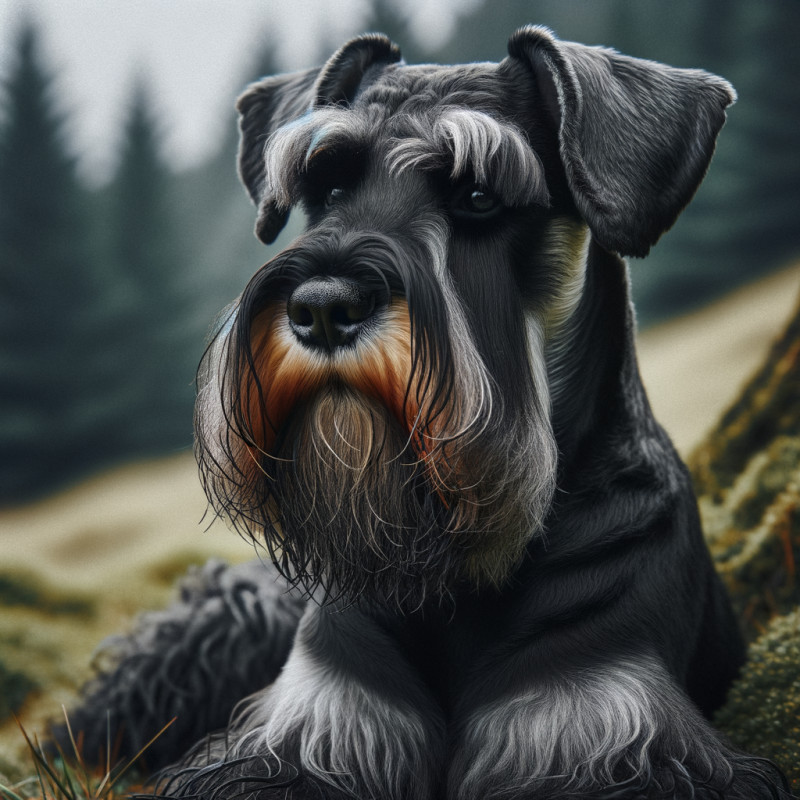
The breed is known for its large size, muscular build, and distinctive double coat, which consists of a wiry topcoat and a soft undercoat. Originating from Germany, these dogs were initially bred to be versatile working dogs, excelling in tasks such as guarding, herding, and even pulling carts. They are highly intelligent, loyal, and protective, making them excellent family companions and watchdogs. Despite their imposing appearance, they are known to be affectionate and playful with their families, showing a gentle and loving nature towards children. Regular grooming is necessary to maintain their unique coat and overall health.
Adoption & Local Availability
If you’re looking to bring a riesenshnauzer into your home, there are several ways to find one available for adoption. Below are options to explore both local availability and general listings.
Size and Appearance
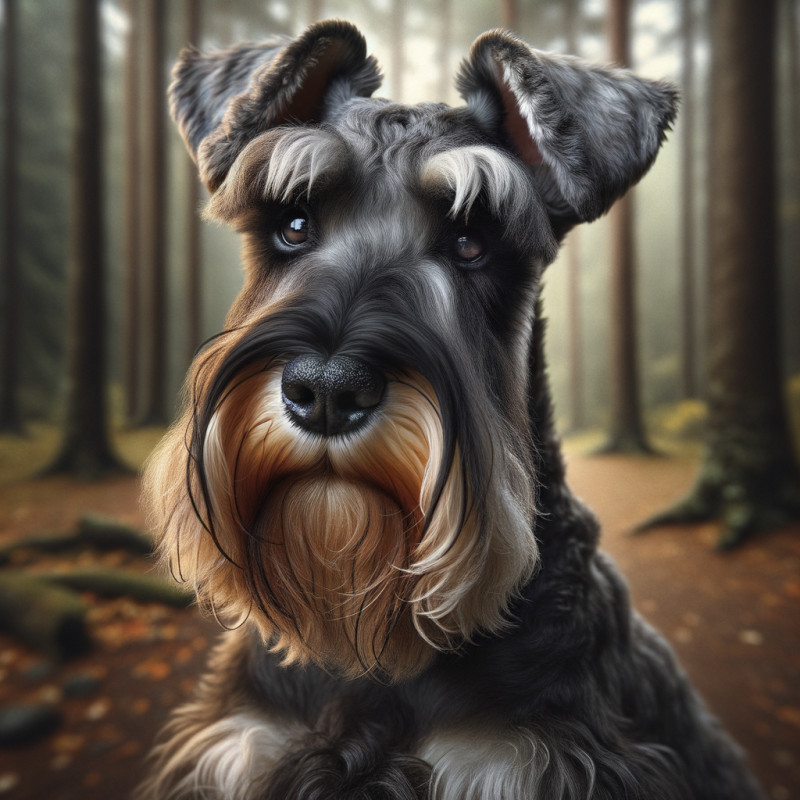
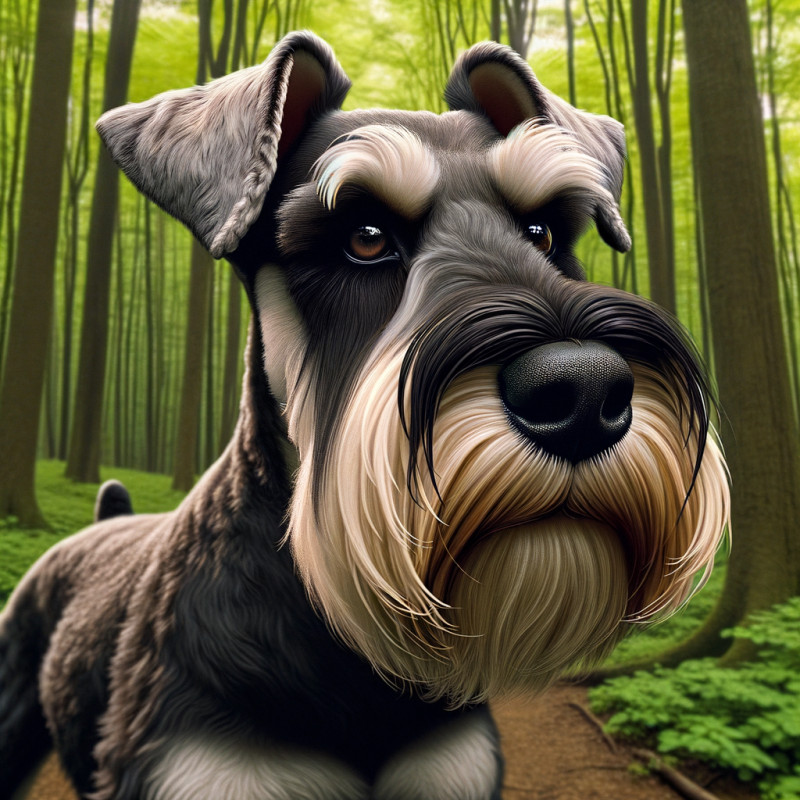
These dogs are known for their large size and distinctive appearance. They have a robust build with a square-shaped body and a deep chest. Their head is strong and rectangular, with a prominent beard and eyebrows. Their ears are set high on the head and may be cropped or left natural. The breed has a dense, wiry double coat that can be solid black or pepper and salt. With their elegant gait and commanding presence, these dogs exude confidence and strength. Overall, their impressive size and striking features make them stand out in any crowd.
Health and Lifespan
Health and Lifespan: The breed is generally healthy but may be prone to certain health issues such as hip dysplasia, gastric torsion, and eye conditions. Regular exercise and a balanced diet are essential to maintaining their overall health. With proper care, a riesenshnauzer can live a relatively long life of 10 to 12 years on average. Regular veterinary check-ups, vaccinations, and preventative care are crucial in ensuring a healthy and happy lifespan for these dogs. Being a large breed, obesity can be a concern, so it's important to monitor their weight and ensure they get enough exercise to stay fit and healthy.
Family Compatibility
The Riesenschnauzer is a loyal and protective breed that thrives in family environments. Known for their affection towards their owners, they are great companions and are particularly gentle and patient with children. This breed is known to form strong bonds with all family members and is always eager to protect their loved ones. Their playful nature makes them excellent playmates for children, and their intelligence and trainability ensure they easily adapt to family routines. With their watchful and alert demeanor, Riesenschnauzers are natural protectors, making them a great addition to any family looking for a devoted and reliable companion.
Exercise Needs
Riesenschnauzers are a high-energy breed that require consistent daily exercise to maintain their physical and mental well-being. They thrive on activities such as long walks, runs, interactive play sessions, and agility training. Providing them with enough exercise is crucial to prevent boredom and destructive behavior. A minimum of 60-90 minutes of exercise per day is recommended for this breed. Engaging in various activities can help keep them stimulated and prevent obesity, leading to a healthier and happier Riesenschnauzer.
Diet and Feeding
Riesenschnauzers require a balanced diet to maintain optimal health, consisting of high-quality dog food rich in proteins and essential nutrients. It's important to feed them based on their age, size, and activity level to prevent obesity. Regular feeding schedule and portion control are crucial to avoid overeating. Fresh water should always be available for proper hydration. Incorporating fruits, vegetables, and occasional treats can provide additional vitamins and minerals. Consult with a veterinarian to tailor a diet plan specific to your Riesenschnauzer's individual needs and dietary requirements.
Living Environment
These intelligent and protective dogs thrive in homes with plenty of space to move around. They are well-suited for living in both urban apartments and spacious rural settings, as long as they receive regular exercise. A secure fenced yard is ideal for this breed to explore and play freely. Riesenschnauzers prefer to be indoors with their families, as they are highly social and devoted companions. Providing mental stimulation and interactive play is crucial to keep these dogs happy and prevent boredom. They are adaptable to various living environments but excel in situations where they can bond closely with their owners.
Grooming
Regular grooming is essential for this breed to maintain a healthy coat and skin. They have a double coat, with a harsh, wiry topcoat and a dense, soft undercoat. Brushing several times a week is necessary to prevent matting and remove loose hair. Professional grooming every 6-8 weeks is recommended to trim their fur and keep them looking tidy. Additionally, regular nail trimming, ear cleaning, and teeth brushing should be part of their grooming routine. This breed is prone to skin issues, so thorough grooming sessions provide an opportunity to check for any abnormalities or parasites.
Training and Intelligence
Riesenschnauzers are highly trainable dogs known for their intelligence and eagerness to learn. They excel in various dog sports and activities, thriving on mental stimulation and challenges. Their intelligence makes them quick learners, understanding commands and tasks easily. Consistency, positive reinforcement, and reward-based training methods work best with this breed to keep them engaged and motivated. Riesenschnauzers are responsive to their owner's cues and enjoy problem-solving tasks, making them a joy to train for both basic obedience and advanced commands. With proper training, they can become well-behaved companions and excel in various roles, showcasing their intelligence and trainability.
Exercise and Activity Requirements
Exercise and activity are crucial for this breed as they are energetic and require daily physical and mental stimulation to stay happy and healthy. A mix of activities like brisk walks, jogs, playtime, and interactive games are recommended to keep them engaged and prevent boredom. Due to their high energy levels, they thrive in environments where they have ample space to run around freely. Regular exercise also helps prevent behavioral issues that may arise from pent-up energy. Owners should ensure a consistent exercise routine tailored to their individual dog's needs to ensure they remain well-balanced and content.
Socialization
Socialization is crucial for this energetic and intelligent breed, starting from a young age to ensure they develop into well-rounded and confident adults. Exposing them to various people, animals, environments, and experiences helps prevent shyness or aggression. Positive interactions during socialization help them learn appropriate behavior and become comfortable with new situations, reducing the likelihood of fear-based reactions. Regular socialization throughout their lives enhances their ability to adapt to different circumstances and reduces stress in unfamiliar settings. Consistent training and positive reinforcement during socialization play a significant role in shaping their temperament and behavior positively.
Lifespan
The average lifespan of this breed typically ranges from 10 to 12 years when provided with proper care, nutrition, and regular exercise. As with any dog, genetics, environment, and overall health play significant roles in determining individual longevity. Regular veterinary check-ups, a balanced diet, sufficient exercise, mental stimulation, and a loving environment can all contribute to helping these dogs live a long and healthy life. It's essential for owners to be aware of common health issues that may affect the breed to ensure early detection and appropriate management, ultimately impacting their lifespan positively.
Common Behavioral Issues
Common behavioral issues in this breed include territorial aggression, stubbornness, and independence. Riesenschnauzers are known to be protective of their family and territory, which can sometimes manifest as aggression towards strangers or other animals. Their strong-willed nature can lead to stubborn behavior, requiring consistent training and firm leadership. Additionally, their independent streak may result in them making decisions on their own, so early socialization and ongoing training are essential to ensure they understand boundaries and obey commands. Patience, positive reinforcement, and clear communication are key in addressing and managing these behavioral issues in riesenschnauzers.
Special Considerations
When considering owning a Riesenschnauzer, it's important to note their high energy levels necessitating regular exercise to prevent boredom and potential behavior issues. Additionally, their thick double coat requires frequent grooming to avoid matting and tangles, particularly in the harsher winter months. Training should start early with consistent positive reinforcement methods to channel their intelligence positively, as they can become stubborn without proper guidance. Due to their protective nature, early socialization is crucial to prevent potential aggression towards strangers or other animals. Finally, regular veterinary check-ups are essential to monitor potential health issues common in larger breeds.
Guardian Instincts
Bred for protection, the Riesenschnauzer possesses strong guardian instincts. This breed is naturally inclined to be alert, loyal, and territorial, making them excellent watchdogs. They are known to be fearless and possessive of their family and property, making them highly effective deterrents against potential threats. With proper training and socialization, Riesenschnauzers can distinguish between friend and foe, responding quickly to any perceived danger. Their protective nature, combined with their intelligence and trainability, makes them a reliable and trustworthy companion for those seeking a vigilant guardian.
Allergies and Shedding
Riesenschnauzers are considered hypoallergenic dogs, making them a good choice for individuals with allergies. Their double coat requires regular grooming to prevent shedding, with the wiry top coat needing clipping or stripping every few months. Proper care, including brushing to remove loose hair and prevent matting, can minimize shedding and keep potential allergens at bay. Additionally, a nutrient-rich diet and regular baths can help maintain their coat's health and reduce shedding. Overall, with appropriate grooming and care, riesenschnauzers can be a suitable option for allergy sufferers seeking a low-shedding canine companion.
Cost of Ownership
The cost of owning a Riesenschnauzer can vary depending on factors like breeder reputation, location, and individual dog health. On average, initial expenses for adoption or purchase range from $1,500 to $2,500. Annual costs for food, grooming, training, and veterinary care typically add up to around $1,000 to $1,500. Additional expenses to consider include toys, treats, grooming tools, and pet insurance, which can amount to a few hundred dollars annually. Potential unforeseen costs, such as emergency medical treatments or specialized training, should also be factored into the overall cost of owning a Riesenschnauzer.
Availability and Adoption
Riesenschnauzers can sometimes be harder to find compared to more common breeds. They are not as readily available in shelters, but dedicated rescue organizations specialize in rehoming them. Prospective adopters should be patient and prepared to wait for the right match. Reputable breeders typically have waiting lists due to the breed's popularity and limited litters. It's crucial to thoroughly research and ensure the breeder or rescue group is reputable and prioritizes the well-being of the dogs over profit. Adoption fees may be higher due to the breed's rarity, but the rewarding companionship they offer often outweighs the initial cost.
Famous Examples
One of the most well-known and beloved examples of this breed is Sultan, a Riesenschnauzer that gained popularity in the 1970s for his impressive size and striking appearance. Another famous Riesenschnauzer is Max, who starred in multiple Hollywood films due to his intelligence, loyalty, and playful nature. Additionally, Bella, a Riesenschnauzer therapy dog, touched many lives with her gentle demeanor and compassionate nature. These famous examples showcase the Riesenschnauzer breed's versatility, charm, and remarkable qualities that have endeared them to countless admirers worldwide.
Questions & Answers
1) Is the riesenshnauzer a good fit for families or first-time owners?
Riesenschnauzers can be a great fit for families, especially those with older children. However, they may not be the best choice for first-time dog owners due to their strong-willed nature and need for consistent training.
2) How much exercise and daily care does a riesenshnauzer require?
Riesenschnauzers are a high-energy breed that require plenty of exercise. They benefit from daily walks, playtime, and mental stimulation. Grooming is also important as they have a double coat that needs regular brushing.
3) What health issues are common in riesenshnauzer?
Some common health issues in Riesenschnauzers include hip dysplasia, eye problems, and bloat. Regular vet check-ups, a balanced diet, and exercise can help prevent some of these issues.
4) What is the typical temperament of a riesenshnauzer?
Riesenschnauzers are known for being intelligent, loyal, and protective. They can be aloof with strangers but are devoted to their families. Early socialization and training are important to ensure a well-rounded temperament.
5) Are riesenshnauzers good guard dogs?
Yes, Riesenschnauzers have a natural protective instinct and make excellent guard dogs. They are alert and will bark to alert their owners of any suspicious activity. Proper training is essential to harness their guarding abilities.
6) Do riesenshnauzers get along with other pets?
Riesenschnauzers can get along with other pets, especially if they are raised together. However, their strong prey drive might make them unsuitable for homes with small animals like cats or rodents.
7) How big do riesenshnauzers typically get?
Riesenschnauzers are a large breed, with males typically standing between 25 to 28 inches at the shoulder and weighing 75 to 95 pounds. Females are slightly smaller, standing 23 to 26 inches and weighing 55 to 75 pounds.