
Redbone Hound - Complete Breed Guide
Redbone Hound - Complete Breed Guide
Breed Overview
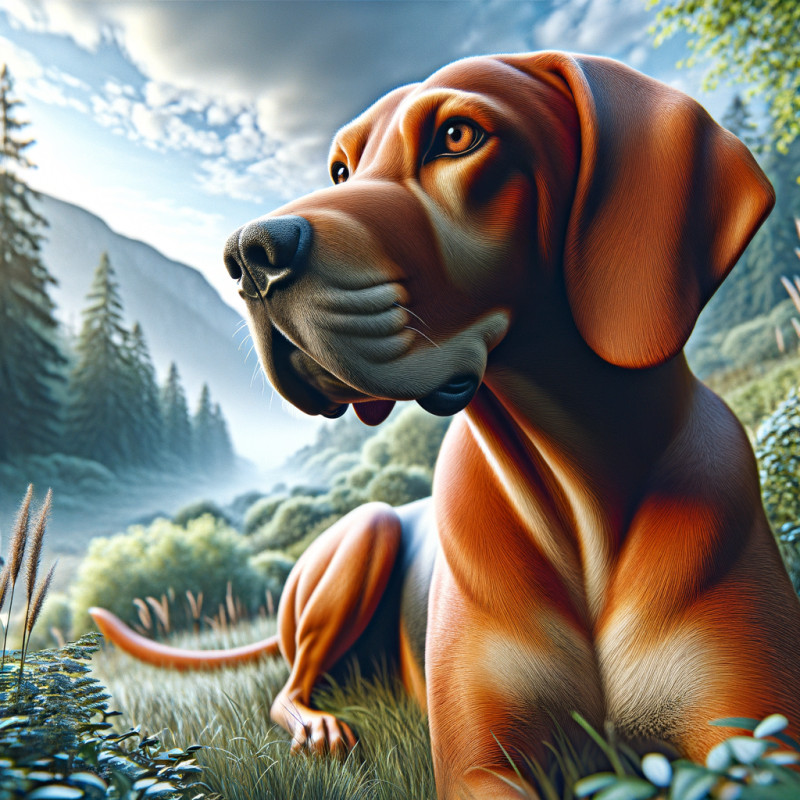
The redbone hound is a striking hunting breed known for its sleek, mahogany coat and athletic build. With a friendly and outgoing personality, these dogs are beloved for their loyalty and intelligence, making them excellent companions for active families. Originally bred for hunting raccoons and other small game, the redbone hound is known for its strong tracking skills and keen sense of smell. They require regular exercise and mental stimulation to thrive, but their adaptable nature allows them to excel in various roles, from hunting partner to loyal family pet.
Adoption & Local Availability
If you’re looking to bring a redbone hound into your home, there are several ways to find one available for adoption. Below are options to explore both local availability and general listings.
Size and Appearance
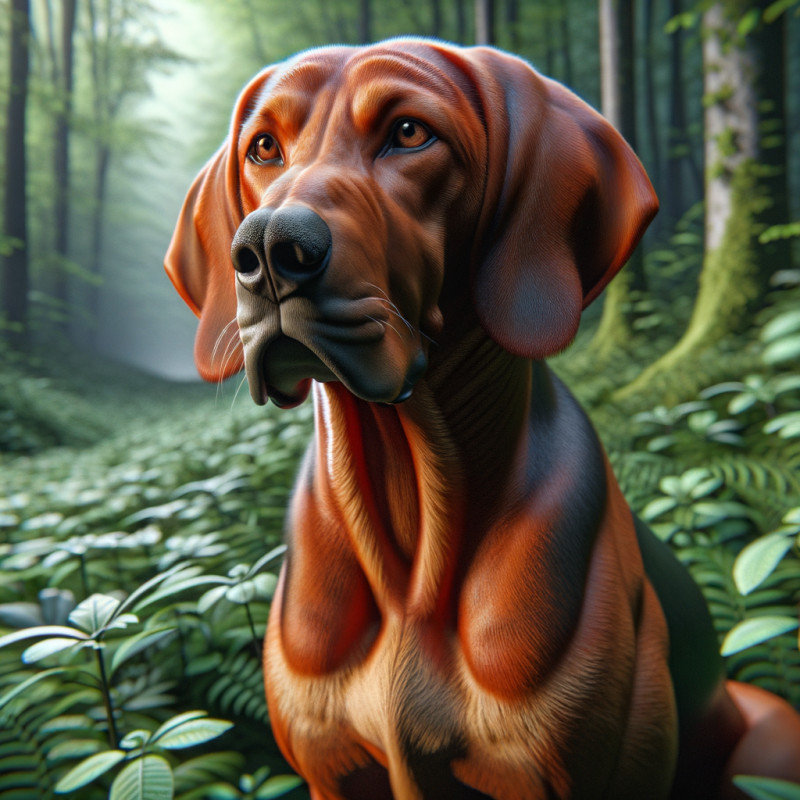
Redbone Hounds are medium to large-sized dogs with a muscular build and a deep chest. They have a sleek, lean appearance with a glossy, short coat that is typically red in color, often described as a rich, mahogany shade. These dogs have a strong, proud posture and a noble expression, with long, floppy ears and soulful, dark eyes that convey intelligence and determination. The breed is known for its distinctive, melodious bay that carries over long distances, making them exceptional tracking and hunting dogs. Overall, the Redbone Hound's size and appearance reflect their athleticism, strength, and gracefulness.
Health and Lifespan
Redbone hounds are generally healthy dogs with a lifespan of 12 to 15 years when well cared for. Like all breeds, they may be prone to certain health conditions, including hip dysplasia, bloat, and ear infections. To ensure a long and healthy life for your redbone hound, regular vet check-ups, a balanced diet, exercise, and proper grooming are essential. Monitoring their weight, dental health, and providing necessary vaccinations and preventative treatments will help prevent common health issues and keep your furry companion happy and thriving for years to come.
Family Compatibility
Redbone Hounds are known for their friendly and affectionate nature, making them excellent family companions. They are gentle, patient, and enjoy being around children, often forming strong bonds with all family members. These dogs are social and thrive in a loving and active household where they can participate in family activities. With their loyal and protective instincts, Redbone Hounds can make wonderful watchdogs, alerting their families to any potential danger. Overall, their adaptable and easygoing temperament makes them well-suited for families looking for a devoted canine member to share their lives with.
Exercise Needs
Exercise is vital for this breed due to their high energy levels and natural hunting instincts. Providing at least 60-90 minutes of physical activity daily is recommended to keep them mentally and physically stimulated. Engaging in activities like brisk walks, jogging, hiking, or playing fetch in a secure area is ideal to meet their exercise needs. Incorporating interactive toys and puzzle games can also help satisfy their need for mental stimulation. Failing to provide enough exercise can lead to undesirable behaviors such as excessive barking, digging, or destructive chewing. Regular exercise is key to maintaining a happy and well-behaved companion.
Diet and Feeding
Redbone Hounds thrive on a high-quality diet rich in protein to support their active lifestyle. A balanced mix of meat, vegetables, and fruits is essential for their overall health. Avoid overfeeding to prevent obesity, which can lead to various health issues. It's important to provide fresh water at all times and monitor their weight to adjust portion sizes accordingly. Consider consulting with a veterinarian or a canine nutritionist to tailor a feeding plan that meets the specific needs of your Redbone Hound, taking into account factors like age, activity level, and any dietary restrictions.
Living Environment
Redbone Hounds thrive in homes with ample space to roam and explore, making them well-suited for rural or suburban environments. They require a secure, fenced yard to prevent them from following their strong scent instincts. Regular exercise such as long walks or runs are essential to keep them mentally and physically stimulated. These dogs are known to be affectionate and enjoy being around their human companions, making them ideal for families that can provide them with attention and companionship. Overall, a loving and active household that can meet the breed's exercise and social needs is key to a happy Redbone Hound.
Grooming
Redbone Hounds have a short, dense coat that requires minimal grooming. Regular brushing with a firm bristle brush will help control shedding and keep their coat looking shiny. Bathing should only be done as needed to avoid drying out their skin. Pay special attention to cleaning their long ears to prevent infections. Regularly trim their nails to maintain paw health and prevent overgrowth. Overall, the grooming needs of this breed are relatively low maintenance, making them an ideal choice for those looking for a dog that is easy to care for in terms of grooming.
Training and Intelligence
Training a Redbone Hound requires patience and consistency, as they are intelligent and independent thinkers. Positive reinforcement methods work best with this breed, as harsh training techniques can lead to stubbornness. Redbones are eager to please and excel in obedience and agility training. Their intelligence and keen sense of smell make them adept at tracking activities, such as search and rescue or hunting. Early socialization is crucial to prevent shyness or aggression towards other dogs. Providing mental stimulation through training exercises and interactive toys will help channel their intelligence in a positive direction. Consistency, positive reinforcement, and mental stimulation are key to successfully training a Redbone Hound.
Exercise and Activity Requirements
Redbone Hounds are highly active and energetic dogs that require ample exercise to stay healthy and happy. Daily walks, runs, or play sessions are essential to prevent boredom and potential behavior issues. Engaging in activities like hiking, jogging, or agility training is ideal to fulfill their exercise needs. Mental stimulation, such as puzzle toys or obedience training, is also crucial to keep their intelligent minds sharp. Providing a fenced yard for them to roam freely and explore is beneficial, but always supervise outdoor activities to ensure their safety. Regular exercise not only maintains their physical health but also strengthens the bond between the pet parent and the dog.
Socialization
Socialization is crucial for these hounds to develop into well-rounded companions. Early exposure to various people, animals, and environments helps prevent shyness or aggression. Positive interactions during the socialization period, typically between 3 to 14 weeks of age, are key to shaping their behavior. Engaging in puppy classes, visits to dog-friendly places, and introducing them to different stimuli can aid in molding a confident and friendly adult dog. Consistent social interactions throughout their lives also support their overall mental and emotional well-being, ensuring they thrive in different social settings.
Lifespan
Redbone hounds typically have a lifespan of 12 to 15 years when provided with proper care, nutrition, and exercise. Regular veterinary check-ups, a balanced diet, and maintaining a healthy weight can contribute to their longevity. Engaging in physical activities that stimulate their natural instincts as hunting dogs, such as scent work and tracking exercises, can also help keep them mentally and physically fit as they age. Like all dog breeds, genetics, environment, and overall well-being play key roles in determining the lifespan of redbone hounds.
Common Behavioral Issues
Common Behavioral Issues: Redbone Coonhounds may exhibit stubbornness and independence, requiring consistent training and firm leadership. Their high energy levels can lead to destructive behavior if not adequately exercised both mentally and physically. Socialization is crucial to prevent shyness or aggression towards strangers or other animals. They have a strong prey drive and should be supervised around smaller pets. Separation anxiety is common in this breed, so gradual desensitization to alone time is recommended. Positive reinforcement training methods work best with these intelligent and sensitive dogs to address any behavioral issues effectively.

Special Considerations
Special Considerations: The breed is known for its energetic nature and requires regular exercise to stay healthy and happy. Redbone Coonhounds thrive in environments where they have plenty of space to run and explore. Due to their high prey drive, it's important to keep them on a leash or in a secure area when outdoors to prevent them from chasing after small animals. These dogs are also known to have a tendency to bark, so proper training and socialization from a young age are essential to curb excessive barking behavior. Additionally, regular grooming to maintain their short coat and floppy ears is recommended to prevent any potential health issues.
Guardian Instincts
'Redbone hounds' possess strong guardian instincts, making them loyal and protective companions. Known for their alert nature, these dogs are quick to sense potential threats and will instinctively protect their family and territory. With a deep-rooted sense of responsibility, they are naturally inclined to watch over their loved ones, often showing courage and determination when faced with danger. This innate trait, combined with their gentle disposition towards their human pack, makes them reliable and trustworthy protectors in any household. In times of need, these loyal canines will not hesitate to put themselves in harm's way to keep their family safe.
Allergies and Shedding
Redbone Hounds are moderate shedders year-round, requiring regular grooming to control loose fur. Their short coat is easy to maintain, benefiting from weekly brushing to minimize shedding and distribute natural oils. While they are not considered a hypoallergenic breed, routine grooming can help reduce allergens in the home environment. Additionally, providing a balanced diet and proper nutrition can contribute to healthy skin and coat, minimizing the likelihood of skin irritations or excessive shedding. It's important to be mindful of any allergies that individuals may have to pet dander, as Redbone Hounds do shed and could potentially trigger allergic reactions.
Cost of Ownership
When considering the cost of ownership for this breed, potential owners should be prepared for expenses such as high-quality dog food, grooming supplies, regular vet check-ups, and potential medical costs. Providing a safe and comfortable living environment, obedience training, toys, and accessories will also contribute to the overall expenses. Additionally, budgeting for unexpected emergencies, such as accidents or sudden illnesses, is crucial to ensure the well-being of the pet. It's essential to factor in the cost of preventive measures like vaccinations, flea and tick prevention, and spaying/neutering, as well as potential expenses for professional services like training classes or pet sitters.
Availability and Adoption
Adoption of this breed is relatively common, as Redbone Hounds are often found in shelters and rescue organizations across the country. They are typically great for families and individuals looking for an affectionate and loyal companion. Because they are known to be friendly and outgoing, they can adapt well to new environments and make loving family pets. Potential adopters can contact local shelters, rescue organizations, or specialized breed-specific rescues to inquire about available Redbone Hounds in need of forever homes. Overall, adopting a Redbone Hound can be a rewarding experience for both the dog and the new owner.
Famous Examples
Known for their exceptional tracking skills and distinct red coat, this breed gained popularity through famous examples like Old Drum, the beloved hunting companion commemorated with a statue in Missouri. Another notable redbone hound is "Buster" from the novel "Where the Red Fern Grows," showcasing the breed's loyalty and intelligence. Over the years, redbone hounds have starred in various movies and TV shows, further cementing their reputation as talented and charming hunting dogs with a rich history.
Questions & Answers
1) Is the redbone hound a good fit for families or first-time owners?
Redbone hounds can make great family pets due to their friendly and loyal nature. However, they are known for their high energy levels and require consistent training and exercise.
2) How much exercise and daily care does a redbone hound require?
Redbone hounds are active dogs that need plenty of exercise to stay happy and healthy. They enjoy long walks, runs, or play sessions daily. Regular grooming is also recommended to maintain their coat.
3) What health issues are common in redbone hounds?
Common health issues in redbone hounds include hip dysplasia, bloat, and eye problems. Regular veterinary check-ups and a healthy diet can help prevent these issues.
4) Are redbone hounds good with children and other pets?
Redbone hounds are typically good with children and other pets when socialized from a young age. They are affectionate dogs that can form strong bonds with their human and animal companions.
5) Do redbone hounds have a strong prey drive?
Yes, redbone hounds have a strong prey drive due to their hunting background. They may not be suitable for homes with small animals unless properly trained and supervised.
6) What is the typical temperament of a redbone hound?
Redbone hounds are known for being intelligent, independent, and confident. They are affectionate with their families but can be stubborn at times, requiring patient and consistent training.
7) Do redbone hounds require mental stimulation?
Yes, redbone hounds are intelligent dogs that thrive on mental stimulation. Interactive toys, training sessions, and engaging activities can help keep them mentally sharp and prevent boredom.