
Peking Palasthund - Complete Breed Guide
Peking Palasthund - Complete Breed Guide
Breed Overview
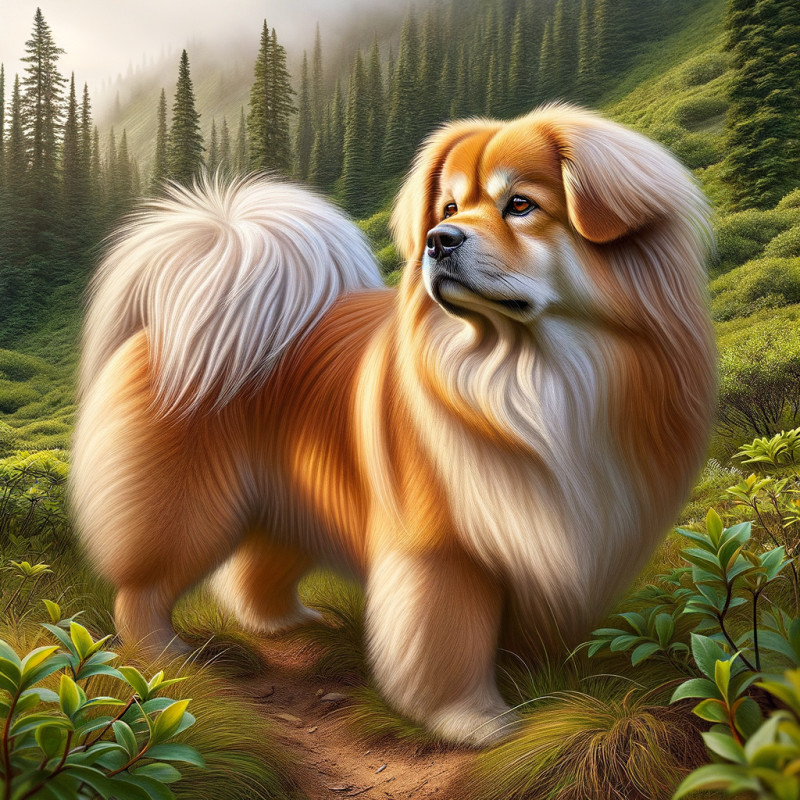
Known for their regal and dignified appearance, the Peking Palasthund is a small dog breed that originated in China. These dogs have a distinct lion-like mane around their neck and a luxurious, flowing coat. Despite their small size, Peking Palasthunds possess a bold and courageous temperament. They have a strong bond with their family members and exhibit a loyal and protective nature. This breed is known for their independent streak and intelligence, making them quick learners. With proper training and socialization, Peking Palasthunds can thrive in various living environments and make wonderful companions for those seeking a devoted and alert canine companion.
Adoption & Local Availability
If you’re looking to bring a peking palasthund into your home, there are several ways to find one available for adoption. Below are options to explore both local availability and general listings.
Size and Appearance
The Peking Palasthund is a small toy breed with a distinctive appearance. They have a flat face, large round eyes, and a double coat with a luxurious mane around the neck. This breed is known for its compact size, standing between 6-9 inches tall and weighing around 7 pounds. Their body is longer than it is tall, giving them a low-lying and elegant stance. Peking Palasthunds have a graceful gait and a dignified presence, despite their small stature. Their coat colors can vary, including combinations of black, white, fawn, and brindle, often with symmetrical markings adding to their charming look.
Health and Lifespan
Peking Palasthunds are generally healthy dogs with a lifespan of 12-14 years. Common health issues include brachycephalic syndrome, patellar luxation, and dental problems. Regular exercise, a balanced diet, and routine veterinary check-ups are essential in maintaining their overall well-being and longevity. It's crucial to be mindful of their sensitive respiratory system and prevent obesity through proper diet and regular physical activity to ensure a healthy and active life for these beloved companions.
Family Compatibility
The small breed known for its affectionate nature and loyalty, the Peking Palasthund makes an excellent companion for families. Their gentle demeanor and playful disposition make them great with children, and their adaptability allows them to thrive in various living situations. While they can be reserved around strangers, they are fiercely protective of their loved ones. Regular exercise and socialization ensure a well-rounded family pet, as they tend to form strong bonds with their human pack. Overall, the Peking Palasthund is a loving and devoted member that brings joy and companionship to any household.
Exercise Needs
Peking Palasthunds have low to moderate exercise needs, requiring daily walks and playtime to stay healthy and happy. Despite their small size, they have surprising energy levels and enjoy activities like indoor fetch or interactive toys. However, they are sensitive to extreme weather conditions, preferring mild climates for outdoor activities. Engaging their mind with training sessions or puzzle toys can also help meet their mental stimulation requirements, making them well-rounded canine companions. It's crucial to tailor their exercise routine to their individual energy levels and age to prevent obesity and promote overall well-being.
Diet and Feeding
Peking Palasthunds have specific dietary needs tailored to their small size and unique physical characteristics. They thrive on a high-quality diet rich in proteins, healthy fats, and essential nutrients. To prevent obesity, it's crucial to measure their food portions and avoid overfeeding. Fresh water should always be available. Treats should be given sparingly to maintain their overall health. Consulting with a veterinarian to establish a balanced feeding routine is recommended for this breed. Quality food, proper portion control, and nutritional balance are key to keeping Peking Palasthunds healthy and happy.
Living Environment
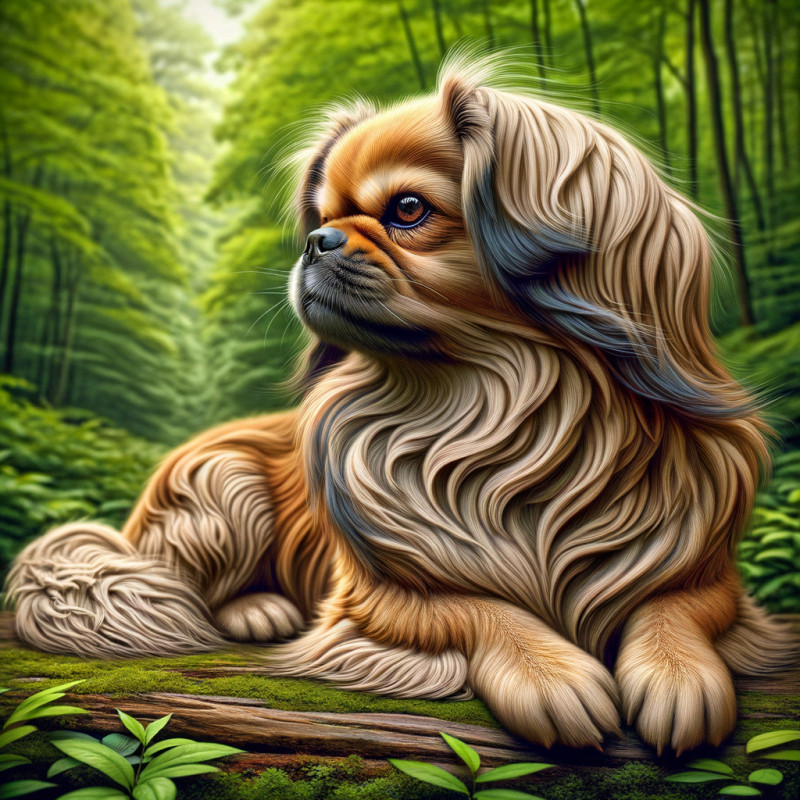
Bred as companions for royalty, this breed thrives in a cozy indoor living environment with their humans. Peking Palasthunds prefer moderate exercise, making them well-suited for apartment living or small homes as long as they receive daily walks and playtime. Their long, flowing coat requires regular grooming and they do not do well in extreme temperatures, preferring moderate climates. These dogs are content to be near their owners, enjoying a comfortable and quiet environment. Additionally, they are known to be sensitive to loud noises and may prefer a peaceful household.
Grooming
The Peking Palasthund requires regular grooming to maintain their luxurious double coat. Their long, flowing outer coat and dense undercoat need to be brushed several times a week to prevent matting and tangles. Bathing should be done on an as-needed basis, using a mild dog shampoo to keep their coat clean and shiny. Pay special attention to their ears, which should be checked and cleaned regularly to prevent infections. Additionally, trimming their nails and brushing their teeth are essential parts of their grooming routine to keep them healthy and happy.
Training and Intelligence
Training a Peking Palasthund requires patience and consistency due to their independent nature. These dogs are highly intelligent and eager to please, making them quick learners. Positive reinforcement techniques work best, as harsh training methods can lead to stubbornness. With proper socialization from an early age, Peking Palasthunds can excel in obedience training and even enjoy participating in advanced activities such as agility or rally. It's important to keep training sessions short and engaging to maintain their focus and prevent boredom. Overall, this breed's intelligence and willingness to learn make them a joy to train for dedicated owners.
Exercise and Activity Requirements
Exercise and Activity Requirements:
The Peking Palasthund is a small breed that requires moderate daily exercise to stay healthy and happy. A short daily walk or playtime in a fenced yard is usually sufficient to meet their needs. They enjoy interactive toys and games that stimulate their minds along with physical activity. Avoid strenuous exercises due to their small size and delicate nature. Regular exercise helps prevent obesity and maintains muscle tone. As companion dogs, they thrive on attention and enjoy being included in family activities, making them wonderful partners for leisurely walks or light play sessions.
Socialization
Socialization is crucial for these small palace dogs to thrive. Beginning early and exposing them to various environments, people, and animals helps prevent shyness or aggression. Positive interactions in puppyhood shape their future behavior, making them amiable companions. Regular social outings and training classes are beneficial for their mental stimulation and confidence. Ensuring they are well-adjusted to different situations fosters a well-rounded and adaptable temperament. Proper socialization enhances their ability to interact harmoniously with family members, guests, and other pets, resulting in a well-mannered and sociable companion for life.
Lifespan
Originating from ancient royal palaces in East Asia, the breed typically lives between 12 to 15 years when provided with proper care and attention. Regular exercise, a well-balanced diet, and routine veterinary check-ups are essential to ensuring a long and healthy lifespan for these beloved companion dogs. With their small size and adorable appearance, Peking Palasthunds often thrive in loving home environments where they are treated as cherished family members. By meeting their physical and emotional needs, owners can help these dogs live their full potential lifespan and enjoy many happy years together.
Common Behavioral Issues
Common behavioral issues in this breed include separation anxiety, which can lead to destructive behaviors like excessive barking or chewing. Peking Palasthunds are known to be stubborn and strong-willed, requiring consistent training and boundaries to prevent behavioral problems. They may also exhibit territorial aggression towards other dogs, making early socialization crucial. Additionally, these dogs can be sensitive to changes in their environment, resulting in fear or anxiety. Providing plenty of mental and physical stimulation is essential to prevent boredom-induced behaviors such as digging or escaping. Proper training and socialization from an early age can help mitigate these potential behavioral issues.
Special Considerations
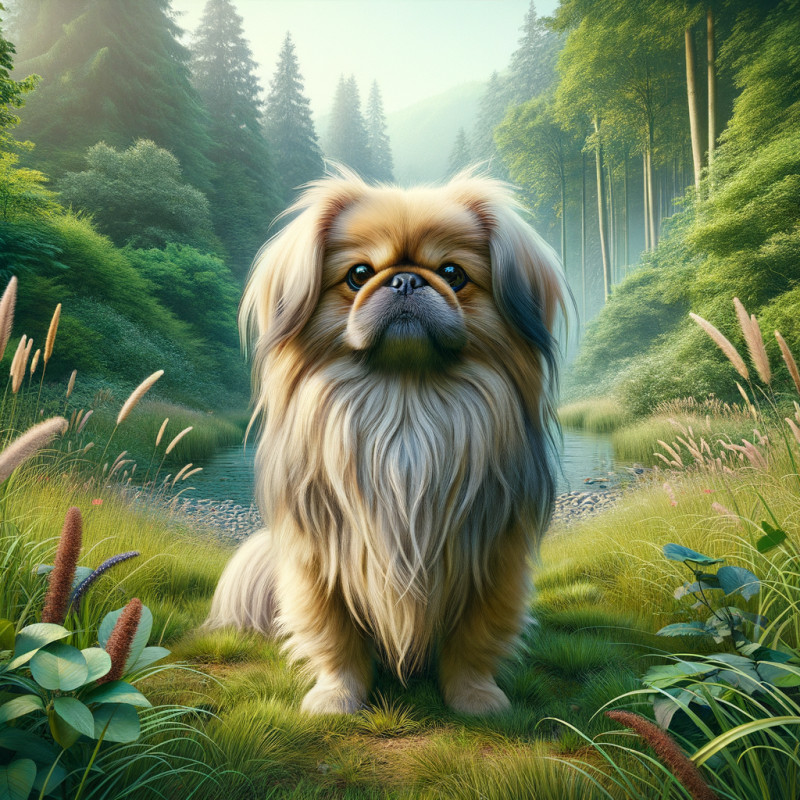
When considering the temperament of the breed, it is important to note that Peking Palasthunds are known to be lively, affectionate, and intelligent dogs that thrive on human companionship. Their small size makes them well-suited for apartment living, but it's crucial to provide them with regular exercise and mental stimulation to prevent behavioral issues. Additionally, their luxurious double coat requires frequent grooming to maintain its health and prevent matting. Due to their delicate nature, extra care must be taken to protect them from extreme temperatures and rough handling to ensure their well-being and longevity.
Guardian Instincts
Bred as royal companions, these dogs possess a strong guardian instinct, making them naturally protective of their family and territory. Despite their small size, Peking Palasthunds will bark to alert their owners of any perceived threats, showcasing their loyalty and watchful nature. With proper training and socialization, they can differentiate between strangers and friends, displaying a discerning and vigilant demeanor. This innate protective behavior, coupled with their alertness and courage, makes them a reliable and devoted guardian for their loved ones, ensuring a sense of security in the home.
Allergies and Shedding
With their long, flowing coat, Peking Palasthunds are prone to shedding, which can trigger allergies in some individuals. Regular grooming is essential to minimize shedding and reduce the spread of allergens in the home. This breed requires frequent brushing to maintain the health and appearance of their coat, as well as to prevent mats and tangles. Additionally, keeping their living environment clean and free of accumulated fur can also help alleviate allergies for both the dog and their human companions. Regular baths and visits to the groomer can further assist in managing shedding and minimizing allergic reactions.
Cost of Ownership
The cost of owning a Peking Palasthund can vary depending on several factors such as breeder reputation, bloodline quality, and geographic location. On average, acquiring a Peking Palasthund from a reputable breeder can cost anywhere from $1,000 to $3,000. Additional expenses to consider include routine veterinary care, yearly vaccinations, grooming needs, high-quality dog food, toys, and supplies. Factor in potential costs for training classes, pet insurance, and unexpected medical emergencies. Overall, the cost of ownership for a Peking Palasthund is an investment in providing a happy, healthy life for your beloved canine companion.
Availability and Adoption
This rare and cherished breed can be challenging to find for adoption due to its limited availability outside its native region. Prospective owners may need to contact reputable breeders or rescue groups specializing in rare breeds to inquire about adoption opportunities. It's essential to research thoroughly and exercise patience when seeking to adopt a Peking Palasthund, as waiting lists may be long. Rescuing a Peking Palasthund in need of a loving home is also a noble option, contributing to the preservation and well-being of this unique and ancient breed.
Famous Examples
Famous Examples: The Peking Palasthund is highly favored by royalty and celebrities alike. Queen Victoria of England owned several of these elegant dogs, while Hollywood actress Audrey Hepburn was often seen with her beloved Peking Palasthund. Additionally, fashion designer Karl Lagerfeld was known to adore this breed and featured them prominently in his fashion shows. These famous examples showcase the Peking Palasthund's reputation as a cherished companion among the elite and the glamorous.
Questions & Answers
1) Is the peking palasthund a good fit for families or first-time owners?
Peking Palasthunds can be a good fit for families, but their temperament may not suit first-time dog owners due to their independent nature.
2) How much exercise and daily care does a peking palasthund require?
Peking Palasthunds have moderate exercise needs and require daily walks and playtime to help keep them mentally stimulated.
3) What health issues are common in peking palasthund?
Common health issues in Peking Palasthunds include brachycephalic airway syndrome, eye problems, dental issues, and luxating patella.
4) What is the typical personality and temperament of a peking palasthund?
Peking Palasthunds are loyal, brave, and affectionate dogs. They can be independent and aloof with strangers but are devoted to their families.
5) Are peking palasthunds known for barking excessively?
Peking Palasthunds have a tendency to bark, especially when they perceive a threat or when they want attention. Proper training can help manage this behavior.
6) How should peking palasthunds be groomed to maintain their coat?
Peking Palasthunds have a long, flowing coat that requires regular brushing and grooming to prevent matting. Regular baths and occasional trims may also be necessary.
7) Do peking palasthunds get along well with other pets?
Peking Palasthunds can coexist with other pets if properly socialized from a young age. They may have a tendency to be territorial, so early socialization is important.