
Ovtcharka - Complete Breed Guide
Ovtcharka - Complete Breed Guide
Breed Overview
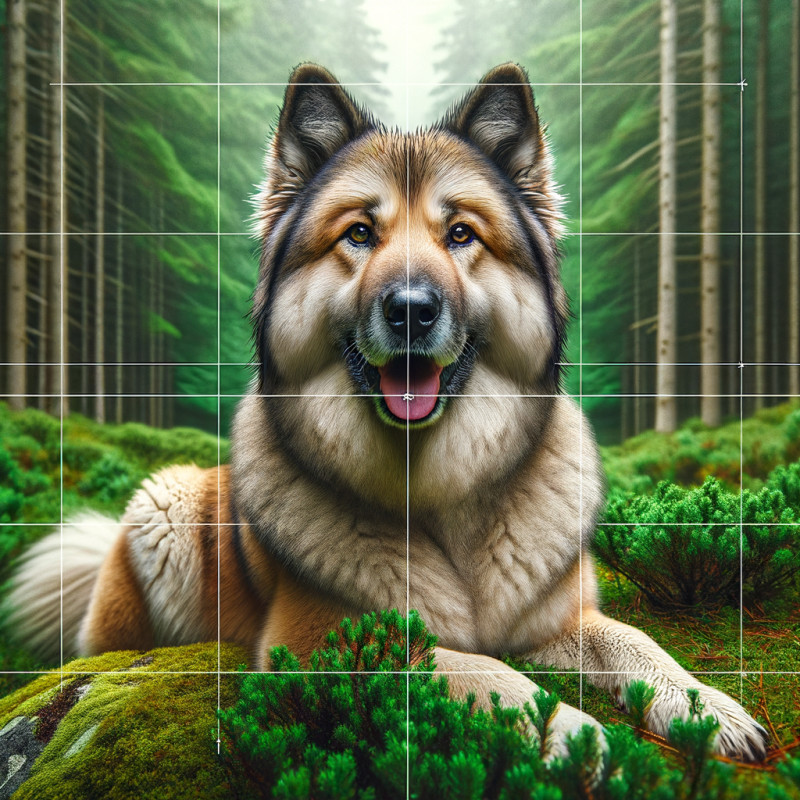
Originating from the mountainous regions of Eastern Europe and Asia, this large and powerful breed was traditionally bred for guarding livestock and property. Known for their strong protective instincts and loyalty to their family, these dogs are intelligent, independent, and require a firm yet gentle hand in training. With a thick double coat designed to withstand harsh weather conditions, they are well-suited for cold climates. While they can be reserved and aloof with strangers, they are affectionate and devoted to their owners, making them excellent companions for experienced dog owners looking for a loyal and vigilant protector.
Adoption & Local Availability
If you’re looking to bring a ovtcharka into your home, there are several ways to find one available for adoption. Below are options to explore both local availability and general listings.
Size and Appearance
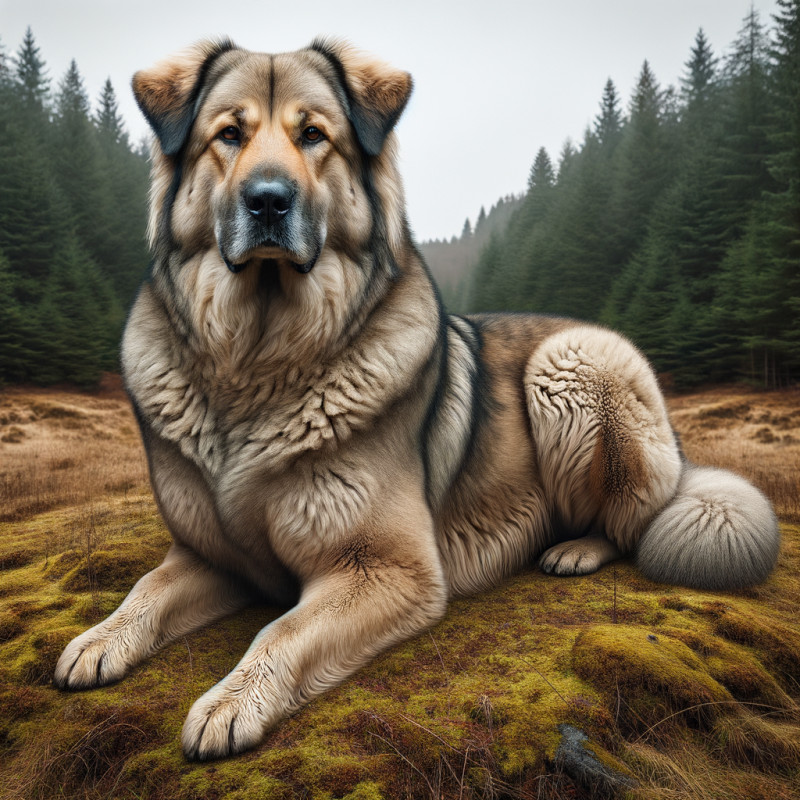
Renowned for their impressive size and majestic appearance, this breed typically stands tall and robust, boasting a muscular build and a broad chest that exudes strength and power. Their dense double coat, often in shades of gray, white, or fawn, contributes to their imposing look, while their distinctive facial features, including dark, expressive eyes and a large, square-shaped head, further enhance their regal presence. With a commanding stature that demands attention and respect, these dogs exhibit a striking combination of grace, elegance, and authority.
Health and Lifespan
The health of the breed is generally robust, but they can be prone to certain genetic health issues such as hip dysplasia and bloat. Regular exercise and a balanced diet are key to maintaining their overall well-being. With proper care, an ovtcharka can live a long and healthy life, typically averaging between 10 to 12 years. Regular veterinary check-ups, a suitable living environment, and attention to their dietary needs can contribute significantly to their longevity. It's crucial for owners to be aware of potential health risks and take proactive measures to ensure their dog's well-being throughout its lifespan.
Family Compatibility
Known for their protective instincts and loyalty, these large and powerful dogs can be great family companions when well-socialized and trained. They are inherently devoted to their families and gentle with children, making them excellent guardians and playmates. However, their strong-willed nature requires experienced handling, and early socialization is crucial to ensure they develop appropriate behavior around other pets and strangers. Obedient and loving, these dogs thrive in homes with established rules and boundaries, forming deep bonds with their families and providing unwavering protection and companionship.
Exercise Needs
This breed requires ample daily exercise to thrive, preferably in the form of long walks, runs, or engaging play sessions. Obedience training and mental stimulation are crucial to keep them physically and mentally fit. Regular exercise helps prevent boredom and destructive behaviors, making them excellent companions for active individuals or families. Ensuring they have enough space to roam and explore, along with interactive toys, will help fulfill their exercise needs and maintain their overall well-being. Regular physical activity is essential to keep this breed healthy, happy, and well-adjusted.
Diet and Feeding
These large and powerful dogs require a balanced and nutritious diet to maintain their health and energy levels. A high-quality diet rich in protein is essential for muscle development, while controlled portions help prevent obesity. Ovtcharkas thrive on a diet consisting of fresh meat, high-quality dry dog food, and occasional fruits and vegetables as treats. It's important to monitor their caloric intake and adjust their diet according to their activity levels and age. Providing access to clean water at all times is crucial for their well-being, ensuring proper hydration and digestion.
Living Environment
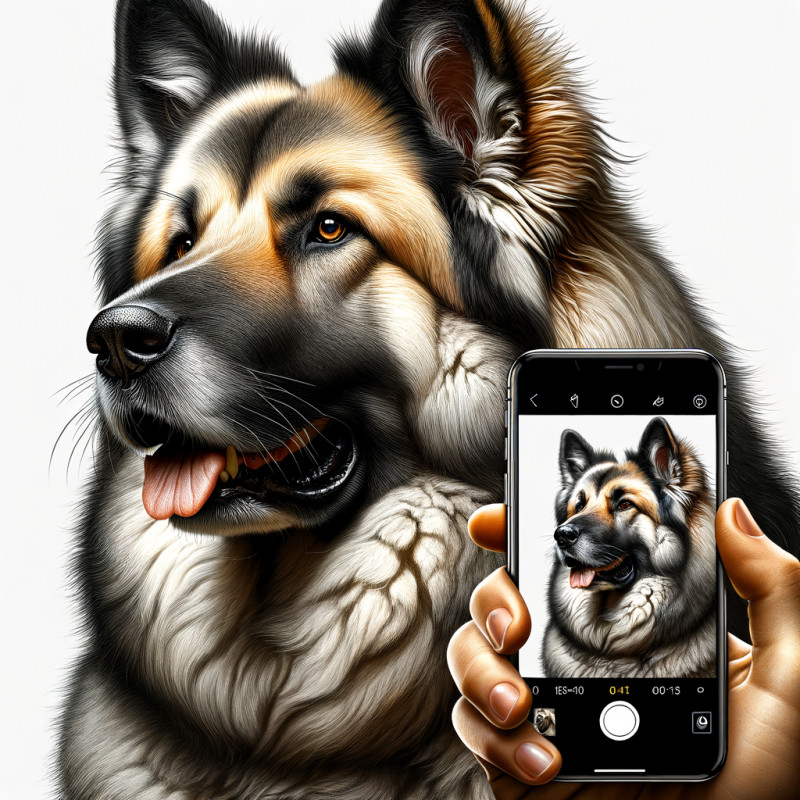
These large, protective, and independent dogs thrive in spacious, rural settings where they can roam and fulfill their guarding instincts. Ovtcharkas are not well-suited for apartment living due to their need for ample space and regular exercise. They enjoy patrolling and securing their territory, making them ideal for properties with extensive land. Strong and confident, they require a secure, fenced-in yard to keep them contained and prevent them from wandering. Ovtcharkas are best suited for experienced owners who can provide them with the physical and mental stimulation they need to thrive in their natural environment.
Grooming
Grooming is an important aspect of caring for this breed as their thick double coat requires regular maintenance to prevent matting and tangles. Brushing at least once a week is necessary to remove loose hair and dirt, especially during shedding season. Bathing should be done on an as-needed basis with a gentle dog shampoo to keep their coat clean and healthy. Trimming their nails regularly is crucial to prevent overgrowth and potential pain. Additionally, regular dental care, such as brushing their teeth, can help maintain their overall health and prevent dental issues.
Training and Intelligence
Training and Intelligence:
The breed is highly intelligent and has a strong work ethic, making training essential from an early age to establish leadership. Obedience training should be firm yet positive, utilizing consistent commands and rewards. Due to their protective nature, socialization is crucial to ensure they distinguish friend from foe. Obedient and loyal by nature, they excel in tasks that require problem-solving and critical thinking skills. Continuous mental stimulation and varied training exercises are key to keeping them engaged and preventing boredom, which can lead to destructive behaviors. Patience, perseverance, and positive reinforcement are pivotal in harnessing their intelligence effectively.
Exercise and Activity Requirements
Exercise and Activity Requirements: The breed thrives on ample daily exercise to maintain their physical and mental well-being. These dogs require regular, vigorous activity to prevent boredom and potential behavior issues. Engaging in activities such as long walks, runs, or play sessions are essential. Providing them with tasks or jobs to do, like agility training or herding activities, can also help fulfill their working instincts and keep them satisfied. It's important to ensure they have enough space to roam and explore, as they are highly active and energetic animals. Regular exercise is key to keeping these dogs healthy and happy.
Socialization
Proper socialization is crucial for this breed to ensure they are well-rounded and well-behaved. Early and positive exposure to various people, animals, and environments is key to preventing potential behavior issues. Obedience training and positive reinforcement play a significant role in shaping their social skills. It is important to introduce them to different situations gradually, allowing them to build confidence and trust. Consistent socialization efforts throughout their life help maintain their friendly and adaptable nature, making them excellent companions and family members.
Lifespan
The lifespan of this breed typically ranges between 10 to 12 years, with proper care and maintenance. Regular vet check-ups, a balanced diet, sufficient exercise, and a loving environment can contribute to a longer and healthier life for these dogs. Genetics also play a role in determining the lifespan of these large and sturdy animals, making it essential for breeders to prioritize health and longevity when selecting breeding pairs. With the right care and attention, these dogs can live a fulfilling and active life for over a decade, forming strong bonds with their families along the way.
Common Behavioral Issues
Common behavioral issues in ovtcharkas can include aggression towards strangers or other animals, as they are naturally protective and territorial. Poor socialization can lead to fearfulness and potential reactivity. These dogs may exhibit stubbornness and independence, requiring firm and consistent training methods. Separation anxiety is common due to their loyalty and attachment to their family members. Ovtcharkas may display dominance tendencies if not properly trained and managed. It is crucial for owners to provide early socialization, clear boundaries, and positive reinforcement to address and prevent behavioral issues in this breed.
Special Considerations
Due to their strong protective instincts and independent nature, it is crucial for potential owners to understand the specialized needs of this breed. Obedience training and early socialization are essential to manage their guarding tendencies. Ovtcharkas require regular exercise and mental stimulation to prevent boredom and destructive behaviors. Owners should be prepared for their strong-willed nature and assertive personality, requiring consistent leadership and boundaries. Proper containment measures are necessary due to their territorial instincts. Potential owners should consider the time and effort required to properly train and care for this breed to ensure a harmonious relationship.
Guardian Instincts
Known for their fiercely protective nature, these dogs exhibit unparalleled guardian instincts that make them excellent protectors of their family and territory. With a strong sense of loyalty and devotion, they are always alert and ready to defend against any potential threats. Their innate instinct to safeguard their loved ones is deeply ingrained, making them a reliable and trustworthy companion in any situation. Due to their natural protective instincts, proper training and socialization from an early age are crucial to ensure they can distinguish between real threats and everyday situations, allowing them to excel as vigilant guardians.
Allergies and Shedding
Known for their thick double coat, this breed sheds moderately year-round, with heavier shedding during seasonal changes. Regular grooming is essential to manage shedding and minimize allergens, as their coat traps dander and dust. Potential owners with allergies may find the shedding problematic, requiring consistent brushing and grooming to keep their homes clean. Despite shedding tendencies, regular grooming routines can help reduce allergic reactions and manage overall shedding levels to maintain a healthy and comfortable living environment.
Cost of Ownership
The cost of owning a dog from this breed can vary widely depending on factors such as breeder reputation, bloodline quality, and geographical location. Initial expenses include the purchase price which can range from $1,000 to $4,000, as well as equipment like a large dog crate and high-quality dog food. Ongoing costs such as routine vet check-ups, vaccinations, grooming, and training classes should also be considered. Additionally, potential owners should budget for unexpected expenses like emergency medical care or professional behavioral training. Overall, owning a dog from this breed can be a significant financial commitment, but the loyalty and protection they offer in return can be priceless.
Availability and Adoption
Availability and Adoption: Ovtcharkas may not be readily available in all regions, with enthusiasts typically seeking specialized breeders or rescue organizations for adoption. Due to their protective nature and potential for aggression towards unfamiliar animals or people, experienced handlers are often recommended. Potential owners should thoroughly research the breed's characteristics to ensure compatibility with their lifestyle and living situation. Adoption requirements may include a secure and spacious environment, regular exercise, and a commitment to socialization and training. Reputable breed-specific rescues can provide valuable guidance and support throughout the adoption process, facilitating successful placement for these loyal and devoted dogs.
Famous Examples
Famous Examples: Known for their loyalty and protective nature, a notable example of this breed is the dog that saved a lost 3-year-old girl in Siberia by keeping her warm through freezing temperatures. Another famous ovtcharka-like dog was recognized for her heroic actions in protecting her owner from a bear attack in the Russian wilderness. These remarkable stories highlight the courage, intelligence, and unwavering devotion commonly associated with this remarkable breed.
Questions & Answers
1) Is the ovtcharka a good fit for families or first-time owners?
Ovtcharkas are not typically recommended for first-time owners or families with small children due to their strong protective instincts and independent nature.
2) How much exercise and daily care does a ovtcharka require?
Ovtcharkas are a high-energy breed that require plenty of exercise and mental stimulation. They benefit from daily walks, playtime, and training sessions to keep them physically and mentally fit.
3) What health issues are common in ovtcharka?
Common health issues in ovtcharkas include hip dysplasia, elbow dysplasia, bloat, and obesity. Regular vet check-ups and a healthy diet are essential in maintaining their well-being.
4) Are ovtcharkas good with other pets?
Ovtcharkas can be wary of unfamiliar animals and may display aggression towards them. Proper socialization from an early age is crucial to help them coexist peacefully with other pets.
5) Do ovtcharkas require a lot of grooming?
Ovtcharkas have a dense double coat that sheds seasonally. They require regular brushing to prevent matting and to keep their coat in good condition. Additionally, they may need occasional baths to keep clean.
6) What is the ovtcharka's temperament like?
Ovtcharkas are known for their loyal, protective, and fearless nature. They are wary of strangers and make excellent guard dogs. Proper training and socialization are essential to help them differentiate between friend and foe.
7) Do ovtcharkas have a strong prey drive?
Yes, ovtcharkas have a strong prey drive due to their history as livestock guardians. They may chase small animals, so it's important to keep them on a leash or in a secure yard to prevent accidents.