
Nova Scotia Ducktolling Retriever - Complete Breed Guide
Nova Scotia Ducktolling Retriever - Complete Breed Guide

Breed Overview
With their striking red coat and intelligent demeanor, this breed is known for their playful disposition and strong work ethic. Originating in Canada, they were bred to lure ducks into shooting range, hence their name. They excel in various dog sports and activities, showcasing their agility and trainability. A member of the sporting group, they are highly energetic and require plenty of physical exercise to stay happy and healthy. Their love for water is evident, as they are natural swimmers. This versatile breed makes a loving family companion and a dedicated working dog, always eager to please their owners.
Adoption & Local Availability
If you’re looking to bring a nova scotia ducktolling retriever into your home, there are several ways to find one available for adoption. Below are options to explore both local availability and general listings.
Size and Appearance
Size and Appearance:
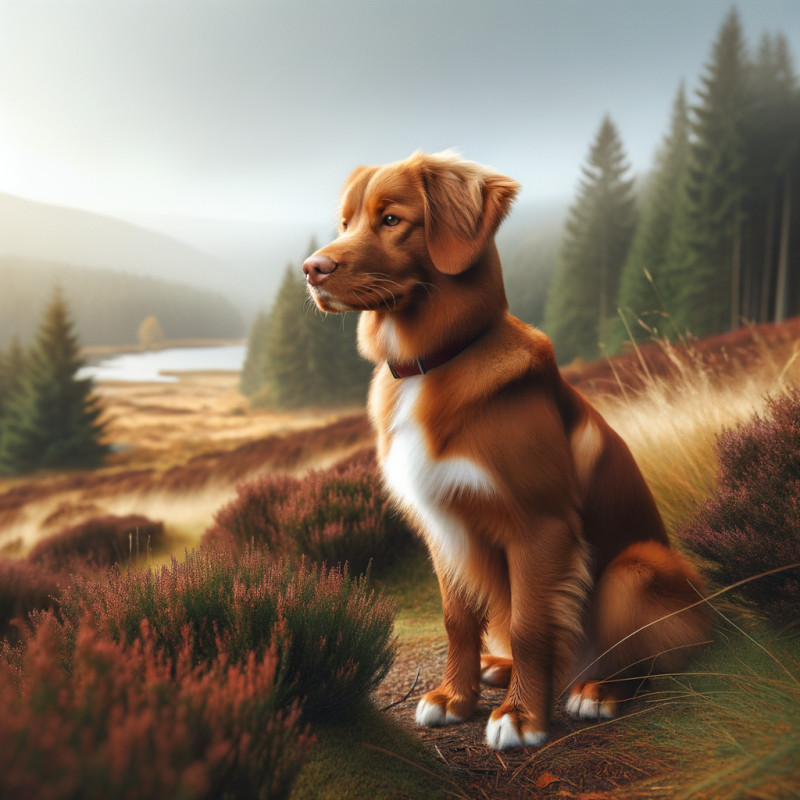
The breed is medium-sized with a strong and athletic build, typically weighing around 35-50 pounds and standing 17-21 inches tall at the shoulder. They have a dense double coat that is water-repellent, with a soft inner layer and a longer, straight outer coat that may have varying shades of red, orange, and golden hues. Known for their distinctive 'tolling' ability, they have a fox-like appearance with a alert expression, keen eyes, and a bushy tail carried over their back. Their overall appearance is elegant, balanced, and harmonious, reflecting their versatility as skilled retrievers and family companions.
Health and Lifespan
These dogs are generally healthy but can be prone to certain health issues such as hip dysplasia, progressive retinal atrophy, and autoimmune disorders. Regular vet check-ups, a balanced diet, and regular exercise can help maintain their overall health. The average lifespan of these dogs is around 12 to 14 years, although some can live even longer with proper care and a healthy lifestyle. Ensuring they receive proper training, socialization, and attention can contribute to their overall well-being and longevity.
Family Compatibility
Known for their affectionate and playful nature, these dogs are excellent companions for families. Their friendly demeanor and high energy levels make them great playmates for children, always eager to participate in family activities. With proper socialization and training, they get along well with other pets and enjoy being part of a loving household. Their innate intelligence and strong bond with their human family members make them highly adaptable to various living situations, thriving in environments where they receive plenty of love, attention, and exercise.
Exercise Needs
These playful and energetic dogs have moderate to high exercise needs due to their working dog background. Daily exercise such as walks, runs, or interactive play sessions are essential to keep them physically and mentally stimulated. Engaging in activities like fetching, agility training, or swimming can help meet their exercise requirements. Providing mental stimulation through puzzle toys or obedience training is also important to prevent boredom. Overall, regular and varied exercise is key to keeping these intelligent and active dogs happy and healthy.
Diet and Feeding
Diet and Feeding: The Nova Scotia Duck Tolling Retriever thrives on a balanced diet that provides high-quality protein, essential fats, vitamins, and minerals. It's crucial to feed them a diet suitable for their energy levels, whether they are working dogs or family pets. Monitoring portion sizes and adjusting based on activity level is key to maintaining a healthy weight. Fresh water should always be available, and treats should be given in moderation to prevent overfeeding. Many owners opt for a diet rich in lean meats, fruits, vegetables, and whole grains to support their dog's overall health and well-being.

Living Environment
These energetic and intelligent dogs thrive in active households where they receive plenty of mental and physical stimulation. They do well in homes with a securely fenced yard to prevent wandering, as they have a propensity for exploration. Living environments should provide opportunities for play, exercise, and training to keep their minds engaged. Due to their social nature, they prefer being around their human companions and may suffer from separation anxiety if left alone for extended periods. Providing them with a loving and interactive home environment will ensure a happy and well-adjusted companion.
Grooming
The breed's medium-length double coat requires regular grooming to keep it in top condition. Weekly brushing helps prevent matting, especially in the feathering on the ears, legs, and tail. During shedding seasons, daily brushing is recommended to manage loose hair. Bathing should be done as needed, using a mild dog shampoo to maintain the coat's natural oils. Nails should be trimmed regularly to prevent overgrowth and discomfort. Additionally, regular teeth brushing and ear cleaning are essential parts of the grooming routine to ensure overall health and hygiene for the breed.
Training and Intelligence
Training a dog of this breed requires mental stimulation and consistency due to their high intelligence and eagerness to learn. They excel in obedience training, agility, and even advanced tasks like search and rescue. Keeping training sessions fun and engaging is key to prevent boredom, as they thrive on mental challenges. Positive reinforcement methods work best with these quick learners, ensuring a harmonious bond between dog and owner. Providing ample opportunities for exercise and mental stimulation will help channel their intelligence into positive behaviors, making them not only obedient but also well-rounded companions.
Exercise and Activity Requirements
Exercise and Activity Requirements:
This breed thrives on physical activity and mental stimulation. They require daily exercise to stay happy and healthy, including activities such as retrieving games, running, swimming, and agility training. Mental challenges like puzzle toys and obedience training are also essential to keep them engaged. Failing to provide enough exercise can lead to boredom and destructive behaviors. Aim for at least 1-2 hours of exercise daily to satisfy their high energy levels. Interactive play sessions with their owner or other dogs are highly beneficial for their overall well-being and to prevent behavioral issues.
Socialization
Socialization is essential for this breed to thrive, as they are naturally friendly and outgoing. Exposing them to various people, animals, and environments from a young age helps prevent shyness or aggression. Positive social interactions during puppyhood set the foundation for well-balanced adult dogs. Dog parks, obedience classes, and regular outings are great ways to ensure they develop into confident and sociable companions. Properly socialized dogs are more adaptable to new situations and less likely to exhibit behavior issues. Consistent socialization throughout their lives is crucial to maintaining their friendly and sociable nature.
Lifespan
Lifespan of this high-energy breed typically ranges from 12 to 15 years with proper care, exercise, and nutrition. Regular veterinary check-ups, adequate mental stimulation, and a balanced diet can help ensure a long and healthy life for these intelligent and active dogs. Providing a loving and stimulating environment, along with early training and socialization, can contribute to their overall well-being and longevity. It's important to be aware of common health issues in this breed, such as hip dysplasia and progressive retinal atrophy, and take proactive measures to address them for an extended lifespan.
Common Behavioral Issues
Common behavioral issues in this breed can include separation anxiety, excessive barking, and high energy levels. Nova Scotia Duck Tolling Retrievers are a highly intelligent and active breed that thrives on mental and physical stimulation. Without proper exercise and mental challenges, they may exhibit destructive behaviors. Additionally, their strong bond with their owners can lead to issues such as clinginess and potential guarding behaviors. Proper training, socialization, and regular exercise can help mitigate these behavioral issues and ensure a well-rounded and happy dog.
Special Considerations
Special Considerations: This breed is highly energetic and requires plenty of exercise to prevent boredom and potential behavioral issues. Mental stimulation, such as training games and interactive toys, is also crucial for their well-being. Their thick double coat needs regular grooming to prevent matting and reduce shedding. Due to their friendly nature, early socialization is important to ensure they get along well with other animals and strangers. Additionally, they can be prone to certain health issues like hip dysplasia and progressive retinal atrophy, so regular vet check-ups are essential to maintain their overall health and longevity.
Guardian Instincts
These dogs possess natural guardian instincts, being attentive and protective of their families. Alert and observant, they will alert their owners of any potential threats or strangers approaching the home. While not aggressive, they will stand their ground if they sense danger, making them reliable watchdogs. With proper socialization, they differentiate between friend and foe, showing loyalty and dedication to their loved ones. Their keen sense of awareness combined with a gentle demeanor makes them excellent companions for those seeking a loyal and protective pet.
Allergies and Shedding
These dogs are moderate shedders and not considered hypoallergenic. Regular grooming is necessary to manage their shedding and prevent matting. Their dense double coat requires brushing at least a few times a week to remove loose fur and reduce the amount of hair around the house. Bathing should be done as needed to keep the coat clean and healthy. Additionally, maintaining good skin health through proper diet and regular check-ups can help manage any potential skin allergies or irritations that these dogs may be prone to.
Cost of Ownership
The cost of owning a 'nova scotia ducktolling retriever' can vary depending on factors like breeder reputation, location, and health screening expenses. Initially, purchasing a well-bred puppy can range from $1,000 to $2,500. Annual expenses for food, grooming, toys, and veterinary care can add up to $1,000 or more. Additionally, budgeting for training classes, pet insurance, and unexpected medical bills is crucial. Long-term costs include regular grooming appointments, vaccinations, and potential emergency vet visits, which can amount to a few thousand dollars annually. Properly caring for a 'nova scotia ducktolling retriever' involves financial commitment and planning.
Availability and Adoption
This breed is relatively rare, so it may take some time and effort to find a Nova Scotia Duck Tolling Retriever available for adoption. Potential adopters can start by checking with local shelters, rescue organizations, and breed-specific rescues. It's essential to research reputable breeders if considering purchasing a puppy, ensuring they meet ethical breeding standards. Waiting lists for puppies from responsible breeders can be lengthy due to the breed's popularity. Patience and persistence are key when looking to adopt or purchase a Nova Scotia Duck Tolling Retriever, as finding the right match may take time but will be rewarding.
Famous Examples
One famous example of this breed is Tucker, a Nova Scotia Duck Tolling Retriever known for his exceptional agility and skill in various dog sports competitions. Another notable dog is Ruby, who gained fame on social media for her charming demeanor and impressive retrieving abilities. These famous Nova Scotia Duck Tolling Retrievers showcase the breed's intelligence, athleticism, and playful nature, making them beloved ambassadors for their kind.
Questions & Answers
1) Is the nova scotia ducktolling retriever a good fit for families or first-time owners?
Yes, nova scotia ducktolling retrievers are great family dogs and can also be suitable for first-time owners with proper training and socialization.
2) How much exercise and daily care does a nova scotia ducktolling retriever require?
Nova scotia ducktolling retrievers are active dogs that require regular exercise, including daily walks, playtime, and mental stimulation. They also need grooming to maintain their coat and overall health.
3) What health issues are common in nova scotia ducktolling retriever?
Common health issues in nova scotia ducktolling retrievers include hip dysplasia, progressive retinal atrophy, and autoimmune disorders. Regular vet check-ups and a healthy lifestyle can help mitigate these risks.
4) Do nova scotia ducktolling retrievers get along well with other pets?
Nova scotia ducktolling retrievers are generally good with other pets, especially if they are socialized from a young age. They have a friendly and playful nature that often makes them good companions for other animals.
5) Are nova scotia ducktolling retrievers easy to train?
Nova scotia ducktolling retrievers are intelligent and eager to please, which makes them responsive to training. Positive reinforcement techniques work well with this breed, and consistent training can help them excel in obedience and agility activities.
6) How much barking do nova scotia ducktolling retrievers typically do?
Nova scotia ducktolling retrievers are known to be alert barkers, which means they will bark to alert their owners of anything unusual or exciting. Proper training can help control excessive barking behavior.
7) Do nova scotia ducktolling retrievers have a high prey drive?
Yes, nova scotia ducktolling retrievers have a natural instinct for hunting and retrieving, which can translate into a high prey drive. Supervision and training are important to manage this behavior, especially around smaller animals.