
Mudi: Complete Breed Guide, Care & Health Tips
Breed Overview
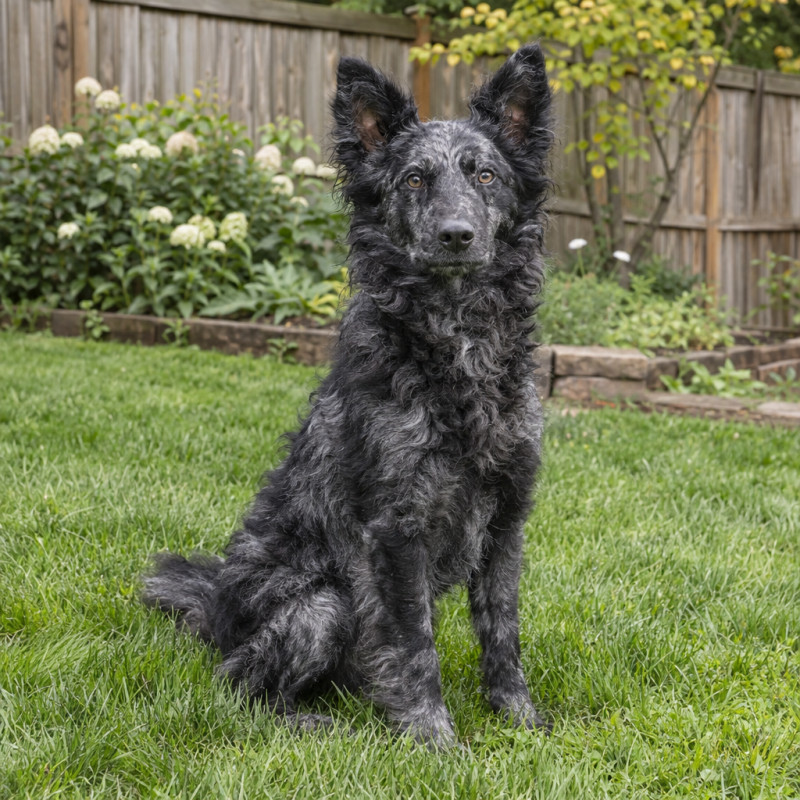
Compact, agile Hungarian herding dog developed for versatile farm work: typically 35–48 cm tall and 8–13 kg, it sports a medium-length, often wavy or curly coat in many colors including black, brown, fawn, merle and white markings. Highly intelligent, energetic and bold, this breed is devoted and alert, adaptable to family life but needs purposeful daily exercise, mental challenges and consistent training; it excels in herding, agility and obedience. Generally healthy with a lifespan around 12–14 years, watch for hip dysplasia, patellar luxation and eye disorders. Moderate grooming, thrives with active owners, space to run and socialization from puppyhood.
Temperament
Alert, energetic and intensely intelligent, this Hungarian herding dog combines boldness with sensitivity: fiercely loyal to family, affectionate with children, and quick to bond, yet often reserved or wary around strangers. Driven and independent-minded, it thinks its way through problems and excels at herding, agility, and canine sports, but requires consistent, positive training, early socialization, and ample mental and physical outlets to prevent boredom-driven mischief. Highly vocal and watchful, it will alert to intruders; when given leadership, structure and regular work or play, it becomes a versatile, devoted companion.
Size and Appearance
Compact, well-proportioned herding dog standing roughly 14–19 inches (35–48 cm) at the shoulder and weighing about 18–29 pounds (8–13 kg). The body is slightly longer than tall, muscular yet nimble, with a wedge-shaped head, almond eyes that may be dark or amber, and an alert expression. Coat is medium-length, dense with a weather-resistant undercoat, often wavy or curly with feathering on ears, chest, legs and tail; ear carriage varies—pricked, semi-erect or folded—and the tail is frequently curled or carried high. Colors include black, brown, fawn, blue merle, silver and white; grooming is moderate.
Health and Lifespan
This spirited Hungarian herding dog typically lives 12–14 years with good care but can approach mid-teens; common concerns include hip dysplasia, patellar luxation, progressive retinal atrophy and cataracts, and a predisposition to idiopathic epilepsy. Responsible breeders pursue hip/patella screening (OFA or PennHIP), ophthalmic exams (ACVO/CERF), and available DNA tests to reduce inherited disease. Preventive care—vaccinations, parasite control, dental hygiene, weight management and joint supplements—plus vigorous daily exercise and mental work sustain health. In older dogs adjust diet, increase veterinary monitoring, manage pain and mobility, and tailor activity to preserve quality of life.
Family Compatibility
Highly affectionate, energetic and intelligent, this small-to-medium herding companion thrives in active families who provide daily physical exercise and challenging mental work; with early socialization and consistent, positive training it bonds deeply with children and adults, though strong herding instincts can lead to nipping or chasing small children or pets if not channeled. Generally good with other dogs when raised together but may pursue cats or wildlife. Adaptable to apartment life only with rigorous activity, prefers secure yards, tolerates moderate grooming, is alert and protective without undue aggression, and suits owners who are consistent, engaged and patient.
Exercise Needs
Highly energetic herding dogs require vigorous daily activity—typically two sessions totaling 60–120 minutes—combining aerobic exercise with intense mental work to prevent boredom and destructive behavior. Ideal outlets include off-leash running, agility, flyball, fetch, herding or scent trials, long walks or jogs, and structured training games that challenge problem-solving. Puppies need short, varied bursts and low-impact play until growth plates close; seniors benefit from gentler, shorter sessions. Secure, fenced areas and leash discipline are essential for safety. Adjust intensity for weather and joints, and always pair physical exertion with interactive enrichment to keep them balanced.
Diet and Feeding
Active, agile herding dogs need nutrient-dense, high-quality diets rich in animal protein (generally 20–30% for adults, higher for growing pups) and moderate fats to support energy and coat health; aim roughly 30–50 kcal per kg bodyweight daily, adjusted for age and workload. Feed puppies 3–4 times daily, adults twice, increasing portions for working dogs and factoring treats into total calories to prevent obesity. Prioritize omega-3s, joint support as needed, and eliminate common toxins (chocolate, grapes, xylitol, onions). Offer fresh water, slow pre- and post-exercise feeding to reduce digestive upset, and use vet guidance for tailored needs.
Living Environment
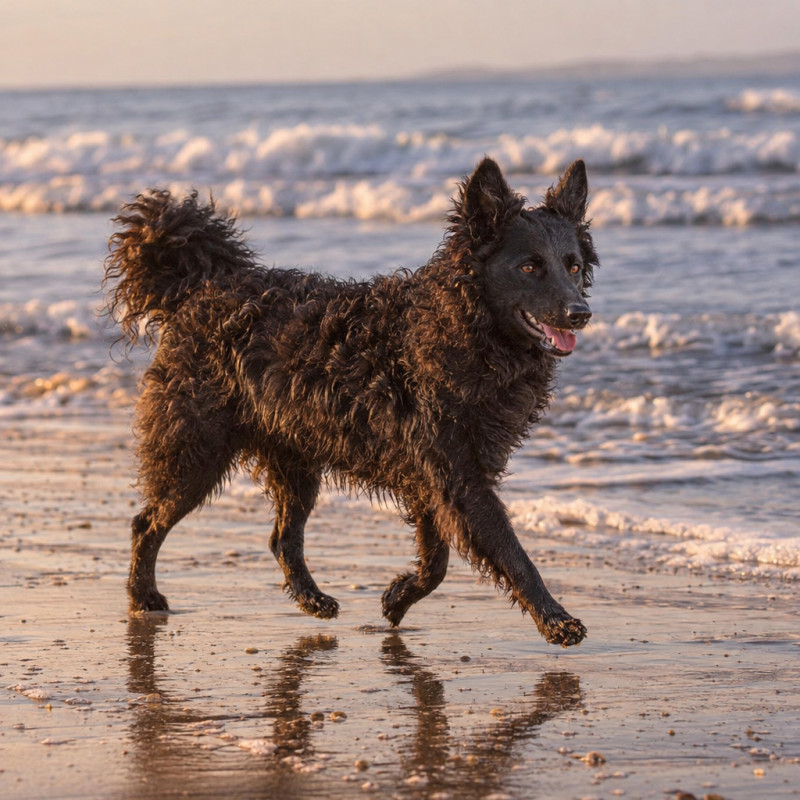
Active, intelligent, medium-sized herding dogs thrive in homes where they receive daily vigorous exercise and mental challenges; a securely fenced yard is essential to satisfy strong herding and prey-drive instincts and prevent escapes. They adapt to apartments only if owners commit to multiple long walks, play sessions, and canine sports (agility, obedience, scent work). Prefer close human companionship and do best with families providing training, socialization, and structure; solitary confinement leads to vocalization or destructive behaviour. Double coat tolerates moderate weather but needs shelter from extremes. Regular grooming and purposeful work keep them content and well-balanced.
Grooming
Coat care is straightforward: a medium-length, often wavy or curly single coat with feathering needs weekly brushing to remove debris and prevent mats, increasing to daily during seasonal shedding or after heavy outdoor work. Bathe only as needed (every few months or when soiled) using a mild shampoo and conditioner to preserve natural oils; avoid overbathing. Trim hair around pads, sanitary areas and ears to reduce tangles; plucking unnecessary. Check and clean ears weekly, brush teeth several times weekly, and trim nails every 3–4 weeks. Use a slicker brush, wide-tooth comb, dematting tool and thinning shears; professional grooming rarely needed.
Training and Intelligence
Exceptionally intelligent and energetic, this nimble, medium‑sized herding dog learns commands quickly, excels at problem‑solving and thrives on purpose‑driven work; training should emphasize positive reinforcement, clear leadership and early socialization to channel an alert, sometimes independent mind. Mental stimulation—scent games, agility, herding, obedience, rally or trick training—is essential to prevent boredom-driven mischief. Sensitive to harsh corrections, it responds best to consistent, varied sessions and firm but fair guidance. Strong herding and prey instincts mean recall and off‑leash reliability require focused practice. Ideal for active handlers who provide structure, challenge and ongoing engagement.
Exercise and Activity Requirements
High-energy, agile herding dogs require daily physical and mental stimulation—plan 60–120 minutes of varied activity: brisk walks, runs, off‑leash play, structured training, and dog sports (agility, rally, herding, flyball, tracking). Mental work—obedience, tricks, puzzle toys, scent games—prevents boredom and destructive behavior. Puppies need short, controlled sessions to protect growth plates; seniors benefit from low-impact exercise and gentle strengthening. Strong recall and secure fencing are essential; leash manners and socialization reduce overexcitability. Provide jobs or tasks; without sufficient outlets they can become frustrated. Owners should match activity intensity to individual age, health and temperament.
Socialization
Early, consistent socialization is essential for this energetic Hungarian herding dog: begin puppy social classes, gentle handling and varied, positive exposures to people (ages, sizes, appearances), animals, noises, surfaces and environments from 8–16 weeks to build confidence and prevent timidity or over-protectiveness. Use reward-based training, short frequent outings, and controlled introductions to kids, strangers, and other dogs; supervise interactions and teach appropriate play and recall. Ongoing adult socialization prevents reactivity driven by high intelligence and sensitivity. Prioritize mental enrichment, structured dog sports or herding activities, and calm, consistent leadership to shape a balanced, adaptable companion.
Lifespan
Typical lifespan ranges from about 12 to 14 years, with many living into their mid-to-late teens; longevity is influenced by genetics, size, and lifestyle. Common hereditary concerns that can shorten life include hip dysplasia, progressive retinal atrophy, patellar luxation and epilepsy, so pre-breeding health screening (hip scoring, ophthalmologic exams and cardiac checks) is crucial. Lifespan is maximized with balanced nutrition, regular exercise and mental stimulation, ideal weight maintenance, dental care, parasite control and timely vaccinations. Early socialization, responsible breeding, routine veterinary screenings and prompt treatment of emerging issues further improve longevity and quality of life.
Common Behavioral Issues
High intelligence and intense herding instincts often produce behavioral issues such as nipping at heels, chasing cars or small animals, and an obsessive need to "work" that can translate into pacing, shadowing, or mounting. Without ample mental and physical outlets these dogs commonly develop excessive barking, destructive chewing, or escape attempts. They may show separation anxiety, resource guarding, and fear‑based reactivity toward strangers or other dogs if poorly socialized; they are sensitive to harsh correction and respond best to consistent, firm, positive training. Early socialization, structured exercise, and puzzle work usually prevent or mitigate most problems.
Special Considerations
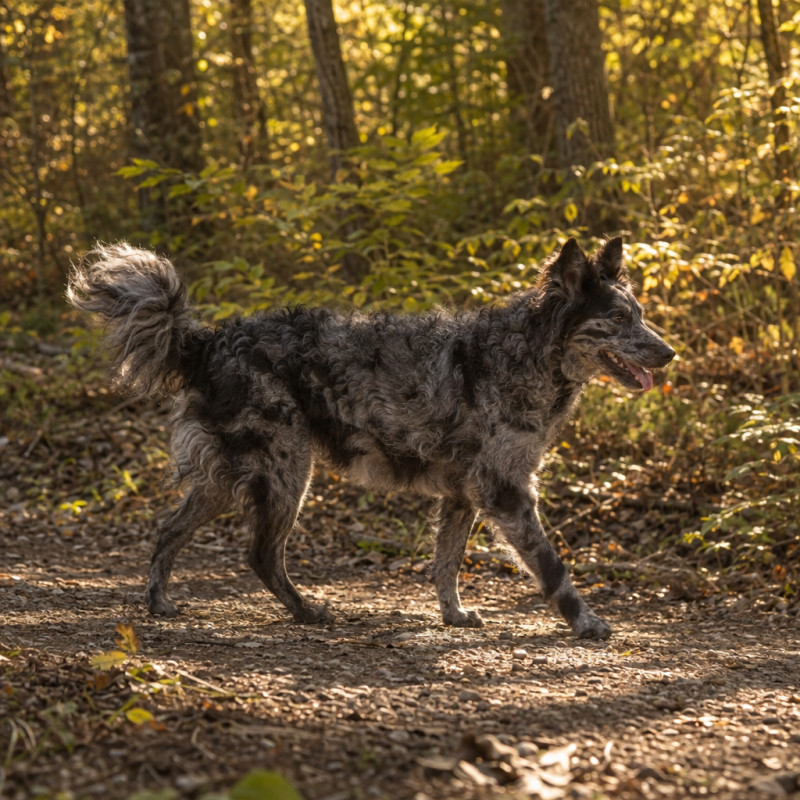
Energetic, intelligent herding dog requires abundant physical exercise, daily high-intensity activity, and complex mental stimulation (trick training, agility, herding trials) to prevent boredom-driven behaviors such as barking, digging, or nipping; excels with consistent, reward-based training and early, extensive socialization to moderate strong herding instincts and stranger wariness; sensitive to harsh corrections and prone to separation anxiety if left alone; secure, escape-proof fencing is essential; routine grooming is low-to-moderate but seasonal shedding and ear/coat checks matter; watch for hip dysplasia, PRA, cataracts, patellar luxation, epilepsy—regular vet screening and responsible breeder health testing recommended.
Guardian Instincts
Alert, naturally protective and intensely bonded to its people and stock, this breed makes an eager watchdog rather than a heavy-duty guard; it will rapidly assess unfamiliar sounds or visitors, give loud, sustained alarm, and confront small intruders with courage and agility, though its medium size limits physical deterrence against larger threats. Highly intelligent and responsive to a confident handler, it channels guardian impulses into herding or perimeter patrols when properly trained and socialized; without guidance it can become overprotective or reactive, so consistent training, early exposure to strangers, and purposeful work keep instincts balanced and constructive.
Allergies and Shedding
This Hungarian herding dog has a medium, weather‑resistant, often wavy coat that sheds moderately year‑round with heavier seasonal blowouts; weekly brushing and de‑shedding during molts, plus occasional baths and trims, reduce loose hair and dander. It isn’t hypoallergenic—dander and saliva can trigger reactions—so management relies on grooming, vacuuming, HEPA filters, washing bedding and limiting access to bedrooms. Skin issues can include atopy, flea or food allergies marked by itching, ear infections or paw chewing; veterinary diagnosis, elimination diets, flea control, topical care, immunotherapy or medications address symptoms.
Cost of Ownership
Expect initial purchase or adoption fees of $200–$2,000 depending on pedigree or rescue; startup costs (vaccinations, spay/neuter, microchip, basic training, crate, leash, bed) commonly $400–$1,000. Annual expenses: quality food, preventive vet care, vaccinations, flea/tick/heartworm meds, grooming, and training average $800–$1,800; insurance runs $30–$70/month. Budget for occasional diagnostics or orthopedic/hereditary condition treatments, which can cost $500–$5,000. Active-dog needs increase costs for classes, equipment, and dog-walking/boarding ($20–$60/day). Also factor licensing, seasonal professional grooming, and an emergency fund. Lifespan 12–14 years implies a lifetime cost typically $15,000–$40,000 depending on health, lifestyle, and geography.
Availability and Adoption
Availability is limited—outside its Hungarian homeland responsible litters are produced by a handful of devoted, registry‑listed breeders and national breed clubs, often with long waitlists; occasional adults surface via specialty rescues and rehoming networks rather than general classifieds. Adoption typically involves applications, reference and home checks, contractual health guarantees and proof of screening (hip and elbow assessments, ophthalmologic exams and any recommended genetic tests), plus a rehoming fee; avoid backyard breeders. Best matches are active, experienced owners prepared for training, socialization and potential import logistics such as transport, quarantine and export paperwork.
Famous Examples
In Hungary and across Europe, the breed's most celebrated individuals are championship-winning herders and show-ring stars whose precision and versatility earned national titles; agility and obedience champions dominating competitive circuits; standout scent-work and search-and-rescue dogs credited with locating missing people; therapy and educational ambassadors introducing rare-breed traits to the public; prized foundation dogs shaping breed standards through selective breeding; and a handful of media appearances that raised international awareness. These exemplary dogs are admired for intelligence, adaptability, and athleticism, and they continue to define the breed's reputation and preservation efforts.
Questions & Answers
1) Is the mudi a good fit for families or first-time owners?
Mudis can be excellent family dogs: they are loyal, affectionate, good with children when properly socialized, and protective without being overly aggressive. However, they are an active, intelligent herding breed with strong instincts (nipping, herding) and require consistent training and mental stimulation. That makes them better suited to owners who are active and willing to invest time in training and socialization. A motivated first-time owner who commits to learning positive training techniques can do well with a mudi, but complete novices who prefer a low-maintenance companion may find the breed challenging.
2) How much exercise and daily care does a mudi require?
Mudis are high-energy and need both physical and mental exercise. Expect at least 60–90 minutes of vigorous activity per day (walks, runs, play), plus short training sessions, puzzle toys, or agility/herding work for mental stimulation. They thrive on purposeful tasks like obedience, agility, flyball, or scent work. Daily basic care includes weekly brushing (more in seasonal shedding), regular ear checks, teeth brushing, nail trims, and routine veterinary care. A securely fenced area is recommended due to their agility and tendency to pursue small animals.
3) What health issues are common in mudi?
Mudis are generally healthy but can be prone to some inherited conditions: hip dysplasia, patellar luxation, progressive retinal atrophy (PRA) and other eye conditions, epilepsy, and, less commonly, hypothyroidism or autoimmune disorders. Responsible breeders screen parents for hips, patella, and eye diseases and may test for known genetic issues. Typical lifespan is around 12–15 years. Regular vet checkups, genetic screening when getting a puppy, a balanced diet, and appropriate exercise help reduce risks.
4) What is the temperament and personality of a mudi?
Mudis are intelligent, alert, and energetic with a lively, sometimes quirky personality. They are highly loyal to their families, often forming strong bonds, and can be reserved with strangers. They have a natural eagerness to work and please, making them responsive to training when handled with positive, consistent methods. They enjoy interaction and can be both playful and serious when performing tasks.
5) How trainable is a mudi and what activities do they excel in?
Mudis are very trainable due to their intelligence and willingness to work. They excel in herding, obedience, agility, rally, flyball, tracking, and canine sports that require speed and agility. Early socialization and consistent, reward-based training are essential. They respond best to varied, engaging training sessions and can become bored with repetitive drills, so keep training challenging and fun.
6) What living environment is best for a mudi? Can they live in an apartment?
A mudi does best in an active household with access to a yard or regular opportunities for vigorous exercise. Apartment living is possible only if the owner can provide ample daily exercise, mental stimulation, and outlets for their energy. Because they are agile and curious, a secure, escape-proof yard is important. They tend to be vocal at times, so consider noise tolerance of neighbors.
7) How much grooming and shedding should an owner expect with a mudi?
Mudis have a medium-length, weather-resistant coat that sheds seasonally. Routine grooming is moderate: weekly brushing to remove loose hair and prevent mats, increased brushing during heavy shedding seasons, occasional baths as needed, regular ear cleaning, teeth brushing, and nail trims. They do not require extensive trimming, and their grooming needs are generally manageable for most owners.