
Mittelshnauzer - Complete Breed Guide
Mittelshnauzer - Complete Breed Guide

Breed Overview
The Mittelschnauzer is a medium-sized, versatile dog breed known for its distinctive wiry coat, bushy eyebrows, and beard. Originating in Germany, these intelligent and spirited dogs excel in various roles, including as a loyal family companion, skilled watchdog, and enthusiastic participant in dog sports. With a confident and fearless temperament, they require early socialization and consistent training to channel their natural protective instincts positively. Their playful nature and high energy levels make them well-suited for active households who can provide mental and physical stimulation. The Mittelschnauzer's alertness, trainability, and affectionate personality make them a beloved breed for those seeking a devoted and adaptable canine companion.
Adoption & Local Availability
If you’re looking to bring a mittelshnauzer into your home, there are several ways to find one available for adoption. Below are options to explore both local availability and general listings.
Size and Appearance
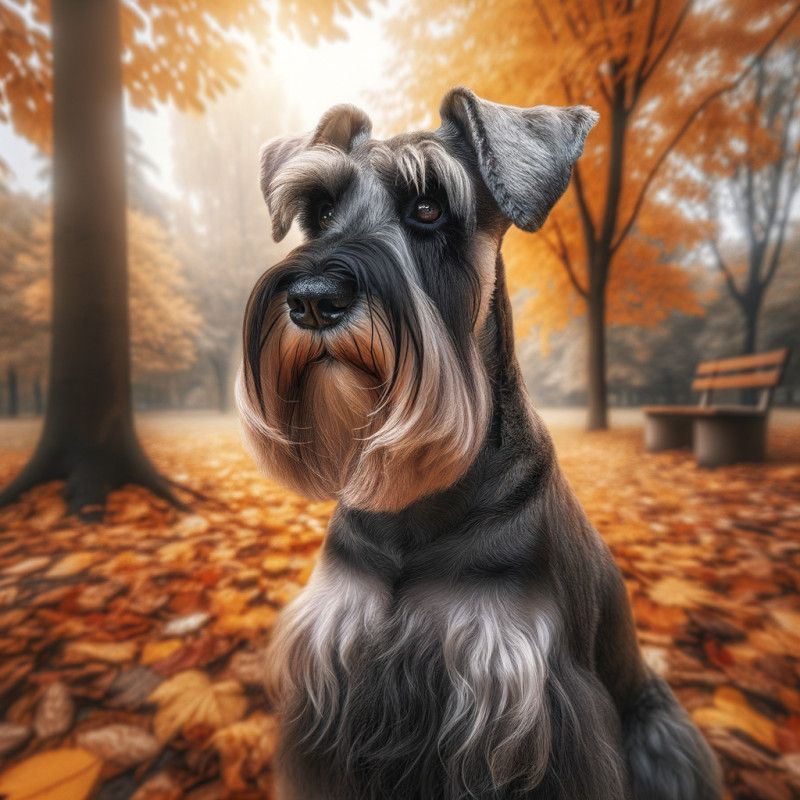
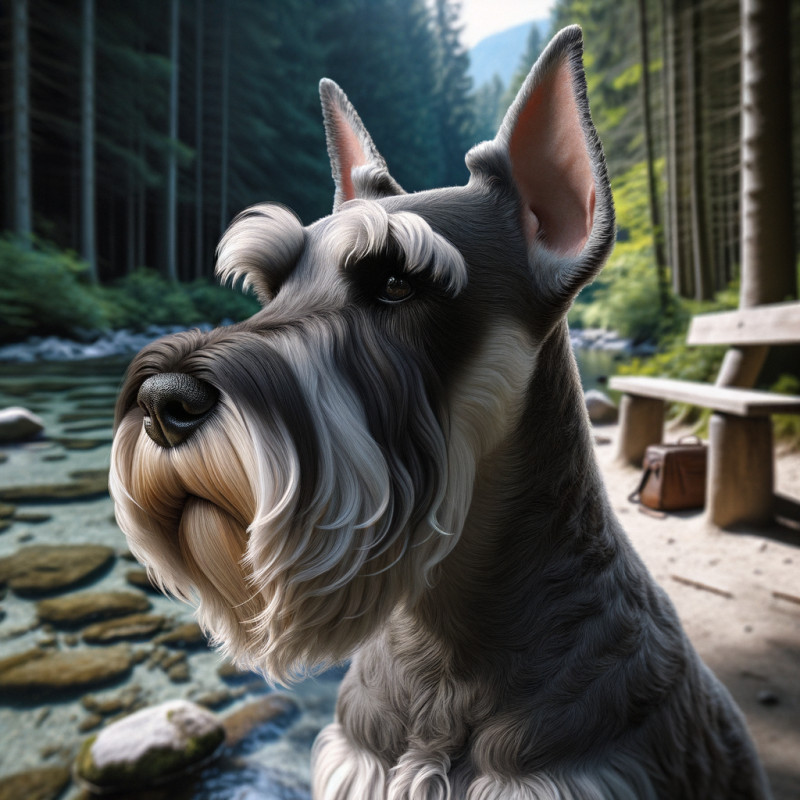
The mittelshnauzer is a medium-sized dog breed known for its sturdy build and distinctive appearance. They typically stand between 17 to 20 inches tall at the shoulder and weigh around 25 to 35 pounds. Their wiry double coat comes in various colors, including black, salt and pepper, and black and silver. The breed is characterized by its bushy eyebrows, beard, and prominent, wiry mustache, giving them a unique and striking look. With a square-shaped body, strong legs, and alert expression, mittelshnauzers are easily recognizable and exude a sense of confidence and intelligence.
Health and Lifespan
A healthy Mittelschnauzer typically has a lifespan of 12-15 years. Regular exercise, a balanced diet, and routine veterinary check-ups are crucial in maintaining their overall well-being. Common health issues include hip dysplasia, cataracts, and a genetic predisposition to certain cancers. Responsible breeding practices aim to minimize the risk of hereditary conditions. Early detection of health problems through screenings and proactive management can help extend the Mittelschnauzer's lifespan and ensure a good quality of life. Owners should prioritize preventative care, vaccination schedules, and proper grooming to support their beloved companion's health and longevity.
Family Compatibility
Mittelshnauzers are known for their strong bond with family members and their natural protective instincts, making them excellent companions for active families. Their playful nature makes them well-suited for homes with children, but early socialization is key to ensure they get along well with other pets. Their alert and intelligent demeanor means they are quick to adapt to various household routines and can excel in training sessions. Mittelshnauzers thrive on regular exercise and mental stimulation, so families who enjoy engaging their dog in activities such as agility training or interactive play will find this breed to be a loyal and devoted family member.
Exercise Needs
Mittelshnauzers require daily exercise to maintain their physical and mental well-being. They thrive on activities such as brisk walks, runs, and interactive play sessions. Engaging in agility training or obedience classes can also provide the mental stimulation they need. Providing opportunities for off-leash play in a secure area is beneficial, as they enjoy exploring and expending their energy. Regular exercise not only helps them stay fit but also prevents behavioral issues that may arise from pent-up energy. Overall, incorporating a variety of physical and mental activities into their routine will keep mittelshnauzers happy and healthy.
Diet and Feeding
Mittelshnauzers require a balanced diet consisting of high-quality dog food, including protein, fats, carbohydrates, vitamins, and minerals. Feeding schedules should be consistent, with recommended portions based on age, size, activity level, and health. Treats can be given in moderation but should not exceed 10% of their daily caloric intake. Fresh water should always be available. Avoid feeding them human food, as it can lead to digestive issues. Consulting with a veterinarian for dietary recommendations specific to your mittelshnauzer's individual needs is crucial for their overall health and well-being.
Living Environment
The Mittelschnauzer is best suited for living in homes with ample indoor space and access to a secure outdoor area for exercise. They thrive in environments where they can be active and engaged, requiring daily walks and playtime. These intelligent and energetic dogs can adapt to various living situations but do best in homes with owners who can provide them with regular mental and physical stimulation. Due to their protective nature, they make excellent watchdogs and are loyal companions, forming strong bonds with their families. As long as their exercise and social needs are met, Mittelschnauzers can happily live in urban or rural settings.
Grooming
Mittelshnauzers have a double coat that requires regular grooming to maintain their distinctive look. They should be brushed at least twice a week to prevent mats and tangles, with regular bathing every 6-8 weeks. In addition to brushing, their coats should also be hand-stripped a few times a year to help maintain the proper texture. Regular grooming of the mittelshnauzer includes trimming the hair around the ears, feet, and tail to keep them looking tidy. Overall, mittelshnauzers require moderate maintenance to keep their coat healthy and looking its best.
Training and Intelligence
These dogs are highly intelligent and eager to please, making them relatively easy to train. Consistent and positive reinforcement techniques work best with them, as they tend to respond well to praise and rewards. Mittelsnauzers excel in various training activities, including obedience, agility, and even therapy work. Their alert and attentive nature allows them to quickly pick up on commands and tasks, making them versatile and trainable companions for various purposes. Due to their intelligence, Mittelsnauzers thrive on mental stimulation and may become bored or destructive without proper training and engagement.
Exercise and Activity Requirements
Exercise and Activity Requirements:
The breed is highly energetic and requires regular exercise to stay healthy and happy. Daily walks, playtime, and mental stimulation are crucial to prevent boredom and behavioral issues. Engaging in activities like running, hiking, or agility training can help burn off excess energy. A fenced yard is ideal for them to roam and explore safely. Interactive toys and puzzles are also recommended to keep their minds sharp. Overall, providing a balance of physical and mental stimulation is key to meeting the exercise needs of this spirited breed.
Socialization
Socialization is crucial for these intelligent, spirited dogs to thrive. Early exposure to various people, animals, and environments helps prevent shyness or aggression. Mittelschnauzers are sociable but may exhibit territorial behavior if not properly socialized. Positive interactions with strangers, other dogs, and different settings are key to raising a well-adjusted Mittelschnauzer. Regular socialization activities, such as visits to the dog park, obedience classes, and supervised playdates, are recommended to ensure they develop into confident, well-mannered companions. Consistent, positive social experiences from puppyhood through adulthood are essential to fostering a friendly, outgoing Mittelschnauzer.
Lifespan
The average lifespan of this breed ranges between 12 to 15 years when provided with proper care, nutrition, and regular exercise. It is essential to maintain regular veterinary check-ups and address any potential health issues promptly to ensure a long and healthy life for these dogs. Additionally, a balanced diet, plenty of mental and physical stimulation, and a loving environment can contribute to extending their lifespan and overall well-being.
Common Behavioral Issues
Common behavioral issues seen in this breed include stubbornness, territorial guarding, and a tendency towards dominance if not properly trained and socialized from a young age. Mittelschnauzers can also exhibit excessive barking, especially when bored or under-exercised. Separation anxiety may be an issue for some individuals, leading to destructive behaviors when left alone for extended periods. This breed thrives on mental stimulation and physical activity, so providing adequate exercise and training is essential to prevent behavioral issues from arising. Consistent, positive reinforcement-based training methods are recommended to address and prevent these common behavioral issues in mittelschnauzers.
Special Considerations
When considering bringing a mittelschnauzer into your family, it's essential to note their high intelligence and need for mental stimulation. Regular training sessions and engaging activities are crucial to prevent boredom and destructive behavior. Additionally, their wiry double coat requires regular grooming and hand-stripping to maintain its texture and prevent matting. Mittelschnauzers also thrive on human companionship and may exhibit separation anxiety if left alone for extended periods. Providing them with plenty of exercise, socialization, and mental challenges will ensure a happy and well-adjusted mittelschnauzer.
Guardian Instincts
Mittelshnauzers are known for their strong guardian instincts, making them excellent watchdogs and protectors. Their alert and fearless nature allows them to quickly assess and respond to potential threats, making them a loyal and reliable companion for their owners. This breed is naturally protective of their family and territory, often exhibiting a strong sense of suspicion towards strangers or unfamiliar situations. Mittelshnauzers possess a natural instinct to defend and safeguard their loved ones, making them a popular choice for individuals seeking a devoted and vigilant guardian dog.
Allergies and Shedding
Mittelshnauzers are hypoallergenic dogs with a low shedding coat, making them a suitable choice for individuals with allergies. Their wiry, dense double coat requires regular grooming to prevent matting and maintain cleanliness. With proper care and grooming, mittelshnauzers can minimize allergens in their surroundings and help allergy-prone individuals enjoy the companionship of a dog without the typical issues associated with shedding. Regular brushing and occasional trims will help keep their coat in top condition and reduce the likelihood of shedding around the home, making these dogs a popular choice for allergy sufferers.
Cost of Ownership
The cost of owning a mittelschnauzer varies depending on factors such as breeder reputation, location, and lineage quality. Initial expenses may include purchasing from a responsible breeder, which can range from $800 to $2,000, and essential supplies such as bedding, food, and grooming tools can cost around $200 to $500. Annual medical expenses like vaccinations, routine check-ups, and flea prevention can total approximately $500 to $1,000. Additionally, grooming costs for this breed, considering their double coat, may require professional grooming sessions every 6-8 weeks, amounting to $400 to $800 annually. Overall, the total yearly cost of owning a mittelschnauzer can amount to around $1,200 to $2,800.
Availability and Adoption
The Mittelschnauzer breed can be found in various animal shelters, rescue organizations, and breed-specific rescues, making them available for adoption by individuals looking to provide a loving home for these intelligent and energetic dogs. Additionally, reputable breeders may have Mittelschnauzer puppies available for adoption, ensuring potential owners have options when seeking to welcome this versatile and loyal breed into their families. Proper research and understanding of the breed's needs are essential to ensure a successful adoption process and a harmonious life together. Consider reaching out to breed clubs and rescue groups for guidance and assistance in finding a Mittelschnauzer to adopt.
Famous Examples
Famous Examples: The Mittelschnauzer breed has gained popularity in various fields, with notable examples including Fancy von Burliton, a famous therapy dog known for providing comfort to hospital patients, and Max the Mittel, a social media sensation with a large following due to his charming demeanor and playful antics. Additionally, Black Beauty, a beloved character in literature, is often associated with the Mittelschnauzer's distinctive appearance and loyal nature. These famous examples showcase the breed's versatility, intelligence, and unique characteristics that continue to captivate dog enthusiasts worldwide.
Questions & Answers
1) Is the mittelshnauzer a good fit for families or first-time owners?
Mittelshnauzers can be a good fit for families, as they are loyal, playful, and affectionate. However, they do best in homes with older children who understand how to interact with dogs. First-time owners may find mittelshnauzers manageable if they are willing to put in time for training and socialization.
2) How much exercise and daily care does a mittelshnauzer require?
Mittelshnauzers are an active breed that require daily exercise to stay healthy and happy. They benefit from both mental and physical stimulation and will need regular walks, playtime, and training sessions. Additionally, their wiry coat needs regular grooming and trimming to prevent matting.
3) What health issues are common in mittelshnauzer?
Mittelshnauzers are generally a healthy breed, but they can be prone to certain health issues such as hip dysplasia, eye problems, and autoimmune disorders. Regular veterinary check-ups and a healthy diet can help mitigate these risks.
4) Are mittelshnauzers good with other pets?
Mittelshnauzers can get along well with other pets if properly socialized from a young age. However, they have a strong prey drive, so early socialization and supervision are important, especially with smaller animals.
5) Do mittelshnauzers shed a lot?
Mittelshnauzers have a double coat that sheds minimally. Regular grooming and clipping of the coat help reduce shedding and prevent matting. They are considered a hypoallergenic breed, making them a good choice for individuals with allergies.
6) What is the typical temperament of a mittelshnauzer?
Mittelshnauzers are known for their spirited, alert, and intelligent nature. They are loyal to their families and make excellent watchdogs due to their tendency to alert to any changes in their environment. Proper training is essential to channel their energy and prevent any potential behavior issues.
7) How big do mittelshnauzers typically get?
Mittelshnauzers are a medium-sized breed, standing around 17-20 inches tall at the shoulder and weighing between 25-35 pounds. They are sturdy and well-proportioned dogs with a distinctive beard and eyebrows that give them a unique appearance.