
Lapponian Herder - Complete Breed Guide
Lapponian Herder - Complete Breed Guide
Breed Overview
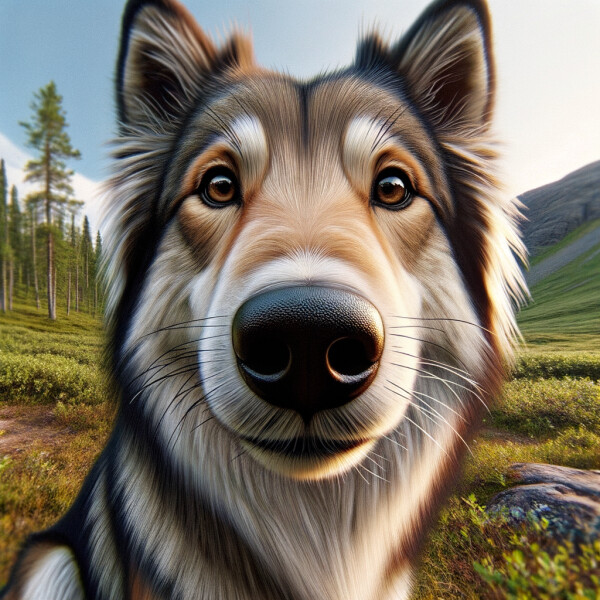
Originating from the Arctic region, this breed is known for its exceptional herding skills and strong work ethic. Lapponian Herders are medium-sized dogs with dense coats that provide protection in cold climates. They are intelligent, energetic, and eager to please, making them highly trainable for various tasks. With a friendly and loyal nature, they make excellent family companions but require plenty of exercise to stay happy and healthy. Known for their versatility, Lapponian Herders excel in herding, agility, obedience, and as therapy dogs, showcasing their adaptability and all-rounded capabilities in various roles.
Adoption & Local Availability
If you’re looking to bring a lapponian herder into your home, there are several ways to find one available for adoption. Below are options to explore both local availability and general listings.
Size and Appearance
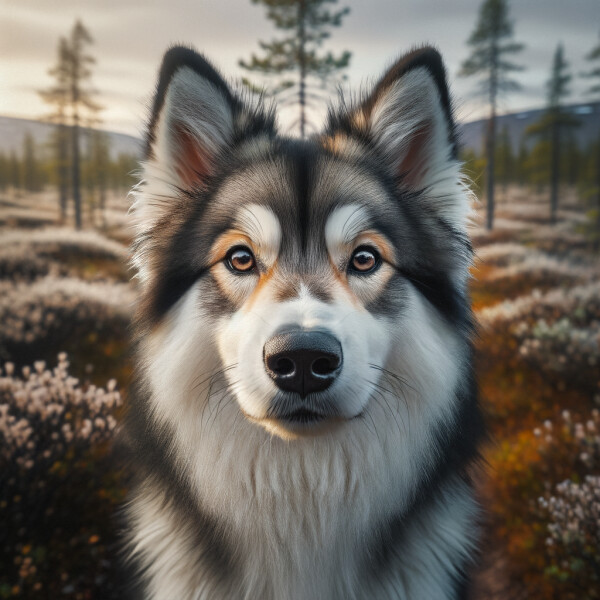
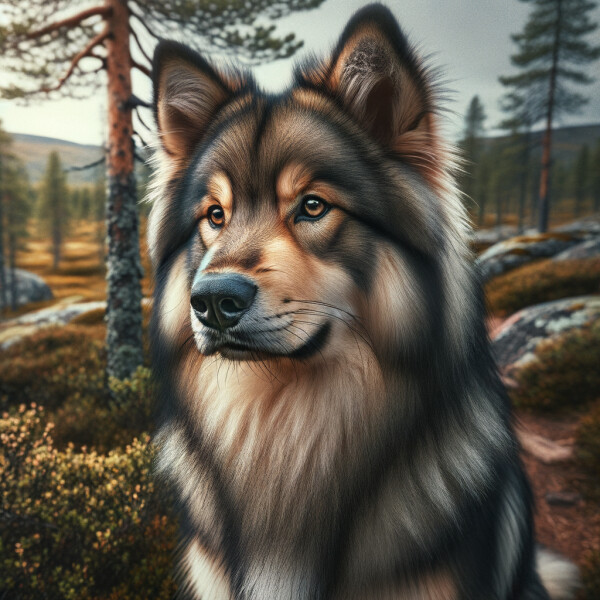
The Lapponian Herder is a medium-sized dog with a strong and muscular build. They have a double coat with a harsh outer coat and a soft undercoat, providing insulation against the cold weather in their native Lapland. Their dense fur can be black, black and tan, or shades of grey. They have a broad head with expressive almond-shaped eyes and erect triangular ears. This breed has a bushy tail that curls over their back and a keen, intelligent expression. Overall, the Lapponian Herder exudes strength, agility, and endurance in its size and appearance.
Health and Lifespan
These dogs are generally healthy with a lifespan of 12-14 years. Like all breeds, they may be prone to certain health issues such as hip dysplasia, eye problems, and allergies. Maintaining a balanced diet, regular exercise, and routine vet check-ups are essential in ensuring their overall health and well-being. By providing proper care and attention, owners can help their furry companions live a long and happy life, free from major health concerns commonly associated with this breed.
Family Compatibility
With their loyal and affectionate nature, this breed thrives in a family environment and forms strong bonds with all members. Lapponian herders are known to be gentle and patient with children, making them excellent companions for families with kids. Their intelligence and adaptability allow them to easily integrate into various family dynamics, showing unwavering devotion and love towards their human pack. Providing plenty of mental and physical stimulation is key to keeping these dogs happy and well-adjusted within a family setting. Overall, the Lapponian herder's loving temperament and sociable personality make them an ideal choice for families seeking a devoted and friendly canine companion.
Exercise Needs
Lapponian Herders are an active and energetic breed that require daily exercise to keep them mentally and physically stimulated. They excel in activities such as agility, herding trials, obedience training, and even long hikes. Providing them with opportunities to run, play, and explore is essential to prevent boredom and potential behavioral issues. A minimum of 60 minutes of moderate to high-intensity exercise per day is recommended to keep these intelligent and agile dogs happy and healthy. Regular exercise not only helps maintain their physical well-being but also strengthens the bond between the dog and their owner.
Diet and Feeding
Known for their high energy levels, staying mindful of a Lapponian Herder's diet and feeding regimen is crucial in maintaining their health and vitality. This breed thrives on a balanced diet consisting of high-quality protein to support their muscular build, supplemented with healthy fats for sustained energy. It's essential to portion control to prevent obesity, considering their tendency to overeat. Additionally, providing a mix of vegetables and fruits can offer essential vitamins and minerals. Regular feeding times and access to fresh water are essential aspects of caring for these active and agile working dogs.
Living Environment
The Lapponian Herder is a highly adaptable breed that thrives in various living environments, including apartments, urban settings, and rural areas. These dogs are known for their moderate exercise needs and can be content with daily walks and playtime. However, they do require mental stimulation to prevent boredom and destructive behaviors. Ideally, they should have access to a securely fenced yard where they can roam and explore. Additionally, early socialization and training are important to ensure that they are well-behaved and comfortable in different surroundings, making them a great choice for both active families and individuals living in different settings.
Grooming
Lapponian Herders have a weather-resistant double coat that requires regular grooming to keep it in top condition. Weekly brushing is essential to prevent matting and remove loose fur, especially during shedding seasons. Bathing should be done as needed using a mild dog shampoo to maintain coat cleanliness. Pay close attention to the ears, nails, and teeth, ensuring they are clean and trimmed regularly to prevent health issues. Additionally, regular grooming sessions serve as a bonding opportunity between the dog and the owner, promoting a positive relationship and a sense of well-being for the pet.
Training and Intelligence
Training and intelligence are integral to effectively working with this breed, known for their sharp minds and eagerness to learn. Lapponian Herders excel in obedience training and thrive on mental stimulation. They are quick learners who respond well to positive reinforcement techniques. Consistency and patience are key when training these intelligent dogs, as they are sensitive to harsh treatment. Due to their herding background, Lapponian Herders have a strong work ethic and problem-solving abilities, making them highly trainable for various activities such as agility, obedience, and herding trials.
Exercise and Activity Requirements
Lapponian Herders are an active and energetic breed, requiring ample daily exercise to stay physically and mentally healthy. They thrive in environments where they can engage in various activities such as hiking, running, or agility training. Daily walks or runs are essential to meet their exercise needs, and providing them with interactive toys or puzzles can help stimulate their intelligent minds. Engaging in activities that challenge their physical abilities and mental acuity will ensure a happy and well-balanced Lapponian Herder, making them wonderful companions for individuals or families with an active lifestyle.
Socialization
Socialization is crucial for these dogs to develop into well-rounded companions. Expose them to various people, animals, environments, and situations from an early age to prevent shyness or aggression. Sufficient socialization helps them build confidence, learn proper behavior, and adapt to new experiences without fear. Encourage positive interactions to foster a friendly and sociable temperament. Regular socialization throughout their lives ensures they remain comfortable and relaxed in diverse settings, making them excellent family pets and reliable working partners. Remember, early and continuous socialization is key to raising a happy and adaptable canine companion.
Lifespan
The average lifespan of the Lapponian Herder breed ranges between 12 to 15 years when provided with proper care, nutrition, and regular exercise. Genetics, environment, and overall health can also impact their longevity. Regular veterinary check-ups, a balanced diet, and mental stimulation can contribute to ensuring a healthy and fulfilling life for these loyal and intelligent dogs. Additionally, early detection and treatment of any potential health issues can help prolong their lifespan and enhance their quality of life.
Common Behavioral Issues
Common behavioral issues in Lapponian Herders may include excessive barking, herding instincts leading to nipping at heels, and independence resulting in stubbornness during training. These energetic and intelligent dogs require mental and physical stimulation to prevent boredom and subsequent destructive behaviors. Socialization from an early age can help mitigate potential aggression towards strangers or other animals. Proper leadership and consistent positive reinforcement training methods are essential to manage their strong-willed nature and prevent potential behavior problems. Establishing clear boundaries and engaging them in regular activities will help channel their energy positively and foster a harmonious relationship between the dog and their family.
Special Considerations
When considering bringing a Lapponian Herder into your home, it is important to remember that they are an active and intelligent breed that thrives on mental stimulation and physical exercise. Due to their herding instincts, they may try to herd family members or other pets, so early socialization and training are crucial. Their thick double coat requires regular grooming to prevent matting and shedding, especially during seasonal changes. Additionally, given their high energy levels and need for companionship, they may not do well if left alone for extended periods of time and may exhibit behavior problems if not given enough attention and activity.
Guardian Instincts
Lapponian Herders possess strong guardian instincts, deeply loyal and protective of their family. With a watchful eye and attentive nature, they excel at alerting their owners to any potential threats or intruders. Their innate sense of responsibility makes them reliable watchdogs who will not hesitate to act when needed. While they may be reserved or aloof with strangers, they are fiercely devoted to those they love, making them an ideal choice for families seeking a trustworthy and vigilant companion to keep them safe and secure.
Allergies and Shedding
Allergies and Shedding:
The herding breed originating from Finland is known for its double coat that sheds seasonally. While the soft undercoat keeps them warm in cold climates, it does result in occasional shedding. Potential owners with allergies should take note that these dogs are not hypoallergenic due to their shedding nature. Regular grooming, including brushing to remove loose fur, can help minimize the amount of hair shed around the house. Additionally, maintaining a clean living environment and keeping up with grooming routines can further reduce the likelihood of allergic reactions for sensitive individuals.
Cost of Ownership
When considering the cost of owning a Lapponian Herder, prospective owners should allocate funds for high-quality dog food, grooming supplies for their double coat, regular vet check-ups, and training classes to satisfy their intelligent and active nature. Additionally, budgeting for toys and activities to keep them mentally stimulated and physically active is essential, as well as potential expenses for professional grooming services and occasional boarding or pet sitting. Emergency medical care and pet insurance should also be factored into the overall cost of ownership, ensuring a happy and healthy life for this energetic and loyal breed.
Availability and Adoption
These loyal and energetic Finnish herders are usually found in their country of origin, with limited availability in other parts of the world. Those interested in adopting a Lapponian Herder may need to be patient and prepared to search extensively to find a reputable breeder. Due to their rare status, potential adopters should be ready to potentially be put on a waiting list or consider adopting from a rescue organization. It's important to thoroughly research breeders and ensure they prioritize health, temperament, and proper socialization of their dogs.
Famous Examples
Famous Examples: The Lapponian Herder breed has gained recognition for their versatile skills in various dog sports, with notable examples like Lumi Catori, a champion in agility competitions showcasing the breed's agility and intelligence. Additionally, Lumi's offspring, Luna Nordic, excels in herding trials, highlighting the breed's natural herding instincts and strong work ethic. These famous Lapponian Herders exemplify the breed's exceptional athletic abilities and strong drive to excel in various canine activities.
Questions & Answers
1) Is the Lapponian Herder a good fit for families or first-time owners?
Lapponian Herders are excellent family dogs and can be a good fit for first-time owners as long as they are committed to providing proper training and exercise.
2) How much exercise and daily care does a Lapponian Herder require?
Lapponian Herders are an active breed that require plenty of exercise, including daily walks, playtime, and mental stimulation. They also need regular grooming to maintain their double coat.
3) What health issues are common in Lapponian Herders?
Common health issues in Lapponian Herders include hip dysplasia, progressive retinal atrophy, and patellar luxation. Regular vet check-ups and a healthy diet can help prevent these issues.
4) Are Lapponian Herders good with children and other pets?
Lapponian Herders are known for their gentle and friendly nature, making them great companions for children. They can also get along well with other pets if properly socialized from a young age.
5) What is the typical temperament of a Lapponian Herder?
Lapponian Herders are intelligent, energetic, and loyal dogs. They are known for their herding instincts and may exhibit a tendency to try to herd family members or other pets.
6) Do Lapponian Herders require a lot of training?
Due to their high intelligence and herding instincts, Lapponian Herders benefit from early socialization and consistent training. Positive reinforcement methods work well with this breed.
7) What is the average lifespan of a Lapponian Herder?
On average, Lapponian Herders live between 12 to 14 years. Providing proper care, exercise, and regular vet check-ups can help prolong their lifespan.