
King Shepherd: Complete Breed Guide, Care & Health Tips
Breed Overview
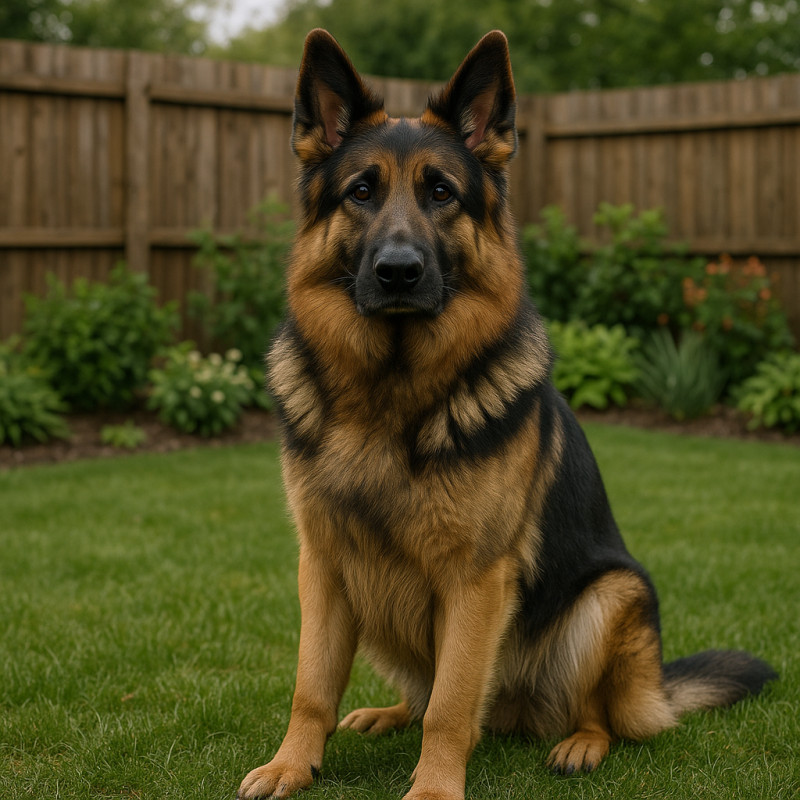
Large, stately working dog developed in the United States by crossing German shepherds with larger northern and guardian breeds to create a taller, more robust herding and family guardian; males commonly stand in the high‑20s to low‑30s inches at the shoulder and weigh 80–140 pounds. The coat is dense and weather resistant, shedding seasonally and requiring regular brushing. Temperament is intelligent, loyal, trainable and protective but gentle with children when properly socialized. Needs substantial daily exercise and mental work; excels in herding, obedience and search roles. Lifespan about 10–13 years; watch for hip/elbow dysplasia, degenerative myelopathy and bloat.
Temperament
Large, intelligent and devoted, this herding-type dog is confident, loyal and naturally protective of family and home; it bonds closely with handlers, is affectionate with children, and excels as a guardian rather than an aggressive watchdog. High drive, alertness, and strong herding instincts demand consistent leadership, early socialization, firm but positive training, and abundant mental and physical stimulation to prevent boredom and nuisance behaviors. Eager to please and highly trainable, it can be reserved or cautious with strangers and may show dominance toward unfamiliar dogs without proper exposure. Best for active, experienced owners able to provide structure and exercise.
Size and Appearance
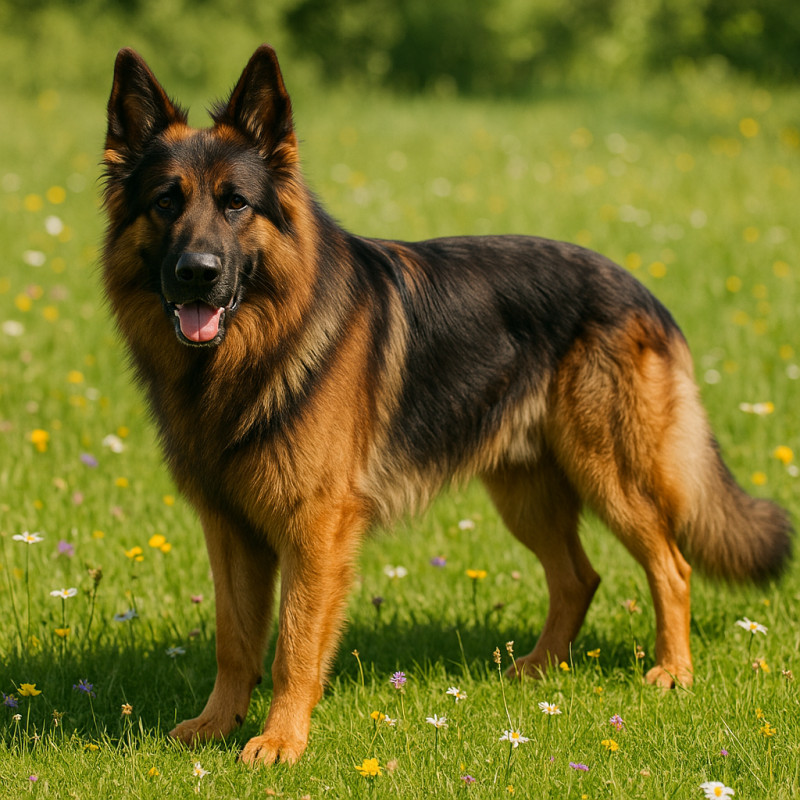
The dog is a large, well-muscled, well-balanced herding-type, standing 25–34 inches at the shoulder and weighing 80–140 pounds, males noticeably larger than females. The head is noble with a broad skull, strong muzzle, and expressive almond-shaped eyes; medium to large erect or semi-erect ears. Coat is double, medium to long, dense and weather-resistant with feathering on legs, chest and tail; colors include sable, black and tan, bi-color, brindle and white markings. Angulated hindquarters, deep chest, straight topline and powerful, ground-covering gait convey strength, agility and working endurance.
Health and Lifespan
Large, robust shepherd-type dogs average a 9–13 year lifespan and face typical giant-breed concerns: hip and elbow dysplasia, degenerative myelopathy, progressive retinal atrophy, gastric dilatation-volvulus (bloat), and occasional heart or thyroid disorders; allergies and skin issues occur. Responsible breeding plus orthopedic radiographs (OFA/PennHIP), cardiac evaluation, ophthalmologic exams, and DNA tests for known mutations reduce risk. Lifespan and quality improve with balanced growth feeding, controlled exercise, joint supplements as needed, routine vet care, prompt treatment of illnesses, weight management, and bloat-prevention measures (multiple small meals, cautious exercise around feeding).
Family Compatibility
Affectionate, loyal and protective, these large, energetic dogs thrive in active families who provide firm, consistent leadership and early socialization. Excellent with children when supervised and taught boundaries; size and exuberance can overwhelm toddlers. Strong herding instincts may nip or chase; not ideal with small pets unless raised together. High exercise and mental stimulation needs suit outdoorsy households; poor match for apartment living. Moderate-to-heavy shedding and regular grooming required. Because of protective nature, training in obedience and controlled exposure to strangers prevents over-guarding; experienced owners who can commit time and leadership fare best.
Exercise Needs
Very large, athletic herding dogs require daily vigorous exercise—typically 60–120 minutes—blending long walks or runs, off‑leash play, hiking, structured fetch and swimming with high‑value obedience, agility, herding or scent work to exhaust body and mind; without stimulation they become bored and destructive. Puppies need short, frequent sessions and delayed high‑impact activity until growth plates close (12–18 months). Include mental enrichment: training games, puzzle feeders, advanced tricks. Rotate activities, warm up and cool down, monitor joints and weight, and adjust intensity for seniors. Consistent routine and owner involvement keep them balanced, confident and well‑mannered. Ideal for active families and working homes.
Diet and Feeding
Large, athletic dogs need a balanced diet rich in high-quality animal protein (22–28% for adults, higher for growing pups), moderate fat (10–18%), and controlled calcium/phosphorus for rapid-growth periods; feed large-breed puppy formulas to reduce orthopedic risk. Portion by caloric needs and body condition score, not breed-standard weight, adjusting for activity; typical adult intake 1,800–3,000 kcal/day depending on size and work. Divide meals twice daily, puppies more frequently, supply fresh water. Use measured commercial diets or balanced raw/home-cooked plans vetted by a veterinary nutritionist; supplement with glucosamine and omega-3s as needed, avoid overfeeding and toxic foods.
Living Environment
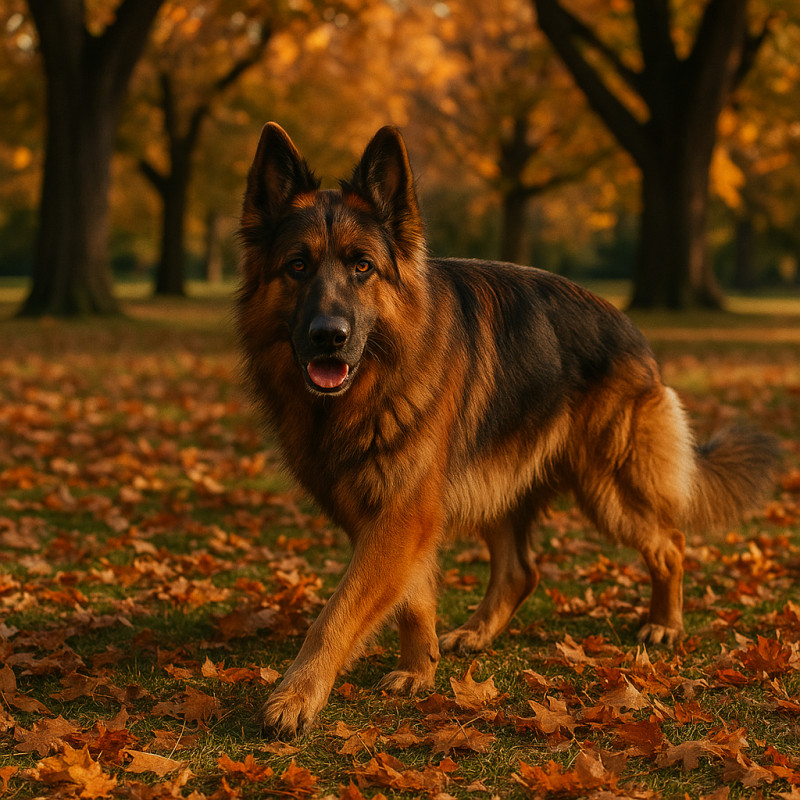
Large, intelligent herding dogs thrive in homes with ample space, a securely fenced yard and daily vigorous exercise; they are best suited to active families, farms or owners who can provide long walks, runs, play, agility or herding work and consistent mental stimulation. Apartment living is possible only for dedicated owners who supply hours of exercise and training each day. They adapt to most climates but need shelter from extremes and seasonal grooming. Social, loyal and protective, they prefer being part of family life rather than isolated outdoors; proper socialization, containment, enrichment and fencing are essential for safety and well‑being.
Grooming
Medium-to-large herding dogs have a dense double coat with coarse guard hairs and a soft undercoat that sheds seasonally; routine grooming prevents mats and skin issues. Brush weekly and daily during seasonal blowouts using a slicker brush, undercoat rake and wide-tooth comb; use a deshedding tool for heavy shedding. Bathe only as needed (about every 6–8 weeks) with gentle shampoo, trim feathering and sanitary areas, and avoid shaving unless medically necessary. Check and clean ears weekly, trim nails every 3–4 weeks, brush teeth weekly, inspect skin for hotspots and parasites, and acclimate puppies to grooming early with positive reinforcement.
Training and Intelligence
Large, highly intelligent, and eager-to-please, this working dog learns quickly and excels in obedience, herding, agility, service and protection work; training should be consistent, firm yet positive, with early socialization to prevent aloofness or herding nipping. Mental stimulation and varied tasks reduce boredom and destructive behavior, while short sessions, clear leadership and high‑value rewards maximize progress. Leash manners and reliable recall are essential given size and prey drive. Advanced tasks benefit from experienced handlers; crate training, boundary work and impulse-control exercises build stability. With patient, structured training these dogs become versatile, dependable lifelong partners.
Exercise and Activity Requirements
Very high-energy, working-type dogs require daily physical and mental exercise—plan on at least 60–120 minutes of activity for adults, combining brisk walks, off‑leash running or play, hiking, and structured sports (agility, herding, tracking, flyball). Mental stimulation is equally crucial: obedience, scent games, puzzle feeders, and task-based training prevent boredom and destructive behavior. Puppies need short, low-impact sessions and no repetitive high-impact exercise until growth plates close (about 12–18 months); seniors benefit from gentler mobility work. A securely fenced yard, consistent leash manners and socialization, weather-appropriate precautions, and varied routines keep these dogs balanced, happy and fit.
Socialization
Early, structured socialization is essential for this large, intelligent working dog: begin gentle, positive exposure to people, children, other dogs, animals, noises and varied environments during the 3–14 week critical period and continue consistently through adolescence and adulthood. Use reward-based introductions, supervised puppy classes, controlled play with vaccinated dogs, and gradual desensitization to men, loud sounds, vehicles and livestock to prevent fearfulness, stranger- or dog-directed reactivity and territorial guarding. Practice handling, grooming and car trips, teach calm greetings and reliable recall, and consult a trainer or behaviorist promptly if persistent anxiety, resource guarding or aggression appears.
Lifespan
Average lifespan commonly falls between about 9 and 13 years, with many individuals reaching their early teens; longevity is shaped by genetics and breeder selection, body size (larger dogs often have shorter lives), nutrition, activity level, weight management and preventive veterinary care. Heritable conditions that most affect lifespan and quality of life include hip and elbow dysplasia, degenerative myelopathy, osteoarthritis, certain cardiac and eye disorders and risk of bloat; minimizing these risks involves choosing health-screened parents, routine vet exams, appropriate exercise, controlled feeding, dental care, parasite control, sensible neuter timing and tailored senior support.
Common Behavioral Issues
Large high drive working dogs commonly show separation anxiety, destructive chewing, and escape attempts when left alone; boredom often triggers obsessive behaviors, excessive barking, and digging. Strong herding instincts cause nipping, chasing small animals, and rounding up people, while territorial protectiveness can appear as distrust or reactivity toward strangers and unfamiliar dogs. Without consistent, early training they may display resource guarding, leash reactivity, and dominant testing. Sensitivity to harsh correction can lead to fear or shutdown, so positive, firm leadership, abundant exercise, mental enrichment, and early socialization are essential to prevent and manage these behavioral problems.
Special Considerations
Large, high-energy working dogs require committed owners: early socialization, consistent positive training, and lifelong mental stimulation to channel strong herding and protective drives; expect heavy seasonal shedding and weekly grooming, watch body condition and feed for controlled growth to reduce joint issues. Pre-adopt screening and ongoing vet care should target hip and elbow dysplasia, bloat risk, degenerative myelopathy and eye disorders; consider genetic testing, controlled exercise after meals, and appropriate joint supplements. They do best with active families or farms, secure tall fencing, predictable routines to prevent separation anxiety, and an experienced handler for leadership.
Guardian Instincts
Bold, naturally protective instincts make this dog a reliable family guardian: alert and watchful, it monitors territory, gives a clear vocal warning at unfamiliar sights or sounds, and stands between loved ones and perceived threats. Confident and courageous rather than aggressive, it relies on size, deep bark, and calm assertiveness to deter intruders. Strong bonding and intelligence mean training, consistent leadership, socialization and controlled introductions are essential to prevent over-protectiveness or resource guarding. With proper exercise and clear rules it balances vigilance with gentleness around children and visitors, thriving when given meaningful work and purpose.
Allergies and Shedding
This large, double-coated working dog is not hypoallergenic: abundant dander and saliva trigger reactions and shedding is moderate to heavy year-round with intense seasonal “blowouts” as the dense undercoat is shed. Regular grooming—daily brushing during seasonal sheds, 2–3 times weekly otherwise—plus undercoat rakes, slicker brushes and deshedding tools reduces loose hair and mats; professional grooming every 6–12 weeks helps. Bathe only as needed (roughly monthly) with skin-friendly shampoo, maintain a balanced diet (omega fatty acids) and parasite control to minimize excessive loss; vacuuming, HEPA filters, washable bedding, dog-free bedrooms and allergy testing/medical advice are key for sensitive households.
Cost of Ownership
Initial purchase or adoption ranges widely—$200–$3,000 depending on breeder vs. rescue—plus one‑time setup costs of $500–$1,200 for crate, bed, leash, training, and basic supplies; high‑quality kibble for a large, active dog typically runs $60–$120/month, with annual routine vet care (vaccines, preventives, exams) $300–$600 and dental/diagnostics extra; grooming (regular brushing, occasional professional trims) and joint supplements add modest recurring expense; training and socialization classes $100–$500; insurance $40–$100/month can mitigate major medical bills like hip/elbow surgery or bloat interventions; lifetime ownership commonly totals roughly $15,000–$40,000 over 10–13 years.
Availability and Adoption
Rare, relatively new, primarily bred in North America with small pockets abroad; limited reputable breeders and long puppy waitlists make puppies scarce and costly, while occasional adults appear via specialty rescue groups or general shelters. Prospective owners should prioritize health-tested parents (hips/elbows, eyes, cardiac), documented socialization/training, clear contract and lifetime return policy, and avoid backyard breeders; verify breeder references and visit facilities. Local and national breed-rescue organizations, herding and working-dog networks, and reputable shelters are best adoption sources; expect geographic relocation or travel and possible placement fees.
Famous Examples
High-profile individuals are rare; recognition stems from influential foundation lines developed by early breeders in the U.S. and Canada whose standout males and females established temperament and structure standards still referenced today. Breed representatives have appeared in films and television, served as search-and-rescue, therapy and service dogs, and excel in herding, agility, obedience and protection sports, often noted for versatility and trainability. Prominent kennels and award-winning show dogs have acted as ambassadors for responsible breeding and rescue networks; a handful of celebrity owners and social-media ambassadors have further raised public awareness and demand.
Questions & Answers
1) Is the king shepherd a good fit for families or first-time owners?
King Shepherds are typically excellent family dogs: loyal, affectionate, and protective with children when properly socialized. For first-time owners they can be a good fit only if the owner is committed to consistent training, socialization, exercise, and managing a very large dog. Their size, strength and energy make them more demanding than many breeds, so inexperienced owners should be prepared to invest time (or work with a trainer) and provide structure.
2) How much exercise and daily care does a king shepherd require?
They need substantial daily activity—plan on 60–120 minutes of physical exercise (walks, jogging, play, or herding/work-style activities) plus mental stimulation (training, puzzle toys, scent work). Daily interaction, basic obedience practice, and regular grooming (see grooming answer) are also required. Without sufficient exercise and mental work they can become bored and develop unwanted behaviors.
3) What health issues are common in king shepherd?
Common concerns include hip and elbow dysplasia, degenerative myelopathy, bloat (gastric dilatation-volvulus), certain eye conditions (e.g., progressive retinal issues), and thyroid problems. Responsible breeders screen breeding stock with hip/elbow evaluations (OFA/PennHIP), eye exams, and health-clearance testing when available. Good nutrition, maintaining healthy weight, appropriate exercise, and prompt veterinary care reduce risk and detect problems early.
4) What is the typical size and lifespan of a king shepherd?
King Shepherds are a very large breed. Typical height ranges roughly 25–34 inches at the shoulder and weights commonly fall between about 75–140+ pounds depending on sex and build. Lifespan is usually around 9–13 years, with individual variation based on genetics, diet, exercise and healthcare.
5) How do king shepherds behave around children and other pets?
When raised and socialized properly they tend to be gentle and protective with children and bond closely with family members. Supervision with very young children is recommended due to the dog's size. With other dogs they usually get along well if socialized early; however, their herding/guardian instincts or higher prey drive in some individuals can make introduction to small animals (cats, small pets) require careful, gradual management and training.
6) What grooming and maintenance needs do king shepherds have?
They have a dense double coat that sheds seasonally. Brush 2–4 times weekly and more frequently during heavy shedding seasons to reduce loose hair. Baths as needed (not too frequently), routine ear checks/cleaning, regular nail trims, and dental care are important. Skin and coat condition is helped by good nutrition and parasite control.
7) What living environment is best for a king shepherd?
They do best in homes with space to move—a securely fenced yard and opportunities for daily outdoor activity are ideal. They can adapt to active suburban or rural life; apartment living is possible only for extremely active owners who can meet exercise needs multiple times per day. Because of their size and protective instincts, they should live as part of the family rather than isolated outdoors.