
Japanese Terrier - Complete Breed Guide
Japanese Terrier - Complete Breed Guide
Breed Overview
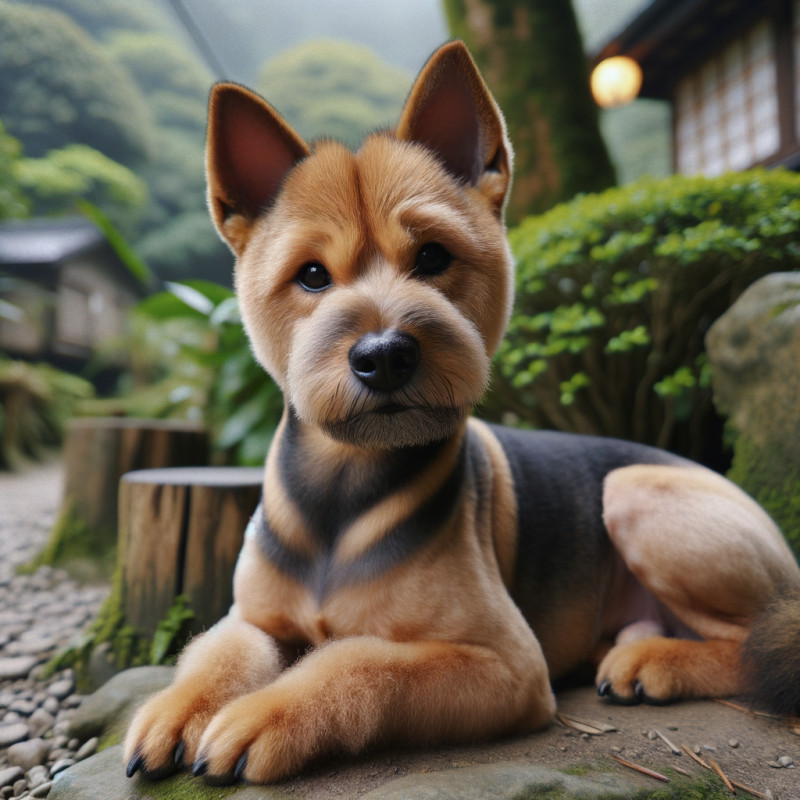
The Japanese Terrier is a small-sized dog breed known for its lively and affectionate nature. They have a sleek coat that can come in various colors, including white with black or tan markings. Energetic and intelligent, they excel in activities that stimulate them mentally and physically. This breed is loyal and bonds closely with their family members, making them great companions. Japanese Terriers are generally healthy dogs, but regular exercise and proper grooming are essential for their well-being. Additionally, early socialization and training are crucial to ensure they develop into well-rounded and well-behaved pets.
Adoption & Local Availability
If you’re looking to bring a japanese terrier into your home, there are several ways to find one available for adoption. Below are options to explore both local availability and general listings.
Size and Appearance
The Japanese Terrier is a small breed known for its elegant appearance and compact size. Typically weighing between 5-9 pounds, these dogs have a sleek, short coat that comes in a tricolor pattern of black, white, and tan. Their round, expressive eyes exude intelligence, while their ears are small and folded over. Despite their small stature, Japanese Terriers are well-proportioned and muscular, with a graceful gait that reflects their agility and energy levels. Overall, their appearance exudes a sense of alertness and vitality, making them an adorable and charming companion breed.
Health and Lifespan
These small-sized dogs are generally healthy with a lifespan of around 12-15 years. To maintain their overall well-being, regular exercise and a balanced diet are essential. Common health issues to watch for include patellar luxation, Legg-Calve-Perthes disease, and dental problems due to their small mouths. Routine vet check-ups and dental cleanings can help prevent and address any health concerns, ensuring these lively and affectionate dogs enjoy a long and happy life.
Family Compatibility
Japanese Terriers are known for their loyalty and affection towards their families, making them excellent companions. They thrive on human interaction and enjoy being included in family activities. Their playful and energetic nature makes them great pets for families with children, as they love to engage in games and activities. However, early socialization and training are crucial to ensure they get along well with other pets. Their small size and low grooming needs also make them a popular choice for families living in apartments or smaller homes. Overall, Japanese Terriers are devoted family members who bring joy and companionship to their households.
Exercise Needs
Japanese Terriers have moderate exercise needs, requiring daily walks and active play sessions to stay healthy and happy. Engaging in interactive games, agility training, and obedience exercises can help stimulate their sharp minds. Regular physical activity is essential to prevent boredom and maintain their overall well-being. Due to their energetic nature, providing mental stimulation along with physical exercise is crucial to prevent behavioral issues. It's recommended to provide a variety of activities to keep them physically and mentally fit, ensuring a well-rounded lifestyle for these lively and intelligent companions.
Diet and Feeding
Japanese Terriers thrive on a balanced diet to support their energy levels and overall health. High-quality commercial dog food tailored to their size, age, and activity level is recommended. Incorporating lean proteins, healthy fats, and complex carbohydrates is essential. Portion control is important to prevent obesity, a common issue in the breed. Fresh water should be available at all times. Treats can be given in moderation, but it's crucial not to overfeed to maintain a healthy weight. Consulting with a veterinarian for personalized dietary recommendations is beneficial for the Japanese Terrier's well-being.

Living Environment
Japanese Terriers thrive in a loving home environment that provides ample opportunities for exercise and mental stimulation. They are well-suited for both apartment living and homes with yards, as long as they receive daily walks and playtime. This breed enjoys being around their human family members and may suffer from separation anxiety if left alone for long periods. A comfortable indoor space with cozy bedding and toys is essential for their well-being. Additionally, Japanese Terriers appreciate routine and structure in their living environment, which helps them feel secure and content.
Grooming
When it comes to grooming the Japanese Terrier, regular brushing is essential to maintain their smooth coat and minimize shedding. Weekly brushing with a slicker brush or comb can help prevent matting and remove any loose fur. Bathing should be done as needed, using a mild dog shampoo to keep their coat clean and healthy. Trimming their nails regularly is important to prevent overgrowth and potential injuries. Additionally, routine dental care, such as brushing their teeth and providing dental chews, can help maintain their oral health and prevent dental issues.
Training and Intelligence
Training a Japanese Terrier requires positive reinforcement techniques, consistency, and patience due to their intelligence and strong-willed nature. This breed quickly picks up commands and excels in obedience training, agility, and even tricks. However, they can also display independence and stubbornness, so early socialization and firm, fair training methods are essential to prevent behavioral issues. Japanese Terriers are eager to please their owners and enjoy mental challenges, making them highly trainable when approached correctly. Engaging training sessions that keep them mentally stimulated and rewarded will yield the best results with this intelligent and responsive breed.
Exercise and Activity Requirements
Japanese Terriers are energetic and lively dogs that require regular exercise to stay healthy and happy. Daily walks, playtime, and interactive activities are essential to fulfill their physical and mental stimulation needs. Engaging in agility training or obedience classes can be beneficial for their well-being. Providing opportunities for running and exploring in a safely enclosed area is also recommended. It's important to ensure a balance between exercise and rest to prevent over-exhaustion, as they have moderate energy levels. Overall, meeting their exercise requirements will contribute to a well-rounded and contented companion.
Socialization
Socialization is crucial for this breed to ensure they develop into well-rounded and confident dogs. From an early age, it is important to expose them to various environments, people, and other animals to prevent timidity or aggression. Positive interactions during the socialization period can help shape the Japanese terrier's temperament and behavior for life. Engaging in puppy classes, regular outings, and organized activities can aid in building their sociability and adaptability. Consistent socialization efforts can contribute to a happy and balanced dog that interacts positively with others in different settings.
Lifespan
Japanese Terriers typically have a lifespan of 12 to 15 years when properly cared for. Regular veterinary check-ups, a balanced diet, regular exercise, and proper grooming can contribute to their longevity. Genetics also play a role in determining an individual dog's lifespan, as some lines may have predispositions to certain health issues that can impact longevity. Providing a loving and nurturing environment, along with early detection and treatment of any health concerns, can help ensure that a Japanese Terrier lives a long and healthy life.
Common Behavioral Issues
Common behavioral issues that may arise with this breed include separation anxiety, excessive barking, and stubbornness. They are known to form strong bonds with their owners, leading to distress when left alone for extended periods. Due to their alert nature, Japanese Terriers may bark excessively, especially if not properly trained. Additionally, they can display stubborn tendencies, requiring consistent and firm training methods. Early socialization and positive reinforcement are key to addressing these behavioral issues in this intelligent and loyal breed.
Special Considerations
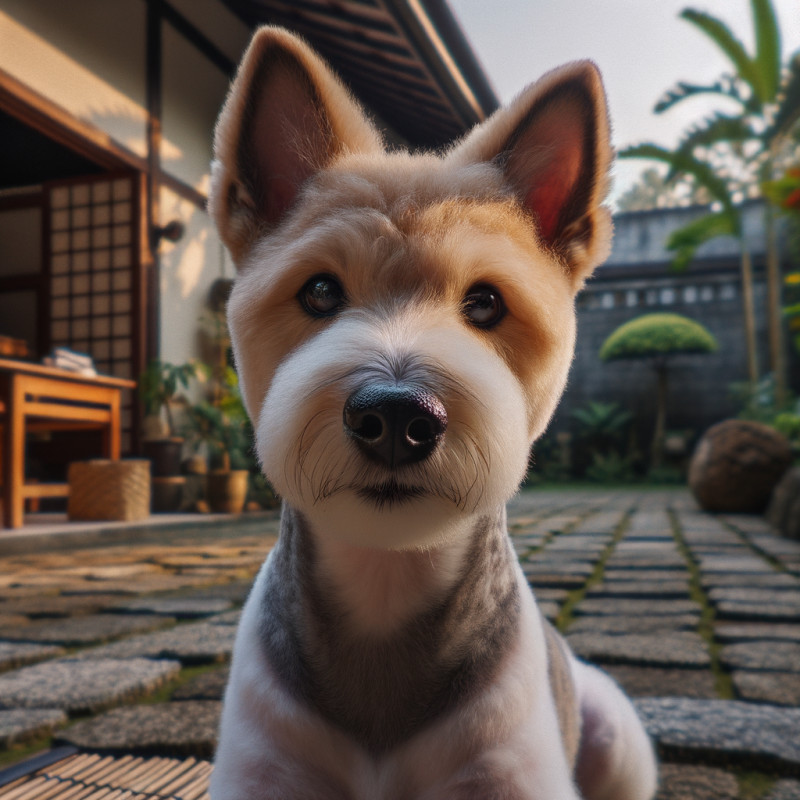
Special Considerations: The Japanese Terrier can be prone to weight gain, so it's important to monitor their diet and provide regular exercise to maintain a healthy weight. Due to their small size, they may be more susceptible to injuries when playing with larger dogs, so it's crucial to supervise their interactions. Additionally, their wiry coat requires regular grooming to prevent matting and maintain their overall appearance. Japanese Terriers thrive on human companionship and may become anxious or develop behavioral issues if left alone for long periods. Early socialization and training are essential to ensure they grow up to be well-adjusted pets.
Guardian Instincts
This breed has innate guardian instincts, which make them vigilant and protective of their family and territory. They are known to bark to alert their owners of any potential danger, making them excellent watchdogs. Despite their small size, Japanese Terriers have a fearless and courageous nature, willing to defend their loved ones if necessary. Proper socialization and training can help channel their protective instincts in a positive way, ensuring they remain well-behaved and reliable guardians for their families.
Allergies and Shedding
This breed is considered hypoallergenic due to its low shedding coat. Japanese Terriers have hair rather than fur, making them a suitable choice for allergy sufferers. Regular grooming is essential to keep their coat healthy and minimize shedding. Avoiding over-bathing and using hypoallergenic shampoos can also help maintain the skin and coat health of this breed. Additionally, providing a balanced diet rich in essential nutrients can contribute to reducing allergies commonly associated with dog breeds that shed more. Regular grooming and proper nutrition are key factors in managing allergies and shedding in this breed.
Cost of Ownership
The cost of owning a Japanese Terrier can vary depending on multiple factors, including purchase price, food, grooming, veterinary care, training, and accessories. Initial expenses such as adoption fees or purchasing from a breeder typically range from $500 to $2000. Yearly costs for food, grooming supplies, and routine veterinary care can total around $500 to $1000. Training classes and toys may add another $200 to $400 annually. Additionally, unexpected medical emergencies or specialized care can significantly impact the overall cost of ownership. It's essential to budget for both routine expenses and potential unforeseen costs to provide the best care for your furry companion.
Availability and Adoption
These small, lively dogs were historically bred in Japan for hunting and companionship, and are now a rare breed globally, making them less commonly available for adoption compared to other breeds. Prospective owners may need to put in extra effort to find a reputable breeder or rescue organization dedicated to the breed. Due to their loyal and friendly nature, Japanese Terriers can make wonderful family pets, but it's important for potential adopters to thoroughly research the breed's specific needs and characteristics before welcoming one into their home.
Famous Examples
Hachiko, a loyal dog in Japan, is a famous example universally known for his unwavering loyalty to his owner even after his owner's death. Another notable example is Mari - a therapy dog in Japan who brought comfort and joy to many people during challenging times, becoming a beloved figure nationwide. Both dogs showcase the Japanese Terrier breed's intelligence and affectionate nature, making them excellent companions and unforgettable examples of the breed's remarkable qualities.
Questions & Answers
1) Is the japanese terrier a good fit for families or first-time owners?
Yes, Japanese Terriers can make great family pets and are suitable for first-time dog owners, as they are affectionate, adaptable, and eager to please.
2) How much exercise and daily care does a japanese terrier require?
Japanese Terriers are moderately active dogs that require daily walks and playtime. They also need mental stimulation and regular grooming to keep their coat in good condition.
3) What health issues are common in japanese terrier?
Some common health issues in Japanese Terriers include patellar luxation, Legg-Calve-Perthes disease, and dental problems. Regular vet check-ups and proper care can help prevent or manage these issues.
4) What is the typical temperament of a japanese terrier?
Japanese Terriers are known for being loyal, intelligent, and playful. They can be reserved with strangers but are loving and affectionate with their family members.
5) Are japanese terriers good with children and other pets?
With proper socialization, Japanese Terriers can be good with children and other pets. They are generally friendly and enjoy being part of a pack.
6) How trainable are japanese terriers?
Japanese Terriers are intelligent and eager to please, which makes them relatively easy to train. Consistent positive reinforcement and patient training methods work best with this breed.
7) Do japanese terriers have specific grooming needs?
Japanese Terriers have a short, smooth coat that requires regular brushing to minimize shedding. They also need their ears cleaned regularly and nails trimmed as needed.