
Japanese Small Size Dog - Complete Breed Guide
Japanese Small Size Dog - Complete Breed Guide

Breed Overview
Originating from Japan, this small-sized dog breed is known for its charming and affectionate nature. These dogs are highly intelligent and eager to please, making them easy to train and suitable for novice owners. With their distinctive appearance characterized by a plush coat, erect ears, and a curled tail, they have become popular companion pets worldwide. Despite their small stature, they are robust and energetic, requiring daily exercise and mental stimulation. Their loving and loyal temperament makes them excellent family pets, forming strong bonds with their owners and getting along well with children and other animals.
Adoption & Local Availability
If you’re looking to bring a japanese small size dog into your home, there are several ways to find one available for adoption. Below are options to explore both local availability and general listings.
Size and Appearance
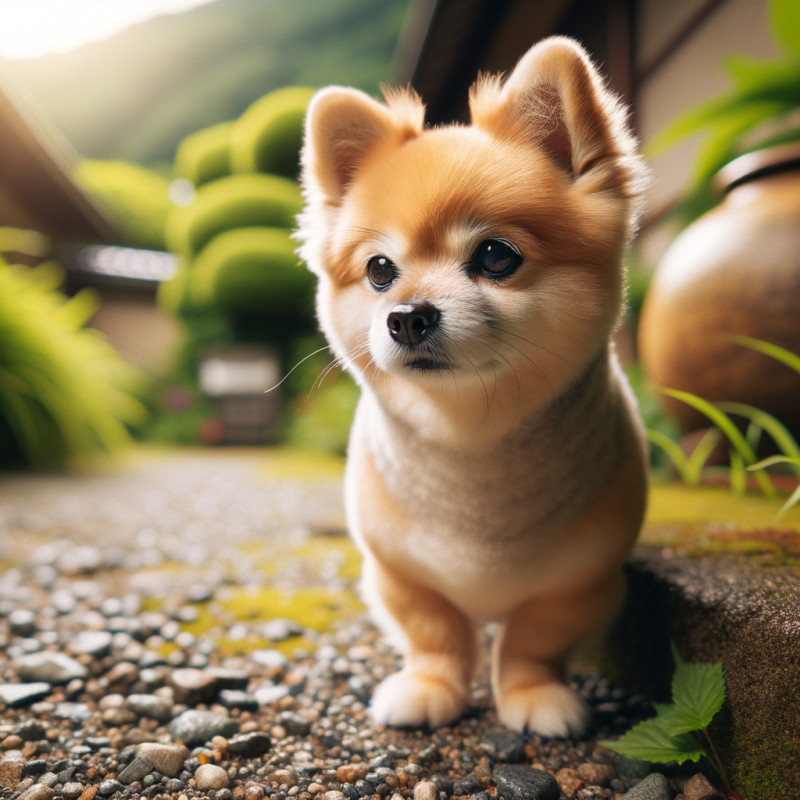
With a compact size ranging between 8 to 11 inches in height and weighing around 5 to 9 pounds, this breed is known for its diminutive stature. They possess a distinct fox-like appearance with a wedge-shaped head, small, pointed ears, and dark, almond-shaped eyes that convey a keen and intelligent expression. Their coat is typically double-layered, featuring a soft undercoat and a straight, outer coat that comes in various colors such as white, black, red, or tan. Overall, the breed's small size and charming appearance make them a popular choice for those seeking a delightful companion canine.
Health and Lifespan
These dogs are generally robust and healthy with a lifespan ranging from 10 to 16 years. To ensure their well-being, regular exercise and a balanced diet are essential. Common health issues seen in this breed include luxating patella, dental problems, and eye conditions. Regular vet check-ups, proper grooming, and dental care can help prevent these issues. Providing a loving and nurturing environment, along with mental stimulation, will contribute to a long and happy life for these small canine companions.
Family Compatibility
The Japanese small size dog breed is known for its excellent family compatibility. These dogs are loyal, affectionate, and thrive on human companionship, making them ideal for families of all sizes. They are gentle and good with children, often forming strong bonds with their family members. Their adaptable nature allows them to adjust well to different living environments, whether it's a city apartment or a suburban home. With proper socialization and training, these dogs can be wonderful additions to any family, providing love, companionship, and joy for many years to come.
Exercise Needs
Despite their small size, these dogs have moderate exercise needs. Daily walks and interactive play sessions are essential to keep them mentally and physically stimulated. Engaging in activities like fetch or agility training can help burn off their energy. It's important to provide them with regular exercise to prevent boredom and behavioral issues. Keep in mind that they may not require as much exercise as larger breeds, but consistent physical activity is crucial for their overall well-being and happiness.
Diet and Feeding
Japanese small size dogs thrive on a balanced diet tailored to their size and energy levels. High-quality dog food rich in protein, essential fatty acids, vitamins, and minerals is essential for their health. Portion control is crucial to prevent obesity, a common issue in small breeds. Owners should avoid feeding them table scraps and monitor their calorie intake to maintain a healthy weight. Fresh water should be available at all times, and occasional treats can be given in moderation. Consulting with a veterinarian for personalized feeding guidelines is recommended to ensure the dog's nutritional needs are met.

Living Environment
These small dogs thrive in apartment living as they are well-suited to indoor environments. They are adaptable and can comfortably live in small spaces, making them ideal for city dwellers. However, regular walks and playtime in a securely fenced yard are necessary to provide mental stimulation and exercise. Their living environment should be kept warm and cozy, as they are sensitive to cold temperatures. Additionally, ensuring they have access to a comfortable bed or blanket-lined crate will help them feel safe and secure in their living space.
Grooming
Grooming is a crucial aspect for this breed due to their long, straight coat that requires regular brushing to prevent matting and tangling. Bathing should be done on an as-needed basis using a mild dog shampoo to avoid skin irritation. Regular grooming sessions provide an opportunity to check for any signs of skin issues, ear infections, or dental problems. Trimming the nails is essential for their overall health and comfort. Due to their small size, grooming should be a gentle and positive experience to build trust and ensure their well-being.
Training and Intelligence
Training and Intelligence:
Japanese small size dogs are highly intelligent and eager to please, making them relatively easy to train. They excel in obedience and agility activities, quickly picking up on commands and tricks. Consistency, positive reinforcement, and mental stimulation are key in their training. These dogs respond well to reward-based methods and crave attention from their owners. Early socialization is important to prevent any tendencies towards shyness or aggression. With proper training techniques and plenty of opportunities to exercise their sharp minds, these small dogs can reach their full potential and become well-behaved, obedient companions.
Exercise and Activity Requirements
These small dogs have moderate exercise needs, requiring daily walks and playtime to stay healthy and happy. They enjoy engaging in interactive games and activities that stimulate their minds. Regular exercise helps prevent obesity, muscular atrophy, and behavioral issues. It's important to provide a mix of physical and mental stimulation to keep them engaged and prevent boredom. Their small size makes them suitable for apartment living, but they still need regular activity to maintain their overall well-being and avoid developing destructive behaviors.
Socialization
Early socialization is crucial for these petite companions as they can be reserved or timid around strangers. Exposing them to various environments, people, and animals from a young age helps prevent fear-based aggression or excessive shyness. Positive interactions during puppyhood establish confidence and a well-rounded temperament, enhancing their adaptability in different situations throughout life. Incorporating obedience training and fun social activities ensures they grow up to be sociable, well-mannered dogs. Encouraging positive experiences with humans and other pets fosters a friendly and outgoing demeanor, making them delightful companions in any setting.
Lifespan
The lifespan of these small dogs typically ranges from 12 to 15 years, with some individuals living even longer when provided with proper care and a healthy lifestyle. Like other small breeds, they tend to live longer than larger dog breeds. Regular exercise, a nutritious diet, routine veterinary check-ups, and mental stimulation are essential for ensuring these dogs lead long and healthy lives. By providing them with a loving and suitable environment, owners can help maximize their lifespan and enjoy many years of companionship with their beloved pets.
Common Behavioral Issues
Common behavioral issues in this breed stem from their high intelligence and strong-willed nature. Japanese small size dogs may exhibit stubbornness and independence, making training challenging. They have a tendency to be aloof with strangers and may develop separation anxiety if left alone for long periods. Socialization from a young age is crucial to prevent fearfulness or aggression towards other dogs. Providing mental stimulation and consistent, positive reinforcement training can help address behavioral issues and foster a well-rounded and well-behaved companion.
Special Considerations
Special Considerations: Japanese small size dogs are prone to dental issues due to their small mouths and crowded teeth, requiring regular dental care to prevent complications. Their delicate frames make them susceptible to injuries and fractures, necessitating cautious handling and supervision, especially around children and larger pets. Due to their inherent loyalty and attachment to their owners, separation anxiety can be a common issue, requiring proper training and socialization from an early age. It's essential to provide them with a balanced diet and regular exercise to maintain their overall health and prevent obesity, a common problem in the breed.
Guardian Instincts
These small dogs possess strong guardian instincts despite their size. They are fiercely loyal and protective of their family members, often forming a deep bond with their primary caregiver. With a keen sense of alertness, they are quick to raise the alarm if they sense any potential threats or intruders. Despite their diminutive stature, these dogs will not hesitate to stand their ground and defend their loved ones when necessary. Their courageous nature and unwavering devotion make them vigilant and effective guardians in any home environment, earning them the reputation of being reliable and dependable protectors.
Allergies and Shedding
Japanese small size dogs are a hypoallergenic breed known for minimal shedding, making them a great choice for individuals prone to allergies. Their double coat sheds lightly throughout the year but requires regular grooming to prevent matting and tangling. While no dog breed is completely hypoallergenic, Japanese small size dogs produce less dander, reducing the likelihood of triggering allergic reactions. Regular baths, brushing, and grooming can help manage shedding and maintain a healthy coat, ultimately benefiting both the dog and their owner's well-being.
Cost of Ownership
The cost of owning a Japanese small size dog can vary depending on several factors. Initial expenses include purchasing the dog from a reputable breeder, which can range from $500 to $3000. Additional costs may include vaccinations, microchipping, spaying or neutering, and essential supplies like food, grooming tools, toys, and a bed, totaling around $500 to $1000 in the first year. Annual expenses such as food, grooming, routine veterinary care, and pet insurance can add up to $500 to $1000. In case of unexpected health issues or emergencies, budgeting for potential vet bills averaging $300 to $500 per incident is advisable.
Availability and Adoption
The Japanese small size dog breed is relatively rare, resulting in limited availability for adoption. Prospective owners may need to be patient in finding a reputable breeder or rescue organization that specializes in this particular breed. Due to their small size and adorable appearance, Japanese small size dogs are often in high demand, which can make adoption more challenging. However, with dedication and perseverance, individuals can successfully adopt and provide a loving forever home for these charming and loyal companions.
Famous Examples
Hachiko, a loyal Akita dog, is one of the most famous examples of Japanese small size dogs due to his legendary loyalty and heartwarming story. Another renowned example is Mari, a Chihuahua who starred in the critically acclaimed film "Tokyo Godfathers," showcasing the breed's charm and versatility. Additionally, model and actress Tinkerbell the Papillon gained fame for her fashionable appearances alongside her celebrity owner, Paris Hilton, highlighting the breed's elegance and popularity in the spotlight. These notable dogs epitomize the diverse and endearing qualities found within the Japanese small size dog breed.
Questions & Answers
1) Is the japanese small size dog a good fit for families or first-time owners?
Yes, japanese small size dogs can make great companions for families and first-time owners. They are affectionate, loyal, and adaptable.
2) How much exercise and daily care does a japanese small size dog require?
Japanese small size dogs are energetic and require regular exercise such as daily walks and playtime. They also need grooming, dental care, and regular vet check-ups.
3) What health issues are common in japanese small size dog?
Some common health issues in japanese small size dogs include patellar luxation, dental problems, and eye conditions. Regular veterinary care and proper nutrition can help prevent these issues.
4) What is the typical temperament of a japanese small size dog?
Japanese small size dogs are typically alert, intelligent, and affectionate. They can be good watchdogs due to their alert nature, but they are also known for their gentle and friendly demeanor with their families.
5) Are japanese small size dogs good with children and other pets?
With proper socialization, japanese small size dogs can be good with children and other pets. They are usually friendly and enjoy the company of their human and animal companions.
6) What are some common colors and coat types in japanese small size dogs?
Japanese small size dogs commonly have white, black, red, or brindle coats. They can have either smooth or long, flowing coats depending on the specific breed within the japanese small size category.
7) How trainable are japanese small size dogs?
Japanese small size dogs are generally intelligent and eager to please, making them trainable with positive reinforcement methods. They respond well to consistency and rewards in training sessions.