
Iceland Spitz - Complete Breed Guide
Iceland Spitz - Complete Breed Guide
Breed Overview
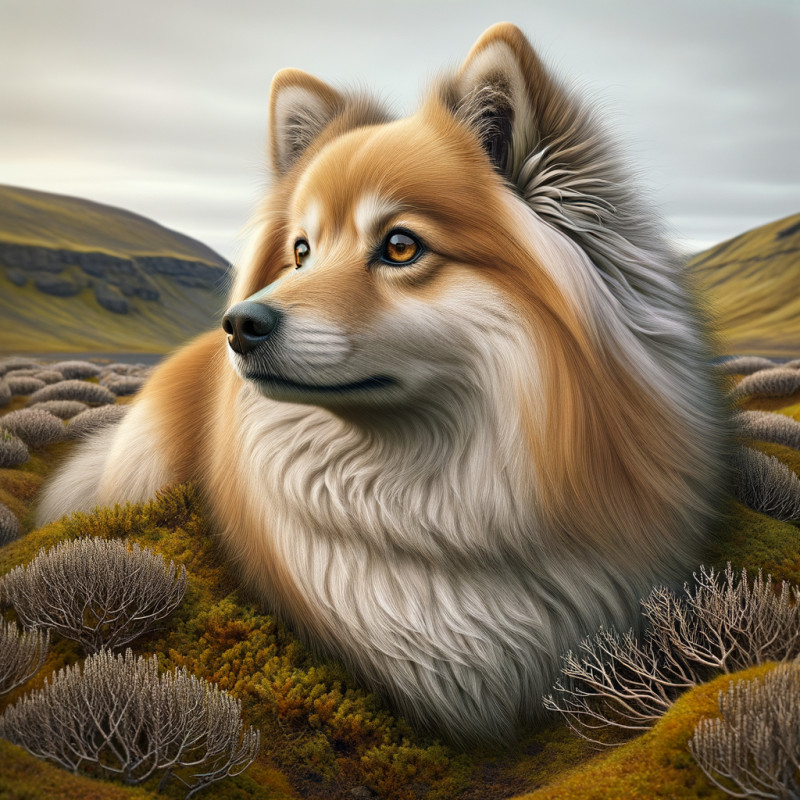
Originating from the Nordic island of Iceland, this breed is known for its strong hunting instincts and energetic nature. The Icelandic Spitz is a medium-sized dog with a double coat that comes in various shades of red, brown, and white. Their distinctive fox-like appearance includes erect ears, almond-shaped eyes, and a bushy tail carried over the back. Highly intelligent and independent, these dogs require early socialization and consistent training to thrive in a family environment. With a friendly and playful demeanor, the Icelandic Spitz makes a loyal companion and a skilled watchdog, excelling in various canine sports and activities.
Adoption & Local Availability
If you’re looking to bring a iceland spitz into your home, there are several ways to find one available for adoption. Below are options to explore both local availability and general listings.
Size and Appearance
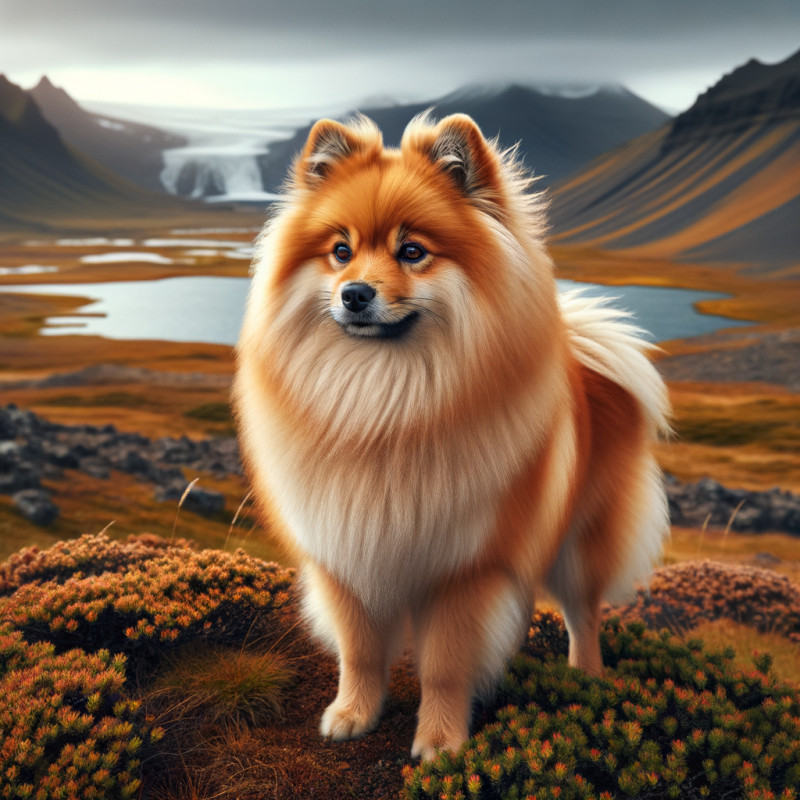
The Iceland Spitz is a small to medium-sized dog breed, typically standing around 12 to 16 inches tall at the shoulder and weighing between 20 to 30 pounds. They have a well-proportioned body with a wedge-shaped head, erect ears, and a bushy tail that curls over their back. Their double coat consists of a thick, water-repellent outer layer and a soft, dense undercoat, usually in shades of red, golden, or cream. With their fox-like appearance, alert expression, and agile build, these dogs are both elegant and sturdy in stature.
Health and Lifespan
The health of this breed is generally robust, with an average lifespan of 12-15 years when well-cared for. Common health issues may include hip dysplasia, luxating patella, and eye conditions such as cataracts and progressive retinal atrophy. Regular veterinary check-ups, a balanced diet, and sufficient exercise are essential in maintaining the health and longevity of these dogs. Proper grooming, dental care, and parasite prevention also play vital roles in ensuring the overall well-being of this breed. Early detection of any health concerns through routine screenings can help address issues promptly and effectively.
Family Compatibility
Family Compatibility: This breed is known for its affectionate and loyal nature, making them excellent companions for families. They are friendly with children and get along well with other pets when properly socialized. Their energetic and playful disposition means they enjoy participating in family activities and are always up for a game of fetch or a brisk walk. While they can be independent at times, they form strong bonds with their human family members and are eager to please. With the proper training and socialization, they make wonderful additions to households looking for a loving and spirited furry friend.
Exercise Needs
Iceland Spitz dogs have high exercise needs and thrive in an active household. Daily walks, playtime, and mental stimulation are essential to keep them happy and healthy. Engaging in activities such as fetch, agility training, and hiking can help fulfill their energy requirements. Providing ample opportunities for exercise is crucial to prevent boredom and potential destructive behavior. Regular exercise not only keeps them physically fit but also contributes to their overall well-being and mental stimulation. It is important to tailor their exercise routine to match their individual energy levels and preferences to ensure a harmonious bond between the dog and their owner.
Diet and Feeding
The diet of this breed should consist of high-quality dog food formulated for medium to large breeds. Ensure a balanced diet with appropriate nutrients to support their active nature. Portion control is crucial to prevent obesity, as they are prone to weight gain. Feeding should be divided into two meals a day to maintain energy levels and prevent digestive issues. Fresh water should always be available. Incorporate occasional treats or raw bones as rewards but avoid feeding human foods like chocolate, grapes, or onions, which can be toxic. Consulting a veterinarian for dietary recommendations tailored to individual needs is advisable.
Living Environment
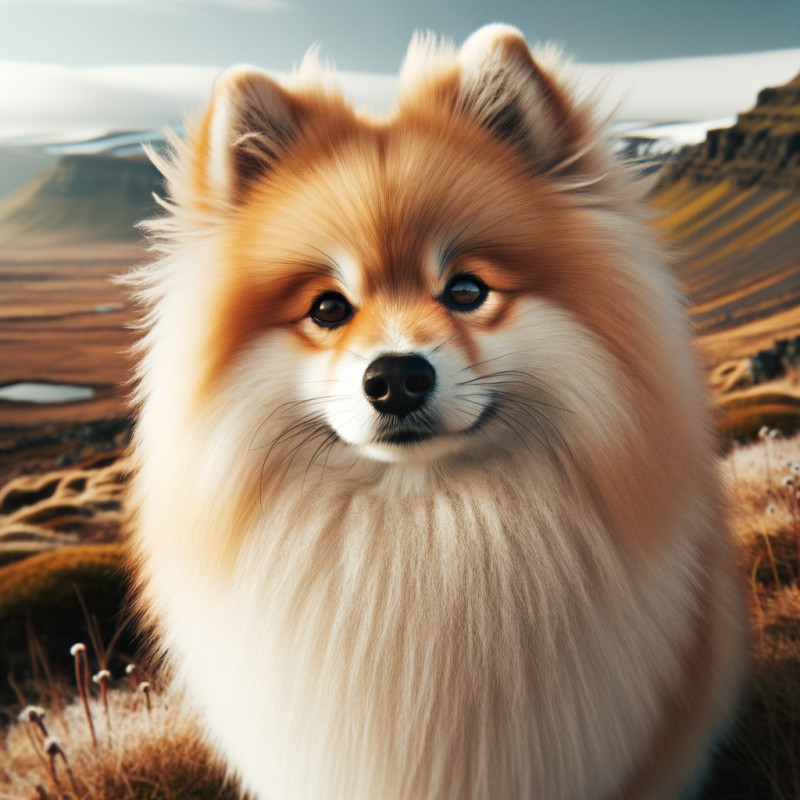
The Iceland Spitz thrives in a living environment that provides ample space for exercise and exploration, making them well-suited for both urban and rural settings. This breed enjoys being active outdoors but also appreciates a comfortable indoor space to relax. A securely fenced yard is ideal to ensure the dog's safety, as they have a tendency to wander due to their natural hunting instincts. Regular walks, interactive playtime, and mental stimulation are essential to keep the Iceland Spitz happy and healthy. Additionally, providing a cozy and warm sleeping area inside the home is important, as they enjoy being close to their human family members.
Grooming
The Icelandic Spitz has a dense double coat that requires regular brushing to prevent mats and tangles. Weekly brushing with a slicker brush helps remove loose fur and maintain the coat's natural oils. During shedding season, daily brushing is necessary to manage the heavy shedding. Bathing should be done occasionally as needed, using a gentle dog shampoo to avoid stripping the coat of its natural oils. Regular nail trimming, ear cleaning, and tooth brushing are also essential parts of the grooming routine to keep the Icelandic Spitz healthy and looking its best.
Training and Intelligence
Training and Intelligence: The breed is known for being highly intelligent, quick learners, and responsive to training. However, they can also be independent and strong-willed, requiring consistent and patient training methods. Positive reinforcement techniques work best with this breed, as they respond well to praise and rewards. Training should begin early to establish good habits and prevent any potential behavior issues. Daily mental stimulation is essential to keep them engaged and prevent boredom. With proper training and socialization, these dogs can excel in various activities, including obedience, agility, and even search and rescue work.
Exercise and Activity Requirements
Exercise and Activity Requirements: The breed thrives on physical activity and mental stimulation, requiring regular exercise to stay healthy and happy. Daily walks, play sessions, and interactive games are essential to prevent boredom and behavioral issues. Engaging in activities like agility training or hiking can fulfill their need for both physical and mental challenges. Providing a variety of exercise options is key to keeping the dog physically fit and mentally sharp. Without enough exercise, the dog may become destructive or develop health problems, so it is crucial to meet their activity requirements consistently.
Socialization
Early and consistent socialization is crucial for these friendly, outgoing dogs to ensure they are well-adjusted and confident. Exposing them to various people, animals, environments, and situations helps prevent shyness or aggression. Positive interactions during the critical socialization period (first few months of life) are essential for shaping their behavior and temperament. This process helps them develop into well-rounded companions who are comfortable in different settings and with strangers. Regular outings to different places, puppy classes, and interactions with other dogs are all excellent ways to socialize these highly sociable canines.
Lifespan
The lifespan of the Iceland Spitz breed typically ranges from 12 to 16 years when provided with proper care and a healthy lifestyle. Regular exercise, a balanced diet, routine veterinary check-ups, and a loving home environment can contribute to ensuring a longer and healthier life for these dogs. Genetics, environmental factors, and individual health conditions can also play a role in determining the lifespan of this breed. With their vibrant personality and energetic nature, Iceland Spitz can bring joy and companionship to their families for many years.
Common Behavioral Issues
Common behavioral issues seen in Iceland Spitz dogs may include excessive barking, independence, and tendency for stubbornness. These dogs are known for being vocal and will bark to communicate their emotions. They have a strong independent streak, which can make training a challenge if not approached correctly. Additionally, their intelligence can sometimes lead to stubborn behavior, requiring consistent and patient training methods. Early socialization and positive reinforcement training are crucial in addressing these behavioral issues to help Iceland Spitz dogs thrive in a domestic environment.
Special Considerations
Special Considerations: The Iceland Spitz is a high-energy breed that requires ample exercise and mental stimulation to prevent boredom and destructive behavior. Due to their independent nature, early socialization and consistent training are essential to prevent stubborn tendencies. With a thick double coat, regular grooming is necessary to keep their fur free of mats and tangles. It's important to note that Iceland Spitz may be prone to certain health issues like hip dysplasia and eye conditions, so regular veterinary check-ups are recommended to ensure their well-being. Bonus: Due to their strong prey drive, it's crucial to keep them on a leash or in a securely fenced yard to prevent them from chasing after small animals.
Guardian Instincts
Bred as loyal guardians, these dogs possess strong protective instincts, making them naturally alert and cautious when it comes to strangers or potential threats. Their keen sense of awareness allows them to quickly assess any situation and respond accordingly, often with a vocal warning bark. While they are not inherently aggressive, they will fearlessly defend their territory and family if they perceive any danger. With proper training and socialization, these watchdog tendencies can be channeled effectively to ensure a well-rounded companion that is both protective and approachable.
Allergies and Shedding
Allergies and Shedding:
The breed is known for its double coat, which sheds moderately throughout the year and heavily during shedding seasons. While the coat is relatively low maintenance, regular brushing is essential to control shedding and minimize allergens in the home. Due to their shedding nature, individuals with allergies may experience discomfort and should consider frequent grooming and potential allergy management strategies. It's important to note that despite shedding, the breed's coat serves as protection from the elements, making them well-suited for colder climates.
Cost of Ownership
The cost of owning a rare and active Nordic breed like the dog from Iceland can vary depending on various factors. Initially, acquiring a puppy from a reputable breeder can cost anywhere from $1,000 to $2,500. Additionally, annual expenses for food, grooming, and healthcare can amount to approximately $1,000 to $2,000. Other costs to consider include training classes, toys, bedding, and unexpected veterinary bills. Overall, potential owners should budget for at least $1,500 to $3,500 annually to provide a high-quality life for this unique and energetic dog breed.
Availability and Adoption
Originating from Iceland, these spitz-type dogs are a rare breed globally due to their limited population outside their home country. Those interested in adopting an Iceland Spitz may face challenges in finding available puppies due to their scarcity. Potential adopters should consider reaching out to reputable breeders, rescue organizations, or breed-specific clubs for information on any available dogs. It's crucial to be patient and proactive in the search for an Iceland Spitz, as they are not commonly found in shelter environments. Potential adopters should be prepared for a wait but can be rewarded with the unique companionship of this remarkable breed.
Famous Examples
The Icelandic Spitz has gained recognition for its intelligence and agility in various dog sports competitions. Notable examples include Loki, a skilled search-and-rescue dog who assisted in locating missing persons, and Freyja, a champion agility competitor known for her speed and precision on the course. These talented dogs showcase the breed's versatility and aptitude for excelling in a range of activities, from working roles to competitive sports. Their accomplishments highlight the Icelandic Spitz's adaptability, trainability, and innate desire to excel in any task set before them.
Questions & Answers
1) Is the iceland spitz a good fit for families or first-time owners?
Iceland Spitz can be a good fit for families with older children who understand how to interact with dogs, but they may not be suitable for first-time dog owners due to their independent and strong-willed nature.
2) How much exercise and daily care does an iceland spitz require?
Iceland Spitz are an active breed that require daily exercise and mental stimulation. They enjoy activities such as hiking, running, or agility training to keep them healthy and happy.
3) What health issues are common in iceland spitz?
Common health issues in Iceland Spitz include hip dysplasia, patellar luxation, and eye problems such as cataracts. Regular vet check-ups and a healthy diet can help prevent these issues.
4) Are iceland spitz good with other pets?
Iceland Spitz can coexist with other pets if properly socialized from a young age. Their strong prey drive may not make them suitable for households with small animals like rabbits or birds.
5) Do iceland spitz shed a lot?
Iceland Spitz have a thick double coat that sheds seasonally. Regular grooming, especially during shedding seasons, is essential to keep their coat healthy and minimize shedding around the house.
6) Are iceland spitz easy to train?
Iceland Spitz are intelligent but can be independent and stubborn, making training a challenge. Consistent and positive reinforcement training methods are recommended for this breed.
7) What is the origin of the iceland spitz breed?
The Iceland Spitz, also known as the Icelandic Sheepdog, is one of the oldest dog breeds in the world and originated in Iceland. They were used for herding livestock and were valued for their hardiness and ability to work in harsh conditions.