
Why Does My Cat Throw Up? Easy Guide to Causes, First Aid, and Prevention
Search our cat listings!
Why your cat might be throwing up
Cats vomit for many reasons, from simple hairballs or eating too fast to serious illnesses like kidney disease or intestinal blockages. Vomiting is a sign, not a diagnosis, so watching when and how it happens helps find the cause. Occasional vomiting can be normal, but repeated or severe vomiting deserves attention.
Cats near Columbus
CREAM CHEESE
Domestic Short Hair
🇺🇸
Dublin, Ohio
male, medium, adult
Domestic Short Hair
Dublin, Ohio
CAPRI
Domestic Short Hair
🇺🇸
Springfield, Ohio
female, large, baby
Domestic Short Hair
Springfield, Ohio
TRUFFLES
Domestic Short Hair
🇺🇸
Marion, Ohio
female, medium, adult
Domestic Short Hair
Marion, Ohio
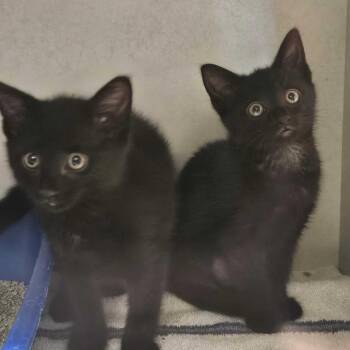
HONEYNUT
Domestic Short Hair
🇺🇸
Dayton, Ohio
female, small, baby
Domestic Short Hair
Dayton, Ohio
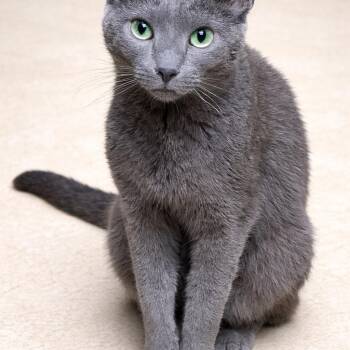
ANYA (GRACE)
Domestic Short Hair, Russian Blue
🇺🇸
Lancaster, Ohio
female, small, adult
Domestic Short Hair, Russian Blue
Lancaster, Ohio
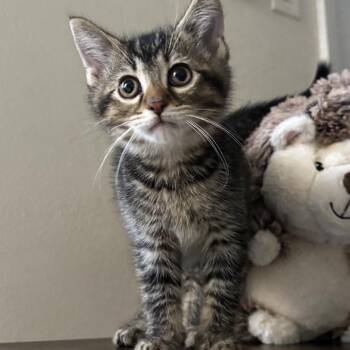
MOLE
Domestic Short Hair
🇺🇸
Springfield, Ohio
male, small, baby
Domestic Short Hair
Springfield, Ohio
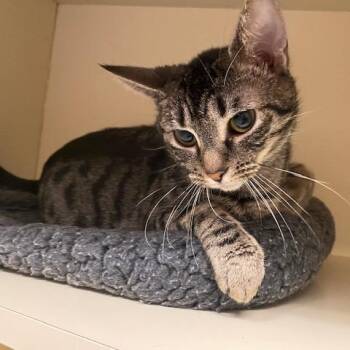
PENELOPE
Domestic Short Hair
🇺🇸
Dayton, Ohio
female, medium, young
Domestic Short Hair
Dayton, Ohio

PREMIUM
$650
REX
Ragdoll
🇺🇸
Columbus, Ohio
male, small, young
Ragdoll
Columbus, Ohio

PINTO BEAN
Domestic Short Hair
🇺🇸
Melbourne, Kentucky
male, small, baby
Domestic Short Hair
Melbourne, Kentucky
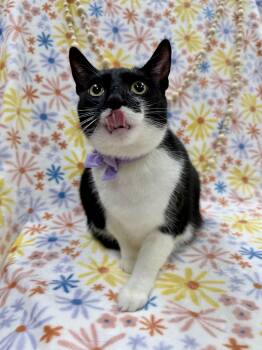
SHRIMP
Domestic Short Hair
🇺🇸
Columbus, Ohio
female, large, adult
Domestic Short Hair
Columbus, Ohio
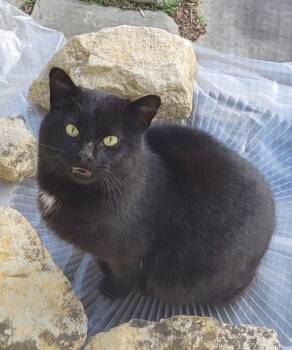
XADEN
Domestic Short Hair
🇺🇸
Dayton, Ohio
male, medium, adult
Domestic Short Hair
Dayton, Ohio

OSCAR
Domestic Short Hair
🇺🇸
Hilliard, Ohio
male, medium, adult
Domestic Short Hair
Hilliard, Ohio
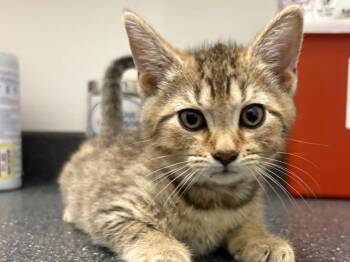
THOMAS
Tabby
🇺🇸
Powell, Ohio
male, small, baby
Tabby
Powell, Ohio
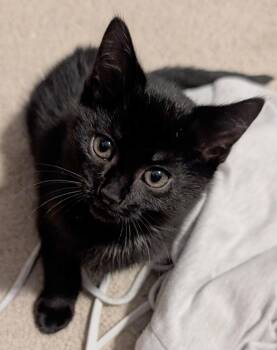
HONEYDEW
Domestic Short Hair
🇺🇸
Wadsworth, Ohio
male, medium, baby
Domestic Short Hair
Wadsworth, Ohio

MAX
Domestic Short Hair
🇺🇸
Zanesville, Ohio
male, large, senior
Domestic Short Hair
Zanesville, Ohio
SOPHIE
Tabby
🇺🇸
Powell, Ohio
female, small, young
Tabby
Powell, Ohio

SIMBA
Domestic Short Hair
🇺🇸
West Jefferson, Ohio
male, medium, adult
Domestic Short Hair
West Jefferson, Ohio
BLUEBELL
Domestic Short Hair
🇺🇸
Dublin, Ohio
female, medium, adult
Domestic Short Hair
Dublin, Ohio

MILDRED
Domestic Short Hair
🇺🇸
Hilliard, Ohio
female, medium, adult
Domestic Short Hair
Hilliard, Ohio

CHIPS
Domestic Long Hair
🇺🇸
Washington Court House, Ohio
female, large, baby
Domestic Long Hair
Washington Court House, Ohio
Is it vomiting, regurgitation, or coughing?
True vomiting is active: your cat may drool, retch, and forcefully bring up liquid, food, foam, or bile. Regurgitation is passive and usually brings up undigested, tubular food with little effort. Coughing or asthma attacks can look like trying to cough up a hairball but usually involve hacking without the typical retching of vomiting.
When you should seek emergency care
Some signs mean 'get to the vet now' because they could be life-threatening. Look for repeated vomiting, blood in vomit, severe lethargy, abdominal pain or swelling, inability to keep water down, projectile vomiting, or known exposure to toxins like lilies. If you suspect your cat swallowed string, tinsel, or a toy, get emergency help—string can cut the intestines and needs quick surgery.
Common, less serious causes
Many healthy cats vomit once in a while for simple reasons. Eating too fast, sudden diet changes, motion sickness, mild stomach upset, or hairballs from grooming are common causes. A single episode that resolves and leaves your cat bright and eating is often self-limiting, but repeat events should be logged and checked.
More serious causes to consider
Serious problems that can cause vomiting include foreign body blockages, pancreatitis, liver or kidney disease, hyperthyroidism in older cats, inflammatory bowel disease, and certain cancers. Parasites, including stomach worms that are hard to find on tests, can also cause chronic vomiting. A vet will help sort these out with tests and imaging.
What you can do at home first
If your cat had one mild episode and otherwise seems fine, try a short stomach rest and careful feeding. Remove food for about 4–6 hours (but not water), then offer small, frequent servings of a bland, digestible cat-appropriate wet food. Avoid human medicines and do not fast kittens or cats that are underweight or unwell. Keep an eye on hydration, appetite, and energy.
Red flags to watch for
- Repeated vomiting or vomiting more than once in 24 hours
- Blood or coffee-ground material in vomit
- Severe weakness, pain, or bloated belly
- Unable to keep water down or very dehydrated
- Known ingestion of toxin or string/foreign object
How vets investigate repeated vomiting
Veterinarians use a stepwise approach starting with history and exam, blood and urine tests, and fecal checks. They may try deworming and a diet trial with a novel or hydrolyzed protein for 8–12 weeks. Imaging like X-rays and ultrasound checks for blockages, organ problems, or changes in intestinal wall thickness. For chronic cases, endoscopy or biopsies can tell the difference between inflammatory disease and cancer.
Treatment options vets commonly use
Treatment depends on the cause. Antiemetic medicines prescribed by your vet can stop nausea quickly. Deworming helps if parasites are suspected. For inflammatory bowel disease, vets often try diet changes and sometimes anti-inflammatory drugs. Foreign bodies usually need endoscopy or surgery. For conditions like kidney disease or hyperthyroidism, treating the underlying disease often improves vomiting.
What the vomit can tell you
The color and content give clues. Yellow or white foam often means an empty stomach; brown, foul-smelling vomit may suggest obstruction and is urgent. Fresh red blood or digested 'coffee-ground' blood means bleeding and needs fast attention. Hairballs look like cylindrical clumps of fur but frequent hairballs deserve investigation.
Prevention and daily care
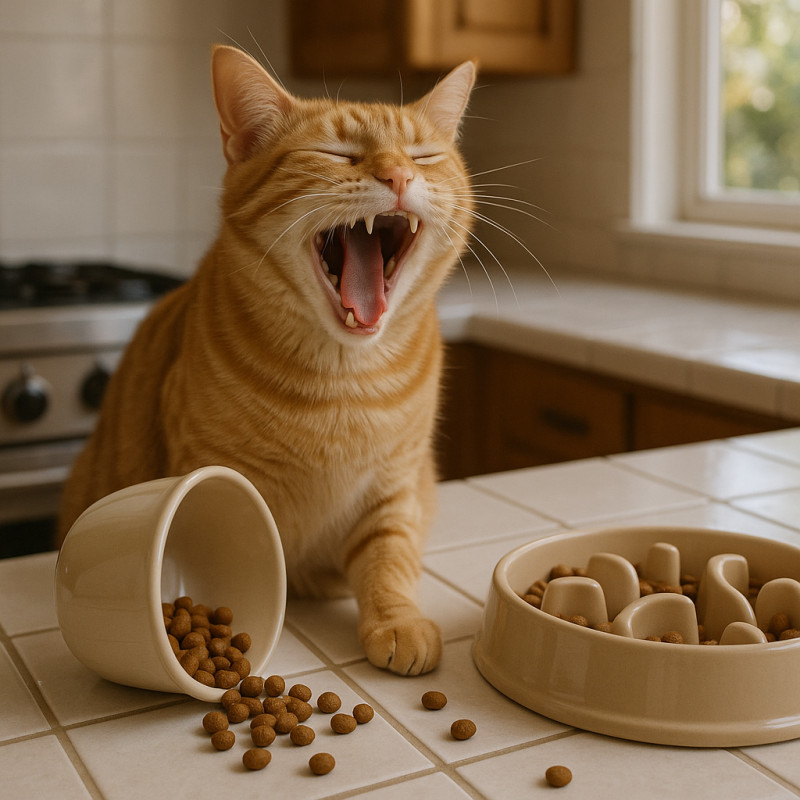
You can reduce many vomiting problems with a few simple habits. Feed slowly using puzzle feeders, spread food on a plate, or give multiple small meals. Transition any new food slowly over 7–10 days. Brush long-haired cats daily and keep them hydrated to reduce hairballs. Keep string, tinsel, hair ties, and toxic plants like lilies out of reach. Maintain regular parasite prevention and wellness checks, especially for older cats.
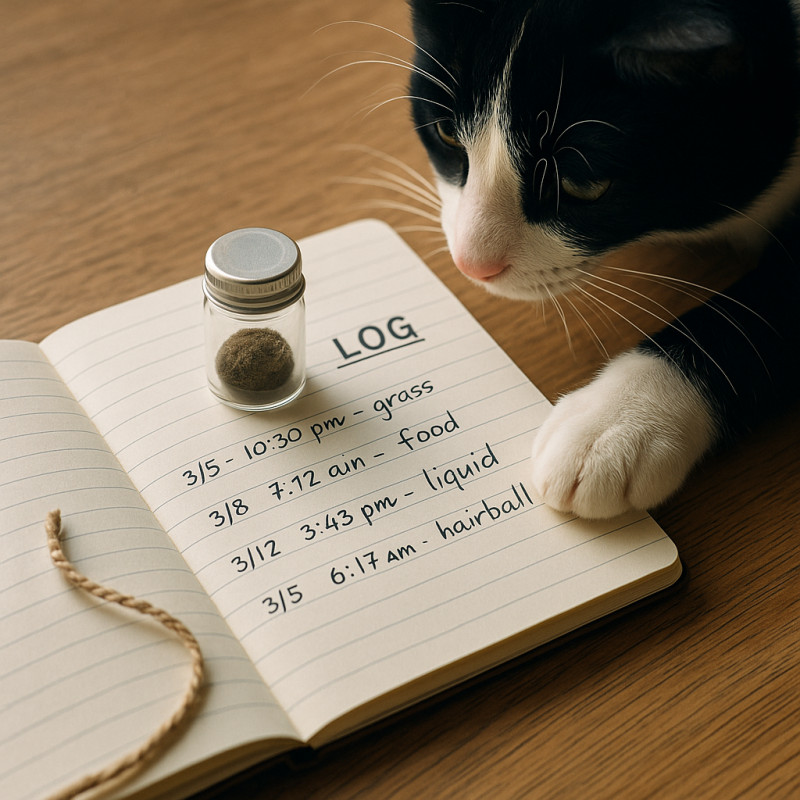
Keep a vomiting log
A short record helps your vet diagnose problems faster. Note date and time, what the vomit looked like, whether it followed a meal, and any nearby items like plants or string. Video clips of an event are very helpful because they let the vet see whether it was true vomiting, regurgitation, or a cough.
When to call the vet
Call your veterinarian if vomiting repeats, your cat is a kitten or senior, there are changes in appetite or weight, or if other signs like diarrhea, lethargy, or increased drinking appear. If red-flag signs are present, go to emergency care right away.
Bottom line
Occasional hairballs or a single bout of vomiting can be normal, but frequent or severe vomiting is not and needs veterinary attention. Early steps at home can help while you arrange care, but a structured veterinary evaluation often finds the cause and leads to effective treatment. Keeping your cat safe from toxins and foreign objects, feeding consistently, and regular grooming go a long way toward preventing problems.
Search our cat listings!
Back to pet blog