
Pet Insurance Uncovered: How to Decode Coverage Gaps and Avoid Surprise Vet Bills
Search our dog listings!
Why pet insurance matters — and why it can surprise you
Pet insurance can protect you from huge, unexpected vet bills and help you say yes to lifesaving care. But unlike human health plans, most pet policies reimburse you after you pay and they are written like property insurance, not health insurance.
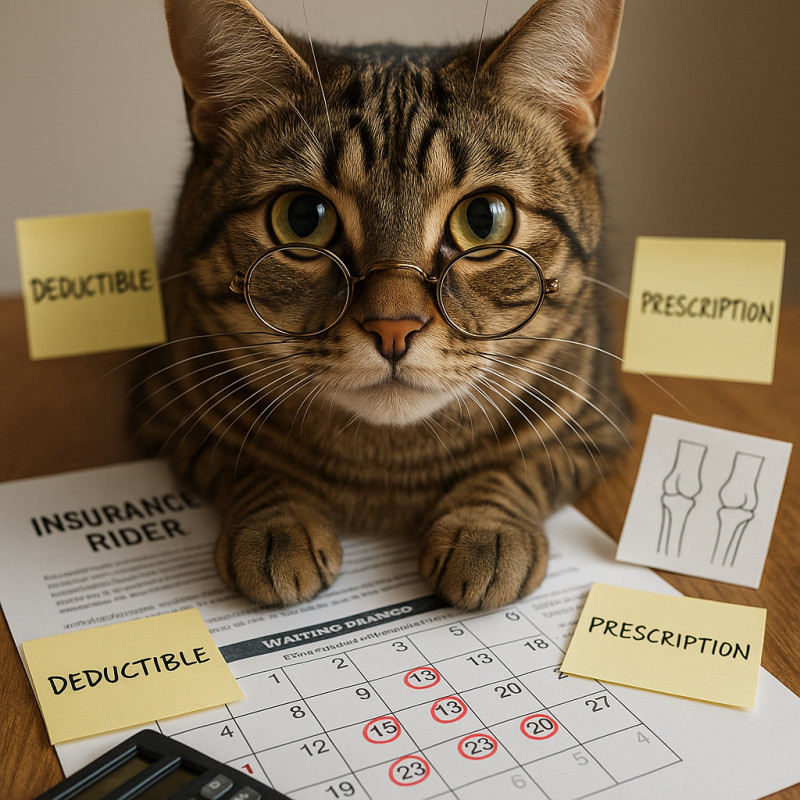
That means the fine print really matters. Waiting periods, preexisting-condition rules, deductibles, fee schedules, and small category caps can all shrink what you get back when you need it most.
Dogs near Columbus
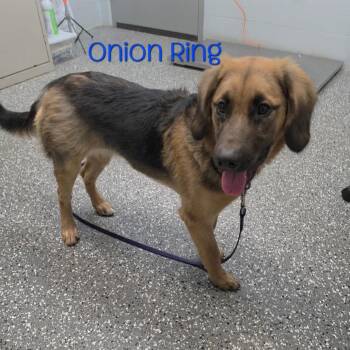
ONION RING
Shepherd, Hound
🇺🇸
Parkersburg, West Virginia
female, medium, young
Shepherd, Hound
Parkersburg, West Virginia
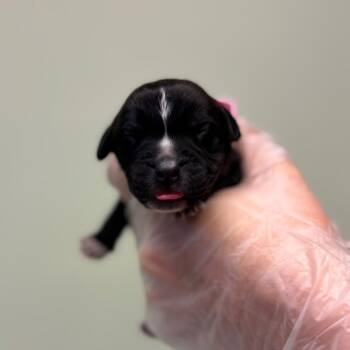
MILEY
Boxer, Mixed Breed
🇺🇸
Springboro, Ohio
female, medium, baby
Boxer, Mixed Breed
Springboro, Ohio
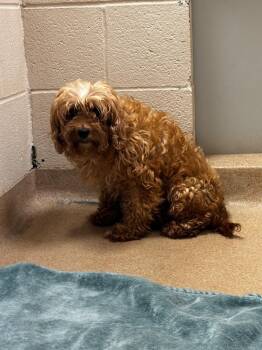
DENALI
Shih Tzu
🇺🇸
Lima, Ohio
male, small, young
Shih Tzu
Lima, Ohio
GIGGLYBELLE
Terrier
🇺🇸
Springfield, Ohio
female, large, baby
Terrier
Springfield, Ohio
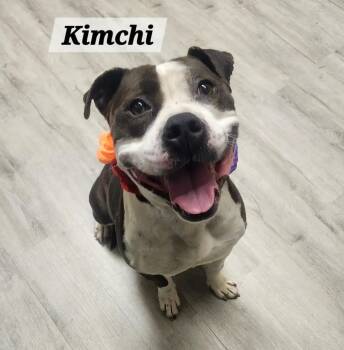
KIMCHI
Pit Bull Terrier
🇺🇸
Mansfield, Ohio
female, medium, adult
Pit Bull Terrier
Mansfield, Ohio

COURAGE
Mixed Breed
🇺🇸
Columbus, Ohio
male, medium, adult
Mixed Breed
Columbus, Ohio
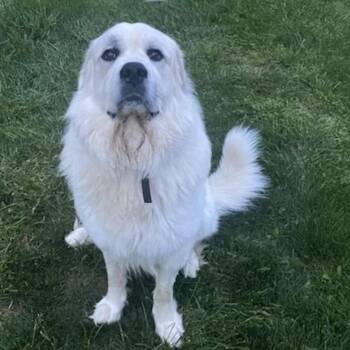
BEAR
Great Pyrenees
🇺🇸
Lancaster, Ohio
male, extra large, young
Great Pyrenees
Lancaster, Ohio
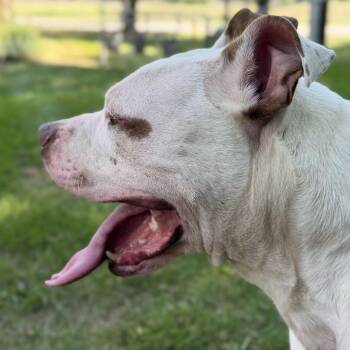
ARNOLD
American Bulldog
🇺🇸
Dayton, Ohio
male, large, adult
American Bulldog
Dayton, Ohio
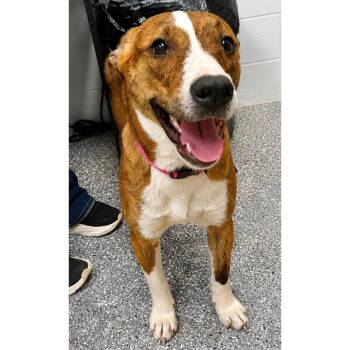
STUFFED MUSHROOM
Mixed Breed
🇺🇸
Parkersburg, West Virginia
female, medium, young
Mixed Breed
Parkersburg, West Virginia

HATTIE
Cavalier King Charles Spaniel
🇺🇸
Lima, Ohio
female, large, adult
Cavalier King Charles Spaniel
Lima, Ohio
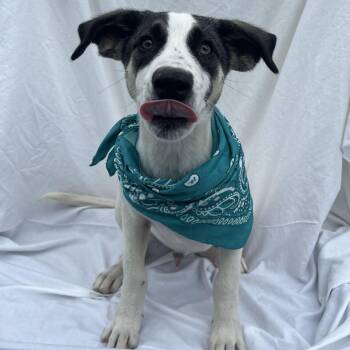
VINNIE
Mixed Breed
🇺🇸
Canal Winchester, Ohio
male, large, baby
Mixed Breed
Canal Winchester, Ohio

QUEEN
Pug, Beagle
🇺🇸
Columbus, Ohio
female, small, baby
Pug, Beagle
Columbus, Ohio
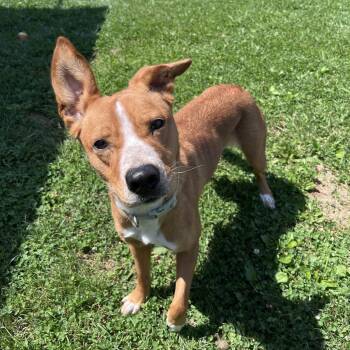
MAY
Mixed Breed
🇺🇸
West Jefferson, Ohio
female, medium, adult
Mixed Breed
West Jefferson, Ohio
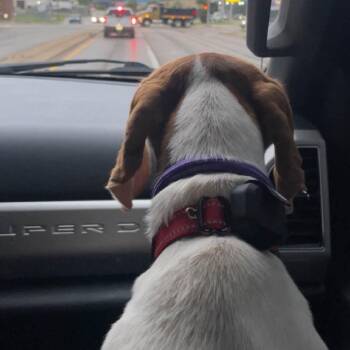
HONEY
Beagle, Mixed Breed
🇺🇸
Dayton, Ohio
female, medium, adult
Beagle, Mixed Breed
Dayton, Ohio

POLLY
Chihuahua
🇺🇸
Dayton, Ohio
female, small, adult
Chihuahua
Dayton, Ohio
MUFFIN
Mixed Breed
🇺🇸
Troy, Ohio
female, medium, young
Mixed Breed
Troy, Ohio

PREMIUM
$3000
BUSTER
Chihuahua
🇺🇸
Greenfield, Ohio
male, small, baby
Chihuahua
Greenfield, Ohio
JULY
Pit Bull Terrier, Hound
🇺🇸
Findlay, Ohio
male, medium, young
Pit Bull Terrier, Hound
Findlay, Ohio
OTIS
Golden Retriever, Labrador Retriever
🇺🇸
Zaleski, Ohio
male, medium, baby
Golden Retriever, Labrador Retriever
Zaleski, Ohio

ROBIN
Mixed Breed
🇺🇸
Canal Winchester, Ohio
female, large, baby
Mixed Breed
Canal Winchester, Ohio
What pet insurance actually is
Pet insurance is usually reimbursement-based coverage that refunds eligible costs after treatment. It is not regulated like human health insurance, so insurers can exclude preexisting conditions and set internal rules that affect payments.
There are two main policy types: accident-only plans, which are cheaper but cover only injuries, and accident & illness plans, which cover most medical problems but still have exclusions and limits. Wellness add-ons are common but act more like a prepaid benefit than true insurance.
Common ways policies cut payouts
Waiting periods and preexisting-condition definitions are the top reasons claims get reduced or denied. Symptoms noted before enrollment or during waiting periods are often treated as preexisting, even if no diagnosis existed at the time.
Some insurers treat bilateral body parts as linked. If one knee is excluded as preexisting, the other knee may later be denied under a bilateral clause. That surprises many owners after a costly surgery.
Deductible design matters a lot. Annual deductibles apply once a year, while per-incident or per-condition deductibles can multiply your out-of-pocket costs across several problems. Look closely at which you are buying.
Reimbursement math can also cut payouts. Some plans reimburse the actual invoice, but others use a fixed benefit schedule or a usual & customary cap that limits what they will pay. Even a high percentage reimbursement can apply only to a capped amount.
Policies often add sub-limits for rehab, behavioral therapy, prescriptions, or dental illness. Exam fees, prescription diets, and long-term meds are sometimes excluded unless you buy riders, so your yearly cap might not cover common recurring costs.
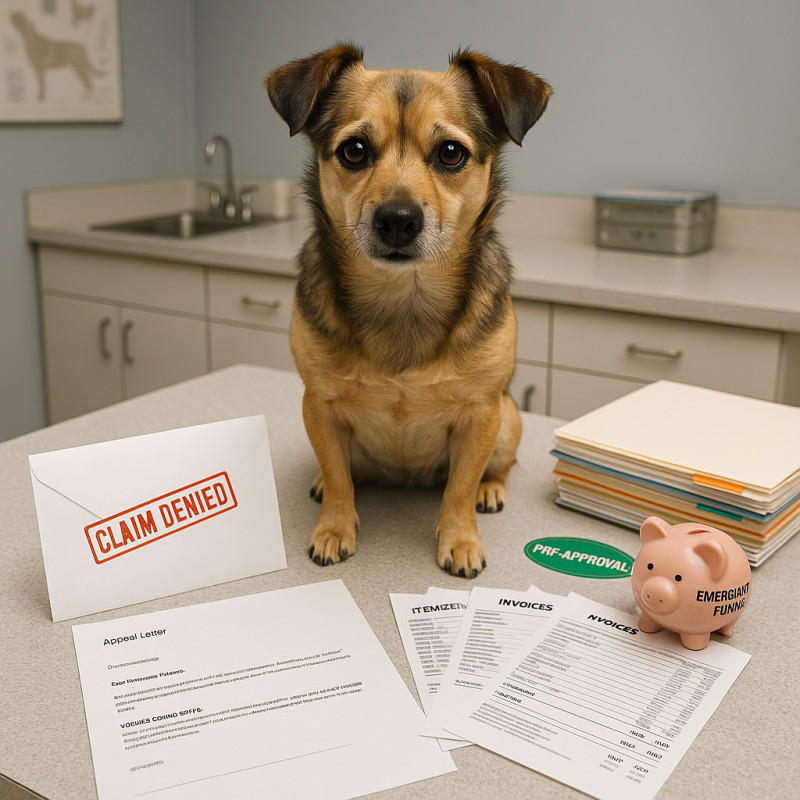
Claims are frequently delayed or denied because of missing medical records, late filing, or gaps in required exam history. Those process issues are avoidable with good paperwork and fast filing.
How to decode a policy before you buy
- Get the full sample policy and all riders, not just marketing pages.
- Read the definitions for preexisting, bilateral, congenital, hereditary, and chronic conditions.
- Check waiting periods for accidents, illness, and especially orthopedic issues; ask whether an exam can waive longer waits.
- Identify deductible type: annual versus per-incident or per-condition, and model a few cost scenarios.
- Confirm how reimbursement is calculated: invoice, benefit schedule, or usual & customary cap.
- Look for sub-limits for dental, behavioral, rehab, prescriptions, and exam fees.
- Ask about claim filing deadlines, required documents, pre-approval for big procedures, and direct-pay options.
Practical playbook to avoid surprise vet bills
- Buy early when your pet is young and healthy and schedule a baseline exam right away.
- Choose plans that reimburse based on the actual invoice and offer high annual limits or unlimited payouts.
- Prefer an annual deductible you can budget for, unless a per-condition deductible clearly fits your situation.
- Ask for a free medical-record review during the waiting period to spot potential preexisting issues early.
- Use pre-approval for expensive surgeries and request written medical-necessity decisions when possible.
- Submit clean claims fast with an itemized invoice and complete records; file well before the policy's deadline.
- Keep a small emergency fund for bridging cash while you wait on reimbursements.
- Talk with your vet about cost-saving options like generic meds, staged diagnostics, or specialist referrals.
These steps cut most of the common surprises owners face and make claims far smoother.
Smart questions to ask an insurer
- What exactly are the waiting periods for accidents, illnesses, and orthopedic issues, and can any be waived?
- How do you define a preexisting condition, and is there a curable-preexisting clause?
- Is reimbursement based on the actual invoice, a benefit schedule, or usual & customary limits?
- Is the deductible annual or per-condition, and when is it applied in the reimbursement math?
- Are exam fees, prescriptions, rehab, behavioral therapy, dental illness, and prescription diets covered, and what are their sub-limits?
- What are claim filing deadlines, required documents, and your appeals process?
- Do you offer direct pay to vets or pre-approval for high-cost procedures?
- What have been your typical rate increases for pets by age in my state?
What to do if a claim is denied
Request the denial in writing and review the exact policy language cited. Ask your vet for a detailed letter explaining timelines, symptoms, and medical necessity and include that in your appeal.
If the appeal is unsuccessful, you can escalate to your state department of insurance, which handles consumer complaints and can review whether the insurer applied the policy fairly. Regulator guides also explain common disclosure rules and waiting period requirements.
Is pet insurance right for your family?
If a $3,000 to $10,000 emergency would be hard to pay, a good accident & illness policy plus an emergency fund is a smart safety net. If you prefer predictable routine costs, consider wellness add-ons, but understand they rarely help with big emergencies.
Breed, age, and location matter. Buy early for breeds prone to hereditary issues and check orthopedic and bilateral clauses carefully for those pets.
Final takeaways
Pet insurance can remove financial stress, but the policy details decide outcomes more than the headline premium. Read the full sample policy, verify definitions and reimbursement math, file clean claims fast, and pair insurance with a modest emergency fund.
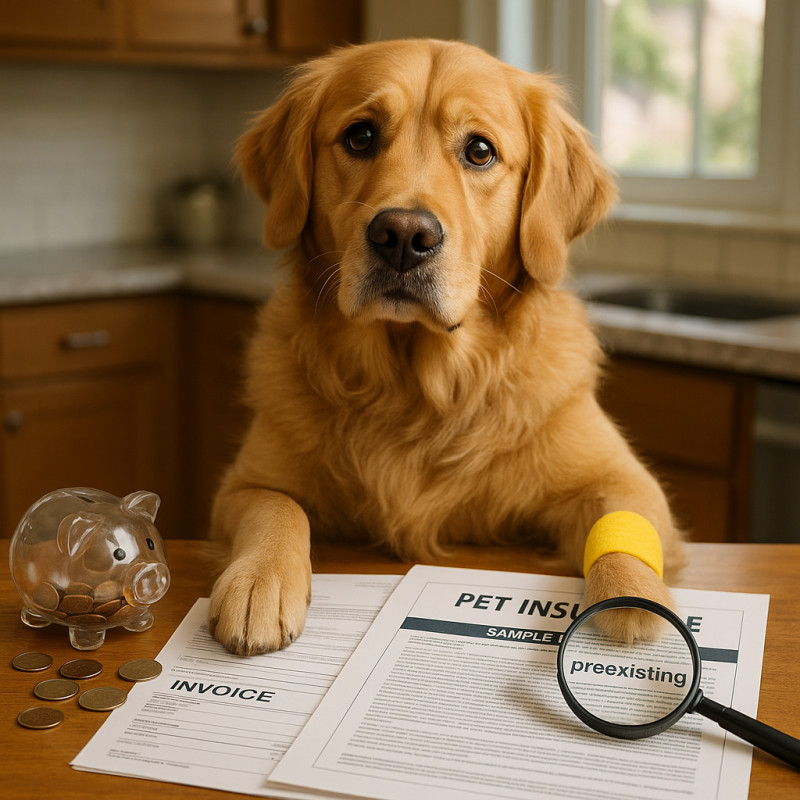
When you shop patiently and ask the right questions, you can pick a plan that protects your pet and your wallet without nasty surprises. For general background information, see resources from organizations like the American Veterinary Medical Association and state insurance departments.
Search our dog listings!
Back to pet blog