
Sussex - Complete Breed Guide
Sussex - Complete Breed Guide
Breed Overview
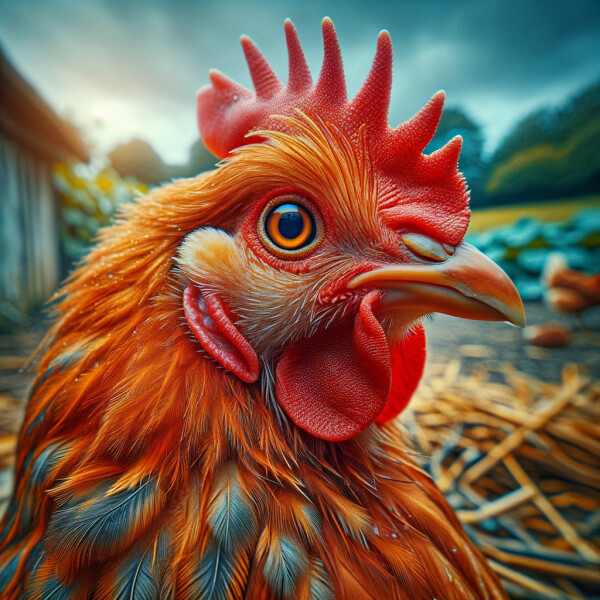
Known for their dual-purpose capabilities, Sussex chickens are a popular breed among poultry enthusiasts. With their strikingly beautiful appearance, they exhibit a docile and friendly temperament, making them ideal for backyard flocks and exhibition purposes. These birds are excellent layers of large brown eggs and boast great meat quality as well. Originating in England, Sussex chickens come in a variety of colors including Light, Red, and Speckled, each with distinct characteristics but all sharing the same hardy and adaptable nature. Their active foraging behavior and ability to thrive in various climates further contribute to their enduring popularity in the poultry world.
Adoption & Local Availability
If you’re looking to bring a sussex into your home, there are several ways to find one available for adoption. Below are options to explore both local availability and general listings.
Size and Appearance
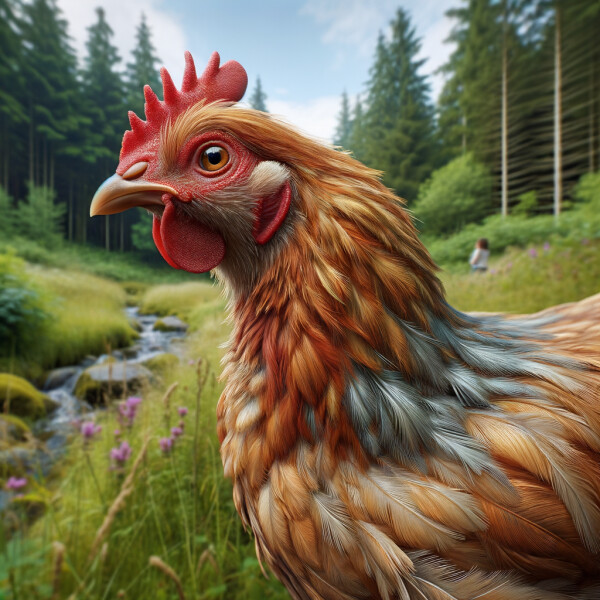
Sussex chickens are a dual-purpose breed known for their medium to large size with a sturdy build. The hens typically weigh around 7-8 pounds, while roosters can weigh between 9-10 pounds. These birds have broad, deep bodies and feature clean legs with well-spaced, medium-length toes. The Sussex breed is best recognized for their distinctive plumage patterns, which can come in various colors including red, speckled, or white. Their broad, round heads are adorned with bright red combs and wattles, adding to their overall charming appearance that appeals to many poultry enthusiasts.
Health and Lifespan
Known for their robust health and long lifespans, these chickens are generally hardy and resistant to common poultry diseases. With proper care, a Sussex chicken can live for 5 to 7 years on average, although some have been known to live even longer. Regular health check-ups, a balanced diet, clean living conditions, and access to fresh water are essential for ensuring the well-being and longevity of these cherished birds. Additionally, providing a stress-free environment and prompt medical attention when needed can further contribute to their overall health and quality of life.
Family Compatibility
Sussex chickens are renowned for their friendly and docile nature, making them excellent family pets. These charming birds have a calm demeanor that makes them great companions for children and tolerate being handled well. They are known for their adaptability to various living environments and are particularly well-suited for backyard setups. Due to their sociable temperament, Sussex chickens integrate well within family dynamics and enjoy being part of a flock. With proper care and attention, these chickens can thrive in a family setting, providing both companionship and a steady supply of fresh eggs.
Exercise Needs
Sussex chickens have moderate exercise needs that should be met by providing them with ample space to roam freely. Regular access to a spacious outdoor area encourages natural foraging behavior and keeps them physically active. They are docile birds, making them suitable for free-range environments where they can wander and explore comfortably. To ensure their overall well-being and prevent boredom, incorporating environmental enrichment activities such as dust bathing areas, perches, and hanging treats can also help in meeting their exercise requirements. Regular monitoring of their activity levels and behavior is important to ensure they are getting adequate exercise.
Diet and Feeding
Sussex chickens thrive on a balanced diet that includes high-quality poultry feed rich in proteins, vitamins, and minerals. Supplement their diet with fresh fruits, vegetables, and whole grains for optimal health and egg production. Ensure they have access to clean water at all times. Avoid feeding them avocado, chocolate, or salty foods, as these can be harmful. Additionally, provide grit to help with digestion, and allow foraging to mimic their natural behavior. Adjust feeding based on their age, activity level, and season to support their overall well-being.
Living Environment
Sussex chickens thrive in a spacious living environment that provides ample room for foraging and roaming. They do well in both free-range settings and enclosed spaces, as long as there is enough space for them to exhibit their natural behaviors. A secure coop with proper ventilation, nesting boxes, and roosting bars is essential for their well-being. These chickens are adaptable to various climates but do best in moderate temperatures, so providing adequate shelter from extreme weather is crucial. Overall, a clean and well-maintained living environment will ensure the health and happiness of Sussex chickens.
Grooming
Sussex chickens are relatively low-maintenance in terms of grooming. Regular grooming routines involve checking and trimming nails to prevent overgrowth and potential injuries, inspecting the feathering for signs of parasites or disease, and providing occasional baths for cleanliness and health. It is important to keep their living environment clean to minimize the risk of pests and infections. Additionally, brushing or gently combing their plumage can help remove dirt and debris, keeping their feathers in good condition. Overall, simple grooming practices can ensure the health and well-being of Sussex chickens.
Training and Intelligence
Training and Intelligence: Sussex chickens are known for their high level of intelligence, making them relatively easy to train compared to other breeds. They are quick learners and can be taught various tricks and commands with consistent and patient training. Positive reinforcement methods work best with them, as they respond well to praise and treats. Sussex chickens also have good problem-solving skills and can adapt to new situations quickly. Their intelligence makes them a popular choice for backyard poultry enthusiasts looking for trainable and interactive feathered companions. With proper training, Sussex chickens can become well-behaved and sociable members of a flock.
Exercise and Activity Requirements
'Exercise and Activity Requirements': Sussex chickens are known for their active and lively nature, requiring ample space to roam freely and engage in natural behaviors such as scratching and foraging. To meet their exercise needs, it is recommended to provide a spacious outdoor area or free-range environment where they can explore and peck around. Additionally, incorporating enrichment activities like hanging treats or providing items for them to investigate can keep Sussex chickens mentally stimulated and physically active. Regular access to a secure outdoor area not only supports their physical health but also promotes overall well-being and contentment.
Socialization
Socialization is crucial for these friendly and sociable chickens, who thrive on human interaction and companionship. They enjoy being part of a flock, and their amiable nature makes them ideal for communal settings. Regular handling and exposure to different environments from a young age can help them develop into well-adjusted and outgoing birds. Sussex chickens are known for their ease in integrating with other breeds, making them wonderful additions to mixed flocks. Engaging in social activities like foraging and dust bathing together allows these chickens to bond and establish hierarchies within their group.
Lifespan
Sussex chickens have a relatively long lifespan compared to other chicken breeds, typically living between 8 to 10 years with proper care, diet, and housing. Providing a clean and safe environment, regular health check-ups, a balanced diet rich in nutrients, and protection from predators can significantly contribute to extending their lifespan. Genetic factors, such as breeding for longevity, also play a role in determining how long Sussex chickens can live. By implementing good husbandry practices and ensuring their overall well-being, owners can help their Sussex chickens live a full and healthy life.
Common Behavioral Issues
Common Behavioral Issues: Sussex chickens are generally docile and friendly, but may exhibit aggression if overcrowded or stressed. They can sometimes display pecking behaviors, especially in confined spaces or when establishing a new pecking order. Additionally, Sussex chickens may become bored easily, leading to destructive behaviors like feather picking. Providing ample space, enrichment activities, and a balanced diet can help mitigate these issues. It's important to address behavioral concerns early on to ensure a harmonious flock environment and the overall well-being of the chickens. Regular monitoring and proactive intervention can help prevent and manage common behavioral issues in Sussex chickens.

Special Considerations
When raising this breed, keep in mind their docile nature, making them great for backyard flocks. Due to their size, provide ample space for them to roam freely. Monitor their health closely, as they can be prone to common poultry ailments. With their dual-purpose capabilities, plan for both egg production and meat yield. Lastly, their white feathers can make them more susceptible to predators, so secure housing is crucial to their safety and well-being.
Guardian Instincts
Sussex chickens are known for their strong guardian instincts, making them excellent protectors of the flock. They are naturally alert and vigilant, quick to sound the alarm when predators approach. This breed is fearless in defending their territory, flockmates, and even other animals on the farm. Sussex chickens are particularly adept at assessing threats and taking action to keep their surroundings safe. Their innate sense of responsibility and protective nature make them a reliable and efficient security force for any poultry flock.
Allergies and Shedding
Sussex chickens are relatively hypoallergenic compared to some other poultry breeds, making them a good choice for individuals with allergies. Their shedding is minimal, with most of the molting process occurring gradually and not excessively like some other chicken breeds. Because of this, Sussex chickens are generally well-tolerated by those with sensitivities to feathers or dander. Their clean appearance and manageable shedding also make them easier to care for in terms of coop maintenance and overall cleanliness, further enhancing their appeal to allergy-prone individuals looking to raise chickens.
Cost of Ownership
The cost of ownership for raising and caring for a flock of Sussex chickens involves various factors. Initial expenses may include purchasing chicks or hens, setting up a coop, investing in feed and bedding, and providing necessary healthcare. Ongoing costs encompass feed, supplements, bedding replacement, and veterinary care to ensure the birds' health and well-being. Additionally, budgeting for predator-proofing measures, routine maintenance of the coop and equipment, and occasional unexpected expenses is essential. While Sussex chickens are generally low-maintenance, being financially prepared for their needs is paramount for successful ownership.
Availability and Adoption
Sussex chickens are readily available from hatcheries, breeders, and poultry farms worldwide. Due to their popularity, they are often easy to adopt and integrate into backyard flocks. Ideal for both beginners and experienced poultry keepers, Sussex chickens come in various color varieties, including Light, Buff, and Speckled. When adopting Sussex chickens, it is essential to ensure they have access to a suitable coop, nutritious feed, clean water, and adequate space to roam. Their friendly nature and excellent egg-laying abilities make Sussex chickens a favorite choice for many chicken enthusiasts looking to expand their flocks.
Famous Examples
Famous Examples:
The Sussex breed has been a favorite among poultry enthusiasts and breeders for centuries, with notable examples including Queen Victoria's preference for the speckled variety. These chickens are revered for their dual-purpose capabilities, excellent temperament, and striking appearance, making them a popular choice for both small-scale farmers and backyard chicken keepers. Additionally, the Sussex breed's presence in various agricultural shows and exhibitions worldwide has solidified its reputation as one of the most iconic and beloved chicken breeds in the poultry world, garnering admiration for its beauty and utility.
Questions & Answers
1) Is the sussex a good fit for families or first-time owners?
Yes, the Sussex is known for its friendly and docile nature, making it a great choice for families and first-time chicken owners.
2) How much exercise and daily care does a sussex require?
Sussex chickens do not require excessive exercise but will benefit from some free-ranging time. Daily care includes providing fresh water, food, and checking for any signs of illness or injury.
3) What health issues are common in sussex?
Sussex chickens are generally hardy, but they may be prone to issues such as bumblefoot, mites, and respiratory infections. Regular health checks and proper coop hygiene can help prevent these problems.
4) What is the typical size and weight of a sussex chicken?
Sussex chickens are medium-sized birds with hens averaging around 7-8 pounds and roosters slightly heavier at 9-10 pounds.
5) Are sussex chickens good layers of eggs?
Yes, Sussex chickens are excellent layers, known for their large brown eggs. A healthy Sussex hen can produce around 250-280 eggs per year.
6) Do sussex chickens do well in free-range environments?
Yes, Sussex chickens enjoy foraging and are well-suited for free-range environments. They are good at finding their food but should still be provided with a balanced diet to ensure proper nutrition.
7) What colors are sussex chickens available in?
Sussex chickens come in three recognized color varieties: Light Sussex (white with black markings), Speckled Sussex (white with black and red/brown speckles), and Red Sussex (a rich, deep red color). Each variety has its unique charm.