
Golden Lakenvelder - Complete Breed Guide
Golden Lakenvelder - Complete Breed Guide
Breed Overview
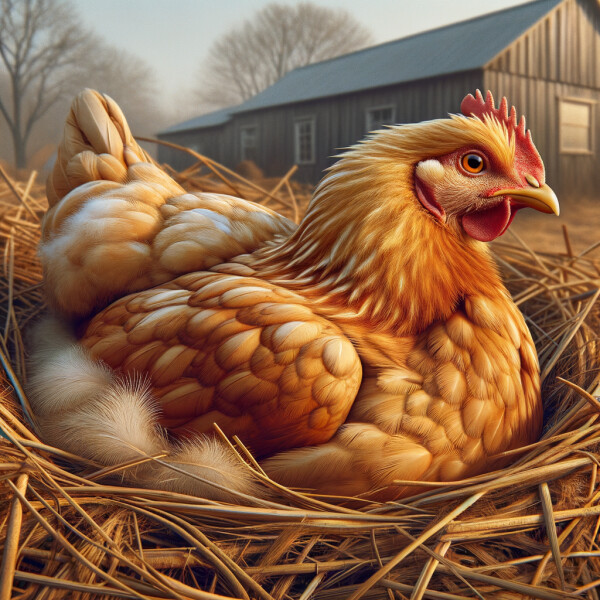
The golden lakenvelder is a striking breed known for its elegant appearance with black, white, and golden markings. Originating in the Netherlands, these chickens are prized for their beauty and productivity. They are medium-sized birds with a gentle disposition, making them ideal for both backyard enthusiasts and show breeders. The breed is known for its excellent foraging abilities and adaptability to various climates. Golden lakenvelders are prolific layers of large, white eggs, making them a valuable addition to any flock. With their unique color pattern and impressive characteristics, these chickens are a favorite among poultry enthusiasts worldwide.
Adoption & Local Availability
If you’re looking to bring a golden lakenvelder into your home, there are several ways to find one available for adoption. Below are options to explore both local availability and general listings.
Size and Appearance
The Golden Lakenvelder is a medium-sized chicken breed known for its striking and distinct appearance. They have a sleek and upright posture with a well-proportioned body. The breed sports a brilliant golden color on its neck and saddle, contrasting beautifully with its black head, tail, and wings. The hens tend to have a graceful and elegant stance, while the roosters boast vibrant and eye-catching plumage. With their tight and glossy feathers, these chickens present a dazzling sight in any flock. Overall, the Golden Lakenvelder is a visually stunning breed that captivates with its unique and attractive appearance.
Health and Lifespan
Known for their robust health and longevity, these chickens typically enjoy a lifespan of 6 to 8 years when cared for properly. Maintaining a clean living environment, providing a balanced diet rich in nutrients, and regular health check-ups are essential for ensuring their well-being. Common health issues to watch for include respiratory infections, parasites, and bumblefoot. Regular exercise, access to fresh water at all times, and a stress-free environment contribute to their overall health and vitality. By prioritizing their care and addressing any health concerns promptly, golden lakenvelders can live a happy and healthy life for many years.
Family Compatibility
The Golden Lakenvelder chickens are known for their friendly and calm demeanor, making them excellent for families with children. They are sociable birds that enjoy human interaction and are not aggressive towards other flock members, creating a peaceful environment in the coop. Their adaptability and ability to thrive in different settings make them a versatile choice for families looking for a colorful and entertaining addition to their backyard flock. Golden Lakenvelders are excellent for families seeking a chicken breed that is sociable, docile, and easy to care for.
Exercise Needs
With their active and energetic nature, Golden Lakenvelders thrive on regular exercise to maintain their overall health and well-being. Providing opportunities for free-ranging or ample space to move around in a coop is essential to meet their exercise needs. These chickens enjoy foraging for insects and scratching the ground, so engaging them in activities that mimic these natural behaviors can keep them physically and mentally stimulated. Ensuring they have space to roam and explore will help prevent boredom and encourage a more balanced and contented flock.
Diet and Feeding
These elegant chickens have a diet that should consist of high-quality poultry feed with a protein content of around 16-18%. Additionally, they enjoy foraging for insects, seeds, and greens, so they benefit from access to a spacious outdoor area. Providing a balanced diet rich in nutrients like vitamins and minerals is crucial for their overall health and vitality. It is essential to ensure they have access to clean water at all times, especially during hot weather to prevent dehydration. Supplementing their diet with occasional treats like fruits and vegetables can be a delightful addition to their feeding routine.
Living Environment
The ideal living environment for this breed includes a spacious, secure coop with good ventilation and natural light. They thrive in free-range settings where they can forage for insects and plants. Providing access to a protected outdoor area is essential for their well-being. Ensure the coop is well-insulated for colder climates and offer roosting bars and nesting boxes for their comfort. Regular cleaning and maintenance of the living space are crucial to prevent health issues. Additionally, golden lakenvelders prefer a quiet, stress-free environment away from potential predators to exhibit their natural behaviors and remain healthy.
Grooming
When it comes to grooming, the feathers of this breed should be regularly checked for any signs of damage or parasites. Gentle grooming sessions using a soft brush can help maintain their glossy appearance. Keeping their coop clean is essential in preventing dirt and debris from affecting their plumage. It's also important to trim their toenails if they get too long to prevent any discomfort or issues with mobility. Regularly inspecting their skin for any abnormalities and providing them with a dust bath area for natural cleaning are also crucial aspects of grooming for this breed.
Training and Intelligence
These chickens are known to be highly intelligent and quick learners, making them relatively easy to train. They respond well to positive reinforcement techniques and can pick up commands and routines with consistency and patience. Their intelligence also helps them adapt well to different environments and situations, making them versatile and capable of handling various training exercises. By providing mental stimulation and consistent training sessions, these chickens can showcase their intelligence and eagerness to learn, ultimately making them a joy to work with for any training purposes.
Exercise and Activity Requirements
The Lakenvelder breed is active and enjoys foraging for food, making them good foragers and free-range birds. They thrive in environments where they have ample space to roam and explore. Providing opportunities for them to engage in natural behaviors like scratching, dust bathing, and perching is essential for their overall well-being. Regular access to a spacious and secure outdoor area will help meet their exercise needs and prevent boredom. Keeping them mentally and physically stimulated is key to ensuring they remain healthy and happy. Regular supervision during free-range time is recommended to protect them from potential predators.
Socialization
Socialization is essential for these chickens to thrive in a flock setting. They are known for their friendly and gentle temperament towards both humans and other poultry. Proper socialization from a young age helps them establish a pecking order within the flock and reduces aggressive behaviors. Providing ample space for them to interact, along with regular human interaction, ensures they develop into well-adjusted and sociable birds. Overall, a well-socialized flock of these chickens will exhibit harmonious interactions, leading to a peaceful and contented coexistence within the group.
Lifespan
The lifespan of the breed typically ranges between 6 to 8 years, with proper care and environment playing a significant role in determining longevity. Good nutrition, regular health check-ups, and a stress-free living environment can contribute to a healthier and longer life for these chickens. Additionally, genetics also play a role, as some individuals may live slightly shorter or longer lives based on their genetic makeup and inherent health factors. Overall, providing adequate care and attention throughout their lifespan is key to ensuring that these chickens lead a full and happy life.
Common Behavioral Issues
Common behavioral issues in this breed may include feather pecking, which can lead to aggression and stress within the flock. Additionally, golden lakenvelders can be flighty and may exhibit skittish behavior if not handled regularly. They are known to be active foragers, so providing ample space for exploration can help prevent boredom and destructive behavior. Social hierarchy may also be a concern, as they can sometimes engage in pecking order disputes. Proper socialization, enrichment, and a well-balanced diet are essential in managing these behavioral issues and promoting a harmonious flock dynamic.
Special Considerations
When caring for these chickens, it’s essential to provide plenty of space for them to roam and forage as they are active birds. Due to their smaller size, they may be more vulnerable to predators, so secure housing is a must. Their striking appearance may attract attention from predators, so extra precautions are necessary. Additionally, their unique color pattern should be maintained through careful breeding practices to uphold the breed standard. Overall, ensuring their safety and well-being is vital for the success of this delicate and elegant chicken breed.
Guardian Instincts
The Golden Lakenvelder breed is known for its strong guardian instincts, making them excellent protectors of their flock. They are naturally alert and attentive, quick to detect any potential threats and act accordingly to defend their chickens. This instinctive behavior makes them reliable in keeping predators at bay, ensuring the safety and security of the entire coop. Owners of this breed can rest assured knowing that their Golden Lakenvelders will vigilantly watch over their feathered companions, demonstrating loyalty and dedication to their role as guardians of the flock.
Allergies and Shedding
For individuals with allergies, it's important to note that the breed tends to shed minimally, making them a suitable choice for those sensitive to pet dander. The Golden Lakenvelder's tight, sleek plumage requires minimal grooming and can help reduce the presence of allergens in the environment. Regular dusting and cleaning of the coop can further minimize potential allergens. Additionally, ensuring proper ventilation and cleanliness in the coop can contribute to a healthier living environment for both the chickens and their owners, particularly those with allergies.
Cost of Ownership
The cost of owning a golden lakenvelder can vary depending on factors such as purchasing price, housing, feed, and healthcare. Generally, these chickens are valued for their beauty and rarity, so acquiring them may require a higher initial investment compared to more common breeds. They thrive in free-range environments, but sturdy coop structures are necessary for protection. Quality feed rich in protein and essential nutrients ensures their health and productivity. Regular veterinary check-ups and vaccinations are recommended to prevent illnesses. Overall, the cost of ownership entails expenses for acquiring, housing, feeding, and healthcare to maintain the well-being of these prized chickens.
Availability and Adoption
The golden Lakenvelder chicken breed can sometimes be challenging to find due to its relative rarity compared to more popular breeds. However, dedicated breeders and specialty poultry farms may occasionally have these beautiful birds available for adoption. To increase the chances of acquiring golden Lakenvelders, interested individuals can join poultry enthusiast groups, attend agricultural fairs, or connect with breed clubs dedicated to preserving and promoting this distinctive breed. As with any unique poultry breed, patience and persistence are key when seeking to adopt golden Lakenvelders for your flock.
Famous Examples
One notable example of this breed is a rooster called Little Lukie, who gained fame for winning multiple awards at prestigious poultry shows. Another famous golden Lakenvelder is Henrietta, a hen known for her stunning plumage and gentle disposition, making her a beloved companion in her owner's backyard flock. These renowned individuals showcase the breed's beauty, personality, and excellence in both competitive and home settings.
Questions & Answers
1) Is the golden lakenvelder a good fit for families or first-time owners?
Yes, golden lakenvelders are known to be friendly, docile, and easy to handle, making them a great choice for families and first-time chicken owners.
2) How much exercise and daily care does a golden lakenvelder require?
Golden lakenvelders are active birds that enjoy free-ranging, so they benefit from regular access to a spacious outdoor area. They require daily care including feeding, watering, checking for any health issues, and keeping their living area clean.
3) What health issues are common in golden lakenvelder?
Golden lakenvelders are generally a healthy breed, but they can be prone to respiratory issues such as colds or infections, so it's essential to provide them with a well-ventilated and clean living environment.
4) What does the golden lakenvelder's plumage look like?
The golden lakenvelder has a striking appearance with its golden hackles, black tails, and white bodies. Their plumage is well-defined and symmetrical, making them a visually appealing breed.
5) How many eggs can a golden lakenvelder lay in a week?
On average, a golden lakenvelder hen can lay around 4-5 medium-sized, cream-colored eggs per week. They are known to be good layers, although individual egg production may vary.
6) Are golden lakenvelders cold-hardy?
Yes, golden lakenvelders are cold-hardy birds that can withstand colder temperatures. However, it's still important to provide them with proper shelter and warmth during extreme weather conditions.
7) Do golden lakenvelders have a specific temperament compared to other chicken breeds?
Golden lakenvelders are known for their curious and active nature. They are relatively independent but also enjoy human interaction, making them a delightful addition to any backyard flock.