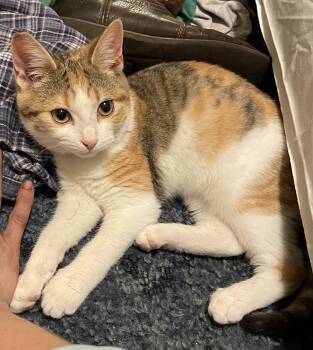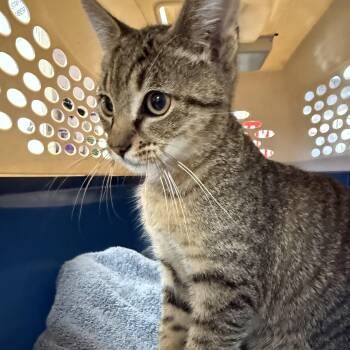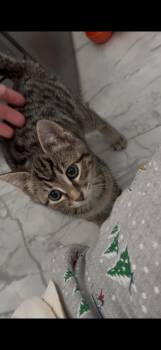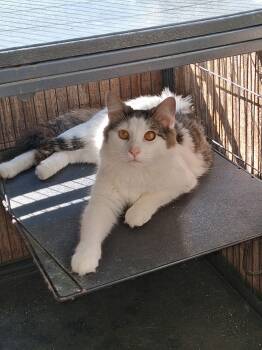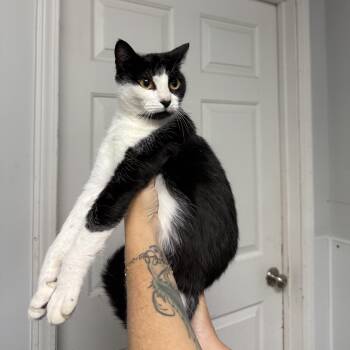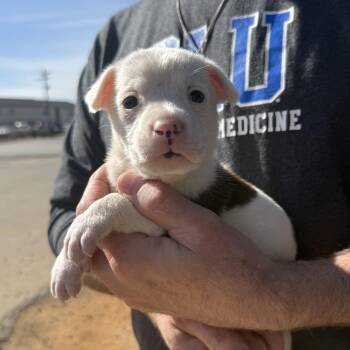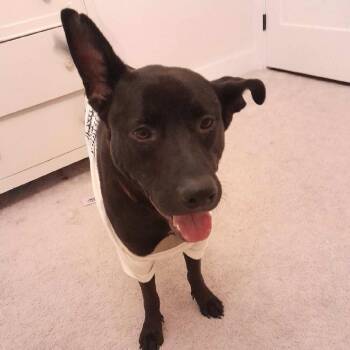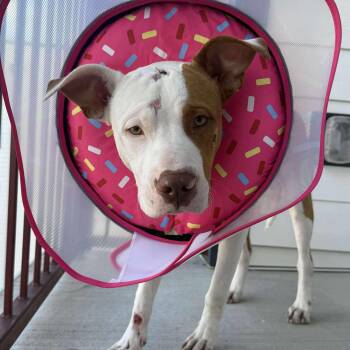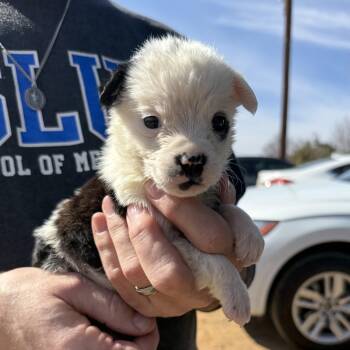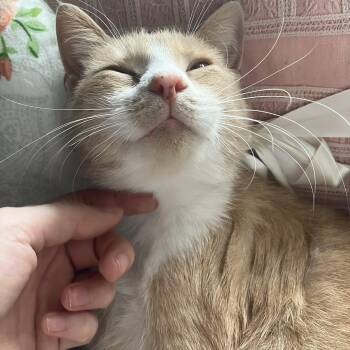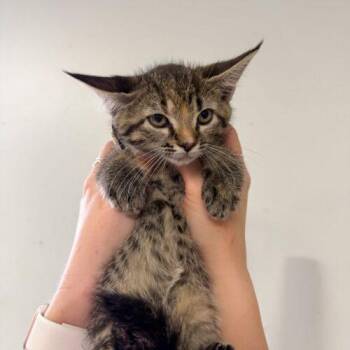
Born on January 1, 2026, these colorful little cuties are starting the year off right—by bringing fun, energy, and a whole lot of joy wherever they go. Each kitten in the Crayon litter is named after a crayon color, and just like a fresh box of crayons, every one of them has their own little spark of personality. What they all share is being playful, friendly, curious, and ready to brighten someone’s home.
For now, the Crayon crew is busy doing what kittens do best—playing, exploring, and filling the room with chaos and cuteness. If you’re looking to add a little color (or a lot!) to your life, one of these bright little personalities might be the perfect match.
These kittens came to us with their mom, who tested positive for Feline Immunodeficiency Virus (FIV). While the kittens also tested positive, this is temporary in most cases.
What is FIV?
FIV is a virus that affects a cat's immune system. Tests look for antibodies (the body's response to the virus).
Most cats with FIV live long, healthy lives with good nutrition, and an indoor, low-stress environment.
Why kittens can test positive
Kittens can get antibodies from their FIV-positive mom through milk. This can make them test positive even if they are not infected.
Good news
It is uncommon for kittens to actually get FIV from their mom.
Most kittens who test positive will test negative by 6 months of age.
What a negative test means
A negative test usually means the cat is not infected.
Rare exceptions
• It can take 2-6 months after exposure for antibodies to show up. • Very sick cats may stop making antibodies and test negative.
Retesting
If exposure is possible, retesting after at least 60 days is recommended for accuracy.
For these kittens
They will be retested in 60 days, and our vet is hopeful they will be negative.
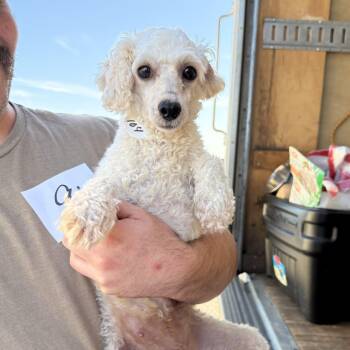
PALMETTO
Miniature Poodle
🇺🇸
Columbia, South Carolina
female, small, adult, not mixed
Miniature Poodle
Columbia, South Carolina