
Welsh Rex - Complete Breed Guide
Welsh Rex - Complete Breed Guide

Breed Overview
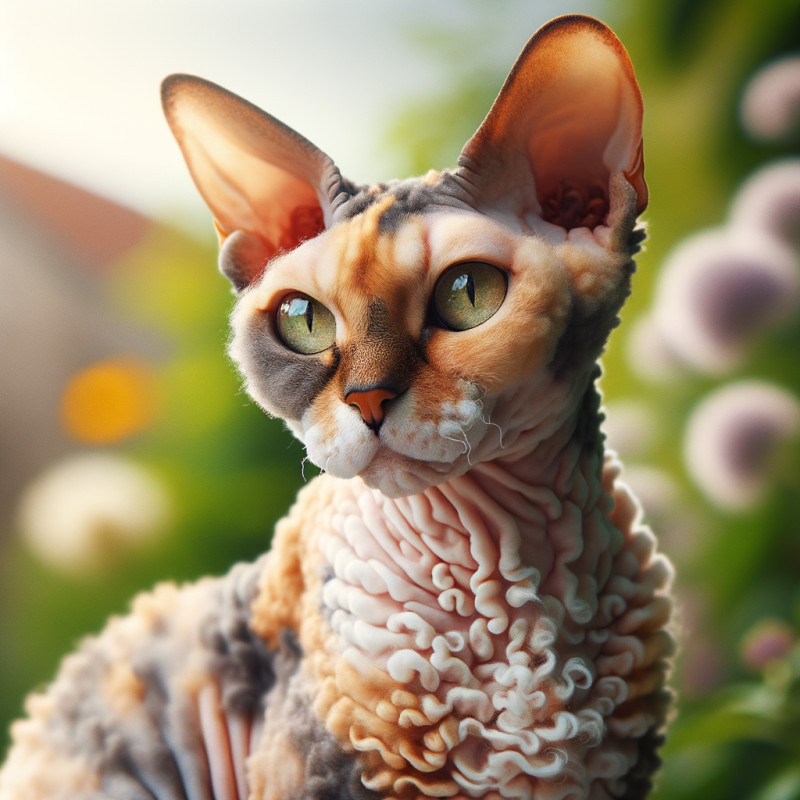
The Welsh Rex is a unique and rare breed known for its curly and soft coat, which is a result of a genetic mutation. They are small to medium-sized cats with slender bodies, large ears, and expressive eyes. Despite their unusual appearance, Welsh Rex cats are friendly, affectionate, and intelligent pets that form strong bonds with their owners. They are playful and energetic, enjoying interactive toys and activities. Their coat requires minimal grooming due to its short length and lack of an undercoat. Welsh Rex cats are social creatures that get along well with other pets and children, making them a delightful addition to any household.
Adoption & Local Availability
If you’re looking to bring a welsh rex into your home, there are several ways to find one available for adoption. Below are options to explore both local availability and general listings.
Size and Appearance
With a unique appearance characterized by their curly coat, the Welsh Rex breed is typically small to medium in size. Their slender bodies are complemented by long legs and oval-shaped paws. The head is wedge-shaped with large ears that are set apart. Expressive almond-shaped eyes sit atop a slightly Roman nose. The coat can display various colors and patterns, ranging from solid to tabby and bicolor. Despite their small stature, Welsh Rex cats possess a distinct elegance and grace that is enhanced by their playful and affectionate nature.
Health and Lifespan
Health and Lifespan:
The breed is generally healthy, but potential issues to watch for include hypertrophic cardiomyopathy and abnormal coat growth. Regular veterinary check-ups are recommended to monitor health. With proper care and attention, Welsh Rex cats can live a long and fulfilling life, with an average lifespan of 10-15 years. Providing a balanced diet, regular exercise, and a loving environment can help ensure a healthy and happy life for these unique and affectionate felines.
Family Compatibility
Wales Rex cats are known for their friendly and social nature, making them excellent companions for families. They thrive on human interaction and enjoy being involved in all household activities. Their playful and affectionate demeanor makes them great with children, as they love to participate in games and cuddle sessions. Additionally, these cats are generally adaptable and can easily adjust to various living situations, including multi-pet households. Their easygoing temperament and loving personality make them a wonderful addition to any family looking for a loyal and happy feline companion.
Exercise Needs
These active and playful cats have moderate exercise needs that can be met through interactive play sessions and regular access to toys. Engaging in activities that stimulate their mind and body, such as puzzle toys or feather wands, can help keep them mentally and physically fit. Providing them with opportunities to explore and climb can also satisfy their need for daily exercise. Additionally, incorporating vertical space in the form of cat trees or shelves can encourage them to jump and climb, promoting a healthy level of activity. Regular playtime and enrichment activities are essential for fulfilling their exercise requirements.
Diet and Feeding
When it comes to diet and feeding, the Welsh Rex breed requires a balanced and nutritious meal plan to maintain their health and well-being. Offering high-quality cat food, both wet and dry, is essential to meet their dietary needs. Additionally, providing treats in moderation is suitable for training and bonding purposes. It's important to monitor their food intake as Welsh Rex cats can be prone to obesity if overfed. Always ensure fresh water is readily available for proper hydration, and consulting with a veterinarian for specific dietary recommendations tailored to the individual cat is highly recommended.

Living Environment
The Welsh Rex thrives in a calm and loving home environment. As an affectionate and social breed, they enjoy being around their human companions and may suffer from separation anxiety if left alone for long periods. Providing interactive toys, cozy resting spots, and vertical spaces for climbing and observing the surroundings will ensure their mental and physical stimulation. This breed appreciates a comfortable, warm setting and benefits from a predictable routine. Additionally, maintaining a clean and tidy living space will contribute to their overall well-being and happiness.
Grooming
The grooming needs of this breed are minimal due to their unique coat texture, which lacks the typical guard hairs found in most cats. Welsh rex cats have a soft, curly coat that doesn't shed much. Regular brushing is recommended to remove loose hairs and prevent matting, but bathing is seldom necessary. However, their ears may require occasional cleaning to prevent wax buildup. Overall, Welsh rex cats have low grooming requirements compared to other breeds, making them a great choice for individuals looking for a low-maintenance pet in terms of grooming.
Training and Intelligence
These agile and intelligent cats are quick learners, making training a rewarding experience. Welsh Rex cats excel in clicker training and can be taught a variety of tricks and commands. Their high level of intelligence allows them to problem-solve and adapt quickly to new situations. Positive reinforcement methods work best with these highly trainable cats, as they respond well to praise and treats. Engaging their minds with interactive toys and puzzle feeders can help satisfy their need for mental stimulation and prevent boredom. Overall, their combination of intelligence and eagerness to please makes training a Welsh Rex a delightful and engaging experience.
Exercise and Activity Requirements
Exercise and Activity Requirements: The energetic and playful nature of this breed necessitates regular exercise and mental stimulation to keep them happy and healthy. Engaging in interactive play sessions, providing climbing structures, and introducing puzzle toys are all effective ways to meet their activity needs. Daily playtime will not only help prevent boredom and destructive behaviors but also strengthen the bond between owner and cat. It's important to provide opportunities for physical and mental exercise to ensure the well-being of these active and intelligent felines.
Socialization
Socialization is crucial for these curly-coated felines, as they are known for their friendly and social nature. Exposing them to various people, animals, and environments from a young age helps ensure they grow up to be confident and well-adjusted. Welsh Rex cats thrive on human companionship and love to be involved in all family activities. Their playful and outgoing personalities make them excellent companions for both children and adults. Regular social interaction helps prevent shyness or aloofness in this breed, fostering a loving and sociable bond between the cat and its human family.
Lifespan
The average lifespan of the Welsh Rex cat breed ranges from 10 to 15 years when provided with proper care, nutrition, and a healthy environment. Regular veterinary check-ups, a balanced diet, adequate exercise, and mental stimulation are essential to ensuring these cats live a long and fulfilling life. Genetics, lifestyle factors, and overall well-being also play significant roles in determining the lifespan of these unique and affectionate felines.
Common Behavioral Issues
Common behavioral issues in this breed include separation anxiety, leading to excessive meowing or destructive behavior when left alone for extended periods. Welsh Rex cats are known for their high energy levels and intelligence, requiring mental stimulation to prevent boredom-related behavior problems. They may also exhibit territorial behaviors, such as marking or aggression towards other pets. Positive reinforcement training and interactive play sessions can help channel their energy in a positive way. Additionally, providing opportunities for climbing, scratching, and exploring can help satisfy their natural instincts and prevent behavioral issues from developing.
Special Considerations
Special Considerations:
Due to their curly coat, cats of this breed may require regular grooming to prevent matting and ensure their skin remains healthy. They are generally energetic and playful, requiring adequate mental and physical stimulation. As they are highly social and attached to their humans, Welsh Rex cats may experience separation anxiety if left alone for long periods. Additionally, their sensitive nature means they may not respond well to changes in their environment or routine. Potential owners should be prepared to provide a stable and loving home environment to meet the needs of this affectionate and unique breed.
Guardian Instincts
The cats of this breed are known to have strong protective instincts over their territory and loved ones, making them excellent guardians. Despite their playful and friendly nature, Welsh Rex cats will not hesitate to alert their owners to potential threats or dangers. Their keen senses and observant nature enable them to quickly detect any unusual occurrences in their surroundings. Owners of Welsh Rex cats can feel reassured knowing that these feline companions will bravely defend and watch over their homes with unwavering loyalty and dedication.
Allergies and Shedding
The Welsh Rex's unique coat, devoid of guard hairs, makes them an excellent choice for those with allergies as they produce less dander than other cat breeds. Their minimal shedding also contributes to their hypoallergenic nature, reducing allergens in the home environment. This breed's coat requires minimal grooming due to the lack of shedding, making them an ideal companion for individuals with sensitivities to pet hair. Additionally, the Welsh Rex's velvety fur is soft to the touch, providing a luxurious feel that is a delight for both the cat and its owners.
Cost of Ownership
With their unique curly coats, Welsh Rex cats require regular grooming to prevent matting. Expect to spend between $500 to $1,000 yearly on grooming supplies, vet visits, and premium food. Factor in an additional $300 to $500 for initial adoption fees or purchasing costs. Due to potential health issues like dental problems and joint diseases, budget for unexpected veterinary expenses which can vary widely. Investing in high-quality toys and scratchers will also help keep these active and intelligent cats entertained. In total, the cost of ownership for a Welsh Rex cat typically ranges from $800 to $1,500 per year.
Availability and Adoption
The Welsh Rex is a rare breed with limited availability, making them sought after among cat enthusiasts. While difficult to find in shelters or rescues due to their scarcity, dedicated breeders may have Welsh Rex kittens for adoption. Prospective owners should be prepared to have patience in their search for a Welsh Rex cat, as waiting lists may be necessary. Adoption from a reputable breeder is advisable to ensure the health and welfare of the cat, as well as to support responsible breeding practices within the Welsh Rex community.
Famous Examples
One of the most famous examples of this unique cat breed is a social media sensation known for her curly fur and playful antics. Another notable Welsh Rex gained popularity for his appearances in television and film, charming audiences with his distinctive coat and friendly personality. These famous examples showcase the breed's intelligence, adaptability, and affectionate nature, making them beloved by cat enthusiasts worldwide.
Questions & Answers
1) Is the welsh rex a good fit for families or first-time owners?
Yes, Welsh Rex cats are affectionate, social, and adapt well to different environments, making them a great choice for families and first-time owners.
2) How much exercise and daily care does a welsh rex require?
Welsh Rex cats are energetic and playful, requiring interactive play sessions and mental stimulation. They also need regular grooming to maintain their unique curly coat.
3) What health issues are common in welsh rex?
Some health issues that Welsh Rex cats may be prone to include hypertrophic cardiomyopathy (a heart condition), patellar luxation (kneecap dislocation), and certain skin conditions related to their coat.
4) What is the temperament of the welsh rex breed?
Welsh Rex cats are known for their friendly and outgoing nature. They are curious, intelligent, and enjoy being the center of attention, forming strong bonds with their human companions.
5) How should the coat of a welsh rex be cared for?
The unique coat of a Welsh Rex requires regular grooming to prevent matting and keep it in good condition. Gentle brushing and occasional bathing can help maintain the coat's texture and appearance.
6) Are welsh rex cats good with other pets?
Welsh Rex cats generally get along well with other pets, including dogs and other cats, especially if they are introduced properly and given time to adjust to each other's presence.
7) Do welsh rex cats have any special dietary requirements?
While Welsh Rex cats do not have any specific dietary requirements, it's important to provide them with a balanced diet that meets their nutritional needs to keep them healthy and prevent obesity.